

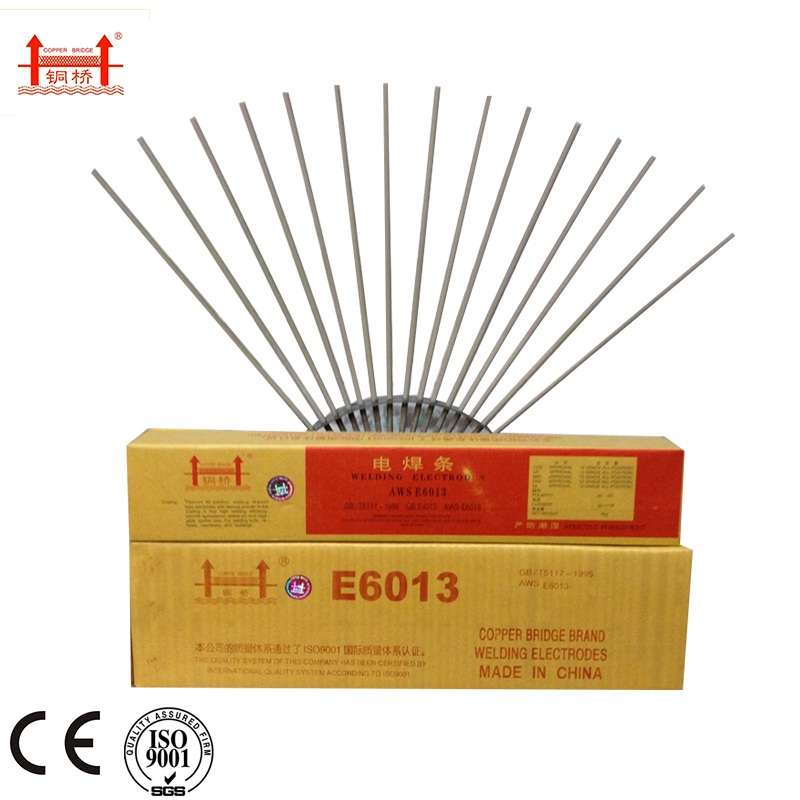
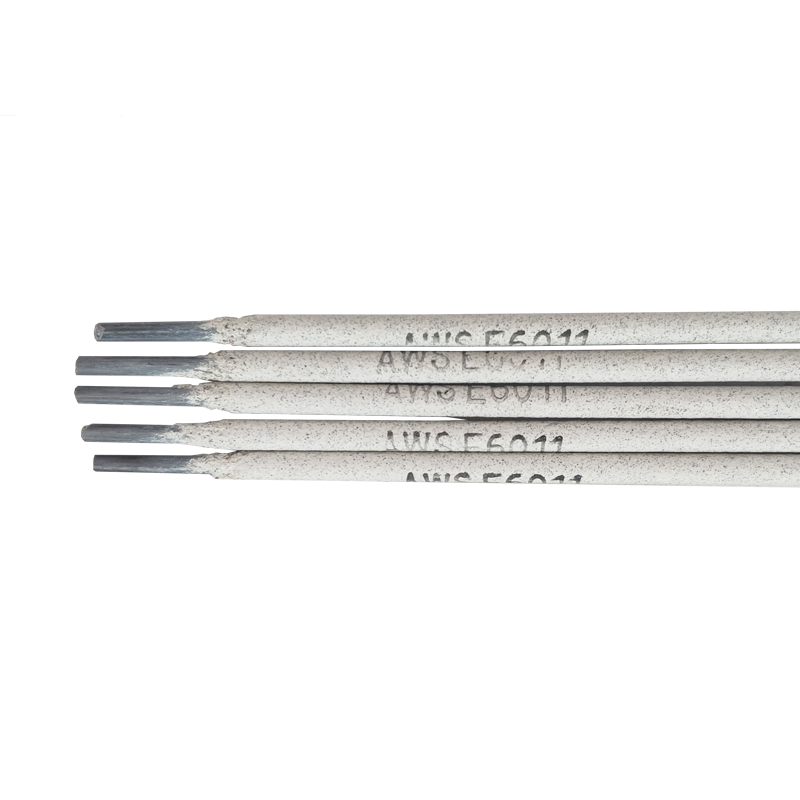
Peru's manufacturing landscape is heavily influenced by its diverse geography. In the Andean highlands, the extreme altitude and temperature fluctuations demand welding materials that maintain ductility and strength. The prevalence of mining infrastructure requires heavy-duty consumables like the big welding rod for repairing massive crushing equipment and structural supports.
In the humid coastal regions, moisture control becomes a critical technical hurdle. Traditional electrodes often suffer from hydrogen-induced cracking due to atmospheric humidity, driving a surge in demand for specialized wet welding electrodes that can operate efficiently in damp conditions without compromising the weld pool chemistry.
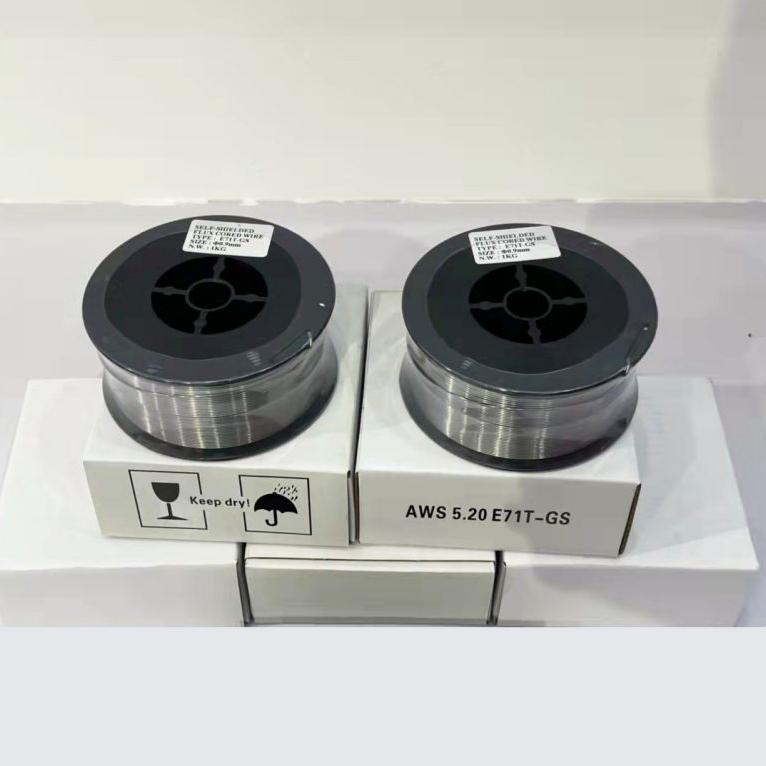
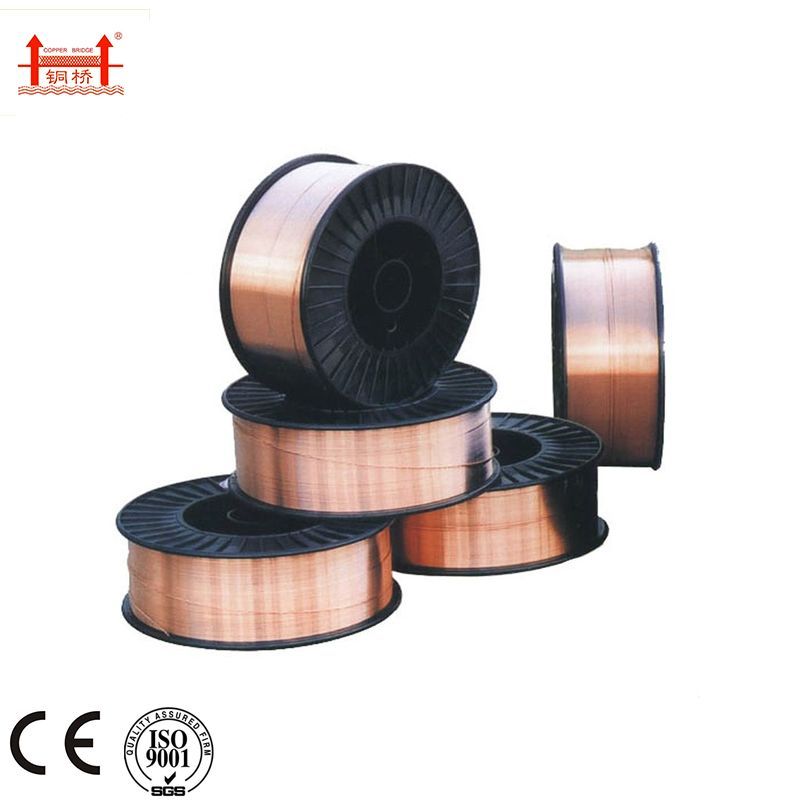
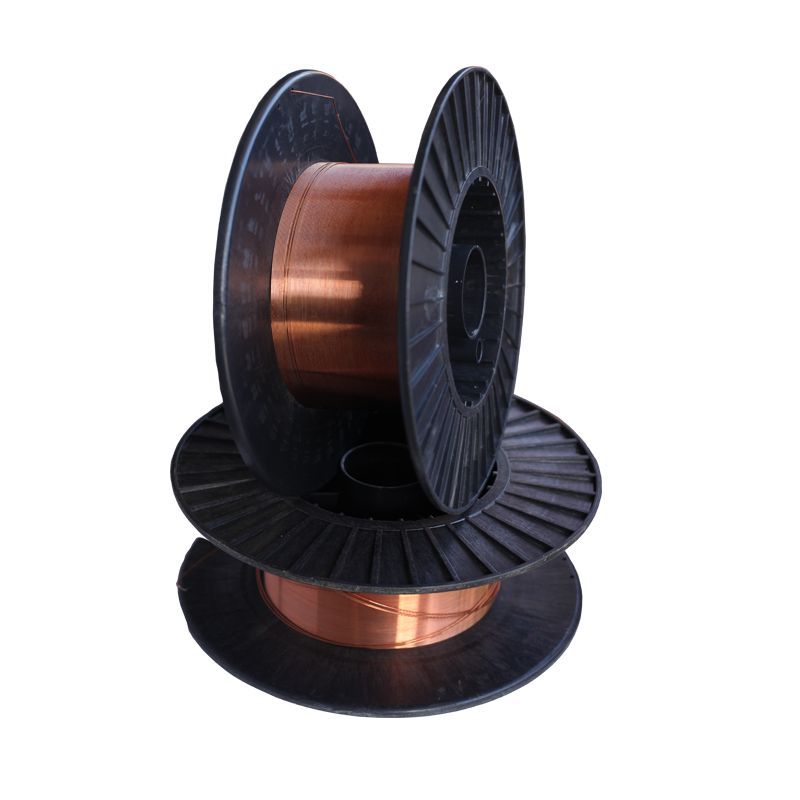
Economically, Peru is transitioning from basic fabrication to advanced metallurgical processing. This shift is evident in the increasing adoption of normal welding rod for general construction, while specialized industries are upgrading to automated systems that utilize high-precision wires for increased throughput.

 English
  Arabic
  Bengali
  China
China  French
  German
  Hausa
Hausa  Indonesian
  Italian
  Japanese
  Javanese
  Malay
Malay  Persian
  Portuguese
  Punjabi
  Russian
  Spanish
  Swahili
  Telugu
  Vietnamese