

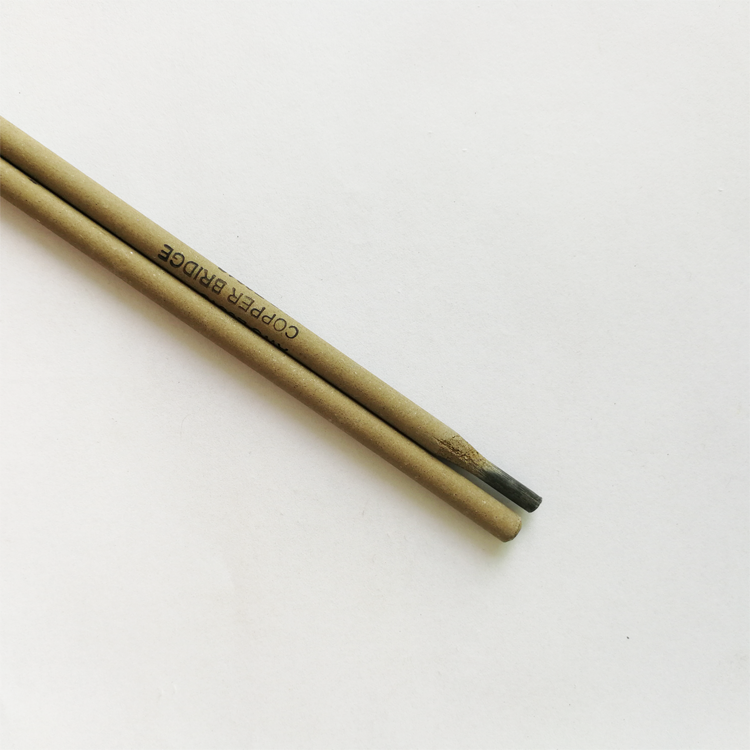
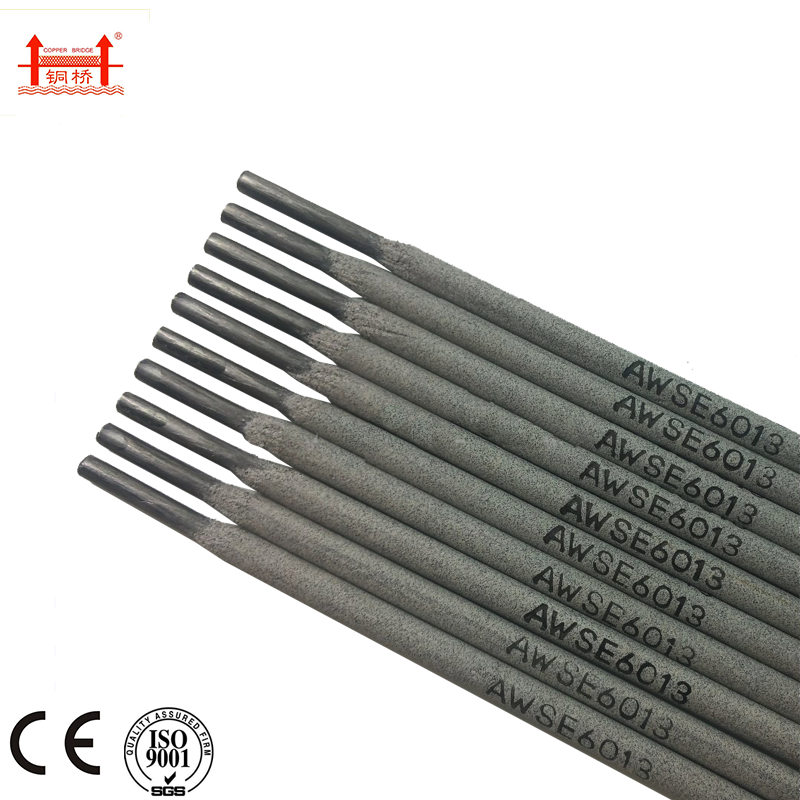
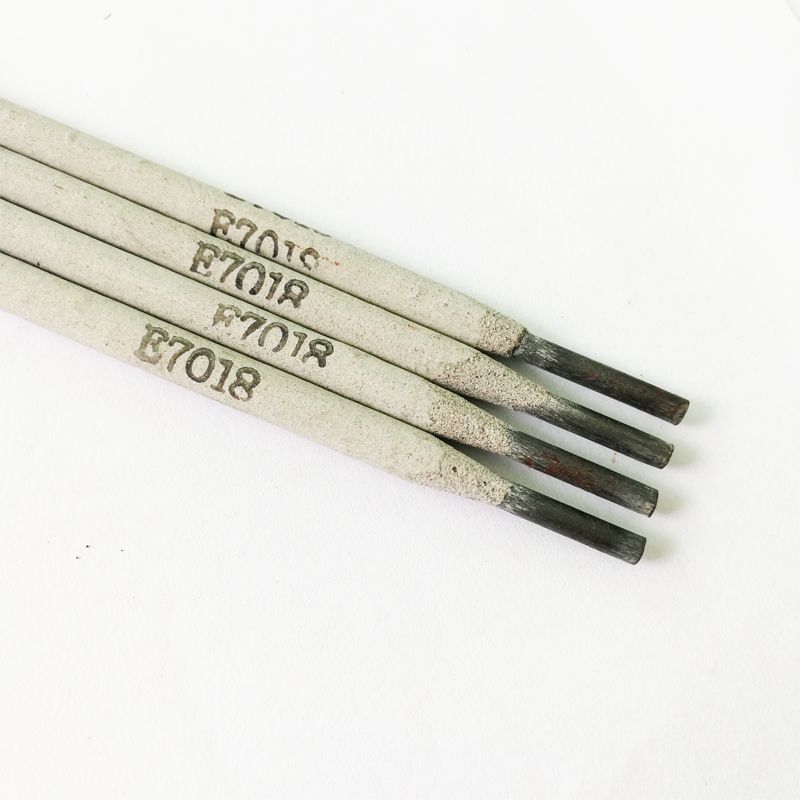
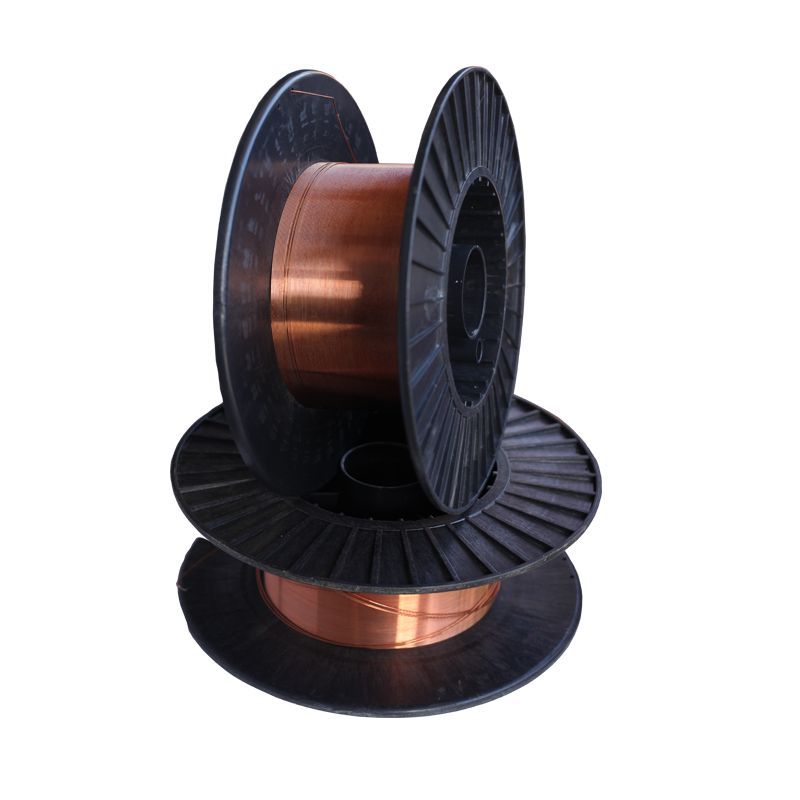
Bolivia's welding sector is heavily driven by the extractive industries, particularly lithium and silver mining in the Altiplano region. The extreme altitude and fluctuating temperatures create unique challenges for material ductility, necessitating the use of a normal welding rod that can maintain stability despite atmospheric pressure changes.
In the lowland regions, humidity and moisture penetration are significant concerns for onsite fabrication. This has led to an increased demand for wet welding electrodes, which are critical for maintaining weld quality in damp conditions where standard consumables would fail due to hydrogen-induced cracking.
Furthermore, the growth of urban infrastructure in La Paz and Santa Cruz has shifted the market toward efficiency. There is a notable transition from basic manual processes to high-deposition techniques, where a big welding rod is utilized to reduce downtime in heavy-duty structural steel assembly.

 English
  Arabic
  Bengali
  China
China  French
  German
  Hausa
Hausa  Indonesian
  Italian
  Japanese
  Javanese
  Malay
Malay  Persian
  Portuguese
  Punjabi
  Russian
  Spanish
  Swahili
  Telugu
  Vietnamese