

Comprehensive Guide to AWS E6013 Electrode: Applications, Benefits & Vendors

Comprehensive Guide to AWS E6013 Electrode: Applications, Benefits & Vendors
Nov . 27, 2025 10:35
Understanding the AWS E6013 Electrode: Why It Matters Worldwide
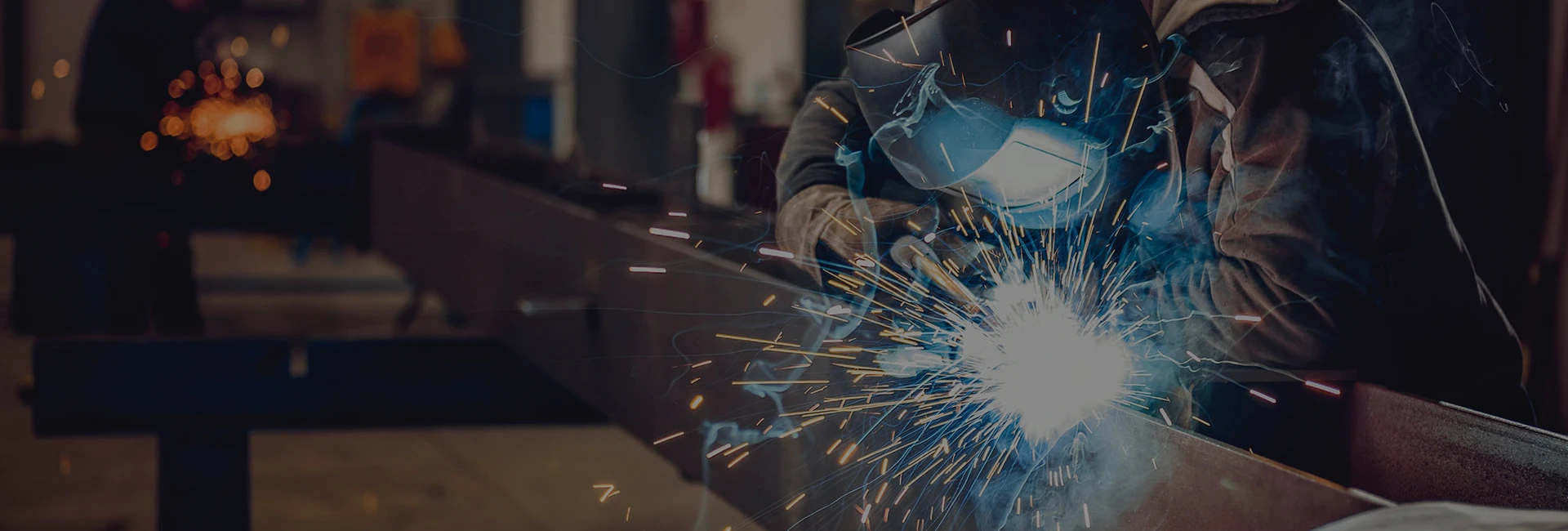
If you’ve ever peeked behind the scenes of construction, shipbuilding, or industrial repair, you might have noticed workers wielding a seemingly simple stick – the AWS E6013 electrode. This humble welding rod is one of the unsung heroes in global manufacturing and maintenance. It matters because, worldwide, industries rely on durable, versatile, and cost-effective methods to join metals. The AWS E6013 electrode meets that need while balancing ease of use with decent performance. Understanding it is key for engineers, fabricators, or anyone who's involved in metalwork to ensure strong, safe welds — whether building bridges in Nigeria or repairing pipelines in Canada.
Mini takeaway: Despite being just one type of welding electrode, AWS E6013 touches countless projects worldwide thanks to its simplicity and reliability.
Global Context: Welding Electrodes in Today’s Industry Landscape
Welding is a $40 billion industry globally and growing, fueled by manufacturing growth, infrastructure projects, and energy developments (World Bank, 2023). The AWS E6013 electrode, along with other consumables, reportedly accounts for a significant share of welding materials used on construction sites and fabrication workshops everywhere.
Why is this important? Welding failures can cause catastrophic accidents, so safety standards are high. The AWS E6013 electrode addresses a key challenge: balancing weld quality with ease of use for operators, even in less controlled environments like remote field jobs. Particularly in developing countries, affordable and forgiving electrodes help keep industries operational without sacrificing strength.
Mini takeaway: The demand for reliable welding consumables like the E6013 is global - spanning industrialized nations to emerging economies.
What Exactly Is an AWS E6013 Electrode?
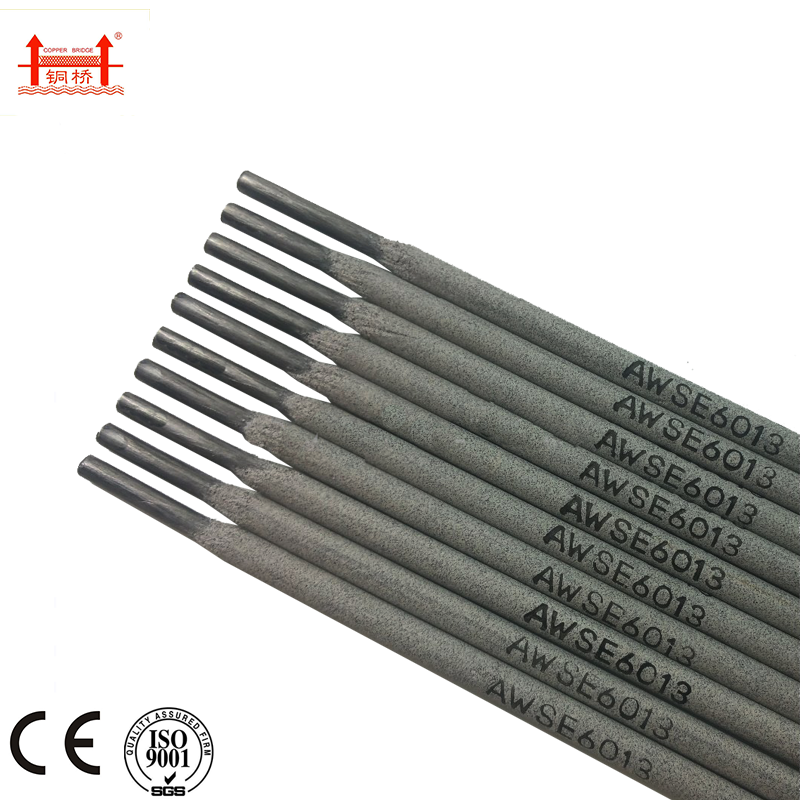
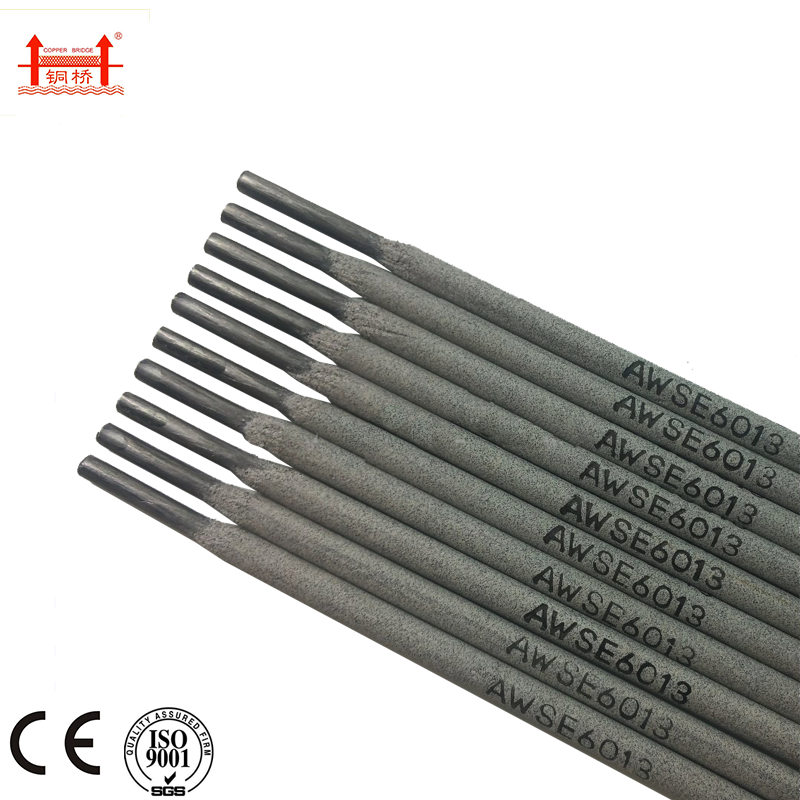
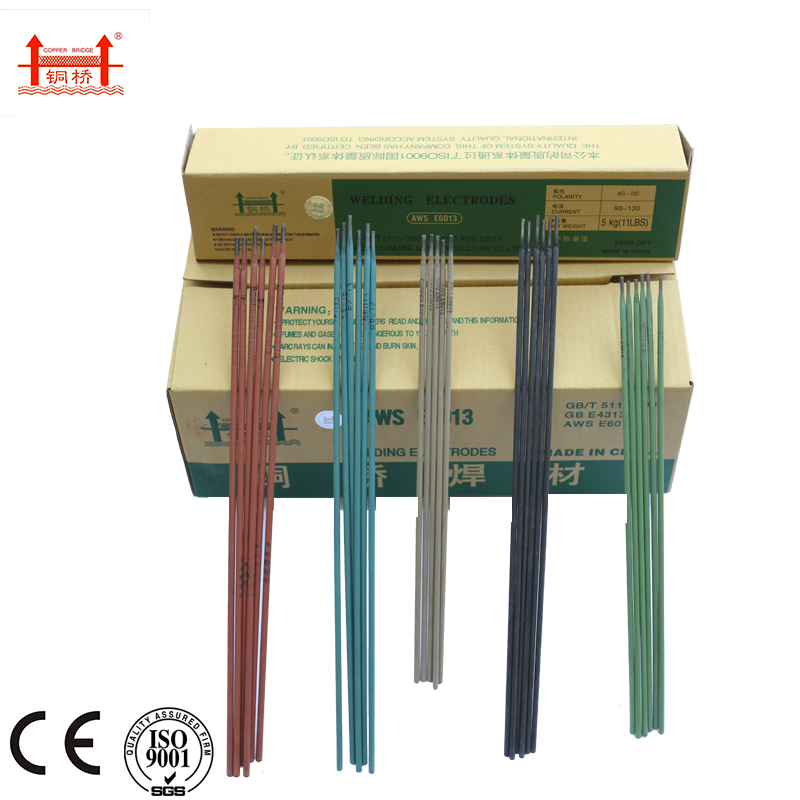
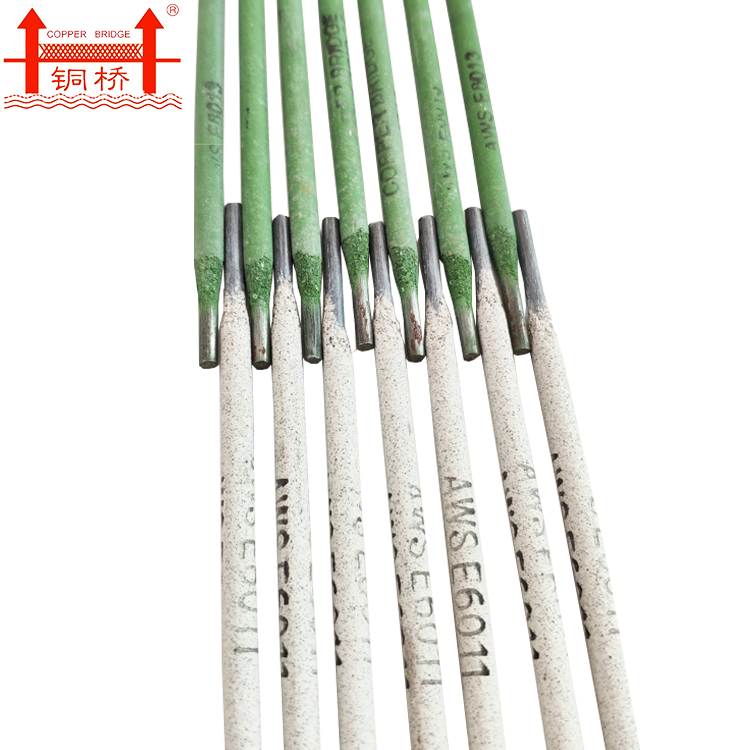
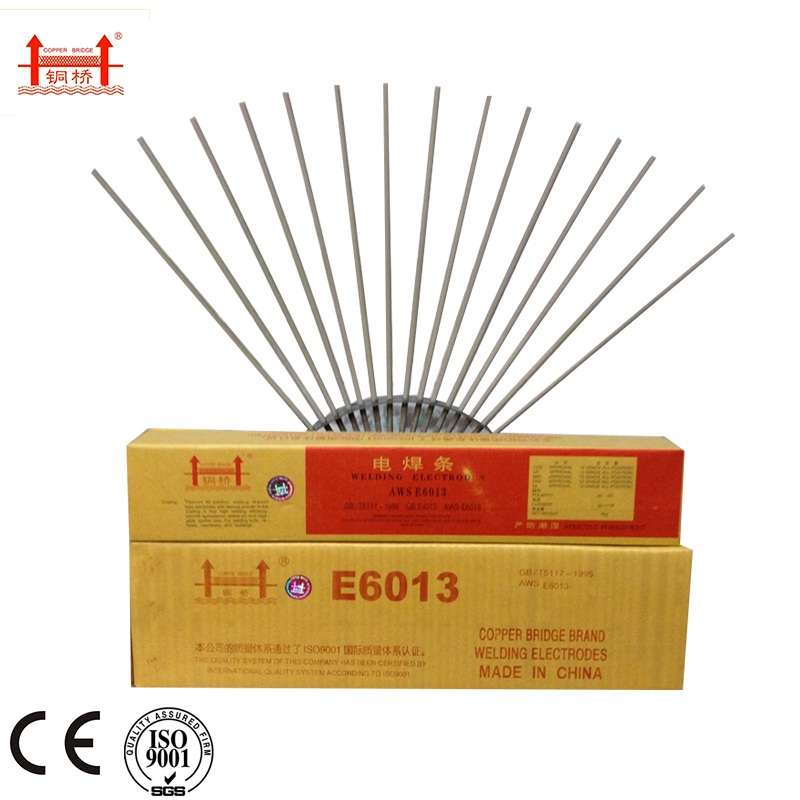
At its core, the AWS E6013 electrode is a mild steel covered electrode used primarily for shielded metal arc welding (SMAW). “AWS” refers to the American Welding Society standards, ensuring consistent performance. The “E” stands for “electrode,” “60” means it can handle 60,000 psi tensile strength, “1” references the welding position versatility (all-position), and “3” points to the electrode coating type.
In simpler words, it’s a welding rod designed for moderate penetration with a smooth, stable arc and a slag coating that’s easy to remove. It’s often the first choice for beginners or general-purpose industrial tasks — from patching pipelines to building structural steel frames.
This electrode’s reliability ties directly into broader industrial needs: humanitarian construction after natural disasters, maintaining transport infrastructure, and crafting agricultural equipment.
Mini takeaway: An aws e6013 electrode is a coated steel stick designed for versatile, reliable welding jobs across industries.
Core Attributes That Define AWS E6013 Electrodes
1. Versatile Welding Positions
The aws e6013 electrode is usable in flat, horizontal, vertical, and overhead welding — almost everywhere you’d need it. This flexibility is highly valued, especially on job sites where changing rods mid-project isn’t practical.
2. Smooth Arc and Easy Striking
Many welders appreciate the gentle arc of the AWS E6013. It starts easily and runs quietly, which reduces operator fatigue and slag inclusions, especially for novices.
3. Moderate Penetration Strength
The electrode offers controlled penetration depth. This makes it ideal for thinner metals or applications where too much heat could warp or damage the workpiece.
4. Cost-Effectiveness
Compared to other electrodes with more specialized characteristics, aws e6013 electrodes are affordable and widely available, making them staples in workshops globally.
5. Slag Formation and Cleanup
The flux coating on E6013 produces a soft, flaky slag that’s easy to chip off, leading to cleaner welds and less post-weld labor.
6. Suitable for Mild Steel
This electrode primarily welds mild steel; it’s not ideal for alloys or stainless steel. But since mild steel dominates construction and repairs, that's often not a drawback.
Mini takeaway: E6013’s ability to weld in all positions with a smooth arc and affordable cost make it a go-to electrode type.
Real-World Applications of the AWS E6013 Electrode
This electrode is everywhere — from bustling urban factories to remote mining camps. Here are some notable use cases:
- Infrastructure construction: Bridges, pipelines, and steel frames largely use mild steel welds with electrodes like AWS E6013 due to its reliability and versatility.
- Shipbuilding and repair: Many non-critical hull repairs rely on this electrode’s ease of use.
- Automotive repair: Collision shops find its clean slag and smooth arc ideal for quick fixes.
- Post-disaster rebuilding: NGOs rely on easy-to-wield welding rods like E6013 to rebuild damaged facilities fast.
- Remote industrial zones: Its forgiving nature means operators don’t need pristine conditions to get decent welds.
Mini takeaway: The E6013 finds versatile use in harsh, unpredictable settings, which is why it’s a staple from developed to developing economies.
Advantages & Long-Term Benefits of Using AWS E6013 Electrodes
The tangible benefits often boil down to cost, ease, and reliability. But there’s more:
- Cost Savings: Affordable price coupled with fewer welding defects translate into lower total project costs.
- Social Impact: Enables skill-building in emerging economies with simpler training curves.
- Safety and Trust: Reliable welds reduce infrastructure failures — a lifeline in critical sectors.
- Sustainability: Longer-lasting welds minimize rework and scrap metal.
- Innovative Edge: Continuous incremental improvements in flux coatings enhance arc stability and reduce fumes.
Mini takeaway: AWS E6013 electrodes tie economic sense with human and environmental value – a solid all-rounder.
Product Specifications: What to Expect from AWS E6013 Electrodes
| Specification | Details |
|---|---|
| Tensile Strength | 60,000 psi (approx. 415 MPa) |
| Welding Positions | Flat, horizontal, vertical, overhead (all-position) |
| Current Type | AC or DC+ |
| Arc Characteristics | Smooth, stable (soft arc) |
| Flux Coating Type | Rutile-based, providing easy slag removal |
| Diameter Range | 1.6 mm to 5.0 mm (approx. 1/16" to 3/16") |
Comparing Top Vendors of AWS E6013 Electrodes
| Vendor | Product Quality | Price Range (per kg) | Shipping Reach | Unique Selling Point |
|---|---|---|---|---|
| Jinlong Welding Electrode | High consistency & ISO certified | $4.5 – $6 | Global (30+ countries) | Strong manufacturing controls, stable supply |
| Lincoln Electric | Industry leader, premium quality | $6 – $8 | Worldwide | Innovative coatings & welding data |
| ESAB | Reliable with strong brand trust | $5 – $7 | Global presence | Wide product range and support |
Looking Ahead: Future Trends in AWS E6013 Electrode Use
The welding industry isn’t static – and E6013 electrodes, while classic, are evolving. Sustainability is a big driver: new flux coatings reduce hazardous fumes, making welding less harmful to operators and the environment. There’s also a push toward electrodes that seamlessly integrate with automated welding systems — both robotic and handheld. Plus, digital tracking of weld quality is growing, changing how consumables’ performance is monitored in real time.
Interesting tidbit: somewhere in a welding lab, scientists are playing with nano-alloy coatings that might one day give E6013 electrodes better corrosion resistance without losing their beloved arc stability. The big picture? More efficient, cleaner, and smarter welding solutions.
Mini takeaway: Expect greener, smarter, and more automated uses of the E6013 electrode soon.
Challenges to Watch Out For and How to Overcome Them
Though reliable, the aws e6013 electrode isn’t perfect. Its moderate penetration can be a limitation for heavy-duty structural welds, and it’s not ideal for high-strength alloys or stainless steel welding. Also, improper technique or poor current settings can lead to weak welds or slag inclusion — classic headaches for welders.
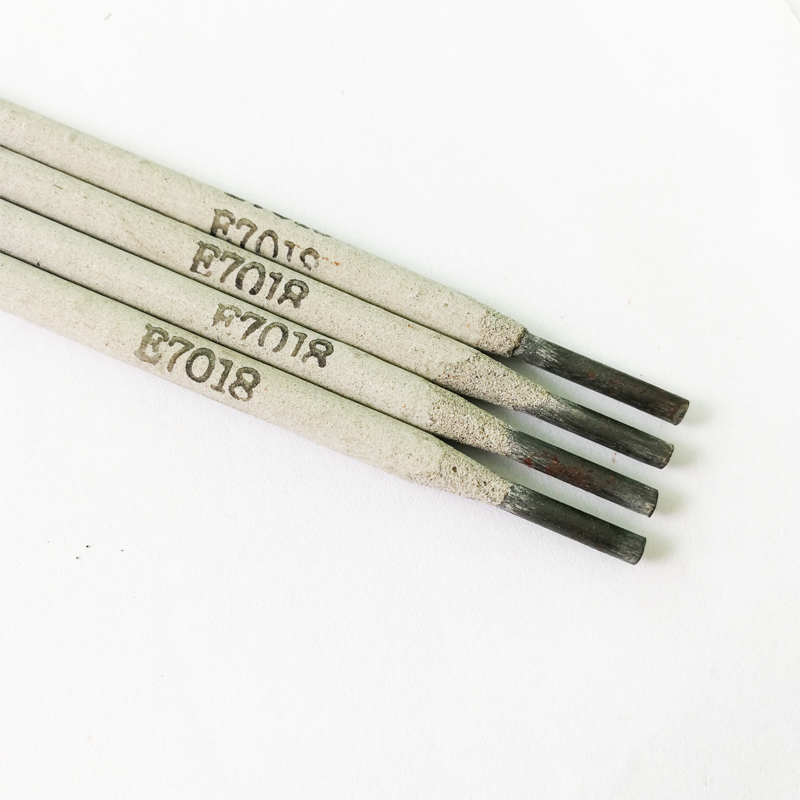
Experts recommend: pairing training with careful specification of electrodes, and in tougher applications, switching to higher penetration electrodes (like E7018). Frequent equipment calibration and following AWS standards are mandatory.
Mini takeaway: Good operator skill and application matching keep E6013 performing well, but be aware of its limits.
FAQ: Practical Questions About AWS E6013 Electrode
- Q: Can AWS E6013 electrodes be used for welding outdoors in windy conditions?
A: Yes, they’re quite forgiving in less-than-ideal environments because of their rutile-based flux which helps stabilize the arc, but shielding gas electrodes perform better in very windy conditions. - Q: How does AWS E6013 compare with E7018 electrodes?
A: E6013 is easier to use, smoother and ideal for thin materials and general-purpose welding, while E7018 offers deeper penetration and better impact toughness for critical welds. - Q: What sizes do AWS E6013 electrodes come in?
A: Typically from 1.6 mm (1/16") to 5 mm (3/16"), covering most welding needs from light repair to moderate fabrication. - Q: Is it possible to buy AWS E6013 electrodes in bulk for international shipping?
A: Yes, vendors like Jinlong Welding Electrode specialize in international orders with competitive wholesale pricing and reliable shipment to multiple countries.
Wrapping Up: Why AWS E6013 Electrode Still Holds Its Ground
In real terms, the AWS E6013 electrode is much more than a simple welding rod. It’s a practical companion worldwide — providing a user-friendly, effective, and affordable way to join metals reliably. From infrastructure rebuilding to everyday repairs across continents, it helps keep industries moving and people working safely. For anyone looking to source dependable welding consumables, understanding AWS E6013’s strengths and limitations is a no-brainer.
To explore more or get your hands on quality AWS E6013 electrodes, visit https://www.jinlongweldingelectrode.com. Welding might feel like just sparks and metal, but with the right tools, it’s really about building trust layer by layer.
References:

Related Video

Related News
2026-04-16 02:35:10
Precision Guide for e312 16 welding rod and Dissimilar Steel Welding
In the demanding world of industrial fabrication and repair, selecting the correct filler metal is the difference between a structural failure and a lifetime bond. The e312 16 welding rod is specifically engineered to meet the rigorous needs of welding dissimilar steels, offering an exceptional balance of strength and corrosion resistance. Whether you are working on high-pressure pipelines or heavy machinery components, understanding the nuances of this specialized electrode is key to achieving professional-grade results. This guide explores the technical advantages and practical applications of the E312 series to help you optimize your welding workflow.
2026-04-09 02:35:17
Choosing the Right cs to ss welding rod number Professional Guide
Joining carbon steel (CS) to stainless steel (SS) is a common challenge in industrial fabrication, requiring a precise understanding of metallurgy to avoid weld failure. The most critical decision in this process is identifying the correct cs to ss welding rod number to ensure a strong, corrosion-resistant bond. Using the wrong filler metal can lead to cracking or premature oxidation due to the different thermal expansion rates of the two materials. In this comprehensive guide, we will break down the technical specifications and selection criteria to help you achieve a professional-grade weld every time.
2026-04-07 02:25:29
Comprehensive Guide to 409 Welding Rod Selection and Optimal Usage
When it comes to welding applications requiring corrosion resistance and good weldability, the 409 welding rod is a frequently chosen option. This article provides a detailed overview of this versatile welding rod, exploring its composition, applications, benefits, and considerations for optimal use. Whether you’re a seasoned professional or new to welding, understanding the properties of 409 welding rod is crucial for achieving high-quality, durable welds. We’ll cover everything you need to know to make informed decisions for your welding projects.
2026-04-04 02:35:28
Comprehensive Guide to 330 Stainless Steel Welding Rod Applications and Techniques
330 stainless steel welding rods are a crucial component in various industries, offering exceptional corrosion resistance and high-temperature strength. This article provides an in-depth look at these rods, covering their properties, applications, choosing the right rod, welding techniques, safety precautions, and where to find high-quality options. Whether you're a seasoned welding professional or new to the field, this guide will offer valuable insights.
2026-03-31 02:35:08
Comprehensive Guide to 312 Stainless Tig Rod for Superior Welding Performance
When choosing the right filler metal for your TIG welding projects, especially in demanding applications, 312 stainless steel tig rod stands out for its exceptional corrosion resistance and high-temperature strength. This comprehensive guide will explore its composition, applications, benefits, and how it compares to other stainless steel rods. We'll also point you to resources for sourcing high-quality rods.
2026-03-28 02:45:04
Comprehensive Guide to 312 17 Welding Rod Applications and Technical Details
Welding rods are essential consumables in the welding process, and selecting the right one is crucial for achieving strong, durable, and high-quality welds. The 312 17 welding rod is a popular choice for many applications due to its unique properties and versatility. This article delves into the characteristics, applications, benefits, and considerations when using 312 17 welding rods, providing a comprehensive resource for welders and engineers alike. Choosing the right rod directly impacts the success and longevity of any welding project.
2026-03-26 02:35:10
Comprehensive Guide to the 312 16 Welding Rod for Superior Steel Welding
The 312 16 welding rod is a versatile and widely-used electrode in various welding applications. Known for its excellent weldability and strong mechanical properties, it's a go-to choice for professionals and hobbyists alike. This article delves into the specifics of this electrode, covering its composition, applications, advantages, and how to choose the right one for your projects. Understanding the nuances of the 312 16 welding rod is crucial for achieving high-quality, durable welds. The designation "312 16" provides key information about the welding rod. "312" refers to the type of flux coating, specifically a low-hydrogen, iron powder coating. This coating is designed to produce welds with excellent mechanical properties and good resistance to cracking. The "16" indicates the diameter of the rod in 32nds of an inch – so a 312 16 rod has a diameter of 16/32 or 1/2 inch. This combination makes it suitable for a wide range of steel welding applications. The low-hydrogen nature of the flux minimizes hydrogen-induced cracking, a common issue in welding certain steels.
2026-03-24 02:45:07
Comprehensive Guide to 309LSI TIG Rod Welding Applications and Best Practices
The 309LSI TIG rod is a versatile welding consumable widely used across various industries for its exceptional corrosion resistance and weldability. This article will explore the properties, applications, advantages, and best practices associated with using 309LSI TIG rods. Whether you're a seasoned welding professional or new to the field, this guide will provide you with valuable insights into maximizing the performance and longevity of your welds. The 309LSI TIG rod is a stainless steel electrode specifically designed for Gas Tungsten Arc Welding (GTAW), commonly known as TIG welding. The "309LSI" designation indicates the alloy composition: 309 signifies the chromium-nickel content, 'L' denotes low carbon content for enhanced corrosion resistance, and 'SI' signifies stabilized with silicon for improved resistance to carbide precipitation during welding.

 English
  Arabic
  Bengali
  China
China  French
  German
  Hausa
Hausa  Indonesian
  Italian
  Japanese
  Javanese
  Malay
Malay  Persian
  Portuguese
  Punjabi
  Russian
  Spanish
  Swahili
  Telugu
  Vietnamese