

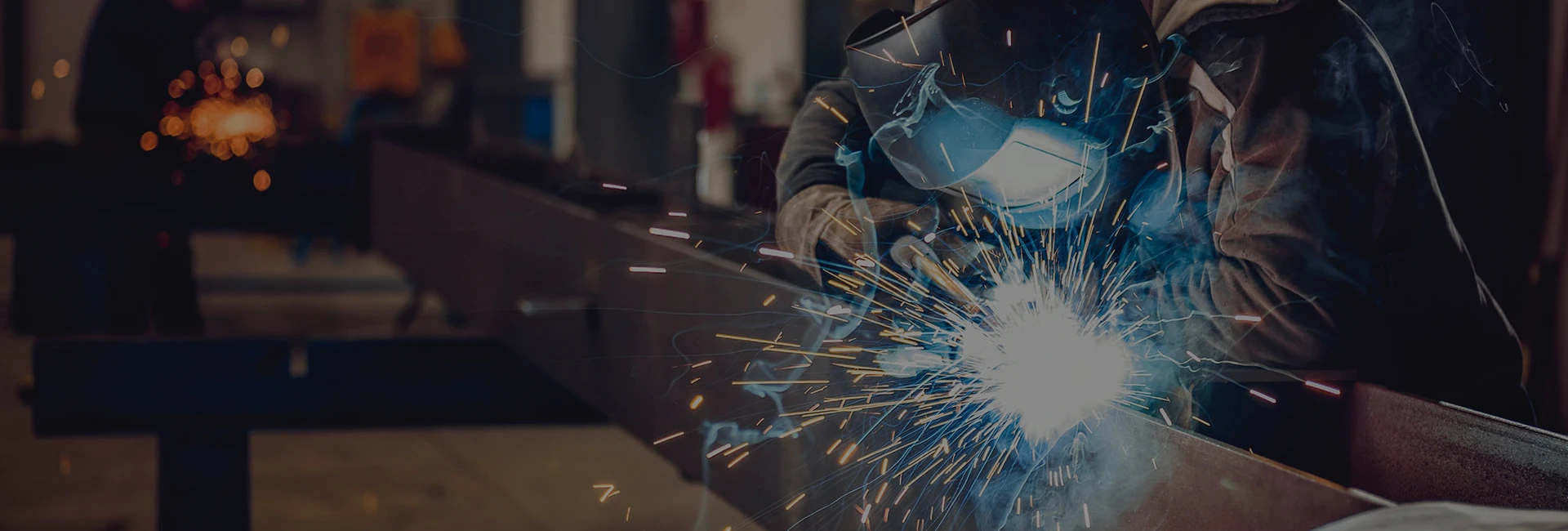
312 SS Welding Rod: Reliable Dissimilar Metal Welding Solutions

312 SS Welding Rod: Reliable Dissimilar Metal Welding Solutions
Jan . 03, 2026 07:20
Understanding the 312 SS Welding Rod: A Veteran’s Take
If you’ve been around the welding scene long enough—like I have—you’ll know there’s a handful of rods you either reach for daily or keep stashed as your “go-to” for those tricky alloys. The 312 SS welding rod definitely falls into the latter category for some, but frankly, it deserves more spotlight for what it brings to the table.
Oddly enough, this alloy rod has quietly made waves in sectors where corrosion resistance and high-temperature durability aren’t just buzzwords—they’re mission-critical. I remember the first time I had to weld a dissimilar joint between 304 and 309 stainless steel on a heat exchanger. The job called for something reliable, and that’s when 312 SS rods proved their mettle.
For those not deeply immersed in welding metallurgy, 312 stainless steel electrodes are designed primarily for dissimilar metal welding, especially where austenitic stainless steels and low alloy steels meet. This rod's chemical composition is tailored to bridge gaps both literally and figuratively—it provides robust mechanical strength, as well as excellent resistance to thermal cracking. Many engineers I’ve worked with comment on its versatility.
Now, let’s get a bit technical (but bear with me—it’s not dry). The 312 SS welding rod is characterized by a blend of approx 20% chromium and around 12% nickel in its composition, giving it that classic austenitic stainless structure. This mix is a sweet spot that helps the weld hold up under heat cycles and corrosive environments, which is why you’ll see it recommended for things like boilers, pressure vessels, and sometimes chemical processing equipment.
One thing I really appreciate is how it handles heat. In real terms, it’s not just about withstanding temperatures; it’s maintaining structural integrity across a range—think 1500°F and above—and do so with relatively low distortion. That’s a blessing in tight fabrication spaces where post-weld finishing options are limited.
| Specification | Detail |
|---|---|
| Classification | AWS A5.4 - E312 |
| Diameter | 1/16" - 5/32" |
| Current | DC+ or AC |
| Typical Applications | Dissimilar metal joining, Overlaying, Heat exchangers, Boiler construction |
| Material Composition | ~20% Cr, ~12% Ni, balance iron with minor Mn, Si, C |
One thing I noticed from working with various suppliers is that not all 312 rods are created equal. Some brands skimp on the flux coating or use inconsistent alloy base wires, which can lead to porosity or slag issues—things that can kill a weld job quietly but lethally. I’ve seen projects delayed for days because the rods didn’t lay down a clean bead. Lesson learned: always insist on certified, high-quality electrodes.
| Vendor | Flux Consistency | Weld Quality | Price Range | Certifications |
|---|---|---|---|---|
| Jinlong | Excellent | High (low spatter, clean bead) | $$ | ISO 9001, CE |
| Brand X | Fair | Moderate (some slag leftover) | $ | None |
| Brand Y | Good | Good (clean welds, slight porosity) | $$$ | ISO 9001 |
Speaking of customers, one site I visited in chemical plant maintenance showed me how their welding team swapped to 312 SS rods for certain hard-to-join stainless overlay repairs. They reduced downtime by nearly 30%, not because the rod itself was a miracle, but because it didn’t require multiple passes or complex heat treatments afterward. In a field where “time is money” is the daily mantra, that’s no small thing.
Customization and adaptability are the real perks here. You can get these rods in various diameters to suit thin gauge or heavy wall sections, and though the standard flux formula is pretty nailed down, some vendors provide tailored coatings for environments with elevated sulfur or chloride exposure. That kind of attention to the nitty-gritty is what separates top-tier suppliers from the run-of-the-mill ones.
So, if you’re on the fence or just curious, I’d say give the 312 SS welding rod a closer look. It’s not flashy, it doesn’t make headlines, but it quietly ensures joints hold fast under conditions many other rods would simply crack or corrode away. And honestly, it’s the quiet types that end up earning you repeat business on tough industrial projects.
For sourcing, the 312 SS welding rod by Jinlong has been a personal go-to for years—solid quality, consistent performance, and reliable certifications that you really want on critical jobs.
Anyway, that’s enough from me. I suppose the takeaway is: welding materials aren’t just commodities; they’re trusted partners in the field. Choose wisely.
References:
- American Welding Society, AWS A5.4 Specification
- “Welding Metallurgy of Stainless Steels,” L. Lancaster, 1991
- Field Notes from Chemical Plant Maintenance, 2023

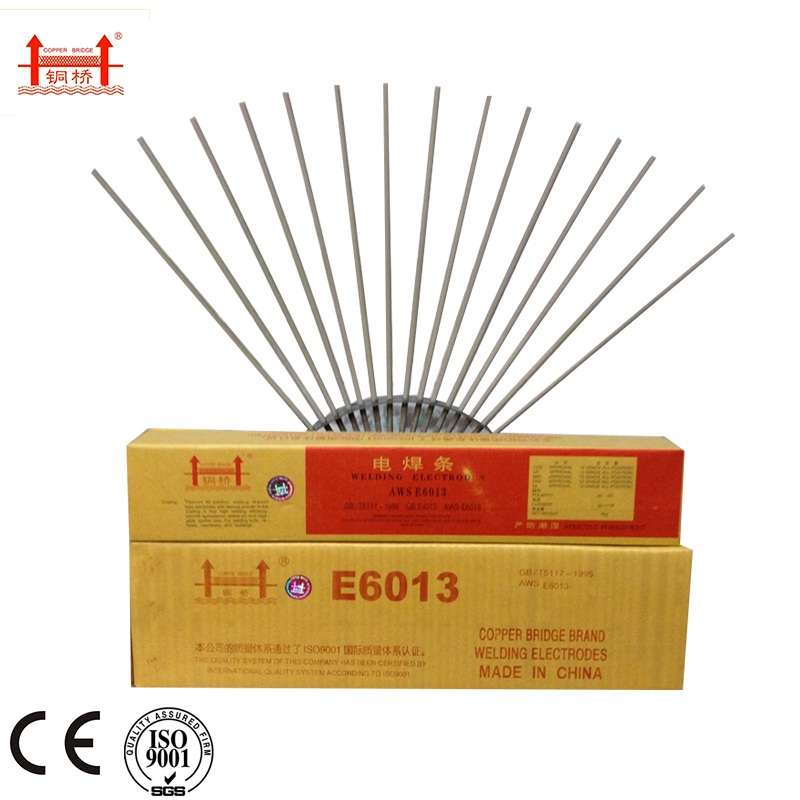
Related Video

Related News


2026-04-16 02:35:10
Precision Guide for e312 16 welding rod and Dissimilar Steel Welding
In the demanding world of industrial fabrication and repair, selecting the correct filler metal is the difference between a structural failure and a lifetime bond. The e312 16 welding rod is specifically engineered to meet the rigorous needs of welding dissimilar steels, offering an exceptional balance of strength and corrosion resistance. Whether you are working on high-pressure pipelines or heavy machinery components, understanding the nuances of this specialized electrode is key to achieving professional-grade results. This guide explores the technical advantages and practical applications of the E312 series to help you optimize your welding workflow.
2026-04-09 02:35:17
Choosing the Right cs to ss welding rod number Professional Guide
Joining carbon steel (CS) to stainless steel (SS) is a common challenge in industrial fabrication, requiring a precise understanding of metallurgy to avoid weld failure. The most critical decision in this process is identifying the correct cs to ss welding rod number to ensure a strong, corrosion-resistant bond. Using the wrong filler metal can lead to cracking or premature oxidation due to the different thermal expansion rates of the two materials. In this comprehensive guide, we will break down the technical specifications and selection criteria to help you achieve a professional-grade weld every time.
2026-04-07 02:25:29
Comprehensive Guide to 409 Welding Rod Selection and Optimal Usage
When it comes to welding applications requiring corrosion resistance and good weldability, the 409 welding rod is a frequently chosen option. This article provides a detailed overview of this versatile welding rod, exploring its composition, applications, benefits, and considerations for optimal use. Whether you’re a seasoned professional or new to welding, understanding the properties of 409 welding rod is crucial for achieving high-quality, durable welds. We’ll cover everything you need to know to make informed decisions for your welding projects.
2026-04-04 02:35:28
Comprehensive Guide to 330 Stainless Steel Welding Rod Applications and Techniques
330 stainless steel welding rods are a crucial component in various industries, offering exceptional corrosion resistance and high-temperature strength. This article provides an in-depth look at these rods, covering their properties, applications, choosing the right rod, welding techniques, safety precautions, and where to find high-quality options. Whether you're a seasoned welding professional or new to the field, this guide will offer valuable insights.
2026-03-31 02:35:08
Comprehensive Guide to 312 Stainless Tig Rod for Superior Welding Performance
When choosing the right filler metal for your TIG welding projects, especially in demanding applications, 312 stainless steel tig rod stands out for its exceptional corrosion resistance and high-temperature strength. This comprehensive guide will explore its composition, applications, benefits, and how it compares to other stainless steel rods. We'll also point you to resources for sourcing high-quality rods.
2026-03-28 02:45:04
Comprehensive Guide to 312 17 Welding Rod Applications and Technical Details
Welding rods are essential consumables in the welding process, and selecting the right one is crucial for achieving strong, durable, and high-quality welds. The 312 17 welding rod is a popular choice for many applications due to its unique properties and versatility. This article delves into the characteristics, applications, benefits, and considerations when using 312 17 welding rods, providing a comprehensive resource for welders and engineers alike. Choosing the right rod directly impacts the success and longevity of any welding project.
2026-03-26 02:35:10
Comprehensive Guide to the 312 16 Welding Rod for Superior Steel Welding
The 312 16 welding rod is a versatile and widely-used electrode in various welding applications. Known for its excellent weldability and strong mechanical properties, it's a go-to choice for professionals and hobbyists alike. This article delves into the specifics of this electrode, covering its composition, applications, advantages, and how to choose the right one for your projects. Understanding the nuances of the 312 16 welding rod is crucial for achieving high-quality, durable welds. The designation "312 16" provides key information about the welding rod. "312" refers to the type of flux coating, specifically a low-hydrogen, iron powder coating. This coating is designed to produce welds with excellent mechanical properties and good resistance to cracking. The "16" indicates the diameter of the rod in 32nds of an inch – so a 312 16 rod has a diameter of 16/32 or 1/2 inch. This combination makes it suitable for a wide range of steel welding applications. The low-hydrogen nature of the flux minimizes hydrogen-induced cracking, a common issue in welding certain steels.
2026-03-24 02:45:07
Comprehensive Guide to 309LSI TIG Rod Welding Applications and Best Practices
The 309LSI TIG rod is a versatile welding consumable widely used across various industries for its exceptional corrosion resistance and weldability. This article will explore the properties, applications, advantages, and best practices associated with using 309LSI TIG rods. Whether you're a seasoned welding professional or new to the field, this guide will provide you with valuable insights into maximizing the performance and longevity of your welds. The 309LSI TIG rod is a stainless steel electrode specifically designed for Gas Tungsten Arc Welding (GTAW), commonly known as TIG welding. The "309LSI" designation indicates the alloy composition: 309 signifies the chromium-nickel content, 'L' denotes low carbon content for enhanced corrosion resistance, and 'SI' signifies stabilized with silicon for improved resistance to carbide precipitation during welding.

 English
  Arabic
  Bengali
  China
China  French
  German
  Hausa
Hausa  Indonesian
  Italian
  Japanese
  Javanese
  Malay
Malay  Persian
  Portuguese
  Punjabi
  Russian
  Spanish
  Swahili
  Telugu
  Vietnamese