

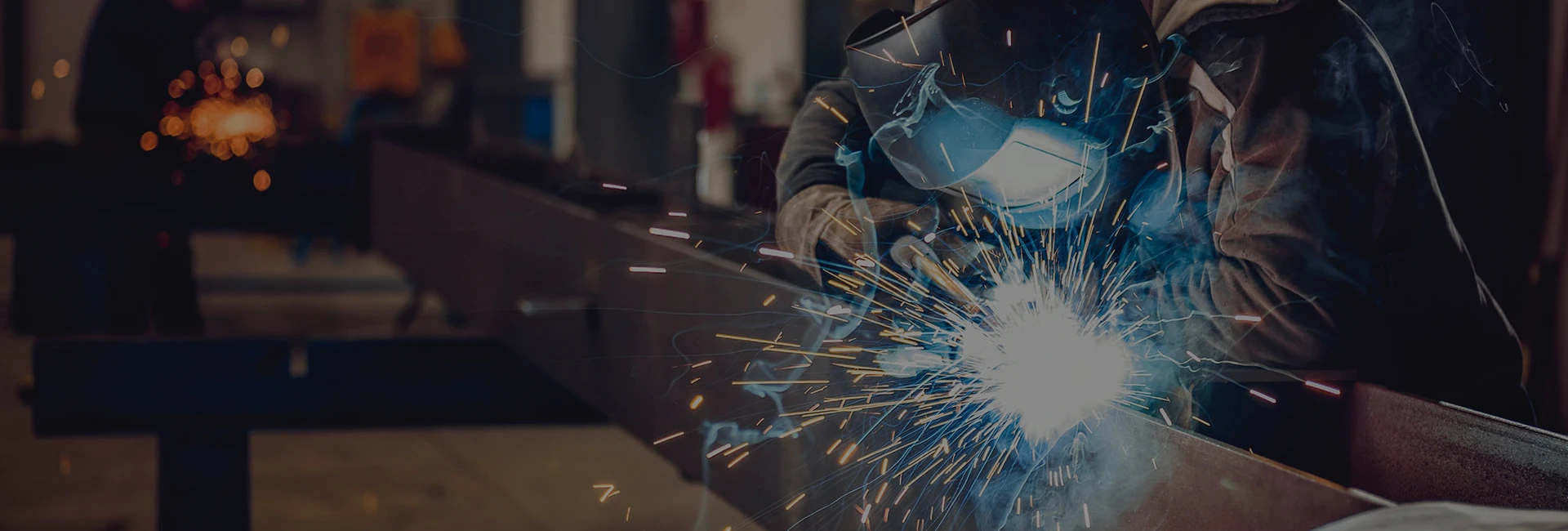
Superior Argon Arc Welding Wire: Precision, Strength & Purity

Superior Argon Arc Welding Wire: Precision, Strength & Purity
Sep . 22, 2025 12:10
Driving Precision and Performance in Advanced Fabrication
In the realm of high-performance materials joining, the choice of filler metal is paramount. Modern industrial sectors, ranging from aerospace to marine, demand welding solutions that offer not only structural integrity but also exceptional resistance to corrosion and fatigue. This is where high-quality argon arc welding wire plays a critical role. Specifically, advanced aluminum-magnesium alloys like the 5356 series have emerged as indispensable for applications requiring high tensile strength, excellent ductility, and superior corrosion resistance in saltwater environments.
The increasing sophistication of manufacturing processes necessitates filler materials that can withstand stringent operational demands. Industry trends indicate a consistent shift towards lightweighting, exemplified by sectors such as electric vehicle manufacturing and renewable energy infrastructure. This drives significant demand for specialized aluminum welding solutions. The precise control offered by TIG (Tungsten Inert Gas) welding, often referred to as argon arc welding, combined with a meticulously engineered filler wire, ensures the metallurgical soundness required for critical applications.
The Meticulous Manufacturing Process of Advanced Welding Wire
The production of high-grade argon arc welding wire, such as the Aluminum Magnesium 5356 alloy, is a multi-stage, precision-controlled process designed to ensure consistent quality and performance. Each step is critical in achieving the desired metallurgical properties and dimensional accuracy.
Process Flow for Aluminum Magnesium 5356 Argon Arc Welding Wire:
- 1. Material Selection & Alloying: High-purity aluminum and magnesium, along with precise quantities of other alloying elements like chromium and manganese, are carefully selected. These raw materials undergo strict chemical analysis to meet international standards (e.g., AWS A5.10/A5.10M). They are melted in controlled furnaces to form a homogeneous alloy.
- 2. Continuous Casting: The molten alloy is then continuously cast into billets or rods. This process ensures a uniform grain structure and minimizes defects, laying the foundation for consistent wire properties.
- 3. Rod Rolling & Hot Extrusion: The cast billets are subjected to hot rolling or extrusion, reducing their diameter and further refining the grain structure. This step enhances mechanical properties and prepares the material for subsequent drawing processes.
- 4. Multi-Stage Cold Drawing: The rods undergo multiple stages of cold drawing through dies. This reduces the wire diameter incrementally to its final specified gauge. Each drawing pass strengthens the wire and improves its surface finish. Intermediate annealing might be performed to restore ductility for further drawing.
- 5. Surface Cleaning & Shaving: The wire surface is meticulously cleaned and often shaved to remove any surface impurities, oxides, or drawing lubricants. This is crucial for optimal arc stability and weld puddle cleanliness during the actual welding process.
- 6. Spooling & Packaging: The finished wire is precision-wound onto spools or coils, ensuring tangle-free feeding during welding. Specialized packaging, often vacuum-sealed or desiccant-packed, protects the wire from moisture and contamination until use.
- 7. Quality Control & Testing: Throughout the entire process, rigorous quality control measures are implemented. This includes chemical analysis, mechanical property testing (tensile strength, yield strength, elongation), dimensional checks, and weldability tests. Adherence to standards like ISO 9001 and AWS A5.10/A5.10M is strictly maintained.
The resulting wire offers a superior service life, particularly in demanding environments. Target industries include petrochemical (storage tanks, pipelines), metallurgy (lightweight structural components), and water supply & drainage (corrosion-resistant piping). In typical application scenarios, this wire demonstrates significant advantages in energy saving due to efficient welding characteristics and exceptional corrosion resistance, reducing maintenance costs over the product's lifespan.
Technical Specifications and Unmatched Advantages
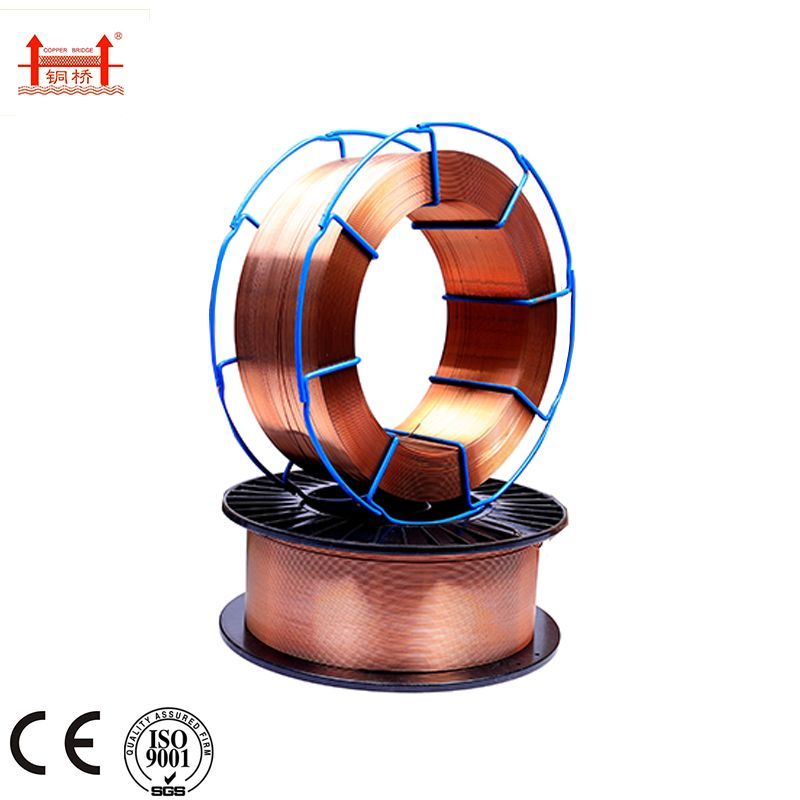
The Aluminum Magnesium 5356 alloy is a non-heat-treatable, high-strength welding wire, widely recognized for its versatility and robust performance. Its specific chemical composition and resulting mechanical properties make it suitable for a broad spectrum of critical applications. This argon arc welding wire is particularly effective for welding 5XXX series alloys where magnesium is the primary alloying element.
Aluminum Magnesium 5356 Argon Arc Welding Wire - Key Specifications:
| Parameter | Value / Description |
|---|---|
| Alloy Type | Aluminum Magnesium 5356 |
| AWS Classification | ER5356 (for MIG and TIG) |
| Primary Application | Welding 5XXX series aluminum alloys (e.g., 5050, 5052, 5083, 5456) and joining 6XXX series alloys to 5XXX series. |
| Tensile Strength (as welded) | 262 MPa (38 ksi) typical |
| Yield Strength (as welded) | 124 MPa (18 ksi) typical |
| Elongation (as welded) | 25% typical |
| Chemical Composition (wt% approx.) | Mg: 4.5-5.5%, Cr: 0.05-0.20%, Mn: 0.05-0.20%, Ti: 0.06-0.20%, Fe+Si: <0.5%, Other: <0.15%, Al: Balance |
| Melting Range | 571 - 635 °C (1060 - 1175 °F) |
| Post-Weld Heat Treatability | Non-heat treatable (strength derived from solid solution strengthening of Mg) |
| Corrosion Resistance | Excellent in marine and industrial atmospheres |
| Typical Diameters (mm) | 0.8, 1.0, 1.2, 1.6, 2.4, 3.2, 4.0, 4.8 (depending on application) |
Technical Advantages:
- High Strength-to-Weight Ratio: Ideal for lightweighting applications in aerospace and automotive.
- Exceptional Corrosion Resistance: Particularly in marine environments, making it a preferred choice for shipbuilding and offshore structures.
- Good Ductility: Allows for good formability and resistance to cracking, even in complex weldments.
- Excellent Weldability: Provides stable arc characteristics, minimal spatter, and good flow for TIG and MIG processes.
- Anodizing Match: Offers a relatively good color match when anodized with other 5XXX and 6XXX series alloys, important for aesthetic and protective finishes.
- Wide Operating Temperature Range: Maintains mechanical properties across varying service temperatures.
These characteristics make the Aluminum Magnesium 5356 argon arc welding wire a superior choice for industries that cannot compromise on strength, durability, and resistance to environmental degradation.
Diverse Application Scenarios and Proven Case Studies
The versatility of Aluminum Magnesium 5356 argon arc welding wire extends across numerous high-demand industrial sectors. Its unique combination of strength, ductility, and corrosion resistance makes it a preferred filler material for critical joining applications.
Typical Application Areas:
- Marine & Shipbuilding: Construction of boat hulls, offshore platforms, docks, and other marine components exposed to saltwater. Its excellent corrosion resistance in marine environments is a primary driver.
- Automotive Industry: Fabrication of lightweight chassis, engine mounts, and other structural components for modern vehicles, including electric vehicles, where weight reduction is crucial.
- Aerospace Sector: Welding of aircraft components, fuel tanks, and structural frames where high strength-to-weight ratios are paramount for fuel efficiency and performance.
- Pressure Vessels & Storage Tanks: Construction of container111s for various liquids and gases, requiring robust, leak-proof welds that can withstand internal pressures and corrosive contents.
- Bicycle Frames & Sports Equipment: High-performance bicycle frames and other sports gear benefit from the strength and lightweight properties.
- General Fabrication: Used in numerous general aluminum fabrication projects where strength and durability are required.
Application Case Studies:
Case Study 1: Marine Vessel Construction
A major shipbuilding company utilized our Aluminum Magnesium 5356 welding wire for fabricating the superstructure of a new patrol vessel. The client reported significantly improved weld quality with reduced porosity compared to previous filler materials. The superior corrosion resistance of the welds ensures a prolonged service life in harsh saltwater conditions, validated by accelerated salt spray tests. This resulted in a 15% reduction in post-weld repair rates and an estimated 10-year extension in the structural integrity lifespan.
Case Study 2: Aerospace Component Assembly
An aerospace manufacturer required robust, lightweight welding for critical engine housing components. By employing our 5356 argon arc welding wire, they achieved consistently high-strength welds that met stringent aerospace tensile and fatigue specifications (e.g., AMS-STD-2219). The excellent feedability and arc characteristics contributed to a 20% increase in production efficiency and a 5% reduction in material waste due to fewer rework requirements.
Comparative Analysis of Welding Technologies
Understanding the distinctions between various arc welding processes is crucial for selecting the optimal method and filler material for any given application. The choice often comes down to balancing precision, speed, cost, and material compatibility. This section addresses common comparative queries, including `mig welding vs arc welding`, `arc and mig welding difference`, `arc mig and tig welding`, `arc or mig what is better`, `arc welding vs argon welding`, `co2 welding vs arc welding`, and `difference between tig welding and arc welding`.
Why is Argon Used in Arc Welding?
Argon is an inert gas, meaning it does not react chemically with molten metals. In TIG (Tungsten Inert Gas) welding, often broadly referred to as argon arc welding, argon creates a protective shield around the weld puddle and electrode, preventing atmospheric contamination (oxygen, nitrogen) that would otherwise lead to porosity, embrittlement, and inferior mechanical properties in the weld. This is why argon is indispensable for achieving high-quality welds, particularly with reactive metals like aluminum and stainless steel.
TIG, MIG, and SMAW for Aluminum Welding: A Comparison
| Feature | TIG Welding (Argon Arc Welding) | MIG Welding (GMAW) | SMAW (Stick Welding) |
|---|---|---|---|
| Precision & Control | Highest, excellent for thin materials and critical joints. | Good, faster than TIG, suitable for thicker materials. | Limited for aluminum, not typically recommended due to flux. |
| Speed | Slowest, but yields highest quality. | Fastest, high deposition rates. | Moderate, but creates slag. |
| Shielding Gas | Pure Argon (essential for aluminum). | Pure Argon or Argon/Helium mixtures (for aluminum). | Flux coating on electrode creates gas shield; not effective for aluminum. |
| Filler Material | Separate rod (e.g., argon arc welding wire 5356). | Continuously fed wire from spool (e.g., 5356 MIG wire). | Coated electrode. |
| Cleanliness | Very clean welds, minimal post-weld cleaning. | Clean welds, some spatter possible. | Significant slag, requires chipping. |
| Cost (Equipment) | Higher initial investment for AC/DC TIG machines. | Moderate initial investment. | Lowest initial investment. |
While MIG welding (GMAW) is faster and often preferred for thicker materials and production runs, TIG welding (argon arc welding) offers unparalleled control and precision, making it the preferred method for critical applications, thin materials, and aesthetic welds. `CO2 welding vs arc welding` highlights the difference in shielding gas, where CO2 is reactive and used for steel, while argon (or argon mixes) is used for a broader range of materials, especially non-ferrous alloys. `Arc or MIG what is better` depends entirely on the application's specific needs for speed, precision, and material type.
Choosing Your Partner: Vendor Comparison & Custom Solutions
Selecting the right supplier for argon arc welding wire is as critical as choosing the wire itself. A reliable vendor offers not just products, but a partnership built on quality, technical expertise, and responsive support. Key factors for vendor comparison include certifications, material traceability, R&D capabilities, and the ability to provide customized solutions.
Key Considerations for Vendor Selection:
- Certifications and Compliance: Verify adherence to international standards like ISO 9001, AWS A5.10, CE, and specific industry qualifications (e.g., aerospace AMS specifications).
- Traceability: Ensure complete material traceability from raw materials to the final product, crucial for quality assurance and compliance in regulated industries.
- Technical Support & Expertise: A vendor with deep technical knowledge can offer invaluable guidance on material selection, welding parameters, and troubleshooting.
- R&D Capabilities: An innovative supplier continuously invests in research and development to improve existing products and develop new alloys, keeping pace with evolving industry demands.
- Reliability and Lead Times: Consistent product availability and predictable lead times are essential for managing production schedules.
Customized Solutions for Unique Requirements:
While standard Aluminum Magnesium 5356 is highly versatile, certain applications may demand specific modifications. We offer customized solutions, including:
- Special Diameters and Lengths: Producing wires in non-standard diameters or cut lengths to suit unique machinery or project requirements.
- Tailored Packaging: Custom spool sizes, precise weight configurations, or specialized moisture-barrier packaging for extreme environments.
- Alloy Modifications: For highly specialized applications, minor adjustments to alloy composition can be explored to optimize specific properties (e.g., enhanced fluidity, altered mechanical properties) while maintaining performance integrity.
- Application-Specific Testing: Conducting bespoke testing protocols to validate performance under specific customer operating conditions.
Ensuring Trust: Certifications, Support, and Guarantees
At Jinlong Welding Electrode, we understand that trust is built on verifiable credentials and unwavering support. Our commitment to excellence is underpinned by rigorous adherence to international standards, comprehensive customer service, and transparent business practices.
Authoritative Certifications & Quality Assurance:
- ISO 9001 Certified: Our manufacturing processes are consistently managed and controlled to meet the highest quality management standards, ensuring product reliability.
- AWS A5.10 Compliant: All our aluminum welding wires, including the 5356 argon arc welding wire, strictly conform to American Welding Society specifications, guaranteeing chemical composition and mechanical performance.
- CE Mark: Our products meet the health, safety, and environmental protection standards for products sold within the European Economic Area.
- Years of Service: With decades of experience in the welding consumables industry, Jinlong has established itself as a trusted partner for global enterprises. Our extensive client portfolio includes leading firms in marine engineering, automotive manufacturing, and aerospace.
Frequently Asked Questions (FAQ):
Q1: What are the storage requirements for Aluminum Magnesium 5356 welding wire?
A1: Store in a dry, well-ventilated area, away from direct sunlight and moisture. Keep in original, sealed packaging until use to prevent oxidation and contamination.
Q2: Can 5356 welding wire be used for welding other aluminum alloys?
A2: Yes, ER5356 is excellent for welding 5XXX series alloys (e.g., 5052, 5083, 5456). It can also be used to join 6XXX series alloys to 5XXX series where optimal tensile strength and corrosion resistance are desired.
Q3: What shielding gas is recommended for TIG welding with 5356?
A3: Pure argon (99.998% or higher purity) is the standard and most recommended shielding gas for TIG welding aluminum, including with 5356 argon arc welding wire, to ensure maximum penetration and prevent porosity.
Logistics & Support:
- Lead Time & Fulfillment: Standard orders typically process within 7-14 business days, with expedited options available for urgent requirements. Large volume or customized orders will have specific lead times communicated clearly during quotation.
- Warranty Commitments: All products are backed by a comprehensive quality warranty, guaranteeing materials and workmanship to be free from defects for a specified period, in accordance with industry standards and our terms of sale.
- Customer Support: Our dedicated technical support team is available to assist with product selection, application guidance, troubleshooting, and post-sales inquiries. Contact us via phone, email, or our online portal for prompt assistance.
Conclusion: The Future of High-Performance Welding
The Aluminum Magnesium 5356 argon arc welding wire stands as a testament to advanced material science and precision engineering. As industries continue to push the boundaries of design and performance, the demand for welding consumables that offer uncompromising quality, reliability, and versatility will only grow. This specialized wire provides the necessary strength, corrosion resistance, and weldability to meet the rigorous demands of aerospace, marine, automotive, and other critical fabrication sectors. Partnering with a trusted manufacturer ensures access to not only superior products but also the technical expertise and support vital for project success and long-term operational efficiency.
References:
- American Welding Society (AWS). AWS A5.10/A5.10M:2017 Specification for Bare Aluminum and Aluminum-Alloy Welding Electrodes and Rods.
- ASM International. (2001). ASM Handbook, Vol 6: Welding, Brazing, and Soldering.
- Miller Electric Mfg. LLC. Welding Aluminum. Available at: https://www.millerwelds.com/resources/article-library/welding-aluminum
- Aluminum Association. The Aluminum Design Manual.
- International Organization for Standardization (ISO). ISO 9001:2015 Quality Management Systems.

Related Video

Related News


2026-04-16 02:35:10
Precision Guide for e312 16 welding rod and Dissimilar Steel Welding
In the demanding world of industrial fabrication and repair, selecting the correct filler metal is the difference between a structural failure and a lifetime bond. The e312 16 welding rod is specifically engineered to meet the rigorous needs of welding dissimilar steels, offering an exceptional balance of strength and corrosion resistance. Whether you are working on high-pressure pipelines or heavy machinery components, understanding the nuances of this specialized electrode is key to achieving professional-grade results. This guide explores the technical advantages and practical applications of the E312 series to help you optimize your welding workflow.
2026-04-09 02:35:17
Choosing the Right cs to ss welding rod number Professional Guide
Joining carbon steel (CS) to stainless steel (SS) is a common challenge in industrial fabrication, requiring a precise understanding of metallurgy to avoid weld failure. The most critical decision in this process is identifying the correct cs to ss welding rod number to ensure a strong, corrosion-resistant bond. Using the wrong filler metal can lead to cracking or premature oxidation due to the different thermal expansion rates of the two materials. In this comprehensive guide, we will break down the technical specifications and selection criteria to help you achieve a professional-grade weld every time.
2026-04-07 02:25:29
Comprehensive Guide to 409 Welding Rod Selection and Optimal Usage
When it comes to welding applications requiring corrosion resistance and good weldability, the 409 welding rod is a frequently chosen option. This article provides a detailed overview of this versatile welding rod, exploring its composition, applications, benefits, and considerations for optimal use. Whether you’re a seasoned professional or new to welding, understanding the properties of 409 welding rod is crucial for achieving high-quality, durable welds. We’ll cover everything you need to know to make informed decisions for your welding projects.
2026-04-04 02:35:28
Comprehensive Guide to 330 Stainless Steel Welding Rod Applications and Techniques
330 stainless steel welding rods are a crucial component in various industries, offering exceptional corrosion resistance and high-temperature strength. This article provides an in-depth look at these rods, covering their properties, applications, choosing the right rod, welding techniques, safety precautions, and where to find high-quality options. Whether you're a seasoned welding professional or new to the field, this guide will offer valuable insights.
2026-03-31 02:35:08
Comprehensive Guide to 312 Stainless Tig Rod for Superior Welding Performance
When choosing the right filler metal for your TIG welding projects, especially in demanding applications, 312 stainless steel tig rod stands out for its exceptional corrosion resistance and high-temperature strength. This comprehensive guide will explore its composition, applications, benefits, and how it compares to other stainless steel rods. We'll also point you to resources for sourcing high-quality rods.
2026-03-28 02:45:04
Comprehensive Guide to 312 17 Welding Rod Applications and Technical Details
Welding rods are essential consumables in the welding process, and selecting the right one is crucial for achieving strong, durable, and high-quality welds. The 312 17 welding rod is a popular choice for many applications due to its unique properties and versatility. This article delves into the characteristics, applications, benefits, and considerations when using 312 17 welding rods, providing a comprehensive resource for welders and engineers alike. Choosing the right rod directly impacts the success and longevity of any welding project.
2026-03-26 02:35:10
Comprehensive Guide to the 312 16 Welding Rod for Superior Steel Welding
The 312 16 welding rod is a versatile and widely-used electrode in various welding applications. Known for its excellent weldability and strong mechanical properties, it's a go-to choice for professionals and hobbyists alike. This article delves into the specifics of this electrode, covering its composition, applications, advantages, and how to choose the right one for your projects. Understanding the nuances of the 312 16 welding rod is crucial for achieving high-quality, durable welds. The designation "312 16" provides key information about the welding rod. "312" refers to the type of flux coating, specifically a low-hydrogen, iron powder coating. This coating is designed to produce welds with excellent mechanical properties and good resistance to cracking. The "16" indicates the diameter of the rod in 32nds of an inch – so a 312 16 rod has a diameter of 16/32 or 1/2 inch. This combination makes it suitable for a wide range of steel welding applications. The low-hydrogen nature of the flux minimizes hydrogen-induced cracking, a common issue in welding certain steels.
2026-03-24 02:45:07
Comprehensive Guide to 309LSI TIG Rod Welding Applications and Best Practices
The 309LSI TIG rod is a versatile welding consumable widely used across various industries for its exceptional corrosion resistance and weldability. This article will explore the properties, applications, advantages, and best practices associated with using 309LSI TIG rods. Whether you're a seasoned welding professional or new to the field, this guide will provide you with valuable insights into maximizing the performance and longevity of your welds. The 309LSI TIG rod is a stainless steel electrode specifically designed for Gas Tungsten Arc Welding (GTAW), commonly known as TIG welding. The "309LSI" designation indicates the alloy composition: 309 signifies the chromium-nickel content, 'L' denotes low carbon content for enhanced corrosion resistance, and 'SI' signifies stabilized with silicon for improved resistance to carbide precipitation during welding.

 English
  Arabic
  Bengali
  China
China  French
  German
  Hausa
Hausa  Indonesian
  Italian
  Japanese
  Javanese
  Malay
Malay  Persian
  Portuguese
  Punjabi
  Russian
  Spanish
  Swahili
  Telugu
  Vietnamese