

Quality and Durability of 7018 3 16 Welding Electrodes – Specifications and Applications

Quality and Durability of 7018 3 16 Welding Electrodes – Specifications and Applications
Dec . 02, 2025 11:45
Understanding 7018 3 16: The Backbone of Reliable Welding
Welding rods might not be the flashiest part of modern industry, but without them, countless infrastructures and machines simply wouldn’t exist as we know them. Among these unsung heroes, the 7018 3 16 welding electrode stands out as a global staple—valued for its durability, versatility, and consistent performance. Whether it’s aircraft, bridges, or pipelines, knowing what this welding rod offers can mean the difference between a permanent fix and a costly rebuild.
Why Does 7018 3 16 Matter Globally?
Welding is a critical pillar of global infrastructure development. As the World Bank notes, construction and manufacturing industries account for substantial GDP shares worldwide—where quality welding materials significantly affect outcome reliability. The 7018 electrodes, including the 3/16-inch diameter variant, have proven themselves under stress in everything from oil rigs in the North Sea to skyscraper frameworks in Asia. One challenge: balancing strength with ease of use, especially in diverse climates and situation-specific environments.
Mini takeaway: The 7018 3 16 electrode is a globally relevant solution that helps industries meet stringent safety and quality standards across harsh environments.
Defining 7018 3 16: What Does It Actually Mean?
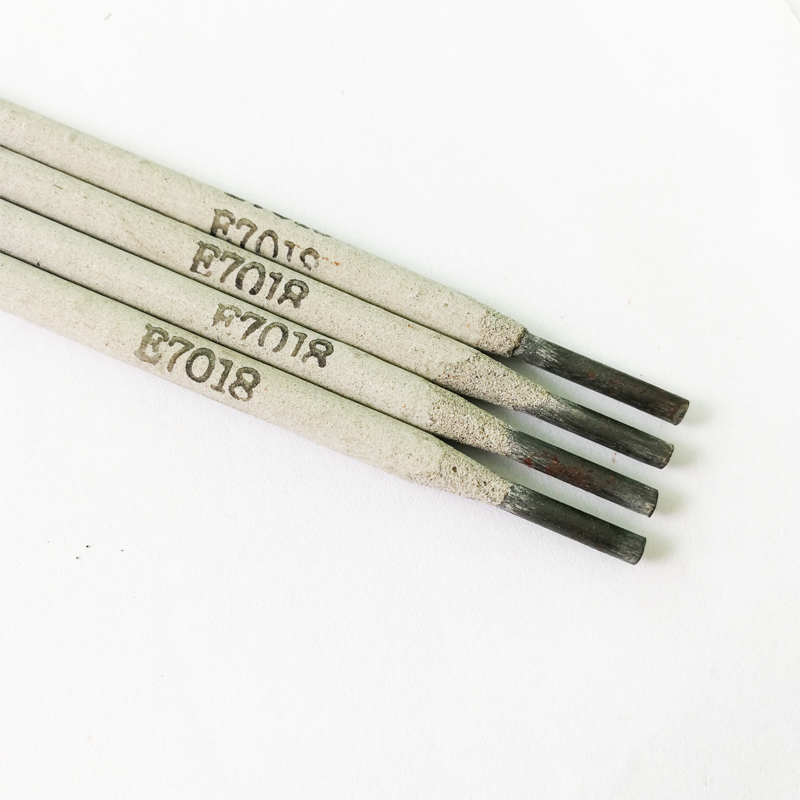
Let’s demystify the term: “7018” refers to a type of low-hydrogen welding rod known for its excellent tensile strength and smooth bead appearance. The “3/16” simply indicates the diameter of the rod is three-sixteenths of an inch (~4.8 mm). This thickness offers a sweet spot—easy penetration without excessive heat input, making it ideal for structural steel applications.
The low-hydrogen nature addresses a big concern in welding—hydrogen-induced cracking. For sectors like shipbuilding or bridge construction, that can mean fewer failures and longer service life. Plus, it supports humanitarian infrastructure projects by ensuring safer and more durable shelters and machinery.
Key Characteristics That Make 7018 3 16 Stand Out
1. Durability and Strength
The 7018 welding rod produces welds with tensile strengths typically around 70,000 psi, meaning it can hold up under enormous stress. For critical bearing components, this is non-negotiable.
2. Low Hydrogen Content
Hydrogen may cause weld brittleness; 7018 rods minimize this risk, ensuring crack-resistant joints—a must in safety-sensitive industries.
3. Versatility
The 3/16 diameter suits a range of metal thicknesses and orientations, which makes it popular from hobbyist garages to large industrial plants.
4. Easy Arc Stability
Operators often report stable arcs when welding with 7018 3 16, reducing spatter and making cleanup less of a chore. This means less downtime and higher productivity.
5. Smooth Finishing
Its flux coating helps create neat, attractive weld beads that require minimal grinding or finishing.
| Specification | Details |
|---|---|
| Diameter | 3/16 inch (4.8 mm) |
| Tensile Strength | Approximately 70,000 psi |
| Current Type | DC+ (Direct Current, Electrode Positive) |
| Flux Type | Low-Hydrogen (Iron Powder Coated) |
| Typical Applications | Structural steel, shipbuilding, heavy equipment |
Global Applications & Use Cases of 7018 3 16
The broad spectrum of industries relying on 7018 3 16 rods is fascinating. In Asia, massive infrastructure projects—roads, dams, and railways—often call for its reliability. Across North America, welding workshops favor its ability to perform in both factory and outdoor environments, handling elements like wind or moisture gracefully.
Oddly enough, it’s also a staple in post-disaster relief scenarios. When temporary shelters made of steel need urgent assembly, welders use 7018 3 16 rods to secure frameworks quickly but lastingly. Similarly, remote oil and gas installations in places like Siberia or off the coast of Brazil turn to these electrodes to withstand harsh, corrosive conditions.
Vendor Comparison: Leading 7018 3 16 Options
| Supplier | Price/Unit | Certification | Minimum Order | Lead Time |
|---|---|---|---|---|
| Jinlong Welding Electrode | $5.50 | ISO 2560-A: E7018 | 1 box (10 kg) | 2 weeks |
| Lincoln Electric | $6.20 | AWS A5.1 | 5 boxes | 1 week |
| ESAB | $5.80 | AWS A5.1 | 2 boxes | 3 days |
Advantages & Long-Term Value of 7018 3 16
Beyond technical specs, the 7018 3 16 rod offers tangible value that few other welding electrodes match. From a financial perspective, it reduces costly call-backs and repairs thanks to its crack-resistant welds. Environmental sustainability is improved by longevity; less failure means less waste and fewer replacements.
There’s also an emotional element. Skilled welders often speak about the “trust” they place in a rod—knowing it’ll perform just as expected feels reassuring, especially on high-stakes projects. I’ve heard stories where this reliability literally saved lives by preventing structural collapses during earthquakes or heavy load stresses.
Future Trends & Innovations Impacting 7018 3 16
Technology marches on, and welding materials do too—though slowly given the proven track record of 7018 rods. Current research explores incorporating nano-coatings or alternative flux compounds for even greater rust resistance and welding precision. There’s also a clear push toward greener manufacturing and digital welding systems that optimize rod usage and minimize waste.
Also worth noting: automation and AI-controlled welding are making 7018 rods more accessible across wider skill levels, including in remote or under-resourced areas.
Challenges & How the Industry Responds
Despite decades of dependable use, 7018 rods aren’t without drawbacks. They require proper storage—low humidity and temperature control—to keep the flux coating effective. For field welders, this can turn into a logistical headache. Plus, using DC+ current means not every welding machine can handle it effortlessly.
Innovative packaging with vacuum sealing and introducing cold-start electrodes are partial solutions. Training programs are growing to help welders adapt techniques for different conditions, thereby reducing weld defects.
FAQ: Frequently Asked Questions About 7018 3 16
1. What makes 7018 3 16 welding rods better than other electrodes?
They combine high strength with low hydrogen content, which reduces cracking risk. The 3/16 size offers a versatile balance for welding medium-thickness steel, making them ideal for structural applications that demand reliability.
2. How should 7018 3 16 electrodes be stored to maintain performance?
They need dry, moisture-controlled storage, typically below 50% relative humidity and room temperature, sometimes even stored in heated ovens. This preserves the flux coating and prevents hydrogen absorption that can weaken welds.
3. Are 7018 rods suitable for outdoor welding jobs?
Yes, but precautions such as wind guards and proper arc techniques are needed. Moisture exposure risks increased hydrogen, so rapid storage after use is critical.
4. Can novice welders use 7018 3 16 rods effectively?
While some skill is needed, 7018 rods are known for stable arc characteristics, making them accessible to trainees with proper supervision and training tools.
5. Where can I buy authentic 7018 3 16 electrodes internationally?
Reliable manufacturers like Jinlong Welding Electrode produce ISO-certified rods that ship worldwide, supported by consistent quality controls and export compliance.
Conclusion: Why 7018 3 16 Deserves Your Attention
In real terms, the 7018 3 16 welding electrode stands as a bedrock of modern metalwork—a small but critical component enabling vast, safe, and long-lived constructions. Understanding its properties and proper handling can save projects time, money, and headaches. For those in manufacturing or construction, trusting and sourcing the right 7018 electrodes is a smart choice.
Curious to learn more or source quality electrodes? Visit our website: https://www.jinlongweldingelectrode.com.
Mini takeaway: The 7018 3 16 electrode blends technical excellence with practical advantages, proving its global worth across industries.
References:

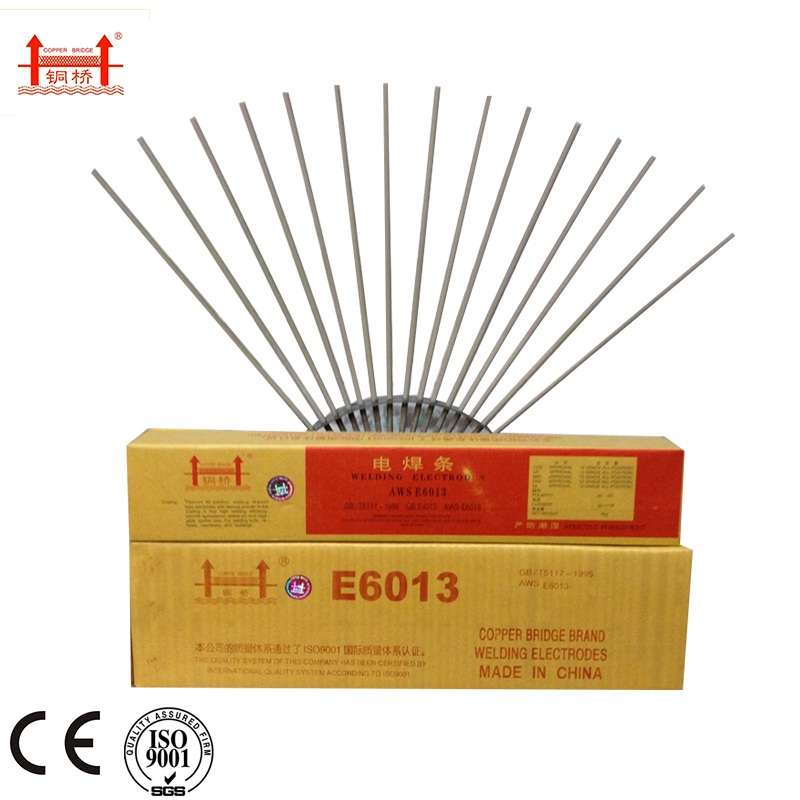
Related Video

Related News

2026-04-16 02:35:10
Precision Guide for e312 16 welding rod and Dissimilar Steel Welding
In the demanding world of industrial fabrication and repair, selecting the correct filler metal is the difference between a structural failure and a lifetime bond. The e312 16 welding rod is specifically engineered to meet the rigorous needs of welding dissimilar steels, offering an exceptional balance of strength and corrosion resistance. Whether you are working on high-pressure pipelines or heavy machinery components, understanding the nuances of this specialized electrode is key to achieving professional-grade results. This guide explores the technical advantages and practical applications of the E312 series to help you optimize your welding workflow.
2026-04-09 02:35:17
Choosing the Right cs to ss welding rod number Professional Guide
Joining carbon steel (CS) to stainless steel (SS) is a common challenge in industrial fabrication, requiring a precise understanding of metallurgy to avoid weld failure. The most critical decision in this process is identifying the correct cs to ss welding rod number to ensure a strong, corrosion-resistant bond. Using the wrong filler metal can lead to cracking or premature oxidation due to the different thermal expansion rates of the two materials. In this comprehensive guide, we will break down the technical specifications and selection criteria to help you achieve a professional-grade weld every time.
2026-04-07 02:25:29
Comprehensive Guide to 409 Welding Rod Selection and Optimal Usage
When it comes to welding applications requiring corrosion resistance and good weldability, the 409 welding rod is a frequently chosen option. This article provides a detailed overview of this versatile welding rod, exploring its composition, applications, benefits, and considerations for optimal use. Whether you’re a seasoned professional or new to welding, understanding the properties of 409 welding rod is crucial for achieving high-quality, durable welds. We’ll cover everything you need to know to make informed decisions for your welding projects.
2026-04-04 02:35:28
Comprehensive Guide to 330 Stainless Steel Welding Rod Applications and Techniques
330 stainless steel welding rods are a crucial component in various industries, offering exceptional corrosion resistance and high-temperature strength. This article provides an in-depth look at these rods, covering their properties, applications, choosing the right rod, welding techniques, safety precautions, and where to find high-quality options. Whether you're a seasoned welding professional or new to the field, this guide will offer valuable insights.
2026-03-31 02:35:08
Comprehensive Guide to 312 Stainless Tig Rod for Superior Welding Performance
When choosing the right filler metal for your TIG welding projects, especially in demanding applications, 312 stainless steel tig rod stands out for its exceptional corrosion resistance and high-temperature strength. This comprehensive guide will explore its composition, applications, benefits, and how it compares to other stainless steel rods. We'll also point you to resources for sourcing high-quality rods.
2026-03-28 02:45:04
Comprehensive Guide to 312 17 Welding Rod Applications and Technical Details
Welding rods are essential consumables in the welding process, and selecting the right one is crucial for achieving strong, durable, and high-quality welds. The 312 17 welding rod is a popular choice for many applications due to its unique properties and versatility. This article delves into the characteristics, applications, benefits, and considerations when using 312 17 welding rods, providing a comprehensive resource for welders and engineers alike. Choosing the right rod directly impacts the success and longevity of any welding project.
2026-03-26 02:35:10
Comprehensive Guide to the 312 16 Welding Rod for Superior Steel Welding
The 312 16 welding rod is a versatile and widely-used electrode in various welding applications. Known for its excellent weldability and strong mechanical properties, it's a go-to choice for professionals and hobbyists alike. This article delves into the specifics of this electrode, covering its composition, applications, advantages, and how to choose the right one for your projects. Understanding the nuances of the 312 16 welding rod is crucial for achieving high-quality, durable welds. The designation "312 16" provides key information about the welding rod. "312" refers to the type of flux coating, specifically a low-hydrogen, iron powder coating. This coating is designed to produce welds with excellent mechanical properties and good resistance to cracking. The "16" indicates the diameter of the rod in 32nds of an inch – so a 312 16 rod has a diameter of 16/32 or 1/2 inch. This combination makes it suitable for a wide range of steel welding applications. The low-hydrogen nature of the flux minimizes hydrogen-induced cracking, a common issue in welding certain steels.
2026-03-24 02:45:07
Comprehensive Guide to 309LSI TIG Rod Welding Applications and Best Practices
The 309LSI TIG rod is a versatile welding consumable widely used across various industries for its exceptional corrosion resistance and weldability. This article will explore the properties, applications, advantages, and best practices associated with using 309LSI TIG rods. Whether you're a seasoned welding professional or new to the field, this guide will provide you with valuable insights into maximizing the performance and longevity of your welds. The 309LSI TIG rod is a stainless steel electrode specifically designed for Gas Tungsten Arc Welding (GTAW), commonly known as TIG welding. The "309LSI" designation indicates the alloy composition: 309 signifies the chromium-nickel content, 'L' denotes low carbon content for enhanced corrosion resistance, and 'SI' signifies stabilized with silicon for improved resistance to carbide precipitation during welding.

 English
  Arabic
  Bengali
  China
China  French
  German
  Hausa
Hausa  Indonesian
  Italian
  Japanese
  Javanese
  Malay
Malay  Persian
  Portuguese
  Punjabi
  Russian
  Spanish
  Swahili
  Telugu
  Vietnamese