

Comprehensive Guide to the 7018 4mm Electrode – Specifications, Applications, and Vendors

Comprehensive Guide to the 7018 4mm Electrode – Specifications, Applications, and Vendors
Dec . 02, 2025 12:20
Understanding the 7018 4mm Electrode: A Global Industrial Staple
In the grand scheme of modern welding, the 7018 4mm electrode stands out as a quietly dependable hero. Whether you're piecing together a skyscraper or repairing age-old infrastructure, this welding rod plays a crucial role worldwide. But why should a casual reader care about a welding electrode? Well, welding is the backbone of countless industries — from construction and shipbuilding to transport and energy. The 7018 electrode specifically helps create strong, durable welds that sustain machinery through decades of wear and tear. Understanding this tool’s value not only highlights the importance of infrastructure safety but also shines light on the manufacturing processes behind everyday essentials.
Introduction: Why the 7018 4mm Electrode Matters Globally
Globally, infrastructure investment is booming. The World Bank estimates that trillions of dollars will be poured into infrastructure development by 2030 to meet urbanization demands and climate resilience. This rapid growth puts welding materials under immense pressure to perform consistently. The 7018 4mm electrode, renowned for its strength and versatility, emerges as a preferred choice. Importantly, welding failures can have dire consequences, so quality consumables like these electrodes help avoid accidents and costly downtimes.
Still, challenges exist. The industry demands electrodes that combine reliability with cost-efficiency and adaptability to different environments—especially in regions with limited access to high-tech welding machinery.
What is a 7018 4mm Electrode?
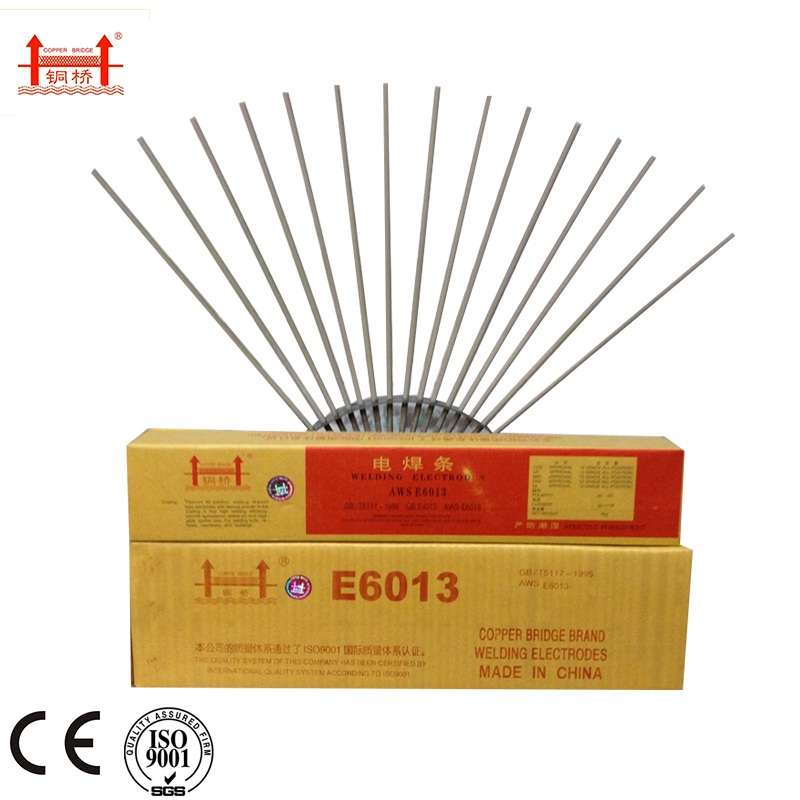
In simple terms, a 7018 electrode is a type of low-hydrogen stick welding rod covered with a flux that helps prevent contamination during welding. The “4mm” refers to the rod’s diameter—making it a medium thickness suitable for structural steelwork and heavy fabrication. Modern industries rely on it for its ability to produce crack-resistant, high-strength welds on carbon and alloy steels. Oddly enough, it’s also favored in disaster relief scenarios where rapid, robust repairs restore vital infrastructure.
Core Components and Factors That Make the 7018 Electrode Reliable
1. Durability
The 7018 4mm electrode produces a weld with excellent tensile strength, often exceeding 70,000 psi. This durability means bridges and pipelines welded with it can withstand heavy loads and extreme weather, enhancing safety.
2. Low Hydrogen Content
One key aspect is its low hydrogen level, which reduces the risk of weld cracking—a common culprit in structural failures. This makes it particularly valuable in cold climates or when welding large sections.
3. Versatile Application
This electrode is compatible with AC and DC welding, which broadens its usability across different equipment and sites, from outdoor construction yards to controlled factory floors.
4. Cost Efficiency
Though slightly pricier than basic electrodes, its lifespan and quality mean fewer reworks and safer builds, ultimately saving money and time.
5. Ease of Use
Its slag lifts easily after cooling, simplifying post-weld cleanup—useful for operators who must be efficient without sacrificing quality.
Product Specification Overview
| Specification | Characteristic |
|---|---|
| Electrode Diameter | 4 mm |
| Tensile Strength | ≥ 70,000 psi (485 MPa) |
| Current Type | AC/DC |
| Hydrogen Content | Low (≤5 ml/100g weld metal) |
| Welding Position | All except vertical down |
Where is the 7018 4mm Electrode Used Globally?
Its versatility means the 7018 4mm electrode finds homes everywhere: from North America’s oil pipelines to Europe’s massive bridge projects, and Southeast Asia’s infrastructure push. In disaster-hit zones, NGOs use it for quick rebuilding new shelters and utilities. It’s a favorite for shipyards in ports like Rotterdam and Shanghai. Oddly enough, even remote mining operations in Australia count on it to reinforce heavy machinery affected by intense wear.
Advantages and the Long-Term Value of Using 7018 Electrodes
- Cost Savings Over Time: Robust welds extend maintenance cycles, reducing repair budgets.
- Safety Assurance: Low hydrogen helps prevent brittle welds, minimizing accident risks in heavy industries.
- Sustainability: Fewer failures mean less waste and environmental impact.
- Global Standardization: Meets ISO 2560-A standards, providing confidence worldwide.
- Innovation Friendly: Works well with evolving welding automation and control technologies.
Future Trends & Innovations in Welding Electrodes
There’s a growing trend toward environmentally friendly electrode coatings. Manufacturers are experimenting with flux materials that produce less smoke and harmful fumes. Digital welding solutions now monitor electrode usage and weld quality in real-time, which you might find surprising. As green energy infrastructure grows—think wind turbines and solar panel mounts—the demand for electrodes that provide high-strength welds at lower emissions is growing. One might say the humble 7018 is ready to keep pace with these innovations.
Challenges & Expert Solutions
That said, the 7018 4mm electrode is not without challenges. It requires proper storage to maintain low hydrogen content, which can be tricky in humid climates. Welding skill also influences outcomes; poor technique can ruin even the best electrode’s potential. A practical expert tip is using electrode ovens and training operators regularly to maintain quality. Some vendors now supply pre-baked packs to combat moisture absorption, which helps in remote or variable environments.
Vendor Comparison: Popular 7018 4mm Electrode Suppliers
| Vendor | Price (per kg) | Packaging | Main Market | Warranty/Certifications |
|---|---|---|---|---|
| Jinlong | $10.50 | 5kg/bundle | Asia, Europe | ISO 2560, AWS A5.1 |
| Lincoln Electric | $12.00 | 10kg/box | North America | AWS Certified, UL Listed |
| ESAB | $11.50 | 5kg/bundle | Global | ISO, CE |
FAQ: Common Questions on 7018 4mm Electrodes
- What makes the 7018 4mm electrode suitable for structural steel?
- The 7018 4mm electrode provides high tensile strength welds with low hydrogen content, which are crucial for preventing weld cracks. This makes it ideal for load-bearing structures requiring long-term durability.
- Can it be used in all welding positions?
- Mostly yes, except vertical down. Its flux coating and consistent arc make it versatile across flat, horizontal, vertical-up, and overhead positions.
- How should the 7018 electrode be stored?
- It should be kept dry and at moderate temperatures—ideally in a rod oven—to maintain low hydrogen levels, especially before use.
- Is the 4mm size standard for most industrial welding?
- 4mm is a common size for medium-thickness steel fabrication, balancing penetration and weld bead control, though larger or smaller electrodes exist for specific needs.
- Are there eco-friendly versions of the 7018 electrode?
- Manufacturers are developing fluxes with reduced emissions and less slag, aligning with industry moves toward sustainability while preserving weld quality.
Conclusion: Why the 7018 4mm Electrode Deserves Your Attention
In real terms, the 7018 4mm electrode isn’t just another welding rod; it’s a vital asset for building and maintaining the physical frameworks supporting modern society. Its blend of durability, cost-effectiveness, and versatility keeps infrastructure resilient globally. For engineers, procurement agents, or hobbyists alike, choosing quality electrodes like the 7018 is a practical step toward safer, longer-lasting projects.
If you want to explore options or gain insights into sourcing quality electrodes, visit our website. It’s where experience meets innovation in welding consumables.
Mini takeaway: Investing in good welding electrodes like the 7018 4mm is an investment in safety, efficiency, and long-lasting quality.
References

Related Video

Related News


2026-04-16 02:35:10
Precision Guide for e312 16 welding rod and Dissimilar Steel Welding
In the demanding world of industrial fabrication and repair, selecting the correct filler metal is the difference between a structural failure and a lifetime bond. The e312 16 welding rod is specifically engineered to meet the rigorous needs of welding dissimilar steels, offering an exceptional balance of strength and corrosion resistance. Whether you are working on high-pressure pipelines or heavy machinery components, understanding the nuances of this specialized electrode is key to achieving professional-grade results. This guide explores the technical advantages and practical applications of the E312 series to help you optimize your welding workflow.
2026-04-09 02:35:17
Choosing the Right cs to ss welding rod number Professional Guide
Joining carbon steel (CS) to stainless steel (SS) is a common challenge in industrial fabrication, requiring a precise understanding of metallurgy to avoid weld failure. The most critical decision in this process is identifying the correct cs to ss welding rod number to ensure a strong, corrosion-resistant bond. Using the wrong filler metal can lead to cracking or premature oxidation due to the different thermal expansion rates of the two materials. In this comprehensive guide, we will break down the technical specifications and selection criteria to help you achieve a professional-grade weld every time.
2026-04-07 02:25:29
Comprehensive Guide to 409 Welding Rod Selection and Optimal Usage
When it comes to welding applications requiring corrosion resistance and good weldability, the 409 welding rod is a frequently chosen option. This article provides a detailed overview of this versatile welding rod, exploring its composition, applications, benefits, and considerations for optimal use. Whether you’re a seasoned professional or new to welding, understanding the properties of 409 welding rod is crucial for achieving high-quality, durable welds. We’ll cover everything you need to know to make informed decisions for your welding projects.
2026-04-04 02:35:28
Comprehensive Guide to 330 Stainless Steel Welding Rod Applications and Techniques
330 stainless steel welding rods are a crucial component in various industries, offering exceptional corrosion resistance and high-temperature strength. This article provides an in-depth look at these rods, covering their properties, applications, choosing the right rod, welding techniques, safety precautions, and where to find high-quality options. Whether you're a seasoned welding professional or new to the field, this guide will offer valuable insights.
2026-03-31 02:35:08
Comprehensive Guide to 312 Stainless Tig Rod for Superior Welding Performance
When choosing the right filler metal for your TIG welding projects, especially in demanding applications, 312 stainless steel tig rod stands out for its exceptional corrosion resistance and high-temperature strength. This comprehensive guide will explore its composition, applications, benefits, and how it compares to other stainless steel rods. We'll also point you to resources for sourcing high-quality rods.
2026-03-28 02:45:04
Comprehensive Guide to 312 17 Welding Rod Applications and Technical Details
Welding rods are essential consumables in the welding process, and selecting the right one is crucial for achieving strong, durable, and high-quality welds. The 312 17 welding rod is a popular choice for many applications due to its unique properties and versatility. This article delves into the characteristics, applications, benefits, and considerations when using 312 17 welding rods, providing a comprehensive resource for welders and engineers alike. Choosing the right rod directly impacts the success and longevity of any welding project.
2026-03-26 02:35:10
Comprehensive Guide to the 312 16 Welding Rod for Superior Steel Welding
The 312 16 welding rod is a versatile and widely-used electrode in various welding applications. Known for its excellent weldability and strong mechanical properties, it's a go-to choice for professionals and hobbyists alike. This article delves into the specifics of this electrode, covering its composition, applications, advantages, and how to choose the right one for your projects. Understanding the nuances of the 312 16 welding rod is crucial for achieving high-quality, durable welds. The designation "312 16" provides key information about the welding rod. "312" refers to the type of flux coating, specifically a low-hydrogen, iron powder coating. This coating is designed to produce welds with excellent mechanical properties and good resistance to cracking. The "16" indicates the diameter of the rod in 32nds of an inch – so a 312 16 rod has a diameter of 16/32 or 1/2 inch. This combination makes it suitable for a wide range of steel welding applications. The low-hydrogen nature of the flux minimizes hydrogen-induced cracking, a common issue in welding certain steels.
2026-03-24 02:45:07
Comprehensive Guide to 309LSI TIG Rod Welding Applications and Best Practices
The 309LSI TIG rod is a versatile welding consumable widely used across various industries for its exceptional corrosion resistance and weldability. This article will explore the properties, applications, advantages, and best practices associated with using 309LSI TIG rods. Whether you're a seasoned welding professional or new to the field, this guide will provide you with valuable insights into maximizing the performance and longevity of your welds. The 309LSI TIG rod is a stainless steel electrode specifically designed for Gas Tungsten Arc Welding (GTAW), commonly known as TIG welding. The "309LSI" designation indicates the alloy composition: 309 signifies the chromium-nickel content, 'L' denotes low carbon content for enhanced corrosion resistance, and 'SI' signifies stabilized with silicon for improved resistance to carbide precipitation during welding.

 English
  Arabic
  Bengali
  China
China  French
  German
  Hausa
Hausa  Indonesian
  Italian
  Japanese
  Javanese
  Malay
Malay  Persian
  Portuguese
  Punjabi
  Russian
  Spanish
  Swahili
  Telugu
  Vietnamese