Procuring welding consumables often involves a complex trade-off between immediate expenditure and long-term structural integrity. For procurement managers and industrial engineers, finding a transparent welding rod price list is only the first step in a much larger value-assessment process.
Market volatility in raw steel and alloying elements means that nominal pricing rarely tells the full story. The real cost of a welding electrode is measured by its deposition rate, slag removal efficiency, and the resulting weld quality, which directly impacts labor hours and rework rates.
This analysis examines the variables that drive pricing in the modern welding materials market and provides a framework for evaluating the technical specifications of various electrodes to ensure operational efficiency.


Pricing in the welding material sector is rarely static. It is influenced by a combination of global commodity prices—specifically iron ore, manganese, and chromium—and the energy costs associated with the smelting and coating processes. When searching for a welding rod price list, buyers must distinguish between "commodity-grade" electrodes and "performance-grade" consumables.
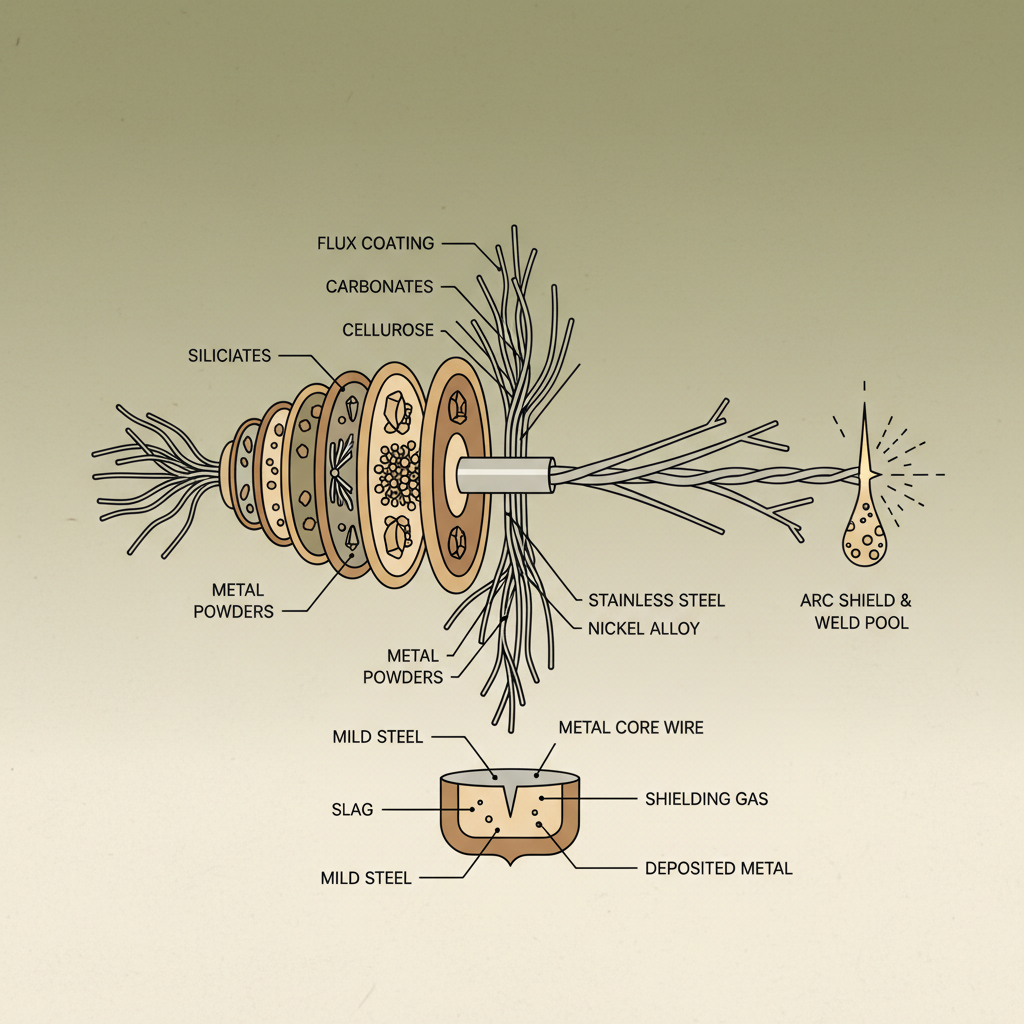
Performance-grade products, such as the Copper Bridge brand, incorporate advanced flux formulations that reduce spatter and improve arc stability. These technical enhancements often justify a higher initial price point by significantly reducing the post-weld grinding and cleaning time, which are often the most expensive parts of the fabrication cycle.
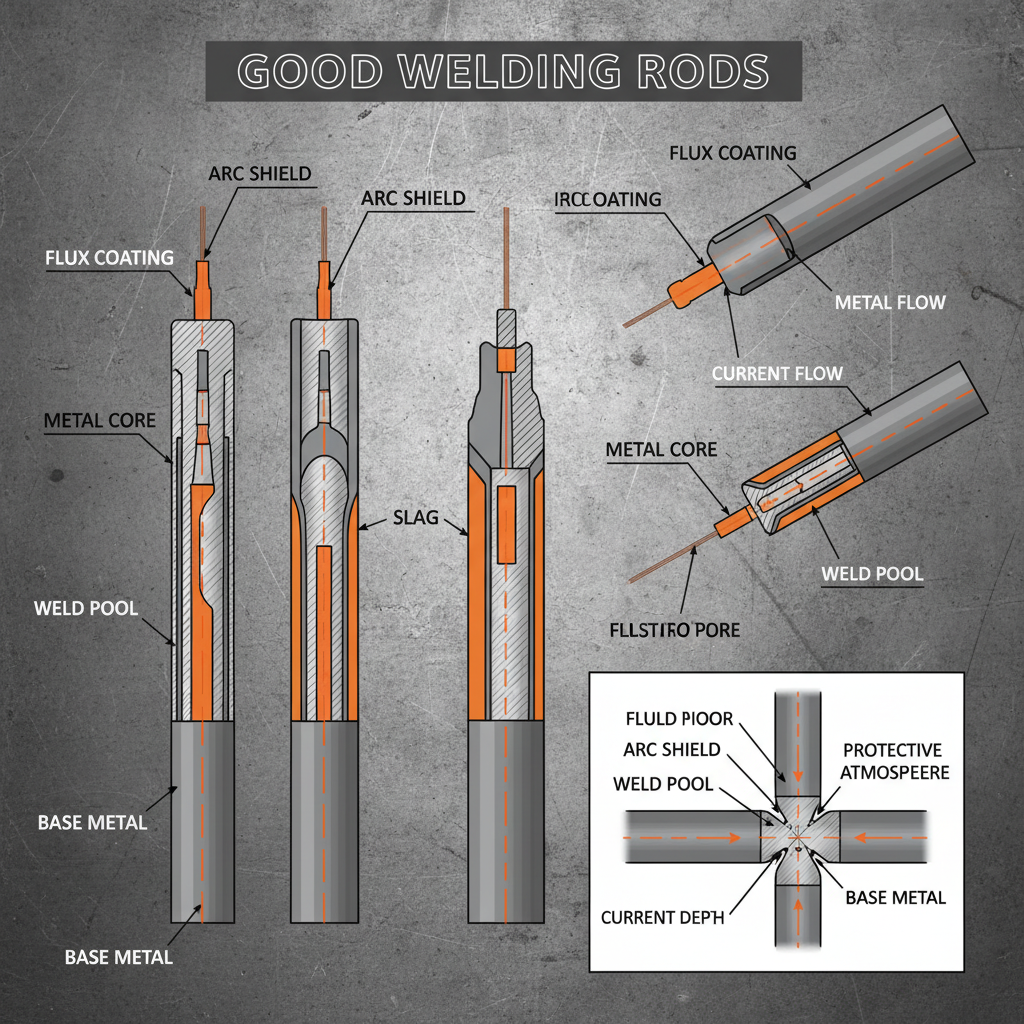
The chemical composition of an electrode is the primary determinant of its cost and application. For instance, carbon steel electrodes like AWS E6013 are widely utilized for general purpose work due to their ease of use and smooth bead appearance. However, as the requirement shifts toward higher tensile strength or specific mechanical properties—such as those found in AWS E7018—the complexity of the flux coating increases, often requiring low-hydrogen processing to prevent cold cracking in thick plates.
Specialized alloys further escalate the price. Cast iron welding rods, such as the AWS EZ308 or NiFe-1 alloys, require high nickel content to manage the extreme brittleness of cast iron. These materials are designed to resist oxidation and corrosion, ensuring that the repair remains stable under thermal stress. The cost here is driven by the rarity of the alloying elements and the precision required in the manufacturing of the core wire.
Furthermore, the diameter of the rod (ranging from 2.5mm to 5.0mm) affects the consumption rate. While larger rods provide higher deposition rates for heavy structural work, smaller rods are essential for delicate root passes. A professional procurement strategy balances the quantity of various diameters to minimize waste and optimize the welding current.
There is a noticeable industry migration from manual arc welding (SMAW) toward CO2 gas-shielded welding (GMAW). This transition is driven by the need for higher production efficiency and lower overall power consumption in high-volume manufacturing environments.
Gas-shielded solid welding wire reduces welding costs by maximizing deposition efficiency and minimizing the time spent on slag removal, making it more economical for industrial-scale projects than traditional manual rods.
Technically, the use of gas-shielded wires like the CB-ER50 series ensures a low hydrogen and nitrogen content in the weld pool. This results in exceptional crack resistance and minimal deformation, which is critical for thin sheet metal or high-pressure pipelines. The versatility to weld in all positions, including overhead, further enhances its value proposition.
When evaluating a welding rod price list, it is useful to look at the "Value Index"—a relative measure of how much performance a user gets per unit of cost. High-efficiency wires offer a higher index in automated settings, while manual rods maintain a higher index for field repairs where gas shielding is impractical.
The following chart illustrates a conceptual value index across different product categories, weighing deposition speed against initial material cost.
Selecting the right electrode depends entirely on the substrate and the environment. In a typical industrial setting, such as the construction of 500MPa structural steel parts, the CB-ER50-6 wire is preferred for its ability to handle thick plates and pipelines while maintaining high mechanical strength. Conversely, for welding thin sheet metal or steel pipes, the CB-ER50-4 is more appropriate due to its optimized current range and reduced heat input.
For maintenance crews working on old machinery, cast iron electrodes are the only viable option. Using a standard carbon steel rod on cast iron would lead to immediate cracking due to the difference in thermal expansion coefficients. In these cases, the higher cost of nickel-based electrodes is an essential investment to avoid catastrophic component failure.
The industry is moving toward "smarter" consumables that offer higher deposition rates with lower environmental impact. This includes the development of self-shielded flux-cored wires, such as the E71T-GS, which eliminate the need for external shielding gas, reducing the cost of logistics and equipment in field operations.
Another significant trend is the tightening of certification standards. With ISO9001 and CE certifications becoming baseline requirements, manufacturers are focusing more on the consistency of the chemical composition. Variations in Manganese (Mn) or Silicon (Si) can lead to inconsistent weld beads, which in high-precision industries like shipbuilding or automotive fabrication, is unacceptable.
As high-strength steels (600MPa and above) become more common in infrastructure, the demand for high-performance wires like CB-ER60-G is increasing. These materials are designed to maintain toughness at low temperatures, expanding the possibilities for Arctic or deep-sea engineering.
To move beyond a simple welding rod price list, procurement teams should implement a multi-factor evaluation matrix. This matrix should consider the cost of the material, the labor cost for installation, and the projected cost of quality control (QC) and rework.
A cheaper rod that produces excessive spatter may seem economical on paper, but the time spent by a technician grinding that spatter off the workpiece often exceeds the savings gained from the initial purchase.
The table below provides a conceptual framework for comparing different consumables based on operational requirements rather than price alone.
| Application Type | Recommended Material | Key Priority | Relative Cost Index |
|---|---|---|---|
| General Fabrication | AWS E6013 | Ease of Use | Low |
| Heavy Structure | AWS E7018 | Tensile Strength | Medium |
| High-Volume Line | ER70S-6 Gas Wire | Deposition Rate | Low (per kg) |
| Cast Iron Repair | NiFe-1 Alloy | Crack Resistance | High |
| Field Pipe Work | E71T-GS Flux-Cored | Portability | Medium |
| High-Strength Steel | CB-ER60-G | Mechanical Properties | Medium-High |
While the initial price of the electrode is a factor, the total project cost is more heavily influenced by deposition efficiency and post-weld cleaning. High-quality electrodes with stable arcs and low spatter reduce the labor hours required for grinding and finishing. For example, switching to a gas-shielded wire can significantly lower the cost per weld in high-volume environments compared to manual arc welding.
E6013 is a general-purpose electrode known for its easy ignition and smooth bead, making it ideal for thin materials and light fabrication. E7018 is a low-hydrogen electrode designed for high-strength applications and thick structural steel. It provides superior mechanical properties and is essential for preventing underbead cracking in critical load-bearing joints.
Cast iron rods require expensive alloying elements, primarily nickel, to manage the material's high carbon content and brittleness. Nickel helps the weld maintain ductility and prevents the joint from cracking during the cooling process. The precision required to manufacture these alloys, such as the NiFe-1, adds to the production cost.
Flux-cored wires, specifically self-shielded versions like E71T-GS, are superior for outdoor or windy environments where external shielding gas would be blown away. They are also preferred for very thick materials where higher deposition rates are needed. Solid wires are better for high-precision, clean-room, or indoor applications where gas shielding can be strictly maintained.
Price alone is not an indicator of quality. Verify the manufacturer's certifications, such as ISO9001, CE, or BV Rhine. Check the chemical composition reports (C, Mn, Si levels) and mechanical properties (Rm, Rel, and impact value KV2) to ensure the material meets the AWS or GB standards required for your specific engineering application.
Diameter affects both the heat input and the deposition rate. Larger diameters (e.g., 4.0mm-5.0mm) allow for faster filling of thick joints but increase the risk of burn-through on thinner plates. Smaller diameters (e.g., 2.5mm) provide better control for root passes and delicate work. Balancing diameters based on the joint geometry is key to optimizing material use.
Navigating the complexities of a welding rod price list requires a shift in perspective from "cost per kilogram" to "cost per completed joint." By aligning material selection with the specific mechanical requirements of the project—whether it be the high-strength capacity of ER60-G or the versatility of E6013—businesses can significantly reduce their operational overhead.
Ultimately, the integration of advanced materials and a rigorous selection framework ensures that structural integrity is never sacrificed for short-term savings. Investing in certified, high-performance consumables is the most reliable path to long-term fabrication success.