Procuring welding consumables involves a complex balance between initial expenditure and long-term weld integrity. For those managing industrial budgets, understanding the volatility of the ss electrode price is essential, as stainless steel consumables are significantly more sensitive to raw material shifts than standard carbon steel options.
The cost of these electrodes is not merely a reflection of the metal itself but is tied to the precision of the alloy coating and the consistency of the arc stability. In high-demand sectors like shipbuilding and automotive repair, a marginal difference in price can be offset by the efficiency of the weld bead quality and the reduction of post-weld defects like porosity or cracking.
This analysis explores the primary drivers of cost in the stainless steel electrode market, the technical trade-offs between different AWS classifications, and how to evaluate value beyond the price per kilogram to ensure structural reliability.


The primary component affecting the stainless steel electrode price is the global market for nickel and chromium. Unlike carbon steel, where iron is the dominant cost, stainless steel electrodes require precise alloying to ensure corrosion resistance and mechanical strength. When nickel prices spike, the cost of austenitic electrodes rises proportionally.
Secondary influences include the purity of the base wire and the chemical composition of the flux coating. Electrodes that utilize high-purity minerals to reduce slag inclusions naturally command a higher premium but offer significantly lower failure rates in critical structural joints.
The manufacturing process plays a critical role in final pricing. Advanced production lines, such as those implemented by Dingzhou Jinlong Metal Production Co., Ltd., utilize precise drying and coating techniques to ensure that the electrode remains stable throughout its lifecycle. The ability to maintain a consistent arc, regardless of the current settings, requires a level of coating homogeneity that cheap alternatives often lack.
Furthermore, certifications like ISO9001 and CE are not just administrative labels; they represent the cost of rigorous testing. Each batch must be verified for tensile strength, elongation, and impact toughness. For example, ensuring a yield strength that meets AWS standards involves destructive testing that increases the overhead cost per unit but guarantees safety in high-pressure environments.
Finally, the diameter of the electrode affects the pricing structure. While larger diameters (4.0mm to 5.0mm) offer higher deposition rates, smaller diameters (2.5mm) require more precision in the coating process to prevent peeling or cracking, which can influence the price relative to the weight of the metal.
Many procurement managers make the mistake of focusing solely on the unit price. However, the true cost of a welding project is measured by the "cost per successful weld," which includes the time spent on slag removal, the rate of electrode consumption, and the cost of reworking defective joints.
The most economical electrode is not the one with the lowest purchase price, but the one that maximizes deposition efficiency while minimizing the risk of weld failure and post-process cleaning.
When utilizing high-performance options like the E6013 or specialized stainless steel electrodes, the consistent arc stability leads to a smoother weld bead. This reduces the need for grinding and polishing, which are often the most labor-intensive parts of the fabrication process, thereby lowering the total project cost.
To understand the value proposition of different electrode grades, we can look at a relative index comparing productivity and cost. High-grade electrodes typically offer superior arc stability and lower splash, which directly translates to faster completion times in industrial settings.
While low-cost electrodes might save 10-15% in procurement, they often increase labor time by 20% due to poor slag detachment and frequent arc interruptions. The following chart illustrates the relative efficiency gain versus the cost increase across different product tiers.
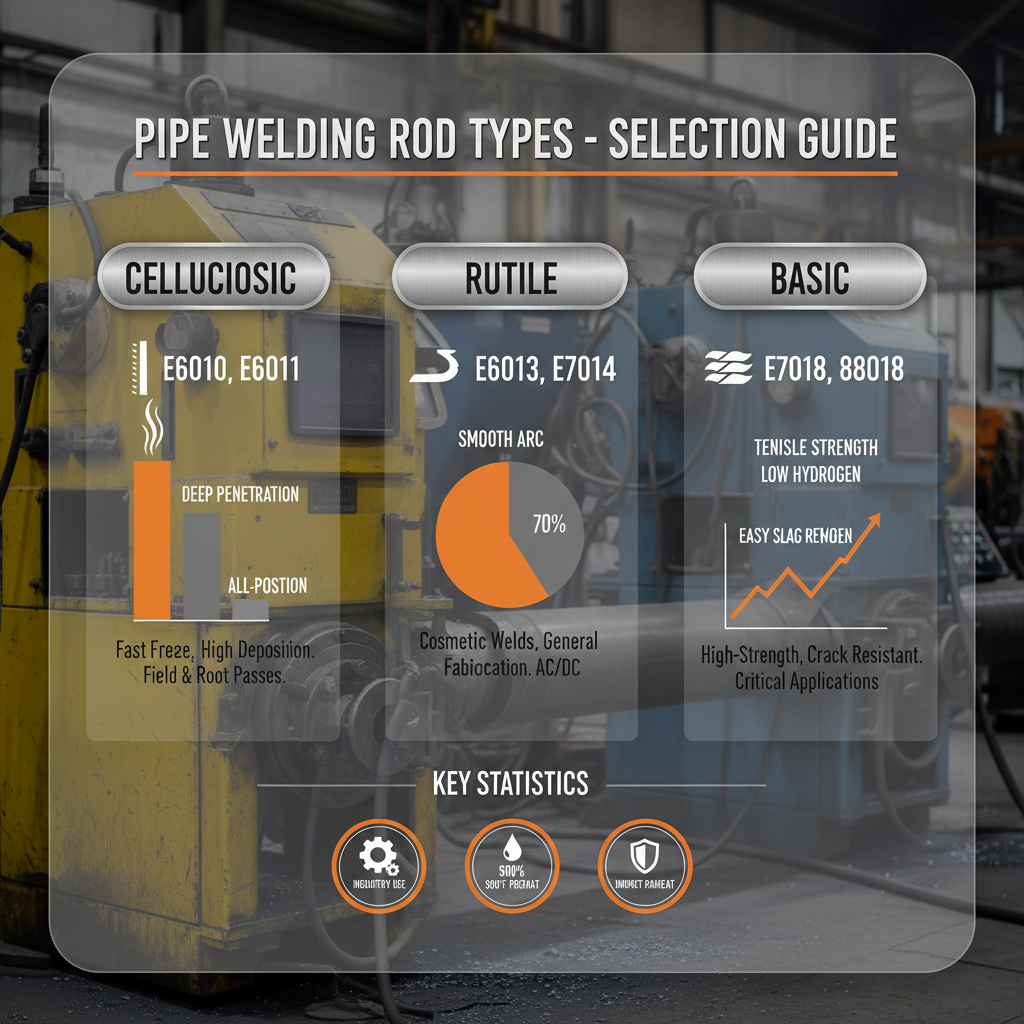
In a typical industrial setting, such as automotive repair or structural steel fabrication, the choice of electrode depends on the material thickness and the required weld strength. For mild steel and low alloy steel, the AWS E6013 is a versatile choice due to its ease of use and clean bead quality, making it ideal for both beginners and seasoned professionals.
When moving to stainless steel or cast iron components, the selection shifts toward specialized alloys like NiFe-1 for oxidation-corrosion resistance. In these scenarios, the price is secondary to the material's ability to withstand extreme environments, where a failure in weld integrity could lead to catastrophic structural collapse.
The welding industry is moving toward consumables that offer higher efficiency and lower environmental impact. We are seeing a shift toward flux-cored welding wires and gas-shielded solid wires that provide higher deposition rates than traditional electrodes, effectively reducing the cost of labor per joint.
Additionally, the integration of "smart" manufacturing in factories allows for tighter control over the chemical composition of the deposited metal. This means that future electrodes will likely provide even more consistent mechanical properties, such as improved impact toughness at low temperatures, without a linear increase in price.
The global supply chain is also diversifying. With the expansion of brands like "Copper Bridge" into markets in Southeast Asia, the Middle East, and Africa, there is more competition, which helps stabilize the ss electrode price by offering high-quality alternatives to traditional Western brands.
When evaluating a supplier, the procurement framework should look beyond the quote. A comprehensive evaluation includes the supplier's certification history, their ability to provide consistent chemical analysis reports, and their logistics capabilities for maintaining dry storage of electrodes.
The trade-off between "Economy" and "Professional" grades often comes down to the application. For non-structural, aesthetic welds, an economy grade may suffice. However, for pressure vessels or load-bearing frames, the professional grade's guarantee of mechanical properties is a non-negotiable requirement.
The following table provides a comparative framework for choosing the right welding consumable based on the project requirements and environmental conditions.
| Application Type | Primary Requirement | Recommended Electrode | Relative Suitability |
|---|---|---|---|
| General Fabrication | Ease of Use / Bead Quality | AWS E6013 | High |
| Structural Steel | High Tensile Strength | AWS E7018 | Critical |
| Corrosive Environments | Chemical Stability | Stainless Steel Electrode | Essential |
| Cast Iron Repair | Crack Resistance | NiFe-1 Alloy | Specialized |
| High-Speed Production | Deposition Rate | Flux-cored Wire | Optimal |
| Precision Small Parts | Low Heat Input | 2.5mm Carbon Steel | Moderate |
The price is primarily driven by the cost of alloying elements, specifically nickel and chromium. Because stainless steel requires a precise chemical balance to ensure corrosion resistance, any fluctuation in the global commodities market for these metals is immediately reflected in the cost of the electrodes. Additionally, the purity of the flux coating and the manufacturing certifications (like ISO or CE) add to the value of professional-grade consumables.
Arc stability reduces the occurrence of spatter and weld defects. When an electrode provides a steady arc, the welder can maintain a more consistent bead, which significantly reduces the time required for post-weld cleaning and grinding. In an industrial environment, labor is often the most expensive component; therefore, an electrode that increases welding speed and reduces rework effectively lowers the total project cost, even if the unit price is higher.
AWS E6013 is generally preferred for general-purpose welding, thin materials, and applications where a smooth, aesthetically pleasing bead is required, as it is easier to strike and manipulate. AWS E7018 is a low-hydrogen electrode designed for high-strength structural applications where the weld must withstand significant stress and resist cracking. If the project is a decorative fence, E6013 is ideal; if it is a load-bearing bridge beam, E7018 is necessary.
Yes. Larger diameters (e.g., 4.0mm or 5.0mm) allow for faster filling of large gaps and higher deposition rates, making them more cost-effective for heavy industrial work. Smaller diameters (e.g., 2.5mm) are essential for precision work and thin sheets to avoid burn-through. While the price per kilogram may be similar, the "cost per inch" of weld varies based on the efficiency and current settings required for each diameter.
The most reliable way to ensure quality is to verify the manufacturer's certifications (such as ISO9001, CE, or BV Rhine) and request a chemical composition analysis for the deposited metal. Check if the supplier has a proven track record in international markets. Additionally, ensure that the packaging is moisture-proof and that the supplier can provide guidance on proper storage, as damp coatings can lead to porosity and hydrogen embrittlement in the weld.
Not necessarily. The "best" electrode is the one that matches the specific requirements of the material and the environment. Using a high-nickel alloy electrode for a simple non-corrosive application is an unnecessary expense. The goal is to match the alloy grade (e.g., 308 or 316) to the base metal. Once the correct grade is chosen, investing in a reputable brand with consistent quality is advised to avoid the hidden costs of weld failure.
Navigating the complexities of the ss electrode price requires a shift in perspective from "lowest cost" to "highest value." By analyzing raw material trends, technical specifications, and operational efficiency, procurement managers can make informed decisions that protect both their budgets and the structural integrity of their projects.
Ultimately, the reliability of a weld is the only metric that truly matters in industrial fabrication. Partnering with manufacturers who prioritize consistent arc stability and certified mechanical properties ensures that the final product meets safety standards while optimizing the total cost of ownership through reduced waste and rework.