

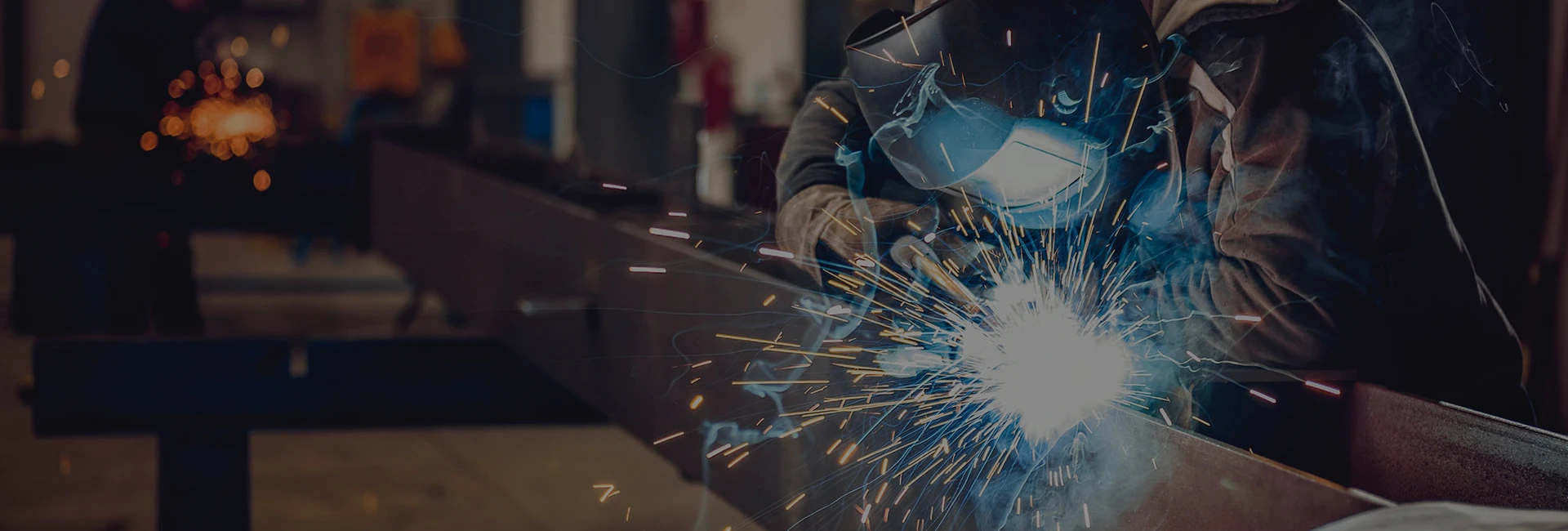
Discover the Versatile 6013 Electrode for Reliable Welding | Jinlong

Discover the Versatile 6013 Electrode for Reliable Welding | Jinlong
Nov . 30, 2025 00:40
The Unsung Hero of Welding: What is the 6013 Electrode and Why It Matters Worldwide
In the vast world of welding, the 6013 electrode might not be the flashiest star, but it holds a steady place in countless industrial and repair projects across the globe. These little rods of metal, often overlooked, play a surprisingly crucial role, from construction sites in bustling cities to remote development projects in emerging countries. Understanding the 6013 electrode isn’t just for welders — it’s valuable for manufacturers, engineers, and anyone who relies on strong, reliable metal joins. But why exactly does it matter? Well, the answer lies in its versatility, ease of use, and dependable performance that support modern infrastructure and even humanitarian rebuilding efforts.
A brief glance at global infrastructure stats tells us the story — the 6013 electrode is integral to welding millions of tons of steel each year. According to recent industry data and ISO standards, nearly 60% of manual arc welding operations favor electrodes in the 6010–6013 range due to their adaptability and weld quality. So whether it’s repairing a bridge or fabricating agricultural tools in rural Africa, these electrodes quietly contribute to sustainable growth.
Understanding the 6013 Electrode: Simply Put
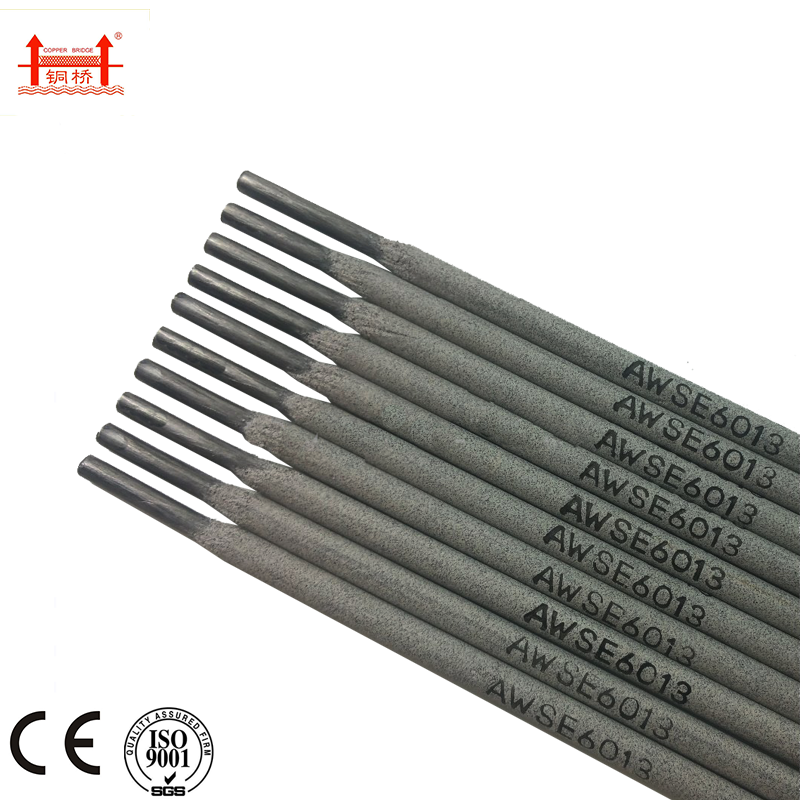
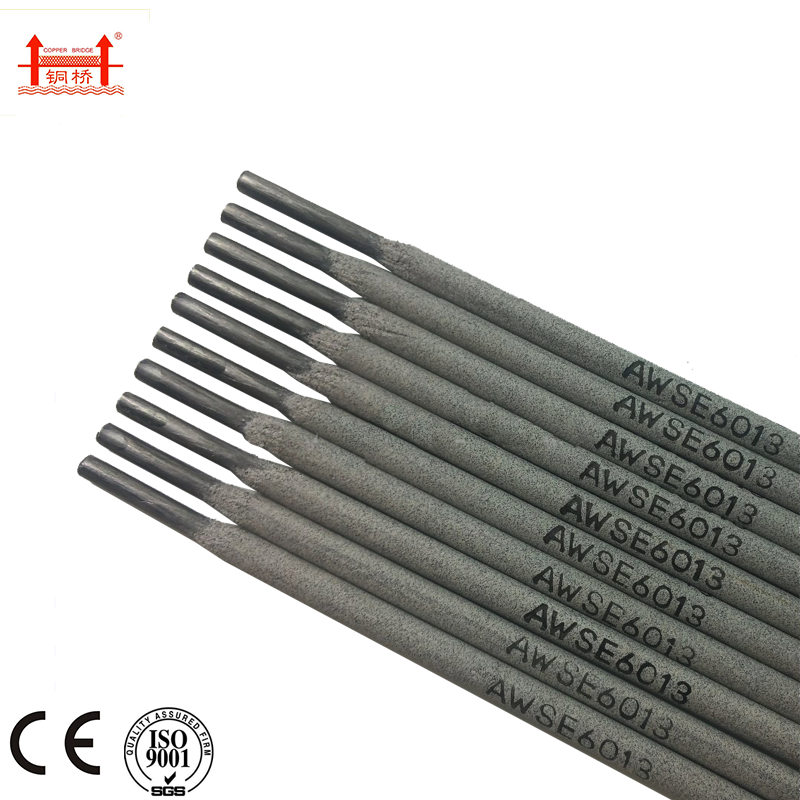
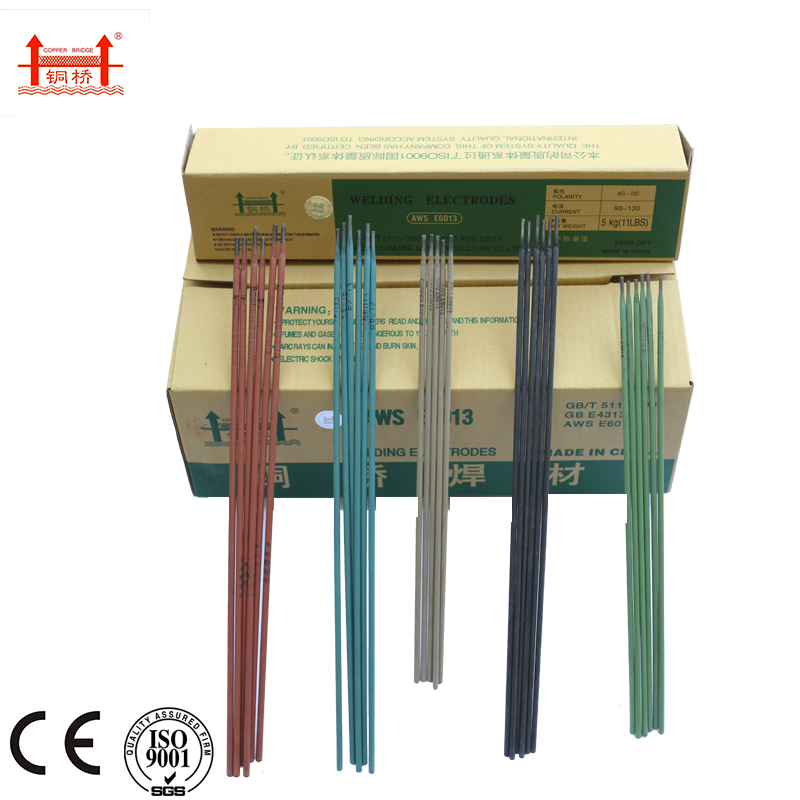
What exactly is a 6013 electrode? At its core, it’s a type of welding rod designed for shielded metal arc welding (SMAW), recognized by the American Welding Society and widely standardized as "E6013."
Think of it as the "all-rounder" of stick welding electrodes — it’s user-friendly, suitable for thin metals, and produces smooth, aesthetically pleasing weld beads with a moderate penetration profile. The “60” means it has a tensile strength of 60,000 psi; the “1” indicates it can be used in all positions, and the “3” tells you about the type of coating and current it supports.
Its composition and coating make it ideal for light-to-medium weld jobs in sheet metal work, automotive repair, and maintenance tasks. Oddly enough, despite its common industrial use, the electrode's benefits trickle well beyond manufacturing. It’s often vital in humanitarian contexts, where simple, dependable tools can rebuild homes and essential facilities following crises.
Mini takeaway:
- The 6013 electrode is a versatile, easy-to-use stick welding rod with wide industry and humanitarian applications.
- It balances weld strength with neat finish, making it preferable for thin metals and various positions.
Key Attributes That Define the 6013 Electrode
1. Ease of Use Across Positions
Many welders, especially beginners, find the 6013 comfortable because it works in all welding positions: flat, horizontal, vertical, and overhead. This flexibility cuts down on job time and reduces skill barriers—handy when you have to move quickly during on-site repairs.
2. Smooth, Spatter-Reduced Finish
One reason the 6013 is favored is the relatively clean, lightly spattered weld bead it creates. Fewer cleanups translate into greater efficiency and better overall appearance — crucial for visible surfaces or auto-body repair.
3. Moderate Penetration for Thin Metals
Its penetration is sufficient to form strong bonds without burning through, especially on thinner gauges of metal (think sheet steel or mild steel up to about 3/16 inch). This control is indispensable to avoid costly rework or waste.
4. Versatile Current Compatibility
Unlike other rods which lean heavily toward AC or DC, the 6013 electrode performs reliably on AC, DC+, and DC–, providing flexibility depending on available welding machines.
5. Cost-Effective and Widely Available
In practical terms, 6013 rods are among the most affordable electrodes, readily stocked worldwide. This accessibility means even small workshops or NGOs can secure dependable welding supplies.
Mini takeaway:
- Total welding flexibility for different positions and current types.
- Great surface finish with low spatter — ideal for cosmetic or precision work.
- Strong, controlled welds on thinner metals reduce material waste.
6013 Electrode: Where and How It’s Used Around the Globe
It’s truly a global workhorse. Here’s a snapshot of industries and areas that rely heavily on the 6013 electrode:
- Automotive Body Repairs: In garages worldwide, it’s the rod of choice for fixing dents, fenders, and chassis spots.
- Light Fabrication Shops: Where sheet metal is shaped and welded to make HVAC parts, agricultural equipment, and household hardware.
- Remote and Post-Disaster Sites: NGOs and construction crews use 6013 rods for shelter repair and rebuilding efforts, favored because they require less skill and equipment.
- Maintenance & Repairs in Manufacturing Plants: For quick patches on machinery, reducing downtime.
For example, after the 2010 earthquake in Haiti, many relief teams carried 6013 welding electrodes to assist in reconstructing shelters and essential communal facilities, leveraging the electrode’s ease and availability in challenging environments.
Mini takeaway:
- 6013 electrodes support a variety of industries, from automotive repair to humanitarian rebuilding.
- Its adaptability means it performs well in unpredictable, resource-scarce conditions.
Product Specifications: What to Expect from a Typical 6013 Electrode
| Specification | Detail |
|---|---|
| Tensile Strength | 60,000 psi (approx. 414 MPa) |
| Welding Positions | All positions (flat, horizontal, vertical, overhead) |
| Applicable Current | AC, DC+, DC– |
| Metal Type | Low-carbon steel, mild steel |
| Typical Diameter Range | 1/16” to 1/8” (1.6mm to 3.2mm) |
| Coating Type | Cellulose potassium (provides smooth arc and slag removal) |
Comparing Popular 6013 Electrode Vendors
| Vendor | Price (per kg) | Quality Rating | Delivery Time | Availability (Global) |
|---|---|---|---|---|
| Jinlong Welding Electrode | $5.20 | 9/10 | 7 days | Yes |
| WeldCo International | $6.00 | 8/10 | 10 days | Limited |
| Global Rods Ltd. | $4.80 | 7/10 | 14 days | Yes |
Why Choose 6013 Electrodes? The Real Advantages
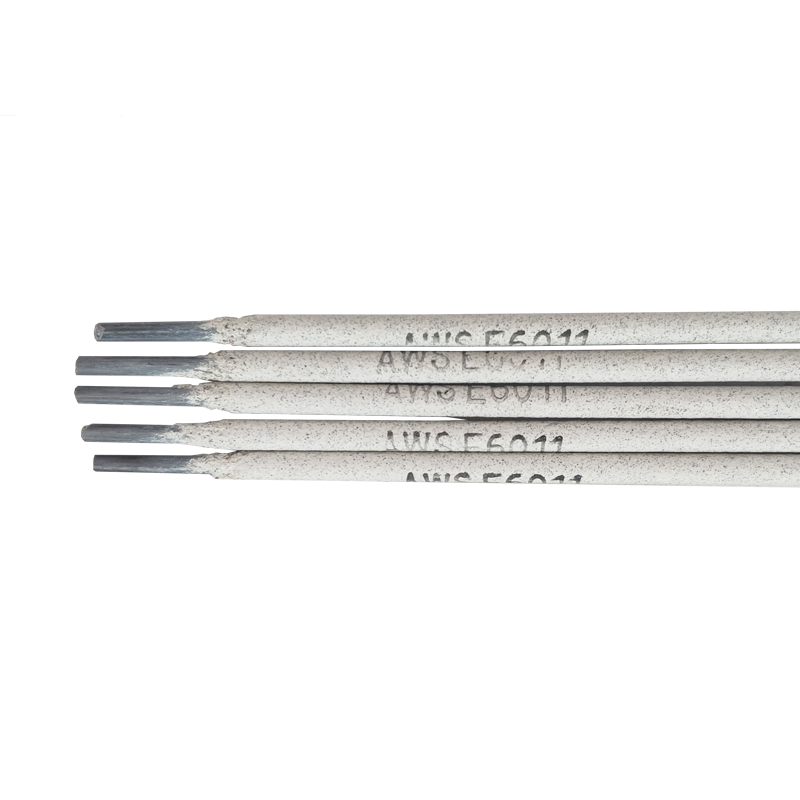
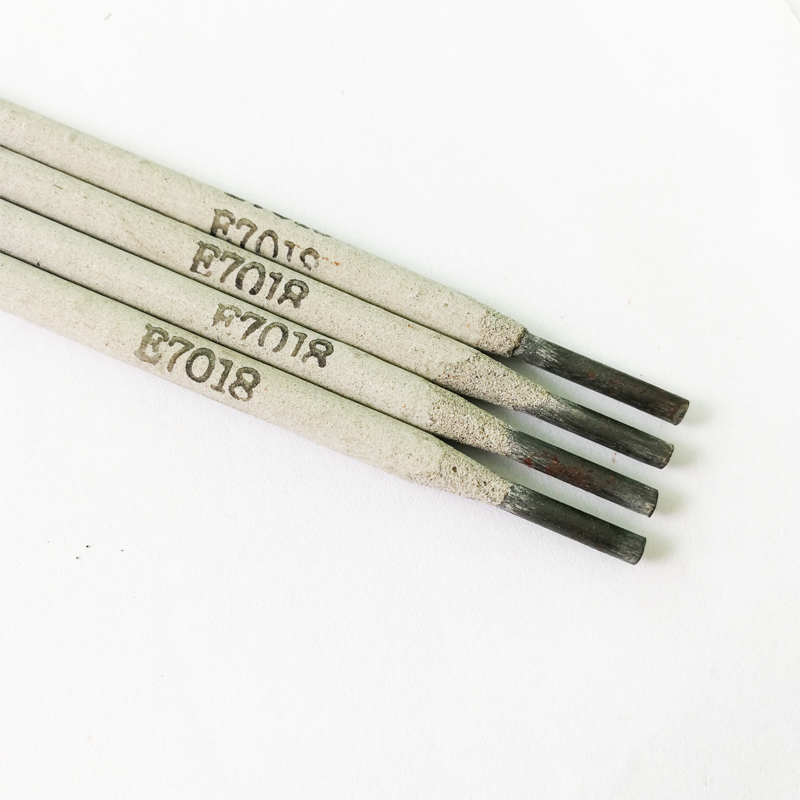
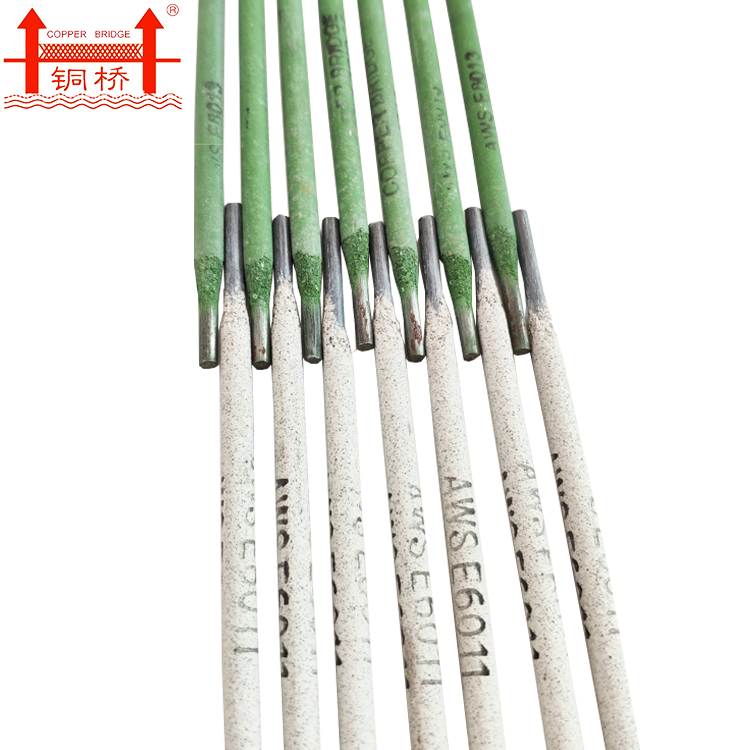
When you pick up a 6013 electrode instead of, say, a 6011 or 7018, you’re making a bit of a lifestyle choice for your weld projects — and often, for your budget. Let’s break down why it still fascinates so many engineers and fabricators:
- Cost Efficiency: Low-cost rods mean more budget for other materials or labor, especially critical in large industrial procurement or NGO projects with tight finances.
- Operational Flexibility: Compatible with different current types, it frees operators from buying specialized equipment.
- Speed and Clean Finish: Minimal slag and spatter reduce post-weld cleanup times, speeding the whole process.
- Social Impact: Easy for semi-skilled workers to use effectively, enabling local workshops and aid groups to work with confidence.
Looking Ahead: Innovations Impacting the 6013 Electrode
As the global welding industry nudges toward greener technologies, even traditional stick electrodes evolve. Some trends touching the 6013 space include:
- Eco-Friendly Coatings: New flux formulations reduce harmful emissions during welding.
- Automation Friendly Rods: Tailored 6013 variants optimized for robotic welding systems in light fabrication.
- Digital Quality Tracking: Embedded sensors and QR codes for batch traceability and performance monitoring.
- Recycling Efforts: Manufacturers increasingly reuse scrap metal to sustainably produce core wire and coatings.
It feels like the humble 6013 has an exciting future, blending traditional strengths with tomorrow’s technology.
Common Challenges & How Industry Experts Are Tackling Them
Sure, no product is perfect. Many welders mention that the 6013 electrode sometimes struggles with deeper penetration on thicker metals — leading to weak joints if not handled carefully. Also, weather sensitivity, especially moisture absorption, can cause weld defects.
Solutions are cropping up: manufacturers recommend strict storage protocols in dry containers, and recent flux innovations help electrodes resist moisture better. Plus, training and experience remain key — operators trained specifically on 6013 techniques report fewer welding failures.
FAQs About 6013 Electrodes
- Q1: Can I use 6013 electrodes on piece thicknesses above 1/4 inch?
- A1: The 6013 electrode is best suited for thin-to-medium thickness metals, generally up to about 3/16 to 1/4 inch. For thicker sections, electrodes like 7018 or 6010, which penetrate deeper, are usually recommended.
- Q2: What type of current is best for 6013 electrodes?
- A2: One of the strengths of 6013 rods is their flexibility — they work well with AC, DC positive, and DC negative. However, exact performance and bead appearance can vary slightly depending on current and settings.
- Q3: How should I store 6013 electrodes to maintain quality?
- A3: Keep them in a dry environment, ideally in sealed containers or electrode ovens, to prevent moisture absorption which leads to weld defects and porosity.
- Q4: Is 6013 suitable for outdoor welding?
- A4: It can be used outdoors but is more sensitive to wind and moisture compared to other electrodes. Shielded or controlled environments tend to yield better results.
- Q5: Where can I buy high-quality 6013 electrodes?
- A5: Reputable vendors like Jinlong Welding Electrode provide globally available, high-quality 6013 rods suitable for professional and DIY projects.
Wrapping Up: The Quiet Impact of the 6013 Electrode and Your Next Steps
So, it’s clear the 6013 electrode remains a versatile, cost-effective player in welding. Whether it’s in large-scale industrial fabrication or urgent rehab projects, these rods make metal joining accessible and efficient, without fancy machinery — sort of a “workhorse” in every sense.
If you’re looking to expand your welding toolkit or need reliable supplies, visiting our website is a good next step to discover quality 6013 electrodes tailored for your needs.
Final thought:
In a world racing toward high-tech automation and green manufacturing, sometimes it pays to remember the basics. The 6013 electrode embodies just that — simple, effective, globally trusted welding performance that quietly holds metal and communities together.
References

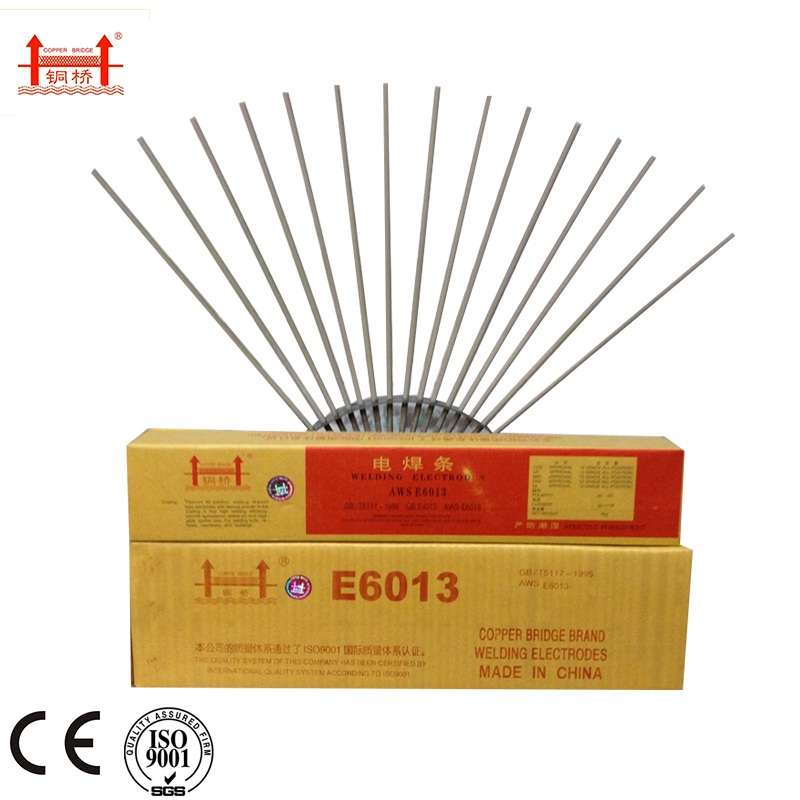
Related Video

Related News

2026-04-16 02:35:10
Precision Guide for e312 16 welding rod and Dissimilar Steel Welding
In the demanding world of industrial fabrication and repair, selecting the correct filler metal is the difference between a structural failure and a lifetime bond. The e312 16 welding rod is specifically engineered to meet the rigorous needs of welding dissimilar steels, offering an exceptional balance of strength and corrosion resistance. Whether you are working on high-pressure pipelines or heavy machinery components, understanding the nuances of this specialized electrode is key to achieving professional-grade results. This guide explores the technical advantages and practical applications of the E312 series to help you optimize your welding workflow.
2026-04-09 02:35:17
Choosing the Right cs to ss welding rod number Professional Guide
Joining carbon steel (CS) to stainless steel (SS) is a common challenge in industrial fabrication, requiring a precise understanding of metallurgy to avoid weld failure. The most critical decision in this process is identifying the correct cs to ss welding rod number to ensure a strong, corrosion-resistant bond. Using the wrong filler metal can lead to cracking or premature oxidation due to the different thermal expansion rates of the two materials. In this comprehensive guide, we will break down the technical specifications and selection criteria to help you achieve a professional-grade weld every time.
2026-04-07 02:25:29
Comprehensive Guide to 409 Welding Rod Selection and Optimal Usage
When it comes to welding applications requiring corrosion resistance and good weldability, the 409 welding rod is a frequently chosen option. This article provides a detailed overview of this versatile welding rod, exploring its composition, applications, benefits, and considerations for optimal use. Whether you’re a seasoned professional or new to welding, understanding the properties of 409 welding rod is crucial for achieving high-quality, durable welds. We’ll cover everything you need to know to make informed decisions for your welding projects.
2026-04-04 02:35:28
Comprehensive Guide to 330 Stainless Steel Welding Rod Applications and Techniques
330 stainless steel welding rods are a crucial component in various industries, offering exceptional corrosion resistance and high-temperature strength. This article provides an in-depth look at these rods, covering their properties, applications, choosing the right rod, welding techniques, safety precautions, and where to find high-quality options. Whether you're a seasoned welding professional or new to the field, this guide will offer valuable insights.
2026-03-31 02:35:08
Comprehensive Guide to 312 Stainless Tig Rod for Superior Welding Performance
When choosing the right filler metal for your TIG welding projects, especially in demanding applications, 312 stainless steel tig rod stands out for its exceptional corrosion resistance and high-temperature strength. This comprehensive guide will explore its composition, applications, benefits, and how it compares to other stainless steel rods. We'll also point you to resources for sourcing high-quality rods.
2026-03-28 02:45:04
Comprehensive Guide to 312 17 Welding Rod Applications and Technical Details
Welding rods are essential consumables in the welding process, and selecting the right one is crucial for achieving strong, durable, and high-quality welds. The 312 17 welding rod is a popular choice for many applications due to its unique properties and versatility. This article delves into the characteristics, applications, benefits, and considerations when using 312 17 welding rods, providing a comprehensive resource for welders and engineers alike. Choosing the right rod directly impacts the success and longevity of any welding project.
2026-03-26 02:35:10
Comprehensive Guide to the 312 16 Welding Rod for Superior Steel Welding
The 312 16 welding rod is a versatile and widely-used electrode in various welding applications. Known for its excellent weldability and strong mechanical properties, it's a go-to choice for professionals and hobbyists alike. This article delves into the specifics of this electrode, covering its composition, applications, advantages, and how to choose the right one for your projects. Understanding the nuances of the 312 16 welding rod is crucial for achieving high-quality, durable welds. The designation "312 16" provides key information about the welding rod. "312" refers to the type of flux coating, specifically a low-hydrogen, iron powder coating. This coating is designed to produce welds with excellent mechanical properties and good resistance to cracking. The "16" indicates the diameter of the rod in 32nds of an inch – so a 312 16 rod has a diameter of 16/32 or 1/2 inch. This combination makes it suitable for a wide range of steel welding applications. The low-hydrogen nature of the flux minimizes hydrogen-induced cracking, a common issue in welding certain steels.
2026-03-24 02:45:07
Comprehensive Guide to 309LSI TIG Rod Welding Applications and Best Practices
The 309LSI TIG rod is a versatile welding consumable widely used across various industries for its exceptional corrosion resistance and weldability. This article will explore the properties, applications, advantages, and best practices associated with using 309LSI TIG rods. Whether you're a seasoned welding professional or new to the field, this guide will provide you with valuable insights into maximizing the performance and longevity of your welds. The 309LSI TIG rod is a stainless steel electrode specifically designed for Gas Tungsten Arc Welding (GTAW), commonly known as TIG welding. The "309LSI" designation indicates the alloy composition: 309 signifies the chromium-nickel content, 'L' denotes low carbon content for enhanced corrosion resistance, and 'SI' signifies stabilized with silicon for improved resistance to carbide precipitation during welding.

 English
  Arabic
  Bengali
  China
China  French
  German
  Hausa
Hausa  Indonesian
  Italian
  Japanese
  Javanese
  Malay
Malay  Persian
  Portuguese
  Punjabi
  Russian
  Spanish
  Swahili
  Telugu
  Vietnamese