

Comprehensive Guide to E6013 Electrode – Uses, Specs & Global Insights

Comprehensive Guide to E6013 Electrode – Uses, Specs & Global Insights
Nov . 29, 2025 23:05
Understanding the E6013 Electrode: A Subtle Power Player in Welding
If you’ve ever peeked behind the scenes of metal fabrication, chances are you’ve encountered—or at least heard about—the e6013 electrode. It’s one of those quietly efficient tools that welders swear by, offering a unique blend of ease, reliability, and versatility.
Globally, welding electrodes like the e6013 have quietly shaped infrastructure, manufacturing, and even humanitarian relief efforts. With the manufacturing sector growing steadily according to data from the International Labour Organization and markets pushing for more sustainable, cost-effective fabrication methods, understanding tools like this is invaluable. Why? Because, frankly, knowing your electrodes means you get stronger, cleaner welds, longer service life, and fewer headaches on the shop floor.
Mini takeaway: The e6013 electrode isn’t just another welding stick; it’s a practical, everyday hero in metal joining worldwide.
Why the e6013 Electrode Holds Global Relevance in Industry
Welding remains a backbone of industrial development—whether you’re building skyscrapers in Shanghai or reinforcing pipelines in Alberta. According to ISO and World Bank statistics, the global welding consumables market is expected to grow steadily, driven by rapid urbanization and infrastructural modernization, especially in emerging economies. That’s where the e6013 electrode shines: it provides a cost-effective, easy-to-use method for welding thin to medium gauge metals, which is crucial as industries push for precision combined with affordability.
One big challenge? Welding remotely or in less-than-ideal conditions, say on a construction site with rough weather or limited power supplies. The e6013 offers stability and good arc characteristics even in these scenarios, thus addressing real-world challenges welders face globally.
Decoding the E6013 Electrode: What Exactly Is It?
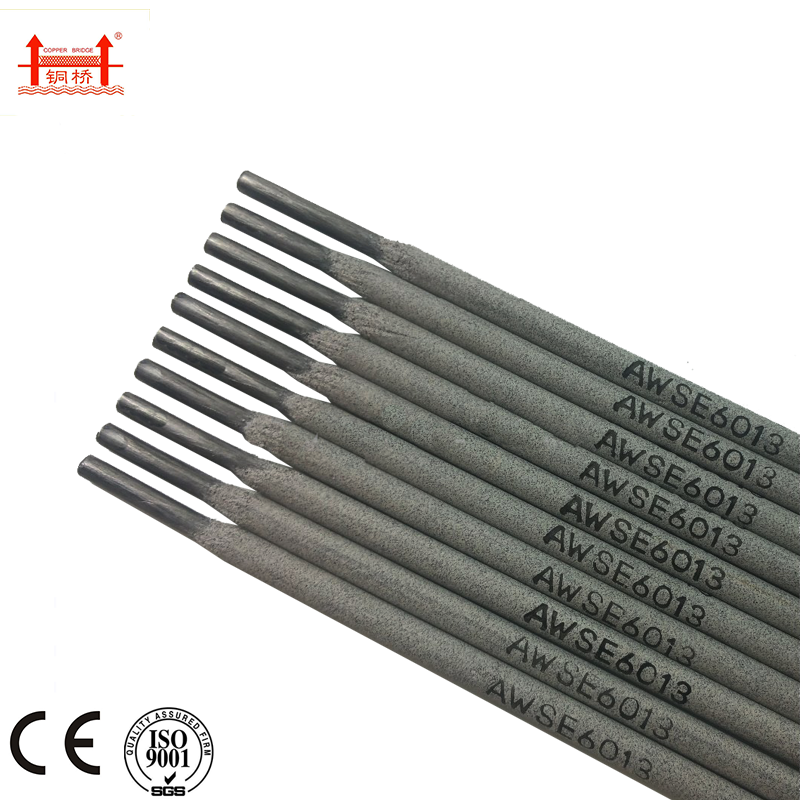
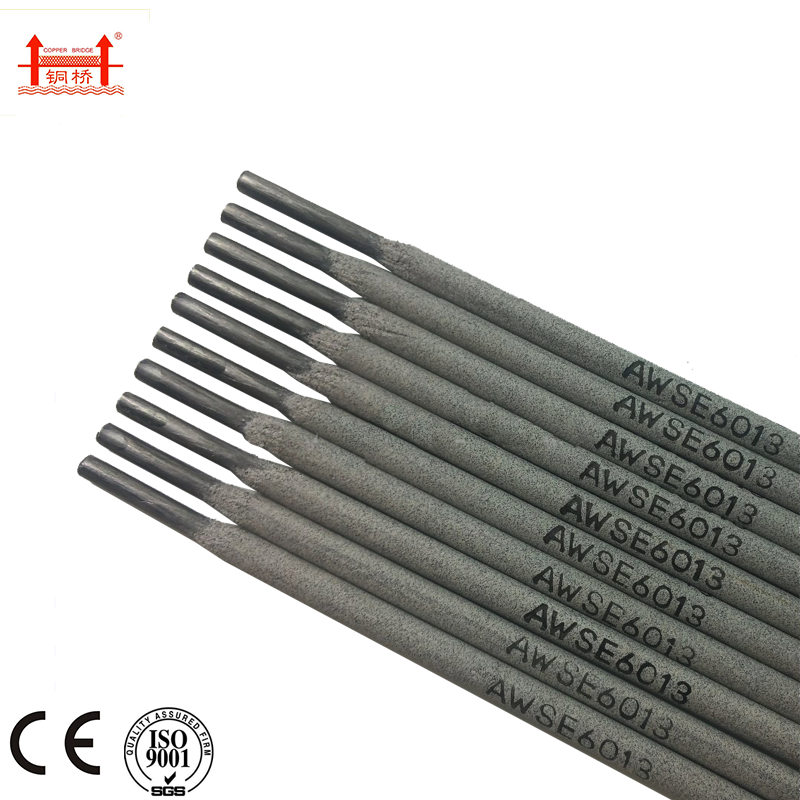
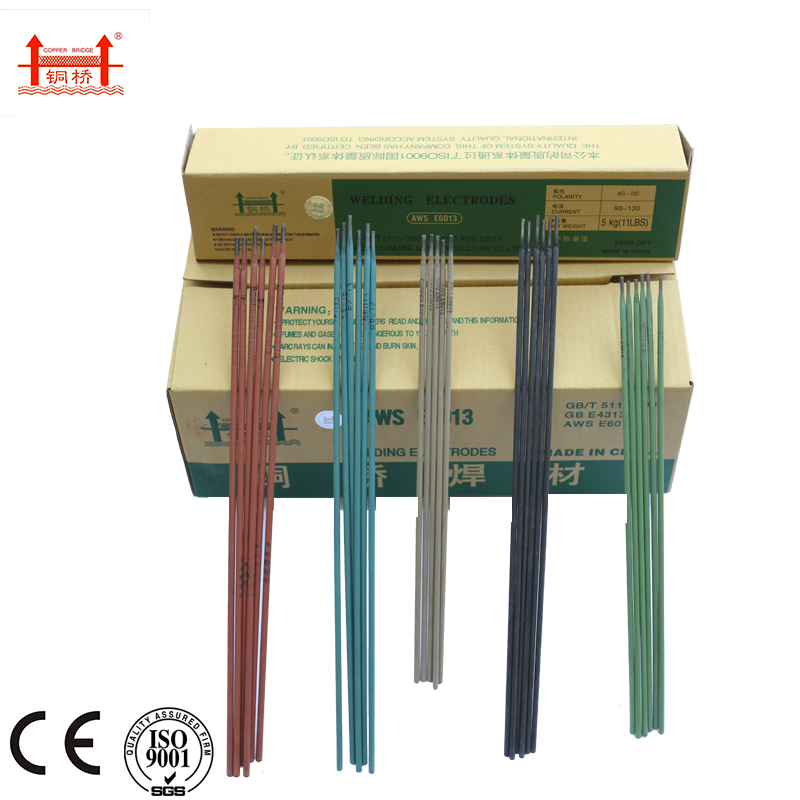
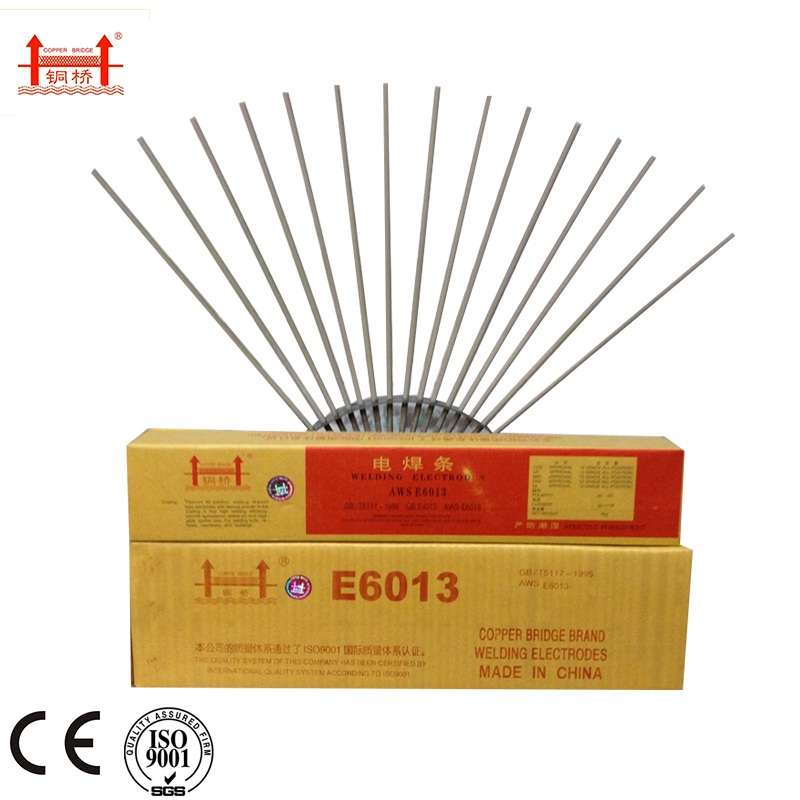
The e6013 electrode, in simple terms, is a type of welding rod used predominantly for Shielded Metal Arc Welding (SMAW). The “60” stands for minimum tensile strength of 60,000 psi, and “13” denotes the type of coating and current the electrode supports — typically a rutile-coated electrode suited for AC/DC and known for its stable arc and smooth weld bead.
Modern metal fabrication often calls for electrodes that have balanced performance with ease of use. That’s where the e6013 gains attention: its compatibility with thin sheet metals and its smoother weld profiles make it ideal in manufacturing and even humanitarian projects where quick, sturdy repairs matter.
Mini takeaway: Simply put, e6013 is a versatile rod that balances strength and user-friendliness — an apt choice in diverse industrial and service settings.
Key Characteristics That Make E6013 Electrodes So Practical
1. Ease of Use and Versatility
Many welders remark how forgiving the e6013 electrode is, especially for beginners learning the ropes or for quick patch jobs. It operates smoothly on AC or DC power sources, and you don’t have to be an expert at angle or speed for decent penetration, which is not always the case for other electrodes.
2. Surface Finish and Weld Aesthetics
The rutile coating gives a bright, relatively smooth weld bead with low spatter. In production settings where looks matter—like automotive repairs or decorative metalwork—this makes a surprisingly big difference.
3. Suitable for Thin Metals
Though it’s not the strongest electrode for heavy structural steel, the e6013 is perfect for sheet metals and light-gauge steel. This makes it essential in lightweight manufacturing, HVAC ductwork, and certain electrical enclosures.
4. Cost Efficiency and Availability
Because of its widespread production and popularity, the e6013 electrode is often one of the most affordable welding rods around. This cost accessibility helps small workshops and large factories alike.
5. Arc Stability
Consistency during welding means fewer defects, less rework, and lower wastage. And the e6013’s arc stability is well-appreciated, even on rusty or slightly dirty metals.
Product Specification Table: E6013 Electrode Basics
| Specification | Details |
|---|---|
| Tensile Strength | ≥ 60,000 psi |
| Electrode Coating | Rutile |
| Current Type | AC/DC |
| Welding Position | Flat, Horizontal, Vertical (up/down) |
| Diameter Range | 1.6 mm to 4.0 mm |
Global Applications & Use Cases of the E6013 Electrode
The e6013 electrode’s footprint can be seen scattered in factories, construction sites, and even disaster relief camps worldwide. For instance, in Southeast Asia, it’s a go-to electrode for fabricating lightweight frames for agricultural machinery and shelters. In parts of Eastern Europe, repair shops rely on it extensively due to the availability of AC welding machines and the electrode’s dependable performance on thin-gauge steel.
Oddly enough, NGOs running post-disaster infrastructure repairs often choose e6013 electrodes because they’re easy to transport, have a long shelf life, and require minimal power equipment—critical for unstable power grids or field work.
One small story I recall involved a rural workshop in Latin America — they used e6013 rods exclusively for repairing irrigation systems. Thanks to the rods' smooth welds, leaks were fixed swiftly, saving crops and livelihoods during drought season. It’s those little victories that add up.
Mini takeaway: Whether you’re patching farms, assembling light structures, or doing maintenance in places with unstable power, the e6013 is often the quiet cornerstone.
The Advantages and Long-Term Value of Using E6013 Electrodes
- Cost Saving: Because e6013 rods are widely produced, availability keeps prices competitive while mitigating downtime.
- Sustainability: Efficient metal joining reduces material waste. Plus, the smoother welds mean fewer repairs down the line.
- Reliability: You get consistent, stable arcs leading to dependable joint strength.
- Ease and Safety: Its forgiving nature reduces operator fatigue and risk of welding defects.
- Social Impact: Enabling small-scale fabricators to deliver quality work uplifts communities and preserves livelihoods.
In a way, it’s not just about the rod itself. It’s about trust, dignity in workmanship, and innovation at a human scale.
Looking Ahead: Emerging Trends Around E6013 and Welding
The welding industry isn’t standing still. The push towards greener manufacturing has seen innovations like low-fume, low-hydrogen consumables, and electrodes with smarter coatings to reduce emissions. The e6013 remains a staple, but suppliers are tweaking formulations for better environmental and health profiles.
Meanwhile, digital automation and robotic welders predominantly still favour specialized electrodes, but on smaller or flexible lines, manual welding with e6013 rods persists. It feels like this electrode will stay relevant as a bridge between heavy automation and artisanal skill.
Also, battery-powered and solar-welding units are becoming more common, especially in remote or off-grid areas, perfectly matching the e6013’s compatibility with AC/DC sources.
Challenges in Using E6013 Electrodes and How to Overcome Them
No electrode is without quirks. While e6013 rods excel on thin metals, they aren’t the strongest option for heavy structural steel or high-stress joints. Another occasional complaint is sensitivity to moisture, which can cause porosity or cracking if storage isn’t proper.
Experts recommend insulating your electrodes well and matching rod choice to job specs carefully — sometimes requiring a complementary rod for strength-critical welds.
Also, operator skill will always matter. Even the most user-friendly electrode can produce poor results if technique is rushed or angles are off.
Vendor Comparison Table: Popular E6013 Electrode Brands
| Brand | Coating Quality | Arc Stability | Price (per kg) | Availability | Typical Use |
|---|---|---|---|---|---|
| Jinlong Welding Electrode | High-quality rutile | Excellent stability | $4.50 | Global, 24/7 shipping | Thin steel, sheet metal repair |
| Lincoln Electric | Premium coating | Very stable | $5.20 | Widely available | Industrial repairs & fabrication |
| ESAB | Good, consistent | Stable | $5.00 | Global distribution | Light to medium fabrication |
Frequently Asked Questions About E6013 Electrodes
Q1: Can the e6013 electrode be used for vertical welding?
Yes, the e6013 is suitable for multiple welding positions including flat, horizontal, and vertical. However, vertical downhill welding is preferred due to easier control of molten metal.
Q2: What materials can I weld with the e6013 electrode?
E6013 rods are primarily designed for mild steel and low-carbon steel. They are not ideal for stainless steel or cast iron.
Q3: Is e6013 better for AC or DC welding machines?
The e6013 electrode works well with both AC and DC machines, making it versatile for different welding setups and power availabilities.
Q4: How should I store e6013 electrodes to avoid moisture?
Keep them in a dry, sealed container at room temperature. If exposed to humidity, consider baking them prior to welding to reduce moisture-related defects.
Q5: Can beginners weld successfully using e6013 rods?
Absolutely. The e6013 is known for ease of striking an arc and forgiving weld pool control, making it a favorite choice for novice welders.
Wrapping It Up: Does the E6013 Electrode Still Make Sense?
In an era of complex alloys, laser-cutting, and automated welding robots, it feels almost comforting—and frankly, a bit refreshingly simple—that this particular electrode remains a staple. It’s not the flashiest or the strongest, but the e6013 electrode embodies reliability, economy, and accessible quality. Whether you’re tinkering in your garage or running a small fabrication shop halfway across the globe, it’s a dependable choice.
For those ready to dive deeper or source high-quality e6013 electrodes, I recommend visiting Jinlong Welding Electrode. They offer consistent quality, great customer support, and ship globally, which is kind of what you want anyway.
So next time you’re picking your welding rod, give a little nod to the trusty e6013 — it just might surprise you.
References & Further Reading

Related Video

Related News


2026-04-16 02:35:10
Precision Guide for e312 16 welding rod and Dissimilar Steel Welding
In the demanding world of industrial fabrication and repair, selecting the correct filler metal is the difference between a structural failure and a lifetime bond. The e312 16 welding rod is specifically engineered to meet the rigorous needs of welding dissimilar steels, offering an exceptional balance of strength and corrosion resistance. Whether you are working on high-pressure pipelines or heavy machinery components, understanding the nuances of this specialized electrode is key to achieving professional-grade results. This guide explores the technical advantages and practical applications of the E312 series to help you optimize your welding workflow.
2026-04-09 02:35:17
Choosing the Right cs to ss welding rod number Professional Guide
Joining carbon steel (CS) to stainless steel (SS) is a common challenge in industrial fabrication, requiring a precise understanding of metallurgy to avoid weld failure. The most critical decision in this process is identifying the correct cs to ss welding rod number to ensure a strong, corrosion-resistant bond. Using the wrong filler metal can lead to cracking or premature oxidation due to the different thermal expansion rates of the two materials. In this comprehensive guide, we will break down the technical specifications and selection criteria to help you achieve a professional-grade weld every time.
2026-04-07 02:25:29
Comprehensive Guide to 409 Welding Rod Selection and Optimal Usage
When it comes to welding applications requiring corrosion resistance and good weldability, the 409 welding rod is a frequently chosen option. This article provides a detailed overview of this versatile welding rod, exploring its composition, applications, benefits, and considerations for optimal use. Whether you’re a seasoned professional or new to welding, understanding the properties of 409 welding rod is crucial for achieving high-quality, durable welds. We’ll cover everything you need to know to make informed decisions for your welding projects.
2026-04-04 02:35:28
Comprehensive Guide to 330 Stainless Steel Welding Rod Applications and Techniques
330 stainless steel welding rods are a crucial component in various industries, offering exceptional corrosion resistance and high-temperature strength. This article provides an in-depth look at these rods, covering their properties, applications, choosing the right rod, welding techniques, safety precautions, and where to find high-quality options. Whether you're a seasoned welding professional or new to the field, this guide will offer valuable insights.
2026-03-31 02:35:08
Comprehensive Guide to 312 Stainless Tig Rod for Superior Welding Performance
When choosing the right filler metal for your TIG welding projects, especially in demanding applications, 312 stainless steel tig rod stands out for its exceptional corrosion resistance and high-temperature strength. This comprehensive guide will explore its composition, applications, benefits, and how it compares to other stainless steel rods. We'll also point you to resources for sourcing high-quality rods.
2026-03-28 02:45:04
Comprehensive Guide to 312 17 Welding Rod Applications and Technical Details
Welding rods are essential consumables in the welding process, and selecting the right one is crucial for achieving strong, durable, and high-quality welds. The 312 17 welding rod is a popular choice for many applications due to its unique properties and versatility. This article delves into the characteristics, applications, benefits, and considerations when using 312 17 welding rods, providing a comprehensive resource for welders and engineers alike. Choosing the right rod directly impacts the success and longevity of any welding project.
2026-03-26 02:35:10
Comprehensive Guide to the 312 16 Welding Rod for Superior Steel Welding
The 312 16 welding rod is a versatile and widely-used electrode in various welding applications. Known for its excellent weldability and strong mechanical properties, it's a go-to choice for professionals and hobbyists alike. This article delves into the specifics of this electrode, covering its composition, applications, advantages, and how to choose the right one for your projects. Understanding the nuances of the 312 16 welding rod is crucial for achieving high-quality, durable welds. The designation "312 16" provides key information about the welding rod. "312" refers to the type of flux coating, specifically a low-hydrogen, iron powder coating. This coating is designed to produce welds with excellent mechanical properties and good resistance to cracking. The "16" indicates the diameter of the rod in 32nds of an inch – so a 312 16 rod has a diameter of 16/32 or 1/2 inch. This combination makes it suitable for a wide range of steel welding applications. The low-hydrogen nature of the flux minimizes hydrogen-induced cracking, a common issue in welding certain steels.
2026-03-24 02:45:07
Comprehensive Guide to 309LSI TIG Rod Welding Applications and Best Practices
The 309LSI TIG rod is a versatile welding consumable widely used across various industries for its exceptional corrosion resistance and weldability. This article will explore the properties, applications, advantages, and best practices associated with using 309LSI TIG rods. Whether you're a seasoned welding professional or new to the field, this guide will provide you with valuable insights into maximizing the performance and longevity of your welds. The 309LSI TIG rod is a stainless steel electrode specifically designed for Gas Tungsten Arc Welding (GTAW), commonly known as TIG welding. The "309LSI" designation indicates the alloy composition: 309 signifies the chromium-nickel content, 'L' denotes low carbon content for enhanced corrosion resistance, and 'SI' signifies stabilized with silicon for improved resistance to carbide precipitation during welding.

 English
  Arabic
  Bengali
  China
China  French
  German
  Hausa
Hausa  Indonesian
  Italian
  Japanese
  Javanese
  Malay
Malay  Persian
  Portuguese
  Punjabi
  Russian
  Spanish
  Swahili
  Telugu
  Vietnamese