

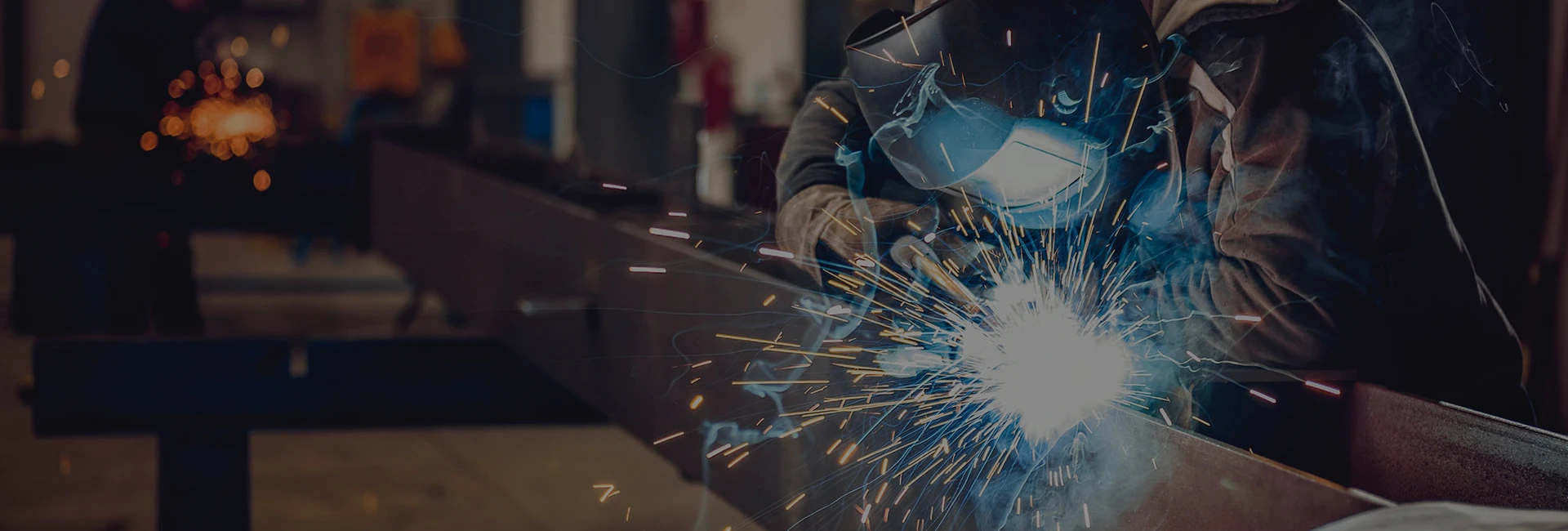
Comprehensive Guide to e7018 Specification for Welding Electrode Excellence

Comprehensive Guide to e7018 Specification for Welding Electrode Excellence
Nov . 26, 2025 16:50
Understanding the e7018 Specification: Why It Matters More Than Ever
At a glance, e7018 specification might sound like some cryptic jargon meant only for seasoned welders or engineers. But in reality, it's a staple in modern fabrication industries — and has quietly supported infrastructure from skyscrapers to bridges, pipelines to power plants around the globe. Frankly, understanding this specification can be a game-changer, whether you're evaluating welding electrodes for a project or just curious about how lasting joints get made.
Globally, construction and manufacturing sectors depend heavily on reliable welding methods. According to the World Steel Association, over 1.85 billion tons of steel were produced worldwide in 2022 — much of which requires welding electrodes conforming to specific standards. Among these, e7018 stands out for its strength, versatility, and usability, making it a crucial piece in the vast machinery of global development.
Before we dive deep, consider this: tough, durable welds mean safer buildings, longer-lasting machines, and less frequent repairs in industries where downtime can cost millions — from automotive plants in Germany to oil rigs off the coast of Brazil.
What Exactly Is the e7018 Specification?
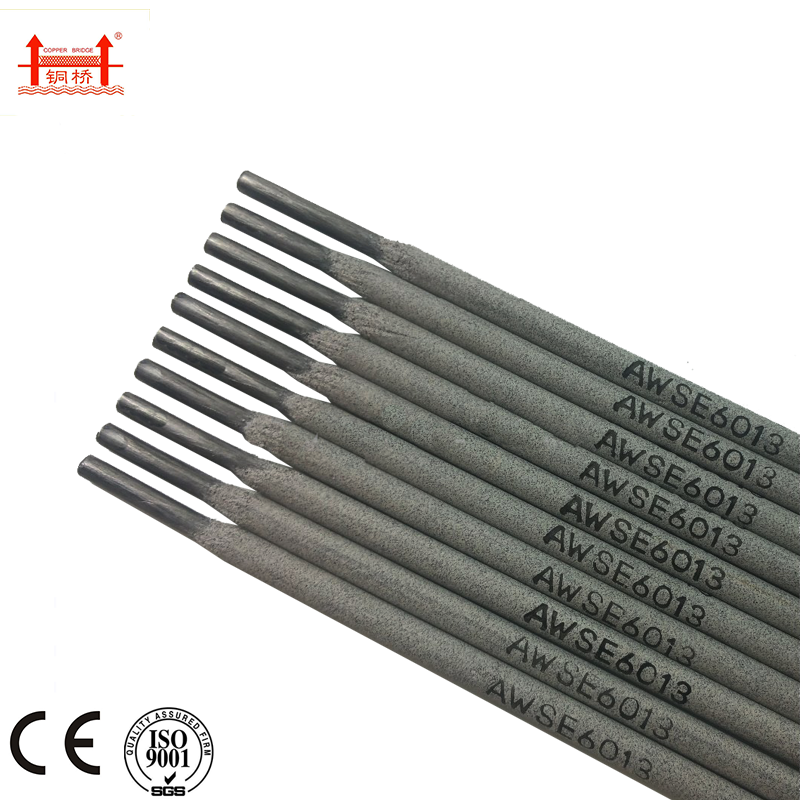
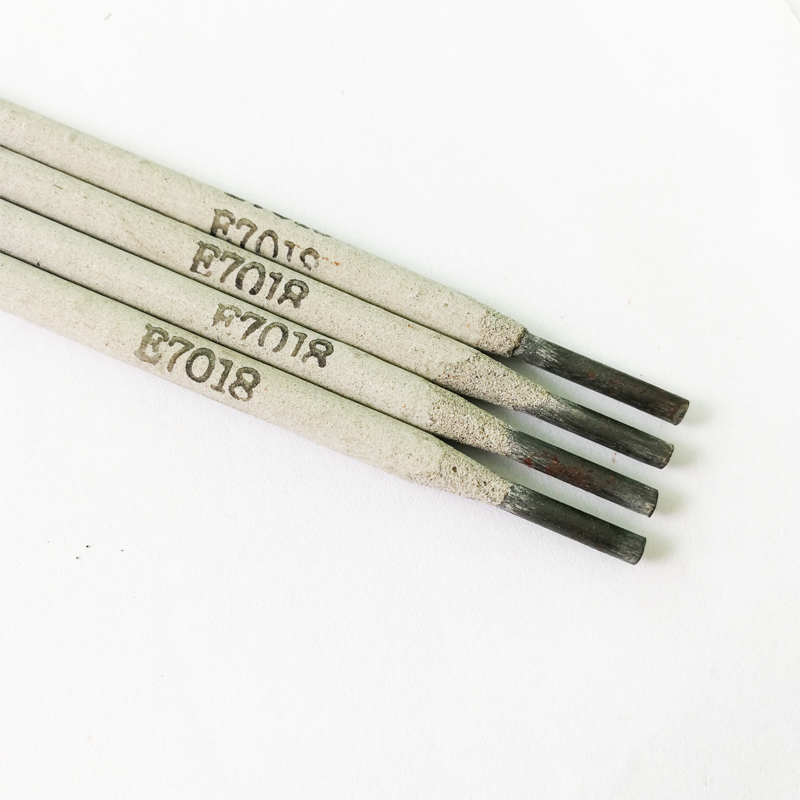
Put simply, the e7018 specification is a designation for a certain type of welding electrode, defined by the American Welding Society (AWS). Breaking down the code: 'E' stands for electrode, '70' denotes the minimum tensile strength of 70,000 psi, '1' indicates it's suitable for all welding positions, and '8' relates to the electrode’s coating type and current compatibility.
These low-hydrogen electrodes are designed to produce high-quality welds with superior strength and toughness. They're especially favored in structural steel welding, thanks to their clean slag and crack resistance — qualities that make them a workhorse in demanding environments.
Oddly enough, despite being an industrial mainstay, the e7018 electrode speaks not only to engineers but also to wider humanitarian and infrastructure needs. When you think about rebuilding bridges after natural disasters or erecting wind turbine towers for green energy, the backbone of those efforts often lies in reliable welding adhering to specifications like e7018.
Core Components of e7018 Electrodes and Why They Matter
1. Durability and Strength
The 70,000 psi tensile strength is more than a number — it means welds made with e7018 electrodes can withstand significant mechanical stress. For engineers, that's reassurance that the joints won't fail unexpectedly, even under harsh conditions.
2. Low Hydrogen Content
Hydrogen is welding’s sneaky foe. Too much, and you risk brittle cracks forming in the metal. The e7018's low-hydrogen coating reduces this risk, which is critical for structures that need to last decades. In cold climates or underwater welds, this property is a lifesaver.
3. All-Position Welding Flexibility
Whether overhead, vertical, or flat, the e7018 electrode performs consistently. This versatility removes the hassle for welders working on complex geometries or tight spaces — making it easier to achieve uniform quality.
4. Smooth Arc and Clean Slag
The smooth welding arc and easily removable slag reduce post-weld cleaning time. This boosts productivity and lessens fatigue — something welding professionals repeatedly mention when comparing electrodes.
5. Compatibility With AC and DC Currents
The electrode works well across alternating (AC) and direct current (DC). This flexibility simplifies equipment choices on site — no need for specialized power sources, which often complicate logistics.
Product Specifications: A Closer Look
| Specification | Details |
|---|---|
| AWS Classification | E7018 |
| Tensile Strength | 70,000 psi minimum |
| Positions | All positions (flat, vertical, overhead, horizontal) |
| Coating Type | Low hydrogen potassium iron powder |
| Current Type | AC or DC+ |
| Typical Diameter Range | 1/16" to 3/32" (1.6mm to 2.4mm) |
Who’s Using the e7018 Specification and Where?
If you’ve ever crossed a big highway bridge or admired a steel-framed stadium, chances are you’ve seen the fruits of e7018 welding. The construction industries in North America and Europe are among the largest users, relying on these electrodes for structural integrity and compliance with safety standards like ISO 4063.
In Asia, rapid urbanization fuels massive demand. For instance, China’s infrastructure boom — which added thousands of kilometers of railways and highway bridges in recent years — uses e7018 electrodes extensively. Likewise, oil and gas fields in the Middle East opt for these electrodes because their welds endure extreme heat and pressure.
Oddly enough, the humanitarian sector also uses these electrodes, especially in rebuilding after disasters. NGOs collaborating with engineering teams turn to them for quick, lasting repairs that ensure the safety of shelters, water systems, and community centers.
Advantages That Make e7018 a Go-To Electrode
- Cost-Effective Longevity: Fewer failures mean less rework and downtime, translating directly into cost savings.
- Environmental Impact: High-quality welds minimize replacements, lowering the consumption of raw materials over time.
- Safety and Trust: Because e7018 welds resist cracking and fatigue, structures are safer, protecting lives.
- User-Friendliness: Compatible with commonly available welding machines and simple to use, it cuts training time.
- Innovation Support: Its adaptability makes it a foundation for integrating new digital welding monitoring technologies.
In essence, choosing e7018 electrodes isn’t just a technical call; it’s an investment in safety, efficiency, and sustainability — qualities that matter regardless of where the weld is happening.
Comparing Top Vendors of e7018 Electrodes
| Vendor | Price (per kg) | Coating Quality | Customer Support | Available Sizes |
|---|---|---|---|---|
| Jinlong Welding Electrode | $12.50 | High consistency, low slag inclusion | 24/7 Technical Support | 1/16", 3/32" |
| ArcMaster Tools | $11.80 | Good coating, occasional slag residues | Business Hours Only | 1/16", 1/8" |
| SteelPro Supplies | $13.00 | Premium coating, low defects | Limited Support | All standard sizes |
Emerging Trends in e7018 and Welding Technology
Looking ahead, e7018 electrodes aren’t standing still. Modern manufacturers are integrating improved coatings that withstand higher temperatures and offer greater crack resistance, answering demands from high-tech industries like aerospace and renewable energy.
Digital transformation is another big thing. Smart welding helmets and sensors monitor arc stability and electrode conditions in real time, enhancing quality control. Low carbon and green energy trends also encourage the development of electrodes compatible with renewable power sources, a subtle but growing factor in steel fabrication.
The rise of automated and robotic welding systems is shaping how e7018 electrodes get used, too. Robots need consistent consumables — and these electrodes fit the bill, ensuring repeatable performance without surprises.
Challenges and How the Industry Is Tackling Them
Despite the strengths, e7018 electrodes come with challenges that engineers and welders often encounter:
- Storage Sensitivity: These are low-hydrogen electrodes and must be stored in dry ovens to prevent moisture absorption. Failure to do so can cause weld defects. Innovative vacuum-packaging and portable drying units are emerging as solutions in tough jobsite conditions.
- Operator Skill: While versatile, getting the best weld out of e7018 still requires trained hands, especially in critical applications. Training programs bolstered by VR welding simulators are improving expertise without expensive material waste.
- Cost Considerations: Slightly pricier than general-purpose electrodes, but the ROI through durability often justifies the spend.
It's fair to say the industry is proactive about these issues, steadily improving electrode robustness and user accessibility.
FAQs About e7018 Specification
- What materials can you weld using e7018 specification electrodes?
- Primarily carbon and low-alloy steels. The electrodes create welds suitable for structural steel, pressure vessels, and general fabrication.
- How should e7018 electrodes be stored on-site to maintain quality?
- They should be kept in dry, temperature-controlled environments—often ovens at about 250°F (121°C)—to prevent moisture absorption and hydrogen-induced cracking.
- Can e7018 electrodes be used with AC welding machines?
- Yes, e7018 rods are designed to be compatible with both AC and DC (direct current electrode positive) welding machines, offering operational flexibility.
- How does the e7018 electrode compare to e6010 in terms of weld strength?
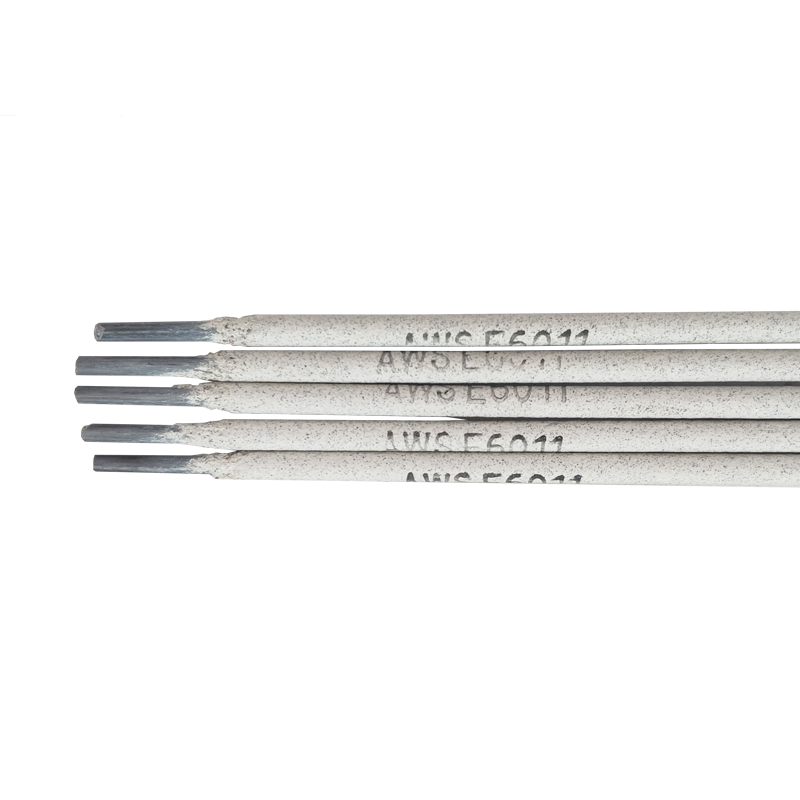
- e7018 provides higher tensile strength (70 ksi vs. 60 ksi) and produces welds with better toughness and low hydrogen content, making it preferable for critical structural welds.
- Is the e7018 electrode suitable for outdoor welding?
- It can be used outdoors, but precautions against moisture and wind are necessary since they affect weld quality and electrode condition.
Final Thoughts and Next Steps
Understanding the e7018 specification isn’t just for technicians—it’s key to appreciating how modern infrastructure and industry achieve lasting, safe connections. The solid performance, global footprint, and forward-looking innovations make e7018 a dependable choice for a wide array of welding needs.
Thinking about stocking up or specifying e7018 electrodes? Visit our site to explore product ranges, technical sheets, and expert advice—because choosing the right electrode can be the difference between a weld that lasts and one that costs more in repairs down the line.
In the end, e7018 is more than a spec… it's a quiet but indispensable partner in building our world.
References:

Related Video

Related News

2026-04-16 02:35:10
Precision Guide for e312 16 welding rod and Dissimilar Steel Welding
In the demanding world of industrial fabrication and repair, selecting the correct filler metal is the difference between a structural failure and a lifetime bond. The e312 16 welding rod is specifically engineered to meet the rigorous needs of welding dissimilar steels, offering an exceptional balance of strength and corrosion resistance. Whether you are working on high-pressure pipelines or heavy machinery components, understanding the nuances of this specialized electrode is key to achieving professional-grade results. This guide explores the technical advantages and practical applications of the E312 series to help you optimize your welding workflow.
2026-04-09 02:35:17
Choosing the Right cs to ss welding rod number Professional Guide
Joining carbon steel (CS) to stainless steel (SS) is a common challenge in industrial fabrication, requiring a precise understanding of metallurgy to avoid weld failure. The most critical decision in this process is identifying the correct cs to ss welding rod number to ensure a strong, corrosion-resistant bond. Using the wrong filler metal can lead to cracking or premature oxidation due to the different thermal expansion rates of the two materials. In this comprehensive guide, we will break down the technical specifications and selection criteria to help you achieve a professional-grade weld every time.
2026-04-07 02:25:29
Comprehensive Guide to 409 Welding Rod Selection and Optimal Usage
When it comes to welding applications requiring corrosion resistance and good weldability, the 409 welding rod is a frequently chosen option. This article provides a detailed overview of this versatile welding rod, exploring its composition, applications, benefits, and considerations for optimal use. Whether you’re a seasoned professional or new to welding, understanding the properties of 409 welding rod is crucial for achieving high-quality, durable welds. We’ll cover everything you need to know to make informed decisions for your welding projects.
2026-04-04 02:35:28
Comprehensive Guide to 330 Stainless Steel Welding Rod Applications and Techniques
330 stainless steel welding rods are a crucial component in various industries, offering exceptional corrosion resistance and high-temperature strength. This article provides an in-depth look at these rods, covering their properties, applications, choosing the right rod, welding techniques, safety precautions, and where to find high-quality options. Whether you're a seasoned welding professional or new to the field, this guide will offer valuable insights.
2026-03-31 02:35:08
Comprehensive Guide to 312 Stainless Tig Rod for Superior Welding Performance
When choosing the right filler metal for your TIG welding projects, especially in demanding applications, 312 stainless steel tig rod stands out for its exceptional corrosion resistance and high-temperature strength. This comprehensive guide will explore its composition, applications, benefits, and how it compares to other stainless steel rods. We'll also point you to resources for sourcing high-quality rods.
2026-03-28 02:45:04
Comprehensive Guide to 312 17 Welding Rod Applications and Technical Details
Welding rods are essential consumables in the welding process, and selecting the right one is crucial for achieving strong, durable, and high-quality welds. The 312 17 welding rod is a popular choice for many applications due to its unique properties and versatility. This article delves into the characteristics, applications, benefits, and considerations when using 312 17 welding rods, providing a comprehensive resource for welders and engineers alike. Choosing the right rod directly impacts the success and longevity of any welding project.
2026-03-26 02:35:10
Comprehensive Guide to the 312 16 Welding Rod for Superior Steel Welding
The 312 16 welding rod is a versatile and widely-used electrode in various welding applications. Known for its excellent weldability and strong mechanical properties, it's a go-to choice for professionals and hobbyists alike. This article delves into the specifics of this electrode, covering its composition, applications, advantages, and how to choose the right one for your projects. Understanding the nuances of the 312 16 welding rod is crucial for achieving high-quality, durable welds. The designation "312 16" provides key information about the welding rod. "312" refers to the type of flux coating, specifically a low-hydrogen, iron powder coating. This coating is designed to produce welds with excellent mechanical properties and good resistance to cracking. The "16" indicates the diameter of the rod in 32nds of an inch – so a 312 16 rod has a diameter of 16/32 or 1/2 inch. This combination makes it suitable for a wide range of steel welding applications. The low-hydrogen nature of the flux minimizes hydrogen-induced cracking, a common issue in welding certain steels.
2026-03-24 02:45:07
Comprehensive Guide to 309LSI TIG Rod Welding Applications and Best Practices
The 309LSI TIG rod is a versatile welding consumable widely used across various industries for its exceptional corrosion resistance and weldability. This article will explore the properties, applications, advantages, and best practices associated with using 309LSI TIG rods. Whether you're a seasoned welding professional or new to the field, this guide will provide you with valuable insights into maximizing the performance and longevity of your welds. The 309LSI TIG rod is a stainless steel electrode specifically designed for Gas Tungsten Arc Welding (GTAW), commonly known as TIG welding. The "309LSI" designation indicates the alloy composition: 309 signifies the chromium-nickel content, 'L' denotes low carbon content for enhanced corrosion resistance, and 'SI' signifies stabilized with silicon for improved resistance to carbide precipitation during welding.

 English
  Arabic
  Bengali
  China
China  French
  German
  Hausa
Hausa  Indonesian
  Italian
  Japanese
  Javanese
  Malay
Malay  Persian
  Portuguese
  Punjabi
  Russian
  Spanish
  Swahili
  Telugu
  Vietnamese