

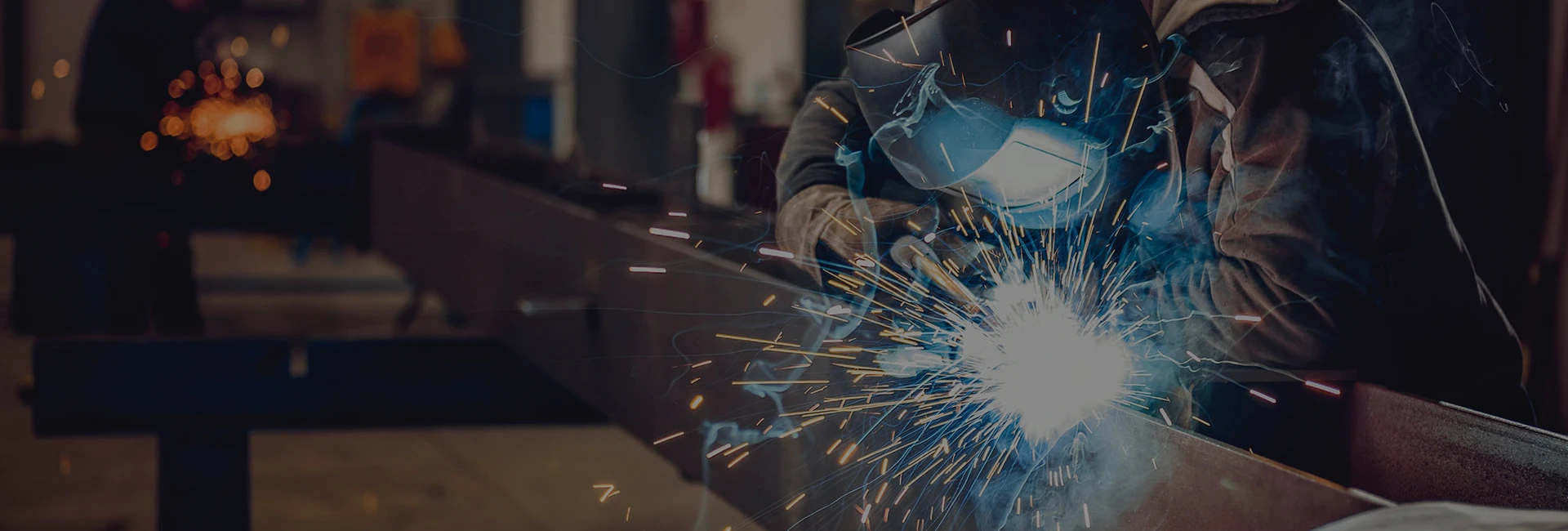
AWS E6010 Welding Electrodes – Global Standard for Deep Penetration and Strong Joints

AWS E6010 Welding Electrodes – Global Standard for Deep Penetration and Strong Joints
Nov . 26, 2025 18:25
What is AWS E6010 and Why Does It Matter?
If you've ever dipped a toe into welding—whether in an industrial plant or a DIY workshop—you’ve likely heard about AWS E6010 electrodes. But why exactly is this seemingly techy little code such a buzzword across industries? Simply put, AWS E6010 electrodes are critical in creating strong, reliable welded joints, especially when working on pipes and structures where penetration and toughness matter a lot. Understanding these electrodes isn’t just a niche skill; it’s globally important due to the widespread use of welding in infrastructure, energy, and transportation sectors worldwide.
Think about it—pipelines snaking across continents, offshore oil rigs braving the harshest seas, even the buildings shaping our skylines—they all depend on materials joined flawlessly. AWS E6010 electrodes help make that happen.
The Global Context: Why AWS E6010 Matters Now
Welding, in general, is foundational to global development. According to the International Labour Organization (ILO), millions work in welding-related jobs spanning construction, manufacturing, and maintenance. From the world’s largest gas pipelines to critical infrastructure reconstruction in post-conflict zones, strong welds can save lives and billions in costs.
Yet, welding processes face challenges in consistency, especially when operators work in all kinds of environments — damp, cold, or windy conditions. This is precisely where AWS E6010 shines. Its unique coated, cellulose-based electrode is designed for deep penetration, making joints less prone to cracking or failure even under stress.
Globally, the demand for durable, high-strength welds keeps growing as energy needs surge and infrastructure ages. So yes, knowing your E6010 electrodes is more than academic — it’s practical, global problem-solving.
Breaking Down AWS E6010: What Does It Really Mean?
In simplest terms, AWS E6010 is a classification code for a specific type of welding electrode as standardized by the American Welding Society (AWS). The "E" means electrode, the "60" relates to tensile strength – roughly 60,000 psi, a respectable toughness figure. The "1" signals usability in all welding positions (horizontal, vertical, overhead, etc.), while the last "0" designates a particular coating type, in this case, cellulose potassium that produces a forceful arc.
This design lets the electrode work well on painted or rusty metal, and its deep penetration is crucial for pipes and structural steels. The reality is that for welding professionals, the nuanced chemistry and coating formulation make E6010 the go-to choice when reliability and penetration trump aesthetics.
Mini Takeaway:
AWS E6010 electrodes combine strength, versatility, and excellent penetration — qualities essential for high-stakes welds worldwide.
Key Factors of AWS E6010 Electrodes
1. Deep Penetration
The hallmark of AWS E6010 electrodes is their ability to penetrate deep into base metals, providing robust, defect-resistant welds. Many engineers say this reduces common issues like porosity or slag inclusion.
2. Versatility Across Positions
Whether overhead or vertical, weathered or smooth, E6010 works almost anywhere. This versatility often cuts job times and eliminates the need for multiple electrode types on site.
3. Smooth and Forceful Arc
The cellulose potassium coating helps create a forceful arc, which can be a blessing or a challenge depending on user skill. But when mastered, it improves weld cleanliness and quality.
4. Cost Efficiency
AWS E6010 rods are generally affordable and widely available, making them a budget-friendly choice for large-scale projects or remote jobs where logistics are tricky.
5. Environmental Tolerance
Thanks to their coating, these electrodes perform reasonably well even in damp or contaminated environments—common realities in outdoor, fieldwork situations.
Mini Takeaway:
Engineers love AWS E6010 for its deep weld penetration, all-position usability, and cost-effective, reliable performance.
Typical Product Specifications of AWS E6010 Electrodes
| Specification | Value / Details |
|---|---|
| Tensile Strength | 60,000 psi (approx.) |
| Welding Positions | All positions (1 = all positions) |
| Coating Type | Cellulose potassium |
| Current Type | DC+, direct current, electrode positive |
| Typical Diameter Range | 1/16" to 1/8" |
| Recommended Use | Pipe welding, deep penetration on dirty/painted surfaces |
Global Applications & Use Cases
AWS E6010 electrodes are commonly found in industries and regions where robust and sometimes quick welding is needed under less-than-ideal circumstances. For example:
- Oil and gas pipelines: In northern Russia and Canada, welders use E6010 extensively to join pipe sections that travel through freezing temperatures and rough terrain.
- Shipbuilding and offshore platforms: The need for deep-penetration welds to withstand ocean pressures makes it a staple in shipyards from South Korea to Norway.
- Disaster recovery: In the aftermath of natural disasters, rapid rebuilds often rely on AWS E6010 for welding structural frames—even under rain, debris, or power constraints.
- Remote industrial sites: African and South American mining sites lean on these electrodes where conditions make other welding processes impractical.
Oddly enough, despite its strength, E6010 isn't the prettiest weld for show. But its utilitarian value is immense and often life-saving.
Mini Takeaway:
From Arctic pipeline gigs to tropical disaster zones, AWS E6010’s ruggedness answers real-world welding challenges across continents.
Advantages & Long-Term Value of AWS E6010
Why do professionals keep choosing AWS E6010? The answer blends practical reliability with long-term benefits:
- Cost Savings: Fewer weld defects mean less rework and downtime—saving money over years.
- Safety: Robust welds mean structures and pipelines are less likely to fail catastrophically, protecting lives.
- Longevity: Deep penetration welds stand decades under stress and corrosive environments.
- Material compatibility: It tolerates less-than-perfect surfaces, reducing prep time and expanding use cases.
All this translates into trust—whether you’re a welding foreman or project manager, knowing your weld inspector won’t call you back for repairs feels good.
Future Trends & Innovations Around AWS E6010 Electrodes
Quietly but surely, welding industries are evolving. Even the stalwart E6010 is seeing enhancements in electrode coatings to reduce fumes and environmental impact. There are also moves toward integrating automated welding with E6010-compatible rods for more precise, consistent welds in hazardous environments.
Meanwhile, green energy infrastructure—like wind turbines and clean fuel plants—demands durable, sustainable welding solutions. Manufacturers are experimenting with low-hydrogen versions of E6010 to boost lifespan and decrease cracking risks.
Common Challenges and How Experts Address Them
Despite its many benefits, AWS E6010 isn’t without quirks. The demanding arc can make it difficult for beginners to master control, and it requires DC+ power sources, which aren’t always readily available on some jobsites. Also, its welds are somewhat porous if the operator lacks skill.
Solutions? Training is key. Many firms now combine guided skill workshops with digital welding simulators, helping operators master the “forceful arc” without trial and error. Plus, newer E6010 variants are being engineered to produce less smoke and be more forgiving.
Vendor Comparison: Popular AWS E6010 Electrodes
| Brand | Price per lb | Coating Quality | User Reviews | Recommended Use |
|---|---|---|---|---|
| Lincoln Electric | $3.50 | High | 4.7/5 Welding pros love it | Heavy-duty pipework & structural |
| ESAB | $3.30 | Medium-High | 4.4/5 praised for consistency | Versatile, all-position welding |
| Jinlong Welding (see product) | $3.10 | High | 4.5/5 cost-efficient, reliable | Industrial pipelines & repair work |
FAQ: Practical Questions About AWS E6010
- What amperage settings work best for AWS E6010 electrodes?
- Generally, amperage ranges from 50–90 amps depending on electrode diameter. Thinner rods require less current. It's best to consult manufacturer guidelines and adjust based on position and base metal thickness.
- Can I use AWS E6010 electrodes with AC welding machines?
- No, E6010 electrodes require DC+ (direct current electrode positive) to function properly. Using AC can lead to unstable arcs and poor weld quality.
- Are AWS E6010 rods suitable for welding rusty or painted metal?
- Yes! One of the key benefits of E6010 electrodes is tolerating light surface contamination like rust or paint, which saves time on surface preparation in fieldwork.
- How long can electrodes be stored before use?
- Electrodes must be stored dry to maintain coating integrity. Typically, storage in a rod oven at 250°F to 350°F is recommended. Without baking, shelf life varies from a few days to several weeks depending on humidity.
Wrapping It Up: A Solid Weld Every Time
There’s something quietly heroic about the AWS E6010 welding electrode. It’s not flashy, but when it joins steel pipes deep underground or under the sea, it keeps whole industries running safely and smoothly. Its deep penetration capability, all-position usability, and practical tolerance for real-world conditions make it a trusted tool for welders worldwide. If you're seeking dependable welding rods that won’t let your projects down, understanding aws e6010 is a great place to start.
So why not visit the website and explore the options waiting to power your next welding challenge?
References

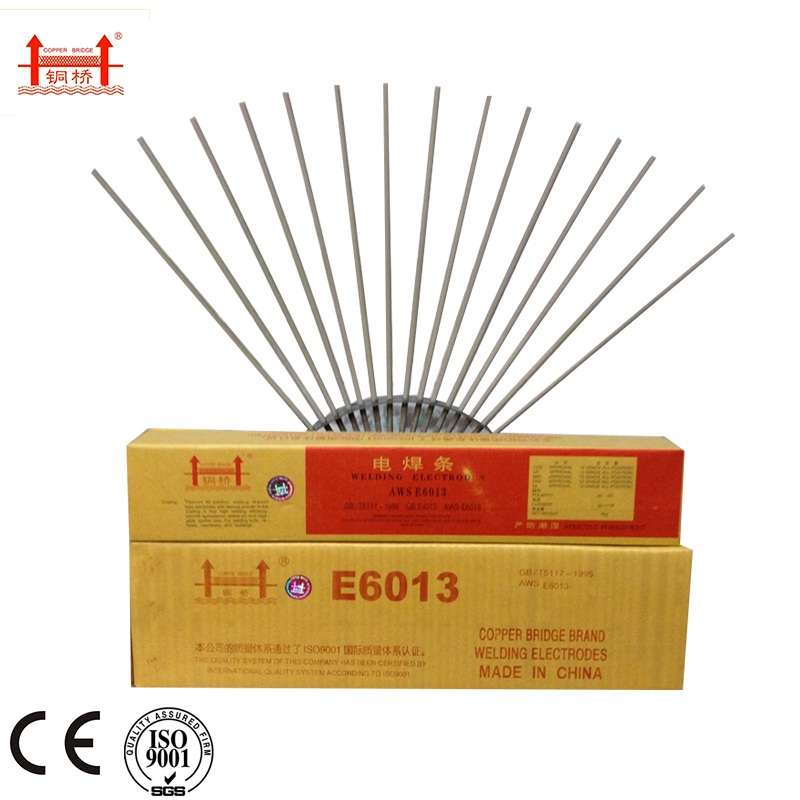
Related Video

Related News

2026-04-16 02:35:10
Precision Guide for e312 16 welding rod and Dissimilar Steel Welding
In the demanding world of industrial fabrication and repair, selecting the correct filler metal is the difference between a structural failure and a lifetime bond. The e312 16 welding rod is specifically engineered to meet the rigorous needs of welding dissimilar steels, offering an exceptional balance of strength and corrosion resistance. Whether you are working on high-pressure pipelines or heavy machinery components, understanding the nuances of this specialized electrode is key to achieving professional-grade results. This guide explores the technical advantages and practical applications of the E312 series to help you optimize your welding workflow.
2026-04-09 02:35:17
Choosing the Right cs to ss welding rod number Professional Guide
Joining carbon steel (CS) to stainless steel (SS) is a common challenge in industrial fabrication, requiring a precise understanding of metallurgy to avoid weld failure. The most critical decision in this process is identifying the correct cs to ss welding rod number to ensure a strong, corrosion-resistant bond. Using the wrong filler metal can lead to cracking or premature oxidation due to the different thermal expansion rates of the two materials. In this comprehensive guide, we will break down the technical specifications and selection criteria to help you achieve a professional-grade weld every time.
2026-04-07 02:25:29
Comprehensive Guide to 409 Welding Rod Selection and Optimal Usage
When it comes to welding applications requiring corrosion resistance and good weldability, the 409 welding rod is a frequently chosen option. This article provides a detailed overview of this versatile welding rod, exploring its composition, applications, benefits, and considerations for optimal use. Whether you’re a seasoned professional or new to welding, understanding the properties of 409 welding rod is crucial for achieving high-quality, durable welds. We’ll cover everything you need to know to make informed decisions for your welding projects.
2026-04-04 02:35:28
Comprehensive Guide to 330 Stainless Steel Welding Rod Applications and Techniques
330 stainless steel welding rods are a crucial component in various industries, offering exceptional corrosion resistance and high-temperature strength. This article provides an in-depth look at these rods, covering their properties, applications, choosing the right rod, welding techniques, safety precautions, and where to find high-quality options. Whether you're a seasoned welding professional or new to the field, this guide will offer valuable insights.
2026-03-31 02:35:08
Comprehensive Guide to 312 Stainless Tig Rod for Superior Welding Performance
When choosing the right filler metal for your TIG welding projects, especially in demanding applications, 312 stainless steel tig rod stands out for its exceptional corrosion resistance and high-temperature strength. This comprehensive guide will explore its composition, applications, benefits, and how it compares to other stainless steel rods. We'll also point you to resources for sourcing high-quality rods.
2026-03-28 02:45:04
Comprehensive Guide to 312 17 Welding Rod Applications and Technical Details
Welding rods are essential consumables in the welding process, and selecting the right one is crucial for achieving strong, durable, and high-quality welds. The 312 17 welding rod is a popular choice for many applications due to its unique properties and versatility. This article delves into the characteristics, applications, benefits, and considerations when using 312 17 welding rods, providing a comprehensive resource for welders and engineers alike. Choosing the right rod directly impacts the success and longevity of any welding project.
2026-03-26 02:35:10
Comprehensive Guide to the 312 16 Welding Rod for Superior Steel Welding
The 312 16 welding rod is a versatile and widely-used electrode in various welding applications. Known for its excellent weldability and strong mechanical properties, it's a go-to choice for professionals and hobbyists alike. This article delves into the specifics of this electrode, covering its composition, applications, advantages, and how to choose the right one for your projects. Understanding the nuances of the 312 16 welding rod is crucial for achieving high-quality, durable welds. The designation "312 16" provides key information about the welding rod. "312" refers to the type of flux coating, specifically a low-hydrogen, iron powder coating. This coating is designed to produce welds with excellent mechanical properties and good resistance to cracking. The "16" indicates the diameter of the rod in 32nds of an inch – so a 312 16 rod has a diameter of 16/32 or 1/2 inch. This combination makes it suitable for a wide range of steel welding applications. The low-hydrogen nature of the flux minimizes hydrogen-induced cracking, a common issue in welding certain steels.
2026-03-24 02:45:07
Comprehensive Guide to 309LSI TIG Rod Welding Applications and Best Practices
The 309LSI TIG rod is a versatile welding consumable widely used across various industries for its exceptional corrosion resistance and weldability. This article will explore the properties, applications, advantages, and best practices associated with using 309LSI TIG rods. Whether you're a seasoned welding professional or new to the field, this guide will provide you with valuable insights into maximizing the performance and longevity of your welds. The 309LSI TIG rod is a stainless steel electrode specifically designed for Gas Tungsten Arc Welding (GTAW), commonly known as TIG welding. The "309LSI" designation indicates the alloy composition: 309 signifies the chromium-nickel content, 'L' denotes low carbon content for enhanced corrosion resistance, and 'SI' signifies stabilized with silicon for improved resistance to carbide precipitation during welding.

 English
  Arabic
  Bengali
  China
China  French
  German
  Hausa
Hausa  Indonesian
  Italian
  Japanese
  Javanese
  Malay
Malay  Persian
  Portuguese
  Punjabi
  Russian
  Spanish
  Swahili
  Telugu
  Vietnamese