

Comprehensive Guide to 3 32 E7018 Welding Electrodes - Specs, Uses & Vendors

Comprehensive Guide to 3 32 E7018 Welding Electrodes - Specs, Uses & Vendors
Dec . 01, 2025 20:45
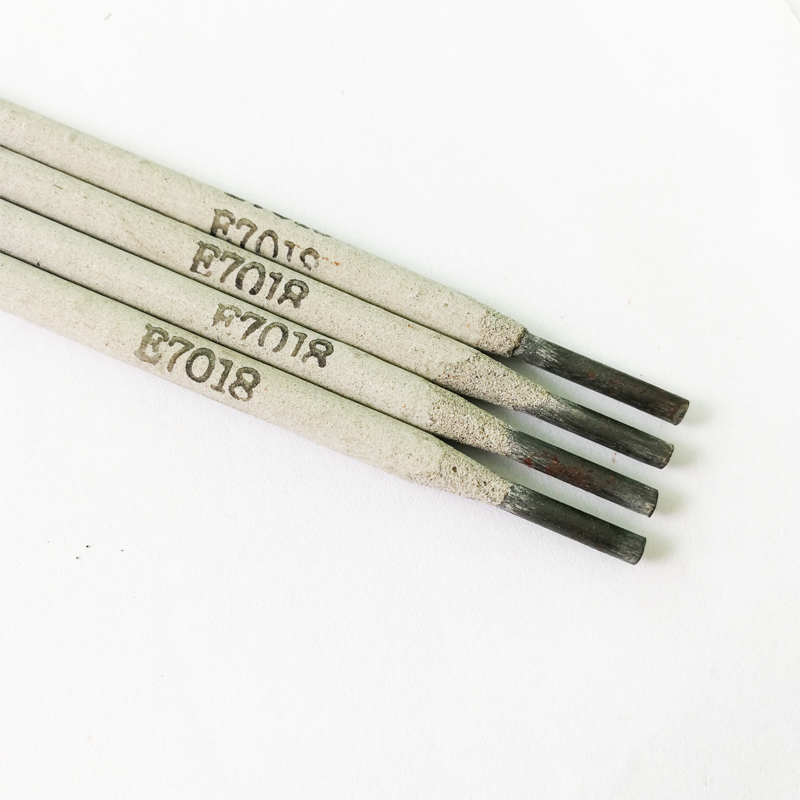
What Is 3 32 E7018 and Why It Matters Globally
If you’ve ever glanced at welding rods and scratched your head at the code “3 32 e7018,” you’re not alone — it’s one of those cryptic welding electrode designations that actually holds key information for structural welding worldwide. This particular rod type is hugely relevant in everything from shipbuilding to industrial construction, pipelines to heavy machinery repair. And here’s the thing: understanding 3 32 e7018 isn’t just industry jargon; it’s a gateway to better, safer welds that underpin the infrastructure we all depend on.
Globally, welding electrodes like 3 32 e7018 drive construction projects worth billions, forming critical links in transport, energy, and manufacturing chains. Proper usage can prevent failures and costly downtime, reducing environmental impact by extending the lifespan of welded joints. So in a way, each good weld made with this electrode is a quiet victory for safety, economics, and sustainability bundled into metal.
The Global Context: Why 3 32 E7018 Is Indispensable in Modern Industry
Welding is a $44.5 billion industry globally (according to Statista), and consumables like electrodes make up a critical slice of that market. The e7018 welding rod in 3/32 inch diameter, a common size in structural steel welding, has carved its niche particularly because of its strength and versatility.
In regions with high infrastructure demand — I’m thinking North America’s booming pipeline sector or the steel-heavy industries across Asia — these electrodes keep construction smooth and reliable. Oddly enough, they also play a surprisingly crucial role in humanitarian and disaster relief projects. For example, after major earthquakes, sites often need rapid, durable welding repairs on metal frameworks to restore safety.[1]
The challenge without reliable rods like 3 32 e7018? Substandard welds that can lead to structural failure, safety hazards, and wasted resources. Industry standards, such as those from the American Welding Society (AWS), highlight the rod’s role in meeting strict strength and ductility needs.
Breaking Down 3 32 E7018: What’s In a Name?
Let’s demystify the code. Here’s what “3 32 e7018” means:
- 3/32 – the diameter of the rod, basically 0.09375 inches, or about 2.4 mm, which guides weld bead width and penetration.
- E – stands for electrode.
- 70 – tensile strength rating of 70,000 psi, implying strong weld joints.
- 1 – positional weld indicator (1 means usable in all positions: flat, horizontal, vertical, overhead).
- 8 – the type of coating and current compatibility, in this case “low hydrogen” and DC or AC current.
This combination makes 3 32 e7018 rods the go-to for welding critical structural steel parts safely and reliably, especially where cracking or exposed elements add risk.
Mini takeaway:
3 32 e7018 weld rods aren’t just arbitrary tools. They’re engineered to fit a tough industrial need for strength, versatility, and reliability — all packed in a small stick.
Core Features of 3 32 E7018 Welding Electrodes
Durability and Low Hydrogen Content
The “8” in e7018 tells you it’s a low-hydrogen electrode. That means it releases less hydrogen during welding — hydrogen being the culprit behind brittle, crack-prone welds. In real terms? 3 32 e7018 rods help maintain weld integrity even in harsh environments.
All-Position Application
One of the subtle joys of 3 32 e7018 is that it can be applied in any welding position. This flexibility is a massive time-saver on site, especially when working on complex geometries or renovations where ideal positioning isn’t always possible.
Excellent Mechanical Properties
These rods deliver high tensile strength (~70 ksi), good impact resistance, and ductility. Which means the weld isn’t just strong – it stays tough under stress, vibration, or fluctuating temperatures. Think heavy industries, pipelines, marine applications.
Ease of Use and Versatile Current Compatibility
3 32 e7018 rods can run on both DC and AC welding machines, giving operators more choice. Plus, they usually deposit neat, consistent beads with relatively low spatter, making cleanup less of a pain.
Cost-Effectiveness
While not the cheapest electrode out there, their durability and long-lasting weld quality save money by reducing rework and improving operational safety.
| Property | Value |
|---|---|
| Diameter | 3/32 inch (2.4 mm) |
| Tensile Strength | 70,000 psi (480 MPa) |
| Current Type | AC or DC+ |
| Welding Positions | All positions |
| Hydrogen Content | Low Hydrogen (0.05 ml/100 g) |
| Typical Applications | Structural steel, pipelines, heavy machinery |
How 3 32 E7018 Is Used Across The Globe – Practical Examples
It might seem like a niche detail, but these rods often form the backbone of giant projects. Take, for example:
- South American Pipeline Construction: Where rugged terrain demands welds that resist cracking under thermal stresses.
- North American Bridge Repairs: Quick-fix and long-lasting welding to keep heavy transport infrastructure running safely.
- Maritime Vessel Fabrication in Southeast Asia: Corrosion-resistant welds on ship hulls rely on this electrode’s quality.
- Emergency Infrastructure Restoration: NGOs use rods like 3 32 e7018 to rebuild housing and public utilities rapidly after disasters.
Its universal acceptance and compatibility make it a no-brainer choice wherever welders need a balance of strength, flexibility, and reliability.
Mini takeaway:
A single welding rod code connects global industries — from shipping fleets in Asia to pipeline systems in America. In real terms, that’s millions of human-hours and materials safeguarded by quality welds.
Advantages and Long-Term Value of Using 3 32 E7018
- Longevity and Reliability: Low-hydrogen formula reduces weld cracking and corrosion.
- Cost Savings: High-quality welds mean fewer repairs, less downtime.
- Safety: More durable welds mean safer structures — a comfort for engineers and workers alike.
- Sustainability: By extending service life of infrastructure, reduces waste and resource consumption.
- Ease of Handling: Versatile rod compatible with many power sources and environments.
Looking Ahead: Trends and Innovations Impacting 3 32 E7018 Usage
The industry isn’t standing still, of course. Innovations such as advanced flux coatings aiming to improve arc stability and reduce fume emissions are being tested. Plus, there is a rising interest in electrodes that support welding on greener steels and alloys, anticipating the push for lightweight, corrosion-resistant materials.
Digital welding helmets and monitoring devices are also changing how operators handle rods like 3 32 e7018, improving precision and reducing waste. On the policy front, tighter environmental and workplace safety regulations are nudging manufacturers towards cleaner production processes and safer electrode formulations.
Challenges and How Experts Are Tackling Them
Of course, even the best electrodes aren’t perfect. Storing 3 32 e7018 requires dry conditions to avoid moisture absorption that ruins low hydrogen properties. Also, novice welders sometimes struggle with arc starts on these rods, requiring training and experience.
Innovations in packaging (vacuum-sealed boxes) and improved flux formulations are helping combat these issues. Training programs emphasize proper rod storage and handling to ensure weld quality remains high regardless of field conditions.
| Vendor | Price Range (USD) | Coating Technology | Packaging | Global Reach |
|---|---|---|---|---|
| Jinlong Welding Electrode | $$ | Advanced Low-Hydrogen Flux | Vacuum-Sealed Moisture Barrier | Yes (3 32 e7018) |
| Lincoln Electric | $$$ | Proprietary Flux for Arc Stability | Vacuum Bag | Global |
| ESAB | $$ | Low Hydrogen, Low Fume | Sealed Containers | Global |
Frequently Asked Questions About 3 32 E7018
- Q: How do I store 3 32 e7018 electrodes properly?
- A: Keeping these rods dry is key. Store them in a rod oven or vacuum-sealed containers to prevent moisture absorption, which causes hydrogen buildup and weld cracking. Typically, rods should be baked before use if exposed.
- Q: Can 3 32 e7018 rods be used with AC welding machines?
- A: Yes, these electrodes are compatible with both AC and DC+ machines, offering flexibility based on your equipment and project needs.
- Q: What industries rely most on 3 32 e7018?
- A: Structural steel fabrication, pipelines, shipbuilding, heavy machinery repair, and temporary infrastructure recovery in disaster zones are main users. Their reliability in harsh conditions is a major draw.
- Q: Are these electrodes suitable for outdoor welding?
- A: They can be used outdoors, but precautions are necessary to keep rods dry and prevent contamination from wind-blown moisture. Using windshields and proper storage helps maintain weld quality.
- Q: How thick can I weld with a 3/32 inch e7018 rod?
- A: Typically, these rods suit steel plates ranging from about 1/8 inch (3 mm) to 1/2 inch (12 mm). Thicker sections may require multi-pass welding for strength and penetration.
Wrapping Up: Why 3 32 E7018 Still Makes Sense Today
Looking at it all, 3 32 e7018 electrodes represent a quiet yet vital technology that keeps the wheels of industry turning safely and efficiently. From their solid mechanical performance and versatility, to their global acceptance and relative cost-effectiveness, they deliver a long-term value that engineers and welders rarely compromise on.
Interested in learning more or sourcing quality rods for your projects? Do visit our website where the latest in reliable welding electrodes awaits your next structural challenge.
Final thought:
In the weld zone, it’s often the small details — like choosing the right 3 32 e7018 rod — that spell the difference between success and costly failure. So give those sticks the credit they deserve.
References

Related Video

Related News
2026-04-16 02:35:10
Precision Guide for e312 16 welding rod and Dissimilar Steel Welding
In the demanding world of industrial fabrication and repair, selecting the correct filler metal is the difference between a structural failure and a lifetime bond. The e312 16 welding rod is specifically engineered to meet the rigorous needs of welding dissimilar steels, offering an exceptional balance of strength and corrosion resistance. Whether you are working on high-pressure pipelines or heavy machinery components, understanding the nuances of this specialized electrode is key to achieving professional-grade results. This guide explores the technical advantages and practical applications of the E312 series to help you optimize your welding workflow.
2026-04-09 02:35:17
Choosing the Right cs to ss welding rod number Professional Guide
Joining carbon steel (CS) to stainless steel (SS) is a common challenge in industrial fabrication, requiring a precise understanding of metallurgy to avoid weld failure. The most critical decision in this process is identifying the correct cs to ss welding rod number to ensure a strong, corrosion-resistant bond. Using the wrong filler metal can lead to cracking or premature oxidation due to the different thermal expansion rates of the two materials. In this comprehensive guide, we will break down the technical specifications and selection criteria to help you achieve a professional-grade weld every time.
2026-04-07 02:25:29
Comprehensive Guide to 409 Welding Rod Selection and Optimal Usage
When it comes to welding applications requiring corrosion resistance and good weldability, the 409 welding rod is a frequently chosen option. This article provides a detailed overview of this versatile welding rod, exploring its composition, applications, benefits, and considerations for optimal use. Whether you’re a seasoned professional or new to welding, understanding the properties of 409 welding rod is crucial for achieving high-quality, durable welds. We’ll cover everything you need to know to make informed decisions for your welding projects.
2026-04-04 02:35:28
Comprehensive Guide to 330 Stainless Steel Welding Rod Applications and Techniques
330 stainless steel welding rods are a crucial component in various industries, offering exceptional corrosion resistance and high-temperature strength. This article provides an in-depth look at these rods, covering their properties, applications, choosing the right rod, welding techniques, safety precautions, and where to find high-quality options. Whether you're a seasoned welding professional or new to the field, this guide will offer valuable insights.
2026-03-31 02:35:08
Comprehensive Guide to 312 Stainless Tig Rod for Superior Welding Performance
When choosing the right filler metal for your TIG welding projects, especially in demanding applications, 312 stainless steel tig rod stands out for its exceptional corrosion resistance and high-temperature strength. This comprehensive guide will explore its composition, applications, benefits, and how it compares to other stainless steel rods. We'll also point you to resources for sourcing high-quality rods.
2026-03-28 02:45:04
Comprehensive Guide to 312 17 Welding Rod Applications and Technical Details
Welding rods are essential consumables in the welding process, and selecting the right one is crucial for achieving strong, durable, and high-quality welds. The 312 17 welding rod is a popular choice for many applications due to its unique properties and versatility. This article delves into the characteristics, applications, benefits, and considerations when using 312 17 welding rods, providing a comprehensive resource for welders and engineers alike. Choosing the right rod directly impacts the success and longevity of any welding project.
2026-03-26 02:35:10
Comprehensive Guide to the 312 16 Welding Rod for Superior Steel Welding
The 312 16 welding rod is a versatile and widely-used electrode in various welding applications. Known for its excellent weldability and strong mechanical properties, it's a go-to choice for professionals and hobbyists alike. This article delves into the specifics of this electrode, covering its composition, applications, advantages, and how to choose the right one for your projects. Understanding the nuances of the 312 16 welding rod is crucial for achieving high-quality, durable welds. The designation "312 16" provides key information about the welding rod. "312" refers to the type of flux coating, specifically a low-hydrogen, iron powder coating. This coating is designed to produce welds with excellent mechanical properties and good resistance to cracking. The "16" indicates the diameter of the rod in 32nds of an inch – so a 312 16 rod has a diameter of 16/32 or 1/2 inch. This combination makes it suitable for a wide range of steel welding applications. The low-hydrogen nature of the flux minimizes hydrogen-induced cracking, a common issue in welding certain steels.
2026-03-24 02:45:07
Comprehensive Guide to 309LSI TIG Rod Welding Applications and Best Practices
The 309LSI TIG rod is a versatile welding consumable widely used across various industries for its exceptional corrosion resistance and weldability. This article will explore the properties, applications, advantages, and best practices associated with using 309LSI TIG rods. Whether you're a seasoned welding professional or new to the field, this guide will provide you with valuable insights into maximizing the performance and longevity of your welds. The 309LSI TIG rod is a stainless steel electrode specifically designed for Gas Tungsten Arc Welding (GTAW), commonly known as TIG welding. The "309LSI" designation indicates the alloy composition: 309 signifies the chromium-nickel content, 'L' denotes low carbon content for enhanced corrosion resistance, and 'SI' signifies stabilized with silicon for improved resistance to carbide precipitation during welding.

 English
  Arabic
  Bengali
  China
China  French
  German
  Hausa
Hausa  Indonesian
  Italian
  Japanese
  Javanese
  Malay
Malay  Persian
  Portuguese
  Punjabi
  Russian
  Spanish
  Swahili
  Telugu
  Vietnamese