

3 4 7018 Welding Rod – Durable, Versatile, and Trusted Electrode for Structural Welding

3 4 7018 Welding Rod – Durable, Versatile, and Trusted Electrode for Structural Welding
Dec . 01, 2025 21:20
Understanding the 3 4 7018 Welding Rod: Why It Matters in Modern Industry
When you hear “3 4 7018 welding rod,” you might think it’s just technical jargon. But this small component plays a huge role behind the scenes in construction, manufacturing, and countless repair jobs worldwide. The 3 4 7018 welding rod isn’t just a tool—it’s a guarantee of strength, durability, and safety that engineers and technicians rely on daily. As infrastructure development accelerates globally, especially in emerging markets, knowing the ins and outs of this welding rod helps both professionals and buyers make informed decisions that impact product lifespans, worker safety, and costs.
Global Significance of the 3 4 7018 Welding Rod
Across continents, from Asia’s booming industrial hubs to North America’s advanced manufacturing plants, the demand for reliable welding solutions grows. According to the International Labour Organization (ILO), construction accounts for nearly 7% of global employment, with welding being central to so much of this work (ILO Data). Here’s where the 3 4 7018 welding rod shines: it addresses the universal challenge of welding structural steel with strength and corrosion resistance— crucial, especially in areas prone to harsh climates or seismic activity.
Frankly, using low-quality rods can result in welds that fail prematurely, risking safety and inflating repair and downtime costs. The 3 4 7018 welding rod helps solve these persistent issues.
What Exactly Is the 3 4 7018 Welding Rod?
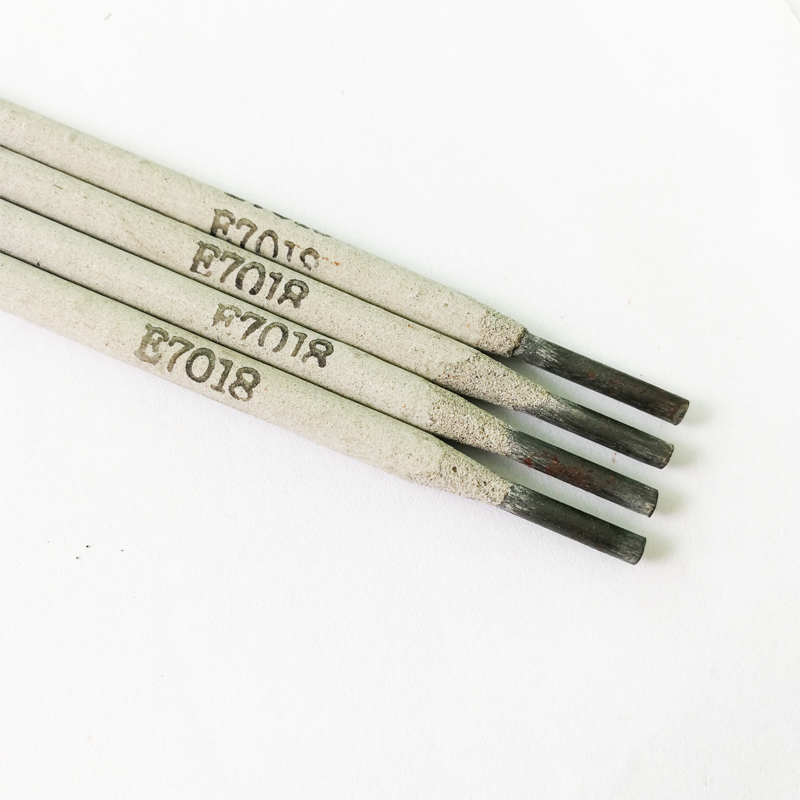
Put simply, the 3 4 7018 welding rod is a type of covered electrode used for arc welding. It’s distinguished by its high tensile strength and low hydrogen content, which improves the quality and durability of welds. The number “7018” itself is part of a classification system that tells you a lot about the rod’s capabilities—the “70” refers to tensile strength (70,000 psi roughly), the “1” indicates it can be used in all positions, and the “8” relates to the electrode coating and its properties.
Industrially, this rod connects steel components by creating bonds strong enough to withstand stress, weather, and load—an absolute must in construction, shipbuilding, and pipelines. Oddly enough, the humble 3 4 7018 can also be vital in humanitarian settings. For example, after natural disasters, rapid reconstruction efforts rely on sturdy and quick welding repairs.
Key Components & Characteristics of the 3 4 7018 Welding Rod
Durability
This welding rod produces welds with excellent toughness and high tensile strength. These qualities reduce cracking and failures in welded joints, meaning structures last longer without needing costly repairs.
Low Hydrogen Content
Hydrogen can cause weld defects like porosity and cracking, but the 7018 electrodes emit low hydrogen during welding, ensuring better weld integrity.
Versatility in Positions
Whether your job site requires vertical, horizontal, or overhead welding, the 3 4 7018 handles it all. This flexibility saves time and resources when welders face challenging angles.
Cost Efficiency
Though initially more expensive than some basic rods, the long-term savings from reduced rework and failures often offset the upfront cost. Plus, its widespread availability keeps prices competitive.
Ease of Use and Stability
The arc generated with 7018 rods is smooth and stable, improving weld quality and making the process relatively easier for operators—more so for those with intermediate skills.
Mini takeaway:
The 3 4 7018 welding rod isn’t just premium tech; it’s an all-rounder electrode that balances strength, reliability, and user-friendliness, ideal in diverse and demanding industrial conditions.
How the 3 4 7018 Welding Rod Powers Global Projects
From building skyscrapers in Dubai to repairing pipelines in Siberia, this rod’s global reach can’t be overstated. In North America, it dominates structural steel welding. In developing countries, it helps local fabricators produce safer, longer-lasting infrastructure.
For example, in post-disaster zones like the 2015 Nepal earthquake area, rapid infrastructure rebuilding used welding rods comparable to the 3 4 7018 to restore bridges and shelters—critical for community recovery.
Additionally, remote industrial zones such as oil fields in the Middle East or mining operations in Australia count on this rod because it performs reliably even under extreme temperatures and environmental stressors.
Mini takeaway:
Wherever robustness meets urgency—think disaster relief, oil rigs, or urban construction—this welding rod truly delivers. It’s a cornerstone for engineers who can’t compromise on strength or speed.
3 4 7018 Welding Rod: Specs You Should Know
| Specification | Details |
|---|---|
| Electrode Diameter | 3/32" (approx. 2.4 mm) |
| Tensile Strength | 70,000 psi (approx. 480 MPa) |
| Current Type | AC or DC (Electrode positive recommended) |
| Welding Positions | Flat, Horizontal, Vertical, Overhead |
| Coating Type | Low-Hydrogen Iron Powder |
| Typical Applications | Structural Steel, Bridge Building, Pipeline Repair |
How Does the 3 4 7018 Welding Rod Stack Up Against Alternatives?
| Feature | 3 4 7018 Welding Rod | E6013 Welding Rod | E7014 Welding Rod |
|---|---|---|---|
| Tensile Strength | 70,000 psi | 60,000 psi | 70,000 psi |
| Hydrogen Content | Low | Higher | Moderate |
| Applications | Structural & High-Stress Welding | Light Fabrication | General Purpose |
| Welding Positions | All positions | All positions but smoother on flat | All positions |
| Price Range | Moderate | Lower | Moderate |
Advantages & Lasting Value of Using the 3 4 7018 Welding Rod
It’s not just about immediate performance. Engineers note that welds made with 3 4 7018 rods tend to hold up better over time, translating into fewer failures and better safety. This reliability builds trust—not only in the product but also between workers and project managers who expect consistent results.
Cost-wise, while you do invest a little more upfront compared to economy rods, the payoff shows in reductions in structural defects and maintenance needs. Plus, smoother arc stability means less operator fatigue and improved quality during long shifts. Tangentially, this all adds up to workplace dignity—you feel safer, proud of your craft, and part of something bigger.
Innovation & Future Trends
Looking forward, welding rods like the 3 4 7018 are evolving too. With increasing attention to sustainability, manufacturers explore eco-friendly coating materials and lower emission processes. Automation in welding—robotic arms in automotive assembly lines or shipyards—relies heavily on rods that promise consistent performance over thousands of repeat cycles, making rods like this indispensable.
Digital transformation means more traceability and quality control integrated into welding operations, ensuring every 7018 weld meets tighter safety standards. It’s a fascinating intersection of old-school metallurgy and cutting-edge tech.
Challenges and How to Tackle Them
Even the best rods can present hurdles. One common issue: moisture absorption in 7018 rods can degrade weld quality. Proper storage and pre-heating can counter this, but it requires vigilance on-site. Also, the skill level needed to optimize welds with 7018 rods is higher than for basic rods, demanding better training.
Thankfully, many suppliers now provide welding training and moisture-proof packaging, making these challenges manageable. Plus, welding experts advise periodic consumable audits to avoid surprises during critical projects.
Frequently Asked Questions About 3 4 7018 Welding Rod
- Q: Can the 3 4 7018 rod be used outdoors in wet conditions? A: While the rod performs well in various environments, exposure to moisture can cause defects. It's best stored dry and kept sealed until use. Apply protective measures if welding outdoors in damp conditions.
- Q: How long can a properly stored 3 4 7018 welding rod last? A: When stored in dry, low-humidity environments and possibly baked before use, these rods can last several months to over a year without performance loss.
- Q: Is the 3 4 7018 rod suitable for beginners? A: It requires moderate skill for best results. Beginners might find rods like E6013 easier initially, but with some practice, 7018 rods yield superior weld quality.
- Q: What industries benefit most from using 3 4 7018 rods? A: Structural steel fabrication, shipbuilding, oil & gas pipeline maintenance, and heavy equipment repair are prime sectors relying on this electrode.
- Q: Where can I buy authentic 3 4 7018 welding rods? A: Reputable suppliers and manufacturers listed on industry sites or platforms like 3 4 7018 welding rod offer certified products ensuring quality and consistency.
Conclusion: Why the 3 4 7018 Welding Rod Deserves Your Attention
Long-term durability, versatility, and proven reliability mean the 3 4 7018 welding rod remains a cornerstone in welding technology. Whether you’re fabricating bridges, maintaining pipelines, or tackling emergency repairs, its consistent performance is a game-changer you don’t want to overlook. Take your projects to the next level by choosing a welding rod that specialists worldwide trust.
Curious to explore more or ready to make a knowledgeable purchase? Visit us today at 3 4 7018 welding rod and get tailored advice plus premium-grade rods delivered straight to your door.
References & Further Reading:

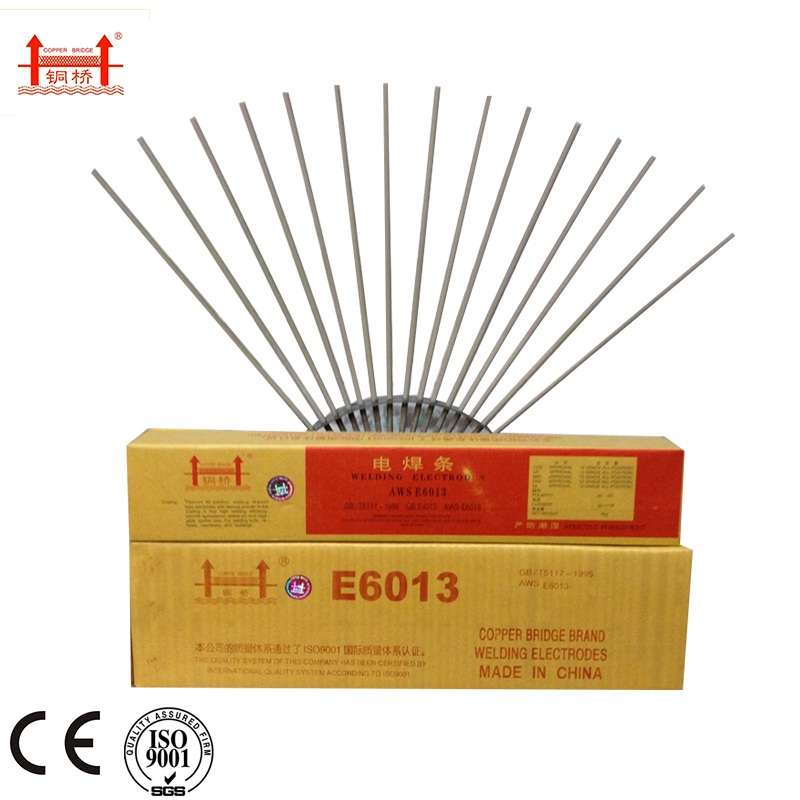
Related Video

Related News


2026-04-16 02:35:10
Precision Guide for e312 16 welding rod and Dissimilar Steel Welding
In the demanding world of industrial fabrication and repair, selecting the correct filler metal is the difference between a structural failure and a lifetime bond. The e312 16 welding rod is specifically engineered to meet the rigorous needs of welding dissimilar steels, offering an exceptional balance of strength and corrosion resistance. Whether you are working on high-pressure pipelines or heavy machinery components, understanding the nuances of this specialized electrode is key to achieving professional-grade results. This guide explores the technical advantages and practical applications of the E312 series to help you optimize your welding workflow.
2026-04-09 02:35:17
Choosing the Right cs to ss welding rod number Professional Guide
Joining carbon steel (CS) to stainless steel (SS) is a common challenge in industrial fabrication, requiring a precise understanding of metallurgy to avoid weld failure. The most critical decision in this process is identifying the correct cs to ss welding rod number to ensure a strong, corrosion-resistant bond. Using the wrong filler metal can lead to cracking or premature oxidation due to the different thermal expansion rates of the two materials. In this comprehensive guide, we will break down the technical specifications and selection criteria to help you achieve a professional-grade weld every time.
2026-04-07 02:25:29
Comprehensive Guide to 409 Welding Rod Selection and Optimal Usage
When it comes to welding applications requiring corrosion resistance and good weldability, the 409 welding rod is a frequently chosen option. This article provides a detailed overview of this versatile welding rod, exploring its composition, applications, benefits, and considerations for optimal use. Whether you’re a seasoned professional or new to welding, understanding the properties of 409 welding rod is crucial for achieving high-quality, durable welds. We’ll cover everything you need to know to make informed decisions for your welding projects.
2026-04-04 02:35:28
Comprehensive Guide to 330 Stainless Steel Welding Rod Applications and Techniques
330 stainless steel welding rods are a crucial component in various industries, offering exceptional corrosion resistance and high-temperature strength. This article provides an in-depth look at these rods, covering their properties, applications, choosing the right rod, welding techniques, safety precautions, and where to find high-quality options. Whether you're a seasoned welding professional or new to the field, this guide will offer valuable insights.
2026-03-31 02:35:08
Comprehensive Guide to 312 Stainless Tig Rod for Superior Welding Performance
When choosing the right filler metal for your TIG welding projects, especially in demanding applications, 312 stainless steel tig rod stands out for its exceptional corrosion resistance and high-temperature strength. This comprehensive guide will explore its composition, applications, benefits, and how it compares to other stainless steel rods. We'll also point you to resources for sourcing high-quality rods.
2026-03-28 02:45:04
Comprehensive Guide to 312 17 Welding Rod Applications and Technical Details
Welding rods are essential consumables in the welding process, and selecting the right one is crucial for achieving strong, durable, and high-quality welds. The 312 17 welding rod is a popular choice for many applications due to its unique properties and versatility. This article delves into the characteristics, applications, benefits, and considerations when using 312 17 welding rods, providing a comprehensive resource for welders and engineers alike. Choosing the right rod directly impacts the success and longevity of any welding project.
2026-03-26 02:35:10
Comprehensive Guide to the 312 16 Welding Rod for Superior Steel Welding
The 312 16 welding rod is a versatile and widely-used electrode in various welding applications. Known for its excellent weldability and strong mechanical properties, it's a go-to choice for professionals and hobbyists alike. This article delves into the specifics of this electrode, covering its composition, applications, advantages, and how to choose the right one for your projects. Understanding the nuances of the 312 16 welding rod is crucial for achieving high-quality, durable welds. The designation "312 16" provides key information about the welding rod. "312" refers to the type of flux coating, specifically a low-hydrogen, iron powder coating. This coating is designed to produce welds with excellent mechanical properties and good resistance to cracking. The "16" indicates the diameter of the rod in 32nds of an inch – so a 312 16 rod has a diameter of 16/32 or 1/2 inch. This combination makes it suitable for a wide range of steel welding applications. The low-hydrogen nature of the flux minimizes hydrogen-induced cracking, a common issue in welding certain steels.
2026-03-24 02:45:07
Comprehensive Guide to 309LSI TIG Rod Welding Applications and Best Practices
The 309LSI TIG rod is a versatile welding consumable widely used across various industries for its exceptional corrosion resistance and weldability. This article will explore the properties, applications, advantages, and best practices associated with using 309LSI TIG rods. Whether you're a seasoned welding professional or new to the field, this guide will provide you with valuable insights into maximizing the performance and longevity of your welds. The 309LSI TIG rod is a stainless steel electrode specifically designed for Gas Tungsten Arc Welding (GTAW), commonly known as TIG welding. The "309LSI" designation indicates the alloy composition: 309 signifies the chromium-nickel content, 'L' denotes low carbon content for enhanced corrosion resistance, and 'SI' signifies stabilized with silicon for improved resistance to carbide precipitation during welding.

 English
  Arabic
  Bengali
  China
China  French
  German
  Hausa
Hausa  Indonesian
  Italian
  Japanese
  Javanese
  Malay
Malay  Persian
  Portuguese
  Punjabi
  Russian
  Spanish
  Swahili
  Telugu
  Vietnamese