

Choosing the Right Tig Welding Electrode for Stainless Steel Applications

Choosing the Right Tig Welding Electrode for Stainless Steel Applications
Feb . 24, 2026 11:10
Choosing the Right Tig Welding Electrode for Stainless Steel
Selecting the correct tig welding electrode for stainless steel is crucial for achieving high-quality, durable, and corrosion-resistant welds. Stainless steel’s unique properties demand specific electrode compositions to prevent issues like sensitization and maintain its protective chromium oxide layer. This article will guide you through the key considerations, types of electrodes, and best practices for stainless steel TIG welding. We’ll explore how the right electrode selection can optimize your welding process and ensure long-lasting results.
Understanding Stainless Steel Welding Challenges
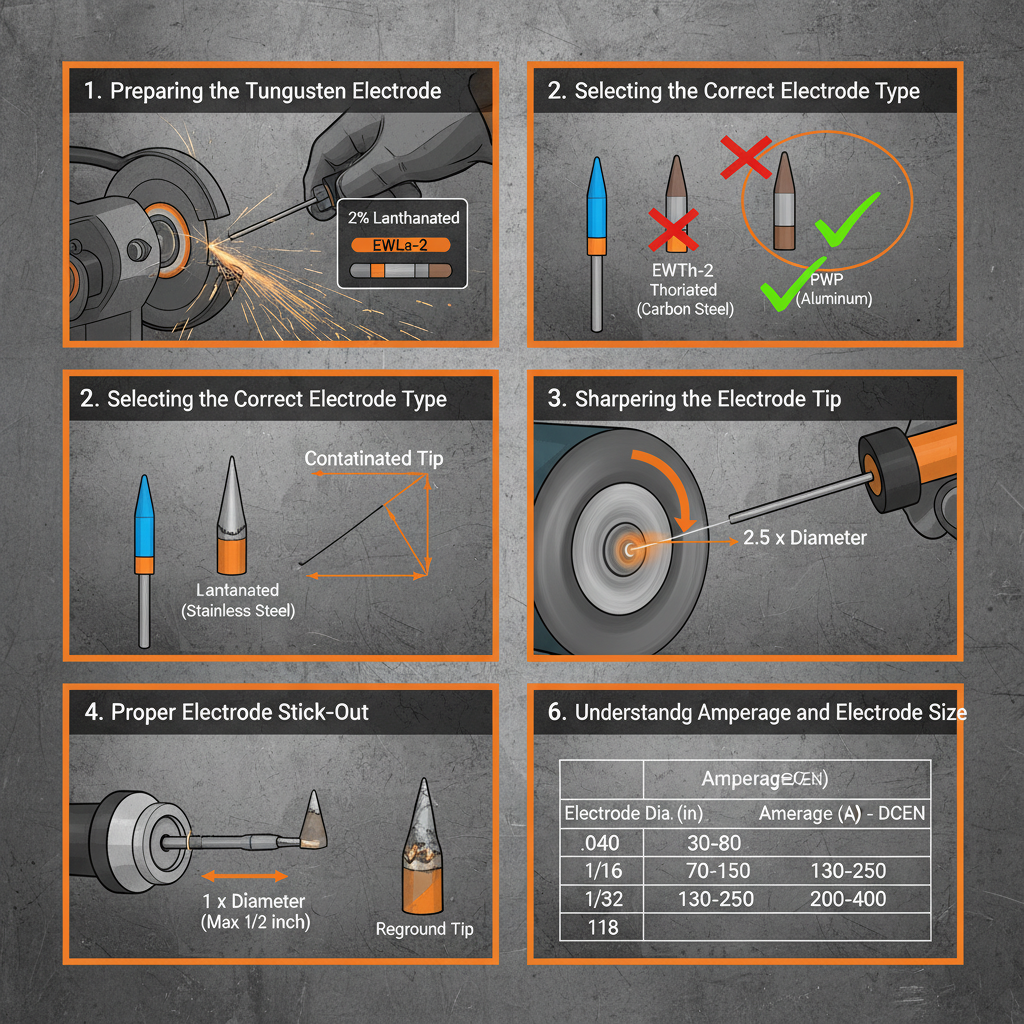
Stainless steel presents unique welding challenges compared to carbon steel. The primary concern is maintaining corrosion resistance. Heating stainless steel can cause chromium carbides to precipitate at grain boundaries, a process called sensitization. This reduces chromium availability, making the weld susceptible to intergranular corrosion. Choosing the right tig welding electrode and employing appropriate welding techniques are essential to avoid sensitization. Factors like the grade of stainless steel, the welding environment, and the desired weld properties all influence electrode selection. Proper shielding gas selection is also critical, typically using argon or argon/helium mixtures.
Key Considerations: Preventing sensitization, maintaining corrosion resistance, selecting appropriate shielding gas, matching electrode composition to base metal, and ensuring adequate weld penetration.
Common Tig Welding Electrode Types for Stainless Steel
Several electrode types are commonly used for TIG welding stainless steel, each with its specific advantages. These include ER308L, ER309L, ER316L, and ER347. ER308L is frequently used for welding 304 and 304L stainless steels. ER309L is preferred for dissimilar metal joints and for cladding applications. ER316L, containing molybdenum, offers increased corrosion resistance, particularly in chloride environments. ER347, stabilized with niobium, provides excellent resistance to intergranular corrosion after welding. Choosing the correct electrode depends on the specific stainless steel grade being welded and the intended application of the finished product.
Electrode Selection Guide:
• ER308L: 304/304L Stainless Steel
• ER309L: Dissimilar Metals, Cladding
• ER316L: High Corrosion Resistance
• ER347: Resistance to Intergranular Corrosion
ER308L vs. ER316L Tig Welding Electrodes: A Detailed Comparison
The choice between ER308L and ER316L is a common one. ER308L is more economical and suitable for general-purpose applications with 304/304L stainless steel. However, ER316L provides significantly enhanced corrosion resistance, particularly in harsh environments containing chlorides, such as marine applications or chemical processing plants. The addition of molybdenum in ER316L is the key difference, forming a more stable passive layer on the weld.
Electrode Diameter and Amperage Settings for Optimal Welding
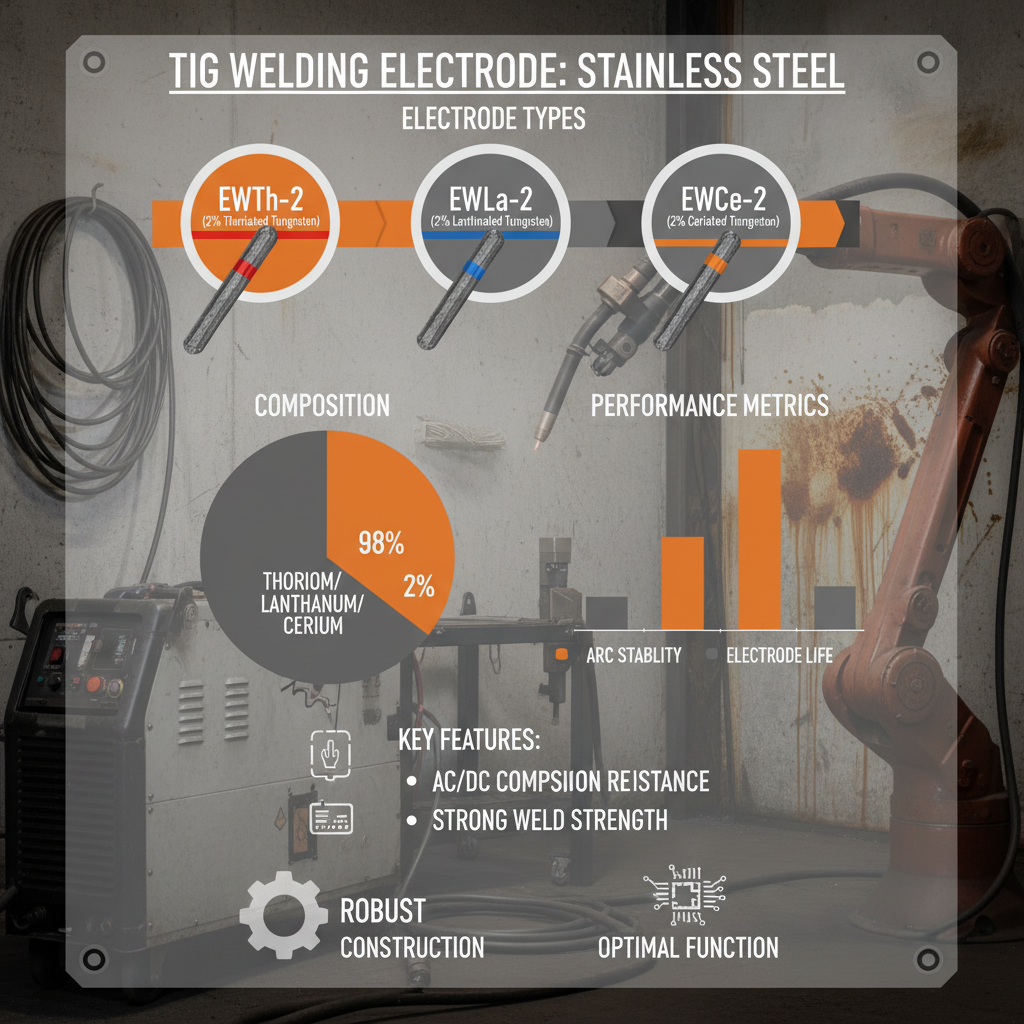
The diameter of the tig welding electrode for stainless steel significantly impacts weld quality and penetration. Common diameters range from 0.032” to 0.040” for thin materials and up to 0.062” or larger for thicker sections. Appropriate amperage settings are crucial. Generally, a starting point is around 1 amp per 0.001” of electrode diameter. However, factors like joint design, material thickness, and welding position will require adjustments. Always refer to a welding chart or manufacturer's recommendations for specific amperage guidelines.
Conclusion: Choosing the Best Electrode for Your Needs
Selecting the right tig welding electrode is a key step in achieving high-quality stainless steel welds. By considering the stainless steel grade, welding environment, and desired weld properties, you can choose the optimal electrode for your application. Don’t hesitate to consult with welding experts or refer to manufacturer’s guidelines for specific recommendations. Investing in the correct electrode ensures durable, corrosion-resistant welds and long-lasting performance.
Frequently Asked Questions (FAQs)
What shielding gas is best for TIG welding stainless steel?
Argon is the most common and generally preferred shielding gas for TIG welding stainless steel. It provides excellent arc stability and weld purity. For thicker sections or applications requiring deeper penetration, an argon/helium mixture (e.g., 75% Argon/25% Helium) can be used. Helium increases heat input and improves the welding characteristics for thicker materials. The optimal gas flow rate will depend on the welding process and environment, but typically ranges from 15-20 cubic feet per hour (CFH).
How do I prevent tungsten contamination of the weld?
Tungsten contamination can occur if the tungsten electrode touches the weld pool. To prevent this, ensure proper arc length control and avoid dragging the tungsten through the weld. Use a quality tungsten electrode and sharpen it correctly. Proper shielding gas coverage is also crucial to protect the weld pool from atmospheric contamination. If tungsten contamination occurs, the weld should be cleaned and potentially repaired to ensure its integrity.
What is the recommended travel speed for TIG welding stainless steel?
Travel speed depends on several factors, including material thickness, amperage, and desired bead profile. A general guideline is to maintain a travel speed that allows for consistent fusion and avoids excessive heat buildup. Start with a slower speed and gradually increase it until you achieve the desired weld characteristics. Visually inspecting the weld pool and observing the weld bead formation can help you determine the optimal travel speed.
Where can I purchase high-quality tig welding electrodes for stainless steel?
You can find a wide selection of high-quality tig welding electrodes for stainless steel at Jinlong Welding Electrode. We offer a variety of electrode types and diameters to meet your specific welding needs. Our products are manufactured to the highest standards, ensuring consistent performance and reliable results.

Related Video

Related News


2026-04-16 02:35:10
Precision Guide for e312 16 welding rod and Dissimilar Steel Welding
In the demanding world of industrial fabrication and repair, selecting the correct filler metal is the difference between a structural failure and a lifetime bond. The e312 16 welding rod is specifically engineered to meet the rigorous needs of welding dissimilar steels, offering an exceptional balance of strength and corrosion resistance. Whether you are working on high-pressure pipelines or heavy machinery components, understanding the nuances of this specialized electrode is key to achieving professional-grade results. This guide explores the technical advantages and practical applications of the E312 series to help you optimize your welding workflow.
2026-04-09 02:35:17
Choosing the Right cs to ss welding rod number Professional Guide
Joining carbon steel (CS) to stainless steel (SS) is a common challenge in industrial fabrication, requiring a precise understanding of metallurgy to avoid weld failure. The most critical decision in this process is identifying the correct cs to ss welding rod number to ensure a strong, corrosion-resistant bond. Using the wrong filler metal can lead to cracking or premature oxidation due to the different thermal expansion rates of the two materials. In this comprehensive guide, we will break down the technical specifications and selection criteria to help you achieve a professional-grade weld every time.
2026-04-07 02:25:29
Comprehensive Guide to 409 Welding Rod Selection and Optimal Usage
When it comes to welding applications requiring corrosion resistance and good weldability, the 409 welding rod is a frequently chosen option. This article provides a detailed overview of this versatile welding rod, exploring its composition, applications, benefits, and considerations for optimal use. Whether you’re a seasoned professional or new to welding, understanding the properties of 409 welding rod is crucial for achieving high-quality, durable welds. We’ll cover everything you need to know to make informed decisions for your welding projects.
2026-04-04 02:35:28
Comprehensive Guide to 330 Stainless Steel Welding Rod Applications and Techniques
330 stainless steel welding rods are a crucial component in various industries, offering exceptional corrosion resistance and high-temperature strength. This article provides an in-depth look at these rods, covering their properties, applications, choosing the right rod, welding techniques, safety precautions, and where to find high-quality options. Whether you're a seasoned welding professional or new to the field, this guide will offer valuable insights.
2026-03-31 02:35:08
Comprehensive Guide to 312 Stainless Tig Rod for Superior Welding Performance
When choosing the right filler metal for your TIG welding projects, especially in demanding applications, 312 stainless steel tig rod stands out for its exceptional corrosion resistance and high-temperature strength. This comprehensive guide will explore its composition, applications, benefits, and how it compares to other stainless steel rods. We'll also point you to resources for sourcing high-quality rods.
2026-03-28 02:45:04
Comprehensive Guide to 312 17 Welding Rod Applications and Technical Details
Welding rods are essential consumables in the welding process, and selecting the right one is crucial for achieving strong, durable, and high-quality welds. The 312 17 welding rod is a popular choice for many applications due to its unique properties and versatility. This article delves into the characteristics, applications, benefits, and considerations when using 312 17 welding rods, providing a comprehensive resource for welders and engineers alike. Choosing the right rod directly impacts the success and longevity of any welding project.
2026-03-26 02:35:10
Comprehensive Guide to the 312 16 Welding Rod for Superior Steel Welding
The 312 16 welding rod is a versatile and widely-used electrode in various welding applications. Known for its excellent weldability and strong mechanical properties, it's a go-to choice for professionals and hobbyists alike. This article delves into the specifics of this electrode, covering its composition, applications, advantages, and how to choose the right one for your projects. Understanding the nuances of the 312 16 welding rod is crucial for achieving high-quality, durable welds. The designation "312 16" provides key information about the welding rod. "312" refers to the type of flux coating, specifically a low-hydrogen, iron powder coating. This coating is designed to produce welds with excellent mechanical properties and good resistance to cracking. The "16" indicates the diameter of the rod in 32nds of an inch – so a 312 16 rod has a diameter of 16/32 or 1/2 inch. This combination makes it suitable for a wide range of steel welding applications. The low-hydrogen nature of the flux minimizes hydrogen-induced cracking, a common issue in welding certain steels.
2026-03-24 02:45:07
Comprehensive Guide to 309LSI TIG Rod Welding Applications and Best Practices
The 309LSI TIG rod is a versatile welding consumable widely used across various industries for its exceptional corrosion resistance and weldability. This article will explore the properties, applications, advantages, and best practices associated with using 309LSI TIG rods. Whether you're a seasoned welding professional or new to the field, this guide will provide you with valuable insights into maximizing the performance and longevity of your welds. The 309LSI TIG rod is a stainless steel electrode specifically designed for Gas Tungsten Arc Welding (GTAW), commonly known as TIG welding. The "309LSI" designation indicates the alloy composition: 309 signifies the chromium-nickel content, 'L' denotes low carbon content for enhanced corrosion resistance, and 'SI' signifies stabilized with silicon for improved resistance to carbide precipitation during welding.

 English
  Arabic
  Bengali
  China
China  French
  German
  Hausa
Hausa  Indonesian
  Italian
  Japanese
  Javanese
  Malay
Malay  Persian
  Portuguese
  Punjabi
  Russian
  Spanish
  Swahili
  Telugu
  Vietnamese