

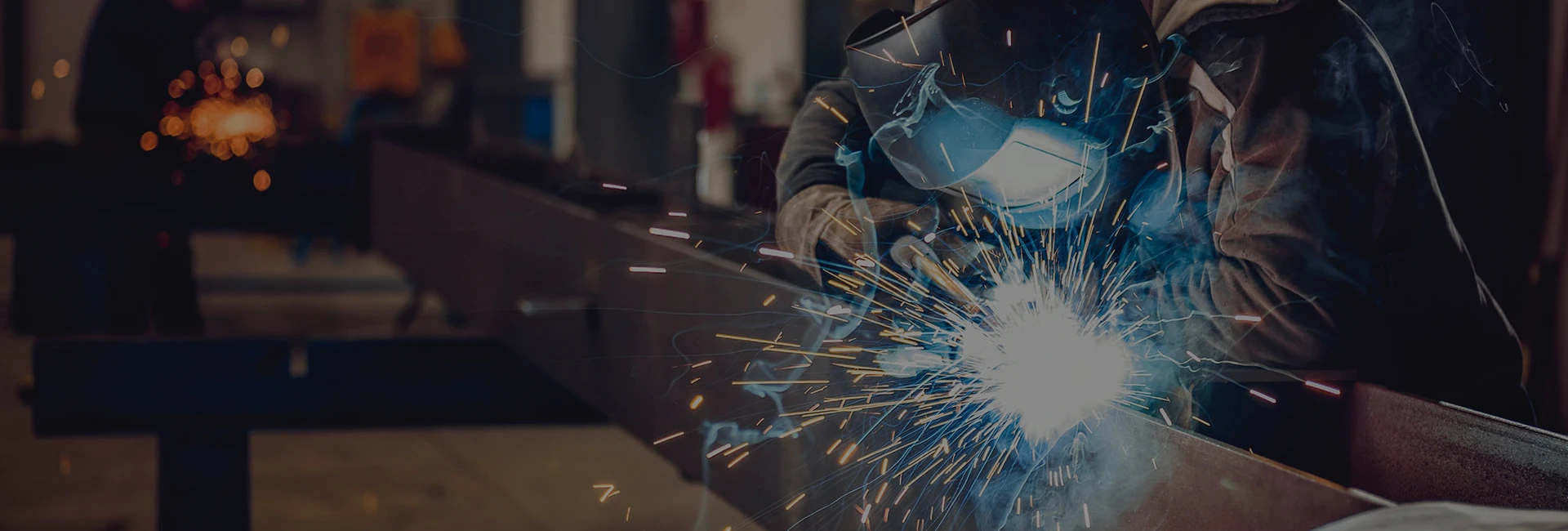
Quality 347 Electrode for Industrial Welding – Durable & Corrosion Resistant

Quality 347 Electrode for Industrial Welding – Durable & Corrosion Resistant
Jan . 04, 2026 01:35
Understanding the 347 Electrode: Why It Matters in Industrial Welding
Having spent years circling around industrial equipment—from rust to shiny new steel—I've come to appreciate the quiet heroes in fabrication: filler materials like the 347 electrode. Oddly enough, when you peek behind the scenes at welding jobs, these rods often determine the real success or headache of a project.
So, what's the fuss about the 347 electrode? Simply put, it's a stainless steel welding rod tailored for stability and corrosion resistance in high-temperature and chemically demanding environments. This grade contains columbium (niobium), which stabilizes the alloy and prevents weld decay—something many engineers swear by for durable welds in power plants, chemical plants, and aerospace parts.
In my experience, when the materials and welding consumables line up just right, the difference is more than technical talk—it’s tangible. The 347 electrode’s characteristic resistance to intergranular attack and cracking really shines in the heat (literally). I remember a project in a refinery where our usual welds kept needing patch-ups; switching to 347 electrodes, the repairs slowed to a crawl, saving weeks of downtime.
347 Electrode Product Specifications
| Property | Details |
|---|---|
| Alloy Type | Austenitic Stainless Steel (18% Cr, 9% Ni, Nb stabilized) |
| Typical Applications | High-temp service, chemical processing, power generation |
| Operating Temp Range | Up to 800°C (1470°F) continuous use |
| Corrosion Resistance | Excellent resistance to intergranular corrosion |
| Typical Mechanical Strength | Yield ~290 MPa; Tensile ~620 MPa |
| Welding Process | SMAW (Stick Welding), GTAW advisable for precision |
Now, suppliers of 347 electrodes aren’t all made equal, if you ask me. There’s some subtle variation in coating formulas, tensile strength claims, and even packaging that can tip the scales—especially in large-scale projects where consistency is gold.
Vendor Comparison: 347 Electrode Suppliers
| Vendor | Coating Type | Tensile Strength (MPa) | Standard Compliance | Price Range (per kg) |
|---|---|---|---|---|
| Jinlong Welding Electrode | Low-hydrogen, rutile coating | 620 MPa | AWS A5.4 E347-15 | $15 - $18 |
| Vendor B | Basic rutile coating | 600 MPa | AWS A5.4 E347-15 | $13 - $16 |
| Vendor C | High-hydrogen coating | 630 MPa | Meets ISO 3581 | $17 - $20 |
Note: High-hydrogen coatings can increase weld cracking risk in sensitive applications.
Frankly, for critical infrastructure, I prefer sticking with low-hydrogen coated electrodes like those from Jinlong Welding Electrode. Their blend of quality control, adherence to AWS standards, and user feedback consistently hits the mark. And yes, the price can be a bit higher, but you get peace of mind and fewer callbacks—valuable in my book.
And you know, behind every weld job lies a pretty human story. I recall a leading pipeline fabricator who shared that after specifying 347 electrodes from a trusted vendor, their maintenance schedule stretched longer with far fewer corrosion incidents. Oddly enough, welders also noted the rods were easier to handle and produced cleaner beads. That kind of practical feedback matters.
In real terms, the 347 electrode is more than just a consumable. It’s a silent partner, safeguarding structures from heat and chemical attack. When I consider all the welding specs and project demands over the years, I feel it's crucial to choose materials like these judiciously.
If you're in the market for reliable 347 electrode products, make sure to look beyond price tags. After all, quality and consistency keep your operations running, while cutting corners often only adds headaches.
For those curious about welding consumable trends, I’ve noticed a subtle shift lately toward more nickel-rich alloys and tailored coatings. However, the trusty 347 electrode and its niobium stabilization remain industry favorites, particularly where life and safety are concerned.
So next time you’re specifying consumables, I suggest thinking not just about cost, but about the stories behind these rods—the testing, the metallurgy, and frankly, the human hands fitting those welds into place.
A quick takeaway? It’s rarely just about the electrode itself but trusting the right product for your environment, and that 347 electrode does a solid job there.
References:
- ASTM A5/A5M – Standard Specification for Carbon Steel Electrodes for Shielded Metal Arc Welding
- AWS A5.4 – Specification for Stainless Steel Electrodes for Shielded Metal Arc Welding
- Wilson, J. (2017). Manual of Weld Test and Procedure Qualification, 3rd Edition, Industrial Press

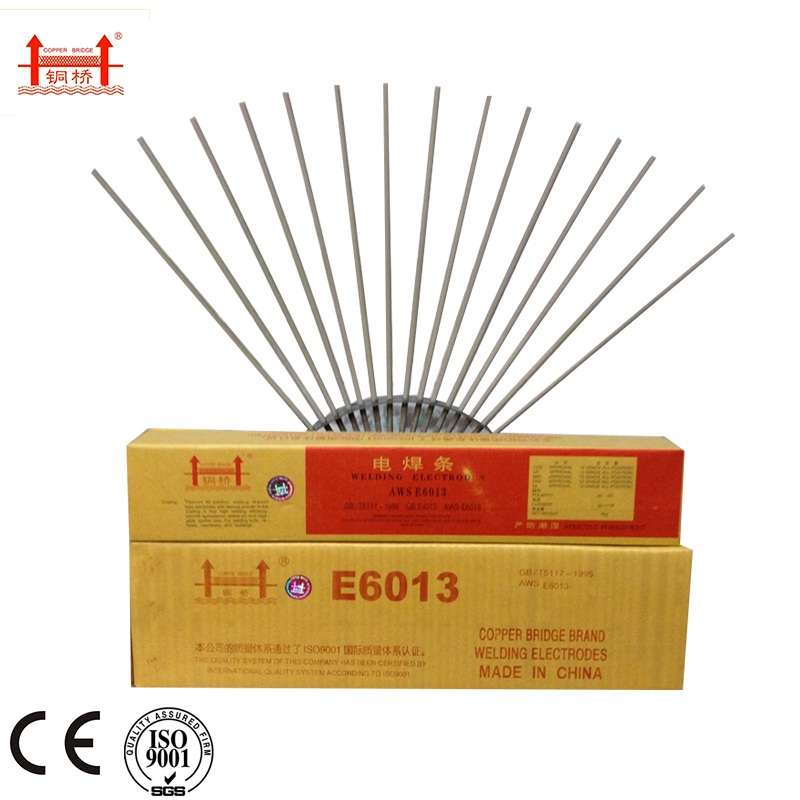
Related Video

Related News


2026-04-16 02:35:10
Precision Guide for e312 16 welding rod and Dissimilar Steel Welding
In the demanding world of industrial fabrication and repair, selecting the correct filler metal is the difference between a structural failure and a lifetime bond. The e312 16 welding rod is specifically engineered to meet the rigorous needs of welding dissimilar steels, offering an exceptional balance of strength and corrosion resistance. Whether you are working on high-pressure pipelines or heavy machinery components, understanding the nuances of this specialized electrode is key to achieving professional-grade results. This guide explores the technical advantages and practical applications of the E312 series to help you optimize your welding workflow.
2026-04-09 02:35:17
Choosing the Right cs to ss welding rod number Professional Guide
Joining carbon steel (CS) to stainless steel (SS) is a common challenge in industrial fabrication, requiring a precise understanding of metallurgy to avoid weld failure. The most critical decision in this process is identifying the correct cs to ss welding rod number to ensure a strong, corrosion-resistant bond. Using the wrong filler metal can lead to cracking or premature oxidation due to the different thermal expansion rates of the two materials. In this comprehensive guide, we will break down the technical specifications and selection criteria to help you achieve a professional-grade weld every time.
2026-04-07 02:25:29
Comprehensive Guide to 409 Welding Rod Selection and Optimal Usage
When it comes to welding applications requiring corrosion resistance and good weldability, the 409 welding rod is a frequently chosen option. This article provides a detailed overview of this versatile welding rod, exploring its composition, applications, benefits, and considerations for optimal use. Whether you’re a seasoned professional or new to welding, understanding the properties of 409 welding rod is crucial for achieving high-quality, durable welds. We’ll cover everything you need to know to make informed decisions for your welding projects.
2026-04-04 02:35:28
Comprehensive Guide to 330 Stainless Steel Welding Rod Applications and Techniques
330 stainless steel welding rods are a crucial component in various industries, offering exceptional corrosion resistance and high-temperature strength. This article provides an in-depth look at these rods, covering their properties, applications, choosing the right rod, welding techniques, safety precautions, and where to find high-quality options. Whether you're a seasoned welding professional or new to the field, this guide will offer valuable insights.
2026-03-31 02:35:08
Comprehensive Guide to 312 Stainless Tig Rod for Superior Welding Performance
When choosing the right filler metal for your TIG welding projects, especially in demanding applications, 312 stainless steel tig rod stands out for its exceptional corrosion resistance and high-temperature strength. This comprehensive guide will explore its composition, applications, benefits, and how it compares to other stainless steel rods. We'll also point you to resources for sourcing high-quality rods.
2026-03-28 02:45:04
Comprehensive Guide to 312 17 Welding Rod Applications and Technical Details
Welding rods are essential consumables in the welding process, and selecting the right one is crucial for achieving strong, durable, and high-quality welds. The 312 17 welding rod is a popular choice for many applications due to its unique properties and versatility. This article delves into the characteristics, applications, benefits, and considerations when using 312 17 welding rods, providing a comprehensive resource for welders and engineers alike. Choosing the right rod directly impacts the success and longevity of any welding project.
2026-03-26 02:35:10
Comprehensive Guide to the 312 16 Welding Rod for Superior Steel Welding
The 312 16 welding rod is a versatile and widely-used electrode in various welding applications. Known for its excellent weldability and strong mechanical properties, it's a go-to choice for professionals and hobbyists alike. This article delves into the specifics of this electrode, covering its composition, applications, advantages, and how to choose the right one for your projects. Understanding the nuances of the 312 16 welding rod is crucial for achieving high-quality, durable welds. The designation "312 16" provides key information about the welding rod. "312" refers to the type of flux coating, specifically a low-hydrogen, iron powder coating. This coating is designed to produce welds with excellent mechanical properties and good resistance to cracking. The "16" indicates the diameter of the rod in 32nds of an inch – so a 312 16 rod has a diameter of 16/32 or 1/2 inch. This combination makes it suitable for a wide range of steel welding applications. The low-hydrogen nature of the flux minimizes hydrogen-induced cracking, a common issue in welding certain steels.
2026-03-24 02:45:07
Comprehensive Guide to 309LSI TIG Rod Welding Applications and Best Practices
The 309LSI TIG rod is a versatile welding consumable widely used across various industries for its exceptional corrosion resistance and weldability. This article will explore the properties, applications, advantages, and best practices associated with using 309LSI TIG rods. Whether you're a seasoned welding professional or new to the field, this guide will provide you with valuable insights into maximizing the performance and longevity of your welds. The 309LSI TIG rod is a stainless steel electrode specifically designed for Gas Tungsten Arc Welding (GTAW), commonly known as TIG welding. The "309LSI" designation indicates the alloy composition: 309 signifies the chromium-nickel content, 'L' denotes low carbon content for enhanced corrosion resistance, and 'SI' signifies stabilized with silicon for improved resistance to carbide precipitation during welding.

 English
  Arabic
  Bengali
  China
China  French
  German
  Hausa
Hausa  Indonesian
  Italian
  Japanese
  Javanese
  Malay
Malay  Persian
  Portuguese
  Punjabi
  Russian
  Spanish
  Swahili
  Telugu
  Vietnamese