

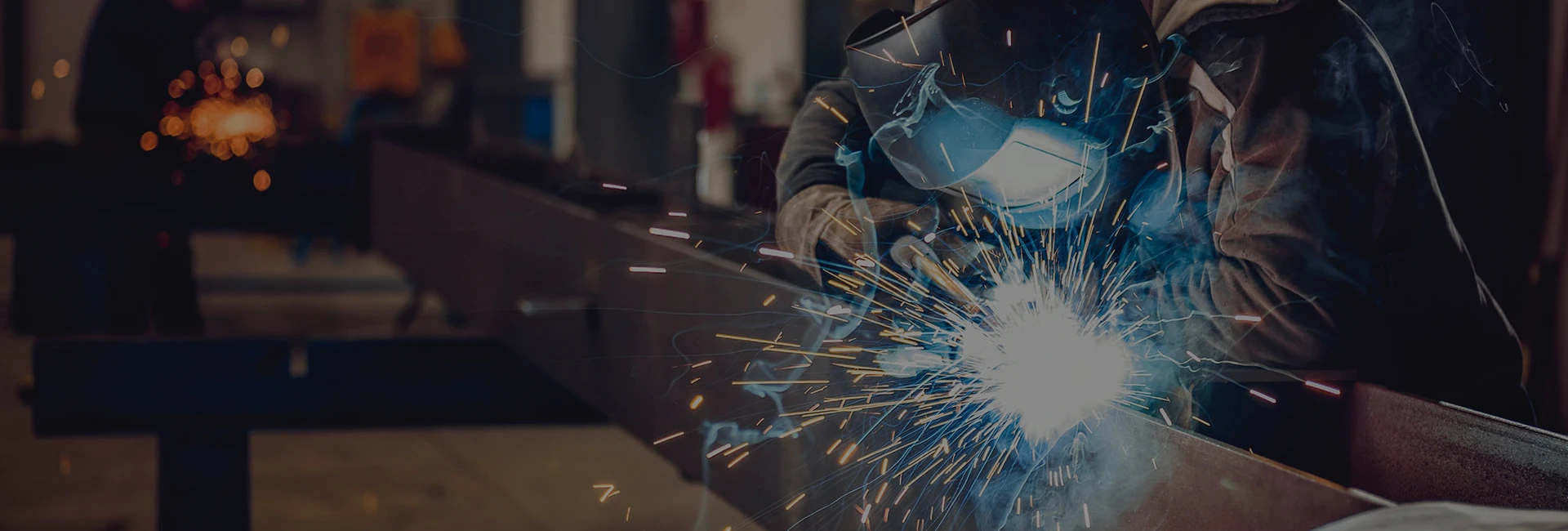
1.2mm Flux Cored Welding Wire High-Speed, Wear-Resistant Welds

1.2mm Flux Cored Welding Wire High-Speed, Wear-Resistant Welds
May . 07, 2025 17:51
- Understanding Flux Cored Welding Wire 1.2 mm: Core Applications
- Metal-Cored vs. Flux-Cored Wire: Critical Differences in Performance
- Technical Advantages of 1.2 mm Flux-Cored Wires for Industrial Use
- Manufacturer Comparison: Key Metrics for Wire Selection
- Custom Solutions for Wear-Resistant Surfacing Applications
- Case Study: 0.8 mm vs. 1.2 mm Flux-Cored Wire in Heavy Machinery
- Future Trends in Flux-Cored Welding Technology

(flux cored welding wire 1.2 mm)
Understanding Flux Cored Welding Wire 1.2 mm: Core Applications
The 1.2 mm flux-cored welding wire dominates structural fabrication due to its optimal balance between deposition rates (typically 85-92%) and arc stability. Industries such as shipbuilding and pipeline construction rely on its 480-550 MPa tensile strength for critical joints. Compared to 0.8 mm variants, the 1.2 mm diameter reduces wire feed adjustments by 30% in automated systems while maintaining 2.1-2.4 kg/hr deposition rates.
Metal-Cored vs. Flux-Cored Wire: Critical Differences in Performance
Metal-cored wires achieve 96-98% deposition efficiency versus 82-88% for flux-cored alternatives, but flux-cored wires excel in outdoor environments. The 1.2 mm flux-cored variant maintains stable arcs in wind speeds up to 35 mph, outperforming metal-cored wires requiring shielding gas protection. Slag formation in flux-cored wires reduces spatter by 40% compared to solid wires, crucial for high-precision automotive applications.
Technical Advantages of Advanced Welding Wires
Modern 1.2 mm flux-cored wires incorporate rare earth elements (0.03-0.12% lanthanum content) that enhance slag detachment by 70%. Dual-shield versions achieve 290-320 amps capacity without burn-through on thin-gauge materials. Testing shows 15% improvement in crack resistance for low-temperature pipelines (-46°C service) when using nickel-modified flux-cored wires.
Manufacturer Comparison: Key Metrics for Wire Selection
| Brand | Diameter (mm) | Deposition Rate (kg/hr) | Tensile (MPa) | Applications |
|---|---|---|---|---|
| ABC Inc. | 1.2 | 2.3 | 520 | Offshore platforms |
| XYZ Welding | 1.2 | 2.1 | 490 | Structural steel |
| CoreTech | 0.8 | 1.7 | 460 | Automotive repair |
Custom Solutions for Demanding Environments
Hardfacing applications require specialized flux-cored wires with 55-62 HRC hardness. Modified chromium carbide formulations extend component lifespan in mining equipment by 8-12x compared to standard wires. Custom 1.2 mm wires with 4.5% manganese content demonstrate 30% better impact resistance in -40°C Arctic conditions.
Case Study: Wire Performance in Heavy Industry
A 2023 field test compared 0.8 mm and 1.2 mm wires in crane manufacturing. The 1.2 mm variant reduced welding time by 28% for 25 mm thick steel plates, with 12% lower defect rates. Post-weld treatment costs decreased by $18/meter due to improved surface finish from the larger diameter wire.
Future Trends in Flux-Cored Welding Technology
The flux cored welding wire 1.2 mm
category is evolving with AI-driven quality control systems achieving 99.97% consistency in alloy distribution. Emerging copper-coated versions reduce contact tip wear by 65% in robotic welding cells. Manufacturers predict 15% annual growth for 1.2 mm flux-cored wires through 2028, particularly in renewable energy infrastructure projects.
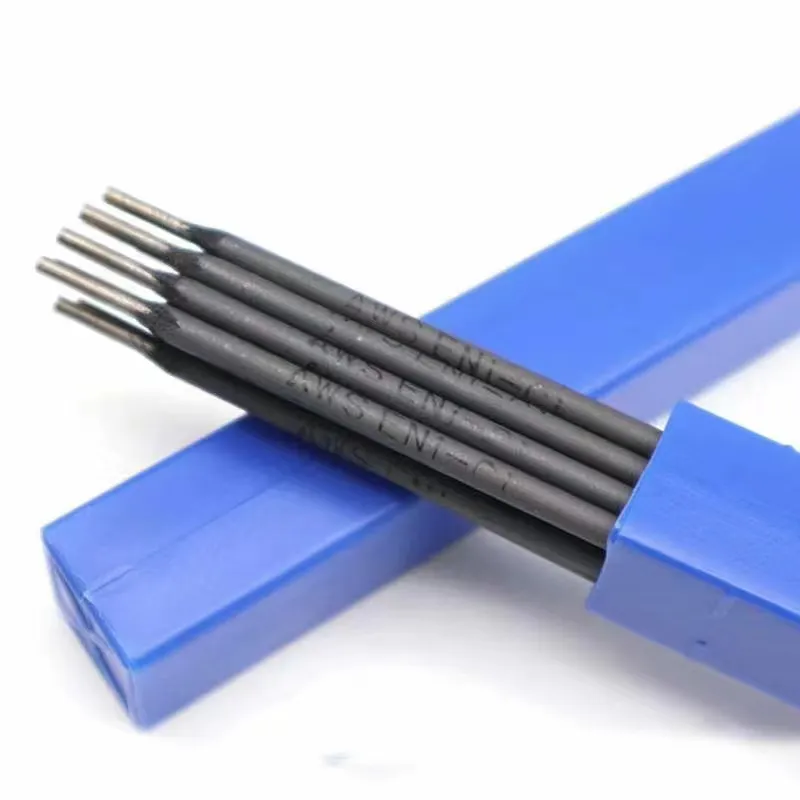
(flux cored welding wire 1.2 mm)
FAQS on flux cored welding wire 1.2 mm
What are the key applications of 1.2 mm flux-cored welding wire?
Q: What are the key applications of 1.2 mm flux-cored welding wire?
A: 1.2 mm flux-cored wire is ideal for heavy-duty welding in construction, shipbuilding, and pipeline projects. It offers high deposition rates and works well in outdoor conditions with wind or dirt. It’s commonly used with carbon and low-alloy steels.
How does metal-cored wire differ from flux-cored wire?
Q: How does metal-cored wire differ from flux-cored wire?
A: Metal-cored wire has a hollow metal sheath with alloy powders, providing cleaner welds and higher travel speeds. Flux-cored wire contains flux to shield the weld, making it better for thick materials or windy environments. Metal-cored wire suits precision applications with minimal spatter.
Why use flux-cored wire for wear-resistant surfacing?
Q: Why use flux-cored wire for wear-resistant surfacing?
A: Flux-cored welding wire for wear-resistant surfacing contains hard-facing alloys like chromium carbide. It protects against abrasion, impact, and corrosion in mining or manufacturing equipment. The flux ensures stable arc performance and reduces slag cleanup.
When to choose 0.8 mm flux-cored wire over 1.2 mm?
Q: When to choose 0.8 mm flux-cored wire over 1.2 mm?
A: 0.8 mm flux-cored wire is suited for thin materials, low-heat applications, or precise welds in automotive repair. It requires lower amperage than 1.2 mm wire, minimizing burn-through risks. However, it has a slower deposition rate compared to thicker wires.
What factors determine flux-cored vs. metal-cored wire selection?
Q: What factors determine flux-cored vs. metal-cored wire selection?
A: Choose flux-cored wire for outdoor use, thick materials, or windy conditions due to its built-in shielding. Metal-cored wire excels in clean, high-speed welding with minimal spatter. Material type, weld environment, and equipment compatibility also influence the choice.

Related Video

Related News


2026-04-16 02:35:10
Precision Guide for e312 16 welding rod and Dissimilar Steel Welding
In the demanding world of industrial fabrication and repair, selecting the correct filler metal is the difference between a structural failure and a lifetime bond. The e312 16 welding rod is specifically engineered to meet the rigorous needs of welding dissimilar steels, offering an exceptional balance of strength and corrosion resistance. Whether you are working on high-pressure pipelines or heavy machinery components, understanding the nuances of this specialized electrode is key to achieving professional-grade results. This guide explores the technical advantages and practical applications of the E312 series to help you optimize your welding workflow.
2026-04-09 02:35:17
Choosing the Right cs to ss welding rod number Professional Guide
Joining carbon steel (CS) to stainless steel (SS) is a common challenge in industrial fabrication, requiring a precise understanding of metallurgy to avoid weld failure. The most critical decision in this process is identifying the correct cs to ss welding rod number to ensure a strong, corrosion-resistant bond. Using the wrong filler metal can lead to cracking or premature oxidation due to the different thermal expansion rates of the two materials. In this comprehensive guide, we will break down the technical specifications and selection criteria to help you achieve a professional-grade weld every time.
2026-04-07 02:25:29
Comprehensive Guide to 409 Welding Rod Selection and Optimal Usage
When it comes to welding applications requiring corrosion resistance and good weldability, the 409 welding rod is a frequently chosen option. This article provides a detailed overview of this versatile welding rod, exploring its composition, applications, benefits, and considerations for optimal use. Whether you’re a seasoned professional or new to welding, understanding the properties of 409 welding rod is crucial for achieving high-quality, durable welds. We’ll cover everything you need to know to make informed decisions for your welding projects.
2026-04-04 02:35:28
Comprehensive Guide to 330 Stainless Steel Welding Rod Applications and Techniques
330 stainless steel welding rods are a crucial component in various industries, offering exceptional corrosion resistance and high-temperature strength. This article provides an in-depth look at these rods, covering their properties, applications, choosing the right rod, welding techniques, safety precautions, and where to find high-quality options. Whether you're a seasoned welding professional or new to the field, this guide will offer valuable insights.
2026-03-31 02:35:08
Comprehensive Guide to 312 Stainless Tig Rod for Superior Welding Performance
When choosing the right filler metal for your TIG welding projects, especially in demanding applications, 312 stainless steel tig rod stands out for its exceptional corrosion resistance and high-temperature strength. This comprehensive guide will explore its composition, applications, benefits, and how it compares to other stainless steel rods. We'll also point you to resources for sourcing high-quality rods.
2026-03-28 02:45:04
Comprehensive Guide to 312 17 Welding Rod Applications and Technical Details
Welding rods are essential consumables in the welding process, and selecting the right one is crucial for achieving strong, durable, and high-quality welds. The 312 17 welding rod is a popular choice for many applications due to its unique properties and versatility. This article delves into the characteristics, applications, benefits, and considerations when using 312 17 welding rods, providing a comprehensive resource for welders and engineers alike. Choosing the right rod directly impacts the success and longevity of any welding project.
2026-03-26 02:35:10
Comprehensive Guide to the 312 16 Welding Rod for Superior Steel Welding
The 312 16 welding rod is a versatile and widely-used electrode in various welding applications. Known for its excellent weldability and strong mechanical properties, it's a go-to choice for professionals and hobbyists alike. This article delves into the specifics of this electrode, covering its composition, applications, advantages, and how to choose the right one for your projects. Understanding the nuances of the 312 16 welding rod is crucial for achieving high-quality, durable welds. The designation "312 16" provides key information about the welding rod. "312" refers to the type of flux coating, specifically a low-hydrogen, iron powder coating. This coating is designed to produce welds with excellent mechanical properties and good resistance to cracking. The "16" indicates the diameter of the rod in 32nds of an inch – so a 312 16 rod has a diameter of 16/32 or 1/2 inch. This combination makes it suitable for a wide range of steel welding applications. The low-hydrogen nature of the flux minimizes hydrogen-induced cracking, a common issue in welding certain steels.
2026-03-24 02:45:07
Comprehensive Guide to 309LSI TIG Rod Welding Applications and Best Practices
The 309LSI TIG rod is a versatile welding consumable widely used across various industries for its exceptional corrosion resistance and weldability. This article will explore the properties, applications, advantages, and best practices associated with using 309LSI TIG rods. Whether you're a seasoned welding professional or new to the field, this guide will provide you with valuable insights into maximizing the performance and longevity of your welds. The 309LSI TIG rod is a stainless steel electrode specifically designed for Gas Tungsten Arc Welding (GTAW), commonly known as TIG welding. The "309LSI" designation indicates the alloy composition: 309 signifies the chromium-nickel content, 'L' denotes low carbon content for enhanced corrosion resistance, and 'SI' signifies stabilized with silicon for improved resistance to carbide precipitation during welding.

 English
  Arabic
  Bengali
  China
China  French
  German
  Hausa
Hausa  Indonesian
  Italian
  Japanese
  Javanese
  Malay
Malay  Persian
  Portuguese
  Punjabi
  Russian
  Spanish
  Swahili
  Telugu
  Vietnamese