

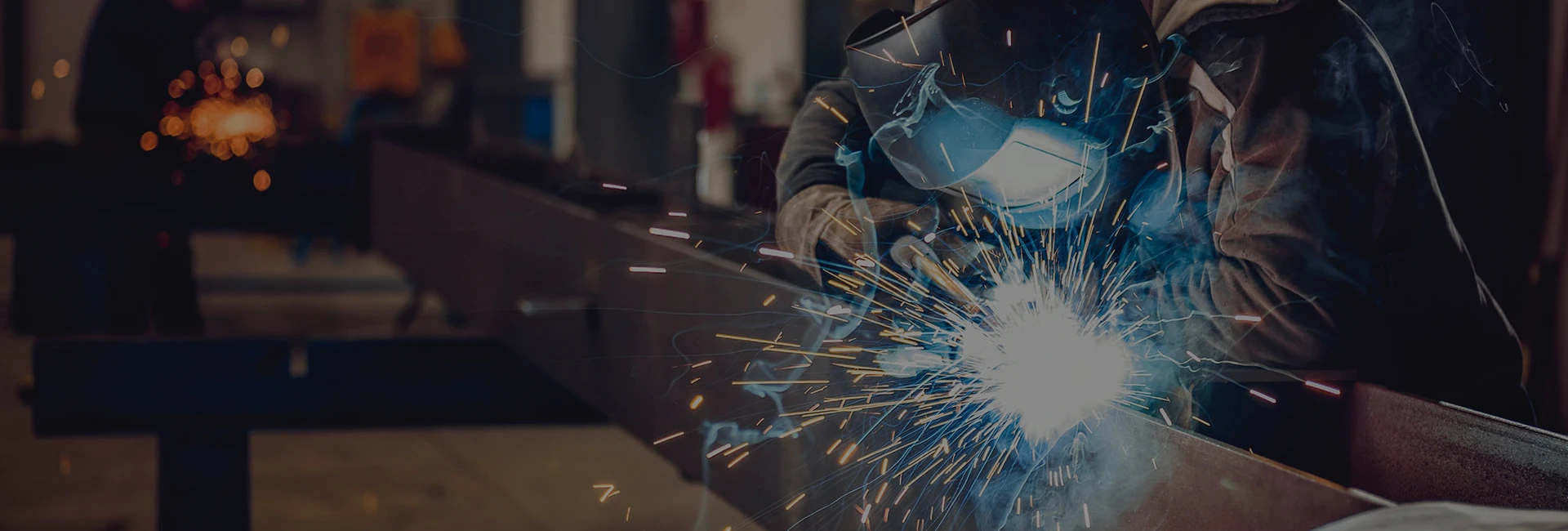
310 Welding Rod – Reliable High-Temperature Stainless Steel Welding

310 Welding Rod – Reliable High-Temperature Stainless Steel Welding
Jan . 02, 2026 06:50
310 Welding Rod: Why It Still Matters in Industrial Applications
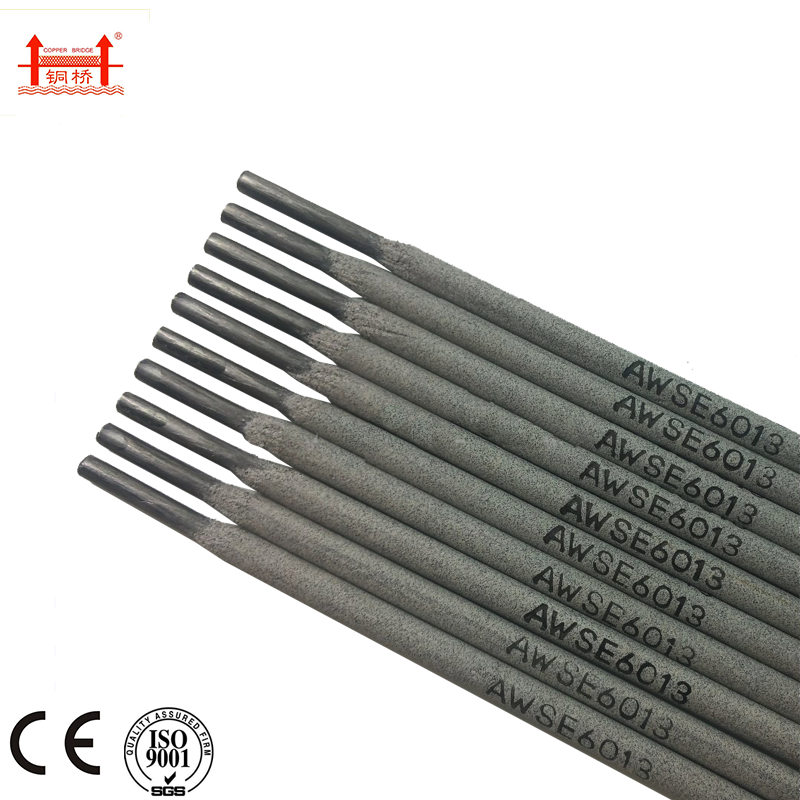
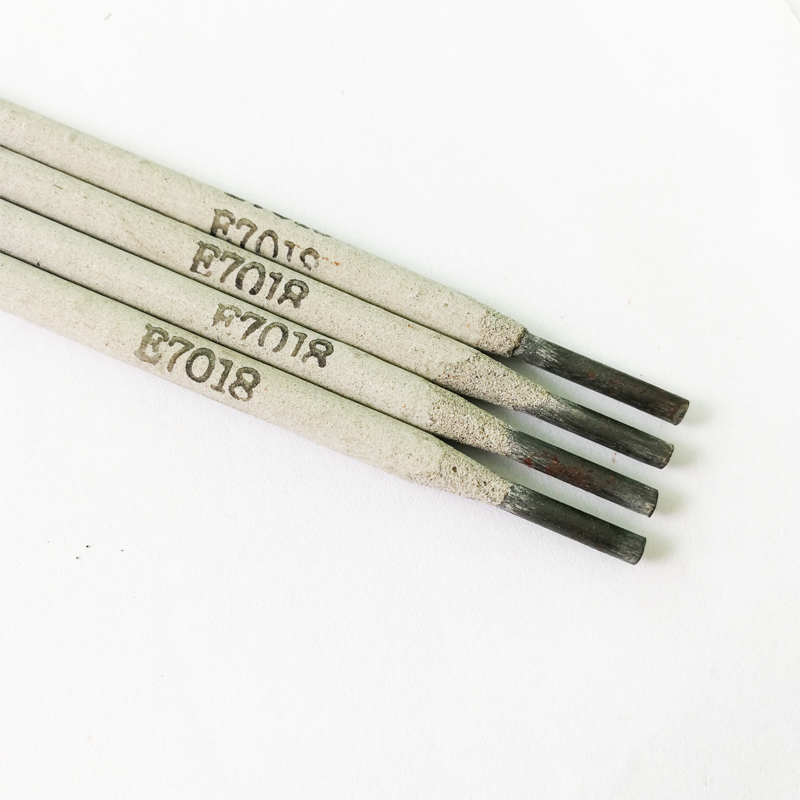
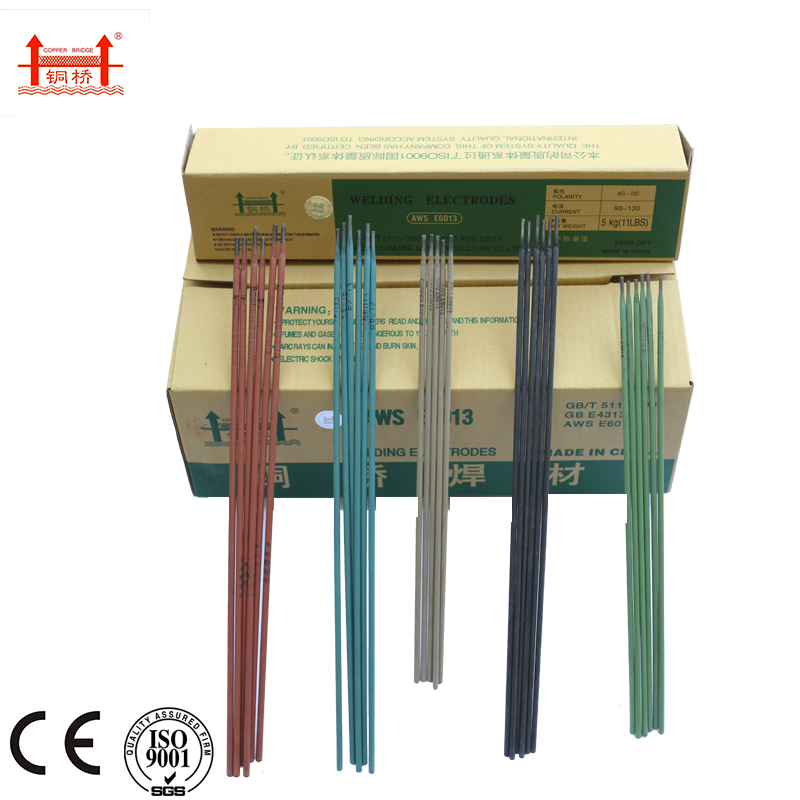
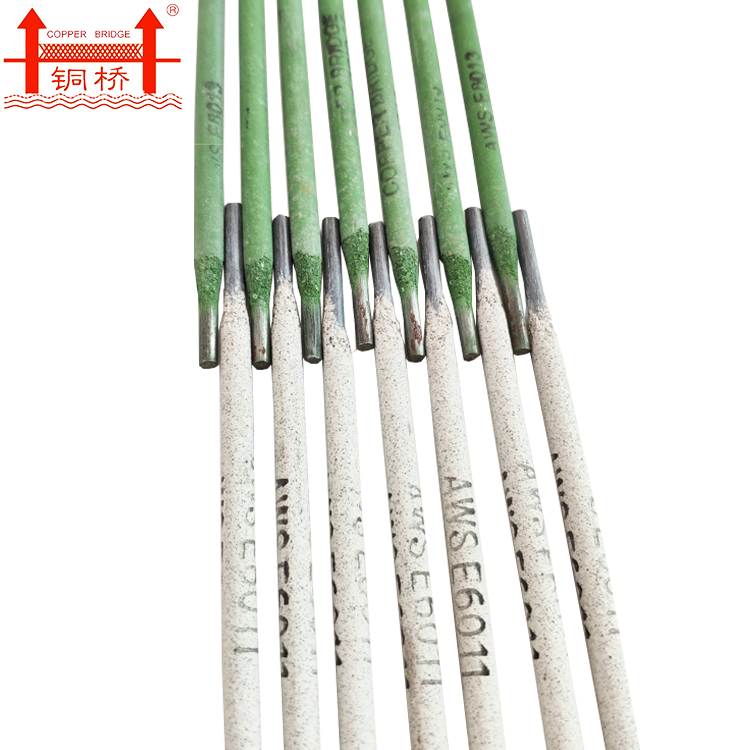
Having spent over a decade in the industrial equipment sector, I can tell you that not all welding rods are created equal—and the 310 welding rod certainly holds a unique spot on the toolbox shelf. Oddly enough, despite all the fancy new alloys and techniques flying around, this rod remains a trusted choice, especially when dealing with stainless steel and high-temperature environments.
So, what exactly makes the 310 welding rod tick? Frankly, it’s its robust composition—high chromium and nickel content, which offers top-notch oxidation and heat resistance. It's the kind of rod I trust when I work on heat exchangers or furnace parts, where the metal has to endure more than your average shop routine.
One thing I noticed early in my career is that 310 rods are surprisingly versatile. Yes, their main use case is joining 310 and 310S stainless steels, but their properties make them well-suited for cast irons and dissimilar metals as well. It feels like they manage to balance strength and flexibility, which is key when the welded joint will face thermal cycling.
That brings up an important point—it’s not just about the rod itself, but how it performs in real-world conditions. Many engineers I've worked with comment on how the 310 welding rod minimizes cracking thanks to its compatible metallurgy. That kind of reliability is hard to overstate when you’re fabricating parts that must last years without failure.
Of course, to get the most out of these rods, you need to follow best practices. Pre-welding cleaning is essential to avoid contamination, and I often remind shop crews to pay close attention to amperage settings, which for 310 rods generally fall within a moderate range suitable for both AC and DC currents.
| Specification | Details |
|---|---|
| Chemical Composition | 25% Chromium, 20% Nickel |
| Applications | 310 and 310S stainless steel, cast iron, dissimilar metal joints |
| Welding Current | AC or DC, 70-110 amps (depends on rod diameter) |
| Operating Temperature | Up to 2100°F (1150°C) |
| Rod Diameter Options | 2.0 mm, 2.5 mm, 3.2 mm, 4.0 mm |
| Typical Coating | High titania potassium-type coating |
Now, if you’re scouting for suppliers, it’s worth comparing a few key players. The industry, as you might guess, doesn’t lack options—low price vs. quality vs. delivery timelines is the usual balancing act. Personally, I've seen Jinlong's rods hold up well in tests, both in arc stability and weld bead consistency.
| Vendor | Price per kg | Quality Consistency | Delivery Time | Customer Support |
|---|---|---|---|---|
| Jinlong Welding Electrode | $$ | High | 2 weeks | Responsive |
| Competitor A | $ | Moderate | 1 week | Standard |
| Competitor B | $$$ | Very High | 3 weeks | Excellent |
I recall a recent project where we used these rods to repair a heat exchanger with extensive thermal stress. The welds stood up brilliantly to testing, which frankly saved downtime and kept the client happy. Stories like that remind me why I still come back to the 310 welding rod time and again.
In summary, if you need a reliable, heat-resistant solution for stainless and other hard-to-weld metals, the 310 welding rod is a dependable bet. Just make sure you source from a reputable brand—quality varies more than folks often admit.
It’s a bit of classic tech that remains relevant, and oddly enough, in fields as demanding as industrial equipment, that kind of reliability never goes out of style.
References:
1. “Welding Metallurgy and Weldability of Stainless Steel,” AWS.
2. Jinlong Welding Electrode Technical Datasheet.
3. Industry forum discussions and user feedback collected over 10+ years.

Related Video

Related News


2026-04-16 02:35:10
Precision Guide for e312 16 welding rod and Dissimilar Steel Welding
In the demanding world of industrial fabrication and repair, selecting the correct filler metal is the difference between a structural failure and a lifetime bond. The e312 16 welding rod is specifically engineered to meet the rigorous needs of welding dissimilar steels, offering an exceptional balance of strength and corrosion resistance. Whether you are working on high-pressure pipelines or heavy machinery components, understanding the nuances of this specialized electrode is key to achieving professional-grade results. This guide explores the technical advantages and practical applications of the E312 series to help you optimize your welding workflow.
2026-04-09 02:35:17
Choosing the Right cs to ss welding rod number Professional Guide
Joining carbon steel (CS) to stainless steel (SS) is a common challenge in industrial fabrication, requiring a precise understanding of metallurgy to avoid weld failure. The most critical decision in this process is identifying the correct cs to ss welding rod number to ensure a strong, corrosion-resistant bond. Using the wrong filler metal can lead to cracking or premature oxidation due to the different thermal expansion rates of the two materials. In this comprehensive guide, we will break down the technical specifications and selection criteria to help you achieve a professional-grade weld every time.
2026-04-07 02:25:29
Comprehensive Guide to 409 Welding Rod Selection and Optimal Usage
When it comes to welding applications requiring corrosion resistance and good weldability, the 409 welding rod is a frequently chosen option. This article provides a detailed overview of this versatile welding rod, exploring its composition, applications, benefits, and considerations for optimal use. Whether you’re a seasoned professional or new to welding, understanding the properties of 409 welding rod is crucial for achieving high-quality, durable welds. We’ll cover everything you need to know to make informed decisions for your welding projects.
2026-04-04 02:35:28
Comprehensive Guide to 330 Stainless Steel Welding Rod Applications and Techniques
330 stainless steel welding rods are a crucial component in various industries, offering exceptional corrosion resistance and high-temperature strength. This article provides an in-depth look at these rods, covering their properties, applications, choosing the right rod, welding techniques, safety precautions, and where to find high-quality options. Whether you're a seasoned welding professional or new to the field, this guide will offer valuable insights.
2026-03-31 02:35:08
Comprehensive Guide to 312 Stainless Tig Rod for Superior Welding Performance
When choosing the right filler metal for your TIG welding projects, especially in demanding applications, 312 stainless steel tig rod stands out for its exceptional corrosion resistance and high-temperature strength. This comprehensive guide will explore its composition, applications, benefits, and how it compares to other stainless steel rods. We'll also point you to resources for sourcing high-quality rods.
2026-03-28 02:45:04
Comprehensive Guide to 312 17 Welding Rod Applications and Technical Details
Welding rods are essential consumables in the welding process, and selecting the right one is crucial for achieving strong, durable, and high-quality welds. The 312 17 welding rod is a popular choice for many applications due to its unique properties and versatility. This article delves into the characteristics, applications, benefits, and considerations when using 312 17 welding rods, providing a comprehensive resource for welders and engineers alike. Choosing the right rod directly impacts the success and longevity of any welding project.
2026-03-26 02:35:10
Comprehensive Guide to the 312 16 Welding Rod for Superior Steel Welding
The 312 16 welding rod is a versatile and widely-used electrode in various welding applications. Known for its excellent weldability and strong mechanical properties, it's a go-to choice for professionals and hobbyists alike. This article delves into the specifics of this electrode, covering its composition, applications, advantages, and how to choose the right one for your projects. Understanding the nuances of the 312 16 welding rod is crucial for achieving high-quality, durable welds. The designation "312 16" provides key information about the welding rod. "312" refers to the type of flux coating, specifically a low-hydrogen, iron powder coating. This coating is designed to produce welds with excellent mechanical properties and good resistance to cracking. The "16" indicates the diameter of the rod in 32nds of an inch – so a 312 16 rod has a diameter of 16/32 or 1/2 inch. This combination makes it suitable for a wide range of steel welding applications. The low-hydrogen nature of the flux minimizes hydrogen-induced cracking, a common issue in welding certain steels.
2026-03-24 02:45:07
Comprehensive Guide to 309LSI TIG Rod Welding Applications and Best Practices
The 309LSI TIG rod is a versatile welding consumable widely used across various industries for its exceptional corrosion resistance and weldability. This article will explore the properties, applications, advantages, and best practices associated with using 309LSI TIG rods. Whether you're a seasoned welding professional or new to the field, this guide will provide you with valuable insights into maximizing the performance and longevity of your welds. The 309LSI TIG rod is a stainless steel electrode specifically designed for Gas Tungsten Arc Welding (GTAW), commonly known as TIG welding. The "309LSI" designation indicates the alloy composition: 309 signifies the chromium-nickel content, 'L' denotes low carbon content for enhanced corrosion resistance, and 'SI' signifies stabilized with silicon for improved resistance to carbide precipitation during welding.

 English
  Arabic
  Bengali
  China
China  French
  German
  Hausa
Hausa  Indonesian
  Italian
  Japanese
  Javanese
  Malay
Malay  Persian
  Portuguese
  Punjabi
  Russian
  Spanish
  Swahili
  Telugu
  Vietnamese