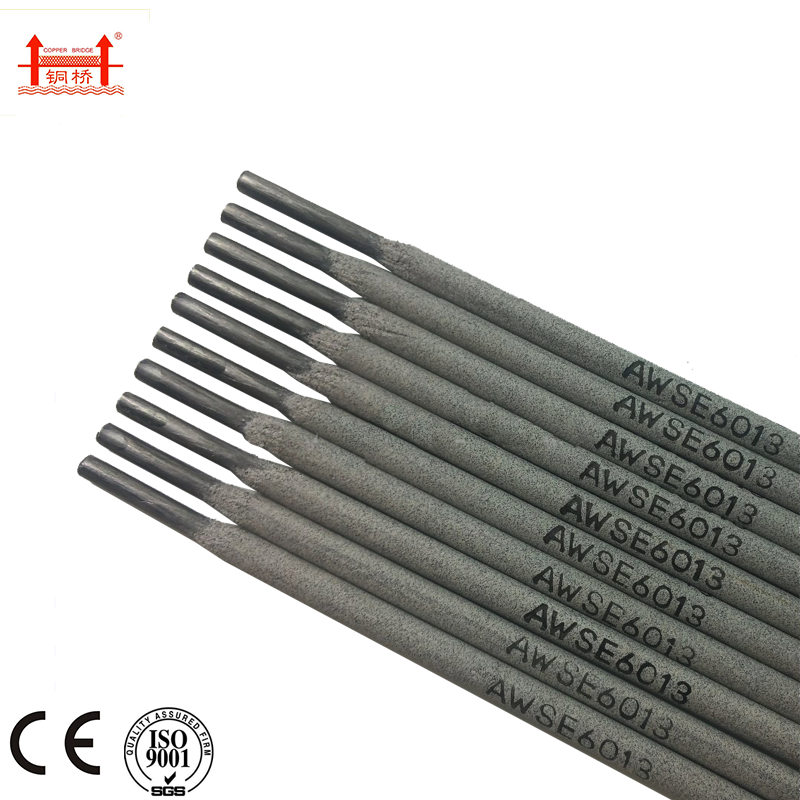
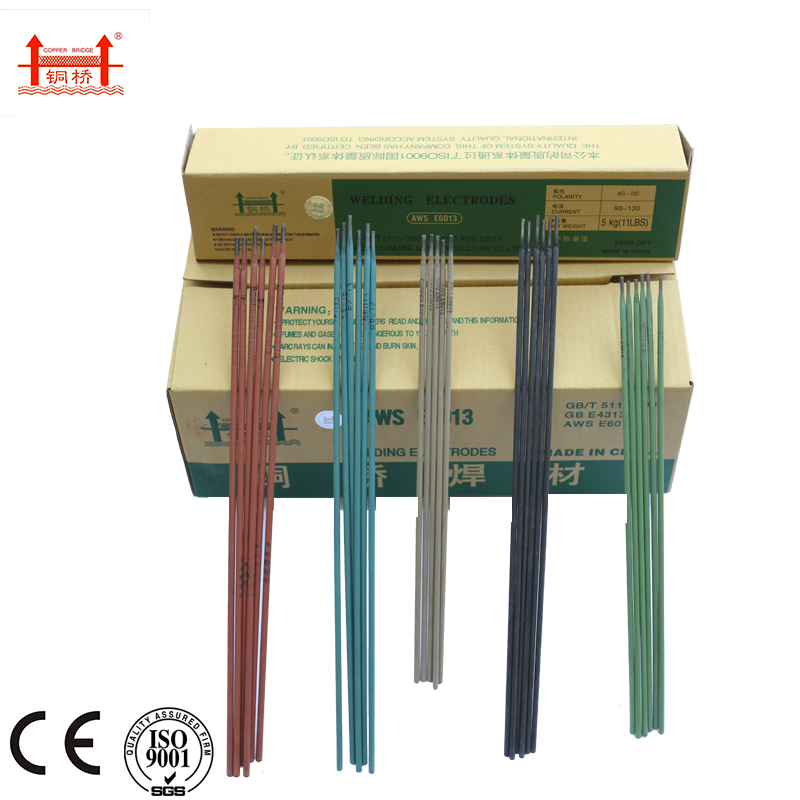
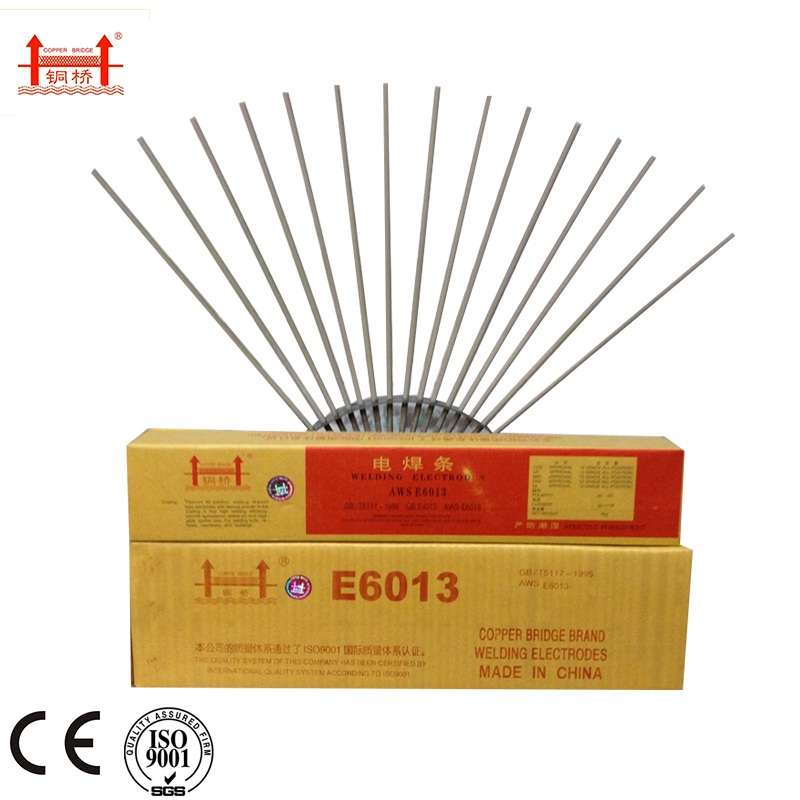
Industrial Welding Solutions for Ecuador: Premium electrode wire welding

High-performance welding consumables engineered for the demanding infrastructure and metallurgical projects across the Ecuadorian landscape.

Industrial Welding Solutions for Ecuador: Premium electrode wire welding

Providing the Ecuadorian manufacturing sector with precision-engineered welding materials, from heavy-duty industrial rods to specialized underwater electrodes, ensuring structural integrity in diverse climatic zones.

Current State of Welding Metallurgy in Ecuador

Analyzing the intersection of geological challenges and industrial demand in South America.

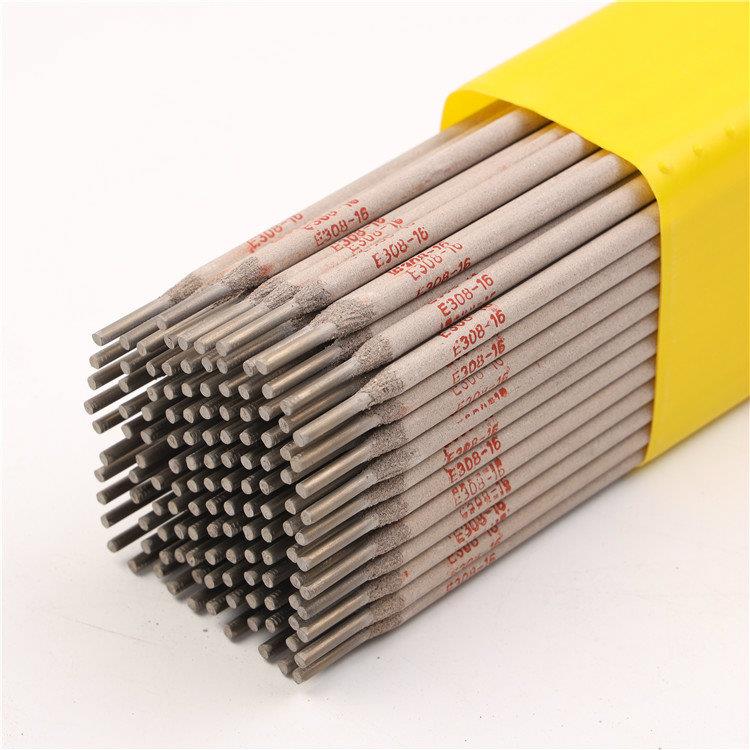
In Ecuador, the welding industry is heavily influenced by the diverse geography, ranging from the humid coast to the high-altitude Andes. The high humidity levels in coastal regions like Guayaquil necessitate the use of advanced wet welding electrodes to prevent hydrogen-induced cracking and ensure bond quality in moisture-rich environments.

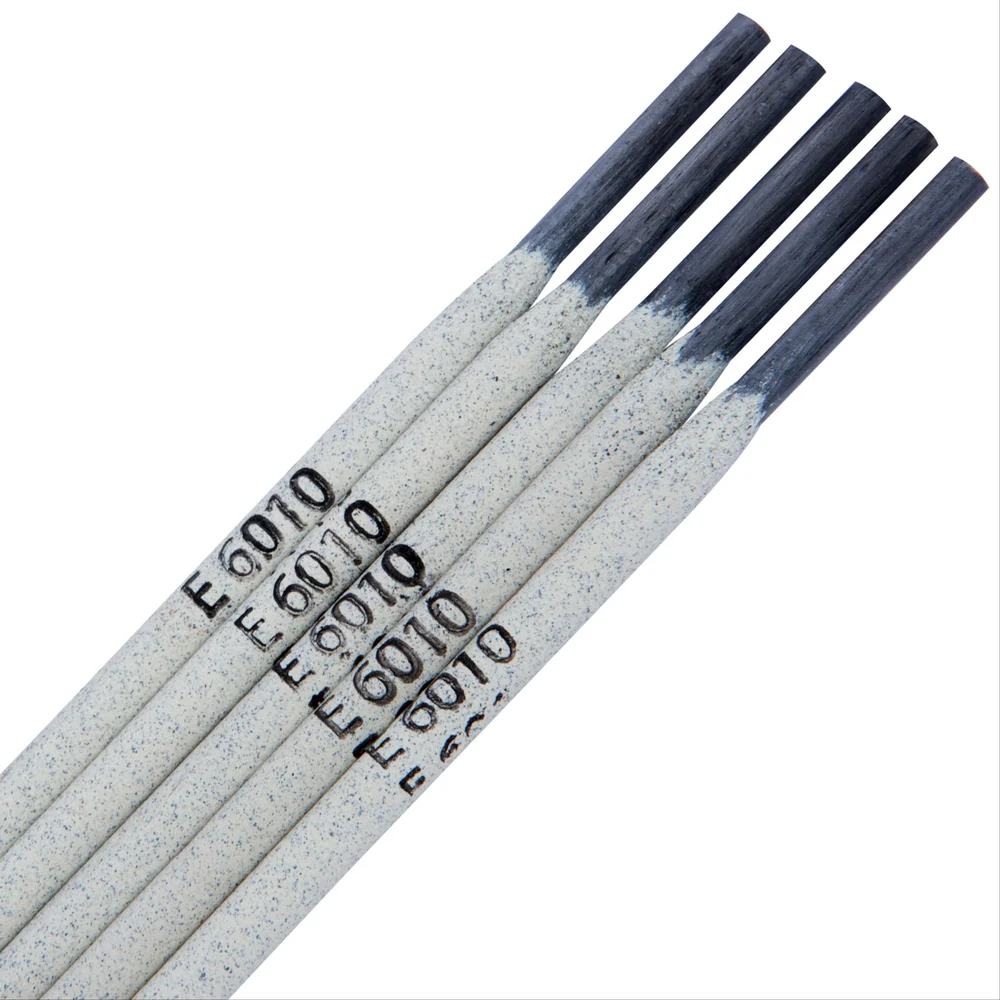
The local manufacturing sector is currently transitioning from basic fabrication to complex industrial engineering. This has led to an increased demand for normal welding rod options for general construction, while the oil and gas sectors in the Oriente region require higher specifications for pressure vessel fabrication.

Furthermore, the growth of the shipbuilding and port repair industry in the Pacific region has created a critical need for heavy-duty consumables. The adoption of big welding rod specifications is becoming standard for repairing large-scale maritime hulls and offshore platforms.
Evolution and Technical Trajectory of Welding Materials

From traditional manual arc welding to automated precision systems.

Market Development History

During the late 20th century, the Ecuadorian market relied primarily on basic SMAW processes using standard mild steel rods. This era was characterized by manual labor and a lack of specialized consumables for diverse alloy groups.

Between 2005 and 2015, the industrialization of the mining and oil sectors introduced the necessity for more precise deposition. This period saw the transition toward cutting welding rods for pre-fabrication and the introduction of high-tensile strength alloys to withstand seismic activity in the Andes.

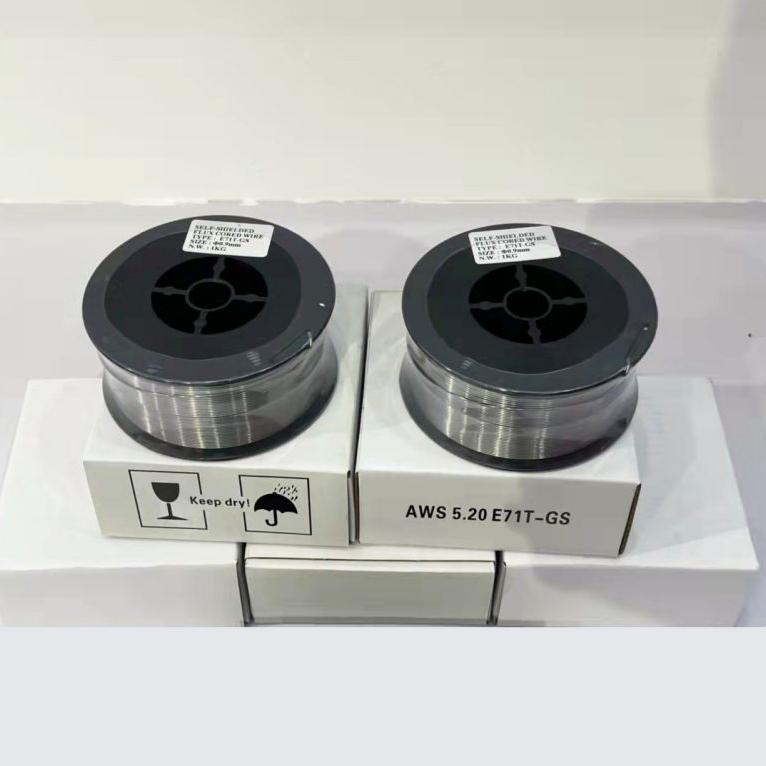
From 2016 to the present, there has been a surge in the adoption of semi-automatic and automatic processes. The integration of electrode wire welding has revolutionized production speeds in the metal furniture and automotive parts sectors within Quito and Guayaquil.

Future Development Trends

Smart Alloy Integration

The next 3 years will see a shift toward "intelligent" consumables that offer self-shielding properties, reducing the reliance on external gas in remote Ecuadorian field sites.

Sustainable Green Welding

Following global Google search trends for "Eco-friendly manufacturing," Ecuador is expected to adopt low-fume welding electrodes to meet new health and safety regulations in urban workshops.

Robotic MIG/MAG Dominance

As labor costs rise, the shift toward robotic cells utilizing high-feed wire systems will replace traditional manual methods in large-scale metal fabrication plants.

Future Trends and Industry Outlook

Strategic foresight into the evolution of metal joining technologies in Ecuador.

Automation Synergy
Increased integration of AI-driven welding systems with precision wire feeding to eliminate human error in structural welds.
Advanced Metallurgy
Development of nano-coated electrodes that provide superior penetration and reduced slag for high-pressure pipelines.
Climate-Adaptive Flux
New flux formulations specifically designed for the extreme humidity of the Ecuadorian coast to prevent porosity.
Digital Quality Tracking
Implementing IoT sensors in welding machines to monitor the consumption rate of welding rods in real-time.

Industry Outlook

Looking ahead, the Ecuadorian metal fabrication industry will pivot toward highly specialized materials. The demand for high-efficiency big welding rod variants will grow as infrastructure projects like bridge reinforcements and hydroelectric dam maintenance expand.

Furthermore, the alignment with international ISO standards will force local workshops to move away from generic products toward certified consumables that ensure traceability and safety in critical weldments.

Localized Application Scenarios in Ecuador

Tailored welding solutions for the unique industrial challenges of the region.

01. Oil Pipeline Maintenance in the Amazon

Utilizing high-strength electrodes to ensure leak-proof seams in the diverse terrains of the Oriente region, where moisture resistance is critical.

02. Ship Repair in Guayaquil Ports

Deployment of heavy-duty materials and cutting welding rods for the rapid refurbishment of commercial vessel hulls and port cranes.

03. High-Altitude Bridge Construction in the Andes

Application of low-hydrogen consumables to prevent brittleness in structural steel exposed to the extreme temperature fluctuations of the highlands.

04. Urban Metal Fabrication in Quito

Using precise electrode wire welding for the production of architectural metalwork and automotive components.

05. Underwater Infrastructure in Galapagos/Coast

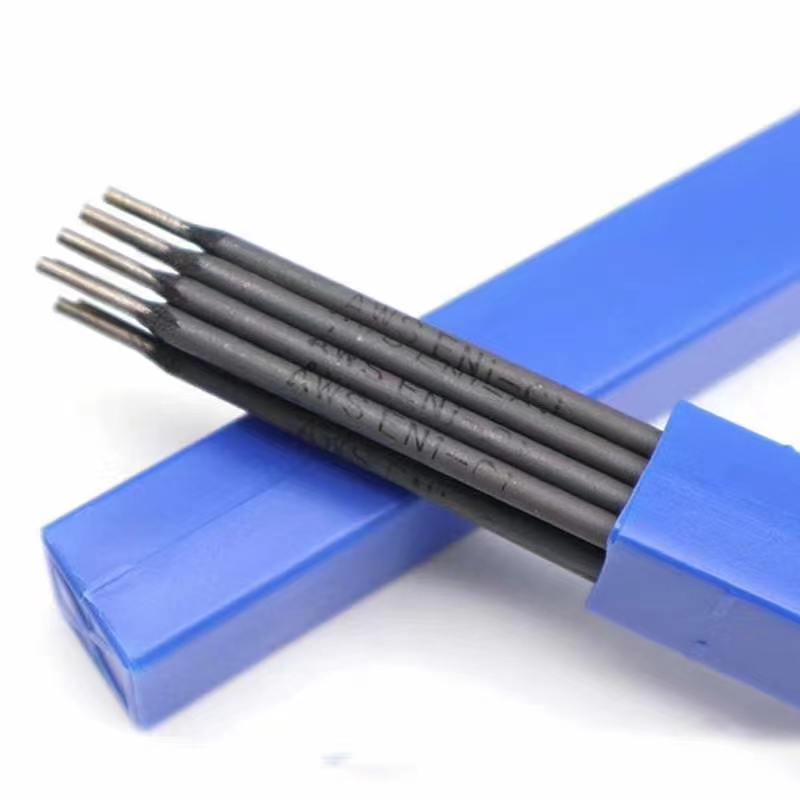
Specialized use of wet welding electrodes for the repair of underwater piers and oceanic research stations.

Brand Story

Global Development Journey of Dingzhou Jinlong Metal Products Co., Ltd.

Foundational Excellence

Established with a commitment to metallurgical precision, we began by solving the most basic pain points of arc stability in industrial welding.

Technological Breakthrough

We pioneered the development of advanced flux coatings, significantly reducing spatter and increasing deposition rates for global clients.

Global Market Expansion

Extending our reach to South America, we adapted our product lines to withstand extreme humidity and altitude, specifically for the Ecuadorian market.

Quality Certification Era

Achieving international certifications, ensuring every rod and wire produced meets the most stringent safety and durability standards worldwide.

Vision for the Future

Leading the transition toward sustainable, low-emission welding consumables to support the green industrial revolution globally.

Welding Technical FAQ - Ecuador Edition

Expert answers to common challenges faced by Ecuadorian welding professionals.

How to prevent porosity when using a normal welding rod in coastal Ecuador?

The high humidity in coastal areas often leads to moisture absorption. We recommend using vacuum-sealed packaging and reheating the rods in a drying oven before use to ensure a clean weld.

What are the advantages of electrode wire welding for urban fabrication in Quito?

Electrode wire welding offers significantly higher speed and consistency compared to manual rods, making it ideal for the high-volume production of metal furniture and automotive parts.

When should I choose a big welding rod over smaller diameters for structural work?

Large diameter rods are essential for thick-plate welding in infrastructure projects, as they provide deeper penetration and faster fill rates for heavy-duty joints.

Can wet welding electrodes be used for offshore pier repairs in the Pacific?

Yes, our specialized wet welding electrodes are formulated with waterproof coatings that allow for high-quality bonds even when the electrode is partially or fully submerged.

What is the best practice for using cutting welding rods in pre-fabrication?

Ensure the workpiece is properly grounded and use a stabilized current to avoid excessive slag, which improves the precision of the subsequent welding process.

How do I select the right material for high-altitude Andes construction?

For high-altitude environments, choose low-hydrogen consumables that provide high toughness and resistance to cold-temperature cracking.

Get Expert Welding Consultation

Our technical team is ready to provide customized welding material strategies for your projects in Ecuador.

Contact Us Now

If you are interested in our products, you can choose to leave your information here, and we will be in touch with you shortly.


en_USEnglish