

308h Welding Rod | Expert Insights & Specifications

308h Welding Rod | Expert Insights & Specifications
Jan . 01, 2026 07:00
Understanding the 308h welding rod: A Veteran’s Perspective
Having spent more years than I’d care to count in industrial welding and fabrication, I've worked with a good share of filler rods. The 308h welding rod always stood out to me as a solid, trustworthy choice for stainless steel applications — especially when you need a bit more flexibility with heat and corrosion resistance. Oddly enough, even as newer rods come and go, the 308h keeps its place in many shops and projects.
So, what makes this rod tick? Well, it’s fundamentally an enhanced version of the standard 308 rod, designed specifically for stainless steels prone to high heat input during welding. The 'h' in 308h denotes a higher carbon content, which might sound like a warning if you’re used to dealing with low-carbon stainless welding. But here’s the thing — that extra carbon is carefully balanced to maintain mechanical strength and resist cracking without sacrificing corrosion protection.
I remember a project a few years back where we were welding pipes for a chemical processing plant. The specs demanded excellent toughness with an eye on potential stress corrosion cracking. The 308h rods delivered exactly that, and the client appreciated the smooth, consistent beads they produced. Frankly, it feels like this rod has been optimized for those everyday, slightly challenging stainless jobs.
Core Composition & Benefits
The 308h rod’s carefully controlled chemistry means it welds easily on both AC and DC currents. Here are some quick highlights I always keep in mind:
- Enhanced toughness at higher temperatures — good for heat-affected zones.
- High ductility and excellent crack resistance.
- Great for 18-8 stainless steel alloys, including 304 and 304L.
- Versatile on various joint designs, from pipe to structural plates.
| Parameter | Typical Range | Notes |
|---|---|---|
| Carbon (C) | 0.04 - 0.10% | Higher than 308L for heat resistance |
| Chromium (Cr) | 19 - 21% | Provides corrosion resistance |
| Nickel (Ni) | 9 - 11% | Improves toughness and ductility |
| Manganese (Mn) | 1.5 - 2.0% | Enhances strength |
| Tensile Strength | 75,000 - 85,000 psi | Typical post-weld strength |
| Diameter | 1/16", 3/32", 1/8" | Common sizes for general use |
Choosing Between Leading Vendors
Not all 308h rods are created equal, and if you’ve been in this field long enough, you’ll know that performance can vary based on manufacturing quality and consistency. Here’s a quick side-by-side of three popular suppliers, highlighting the key differentiators I’ve noticed in the field:
| Brand | Weld Quality | Price Range | Availability | Customer Support |
|---|---|---|---|---|
| Jinlong | Consistent, smooth beads; low spatter | Moderate | Global supply, fast delivery | Responsive technical support |
| Lincoln Electric | High-quality weld with stable arc | Higher | Widely available worldwide | Excellent field support & training |
| ESAB | Good toughness, slightly higher spatter | Moderate to high | Strong North America presence | Professional support but slower |
In real terms, I tend to lean toward Jinlong for day-to-day welding because their rods hit a sweet spot between quality and cost, and their reliability surprised me pleasantly on site. But Lincoln Electric’s name carries weight for heavy-duty, safety-critical projects — their rods hold up impressively under tough specs.
One last note: always store your rods in dry, controlled environments. Something we sometimes take for granted ends up costing hours of grinding and rework when moisture gets involved. Even the best 308h weld rod won’t rescue you if it’s been sitting in a damp container.
All in all, the 308h welding rod remains, for me, an essential part of the welders’ toolkit — a trustworthy companion for many stainless steel fabrications that demand strength, flexibility, and reliable corrosion resistance.
If you’re stepping into stainless steel welding or just evaluating rods, giving 308h a try might just surprise you how well it fits some tricky specs.
Quick Takeaway
Understanding the nuances of filler rods like the 308h is what separates the good welds from the great ones — trust your materials, your tools, and experience the difference.
References:
- American Welding Society (AWS) Standards - Filler Metals for Stainless Steel
- Jinlong Welding Electrode Product Catalog
- “Practical Welding Metallurgy” by John Lancaster

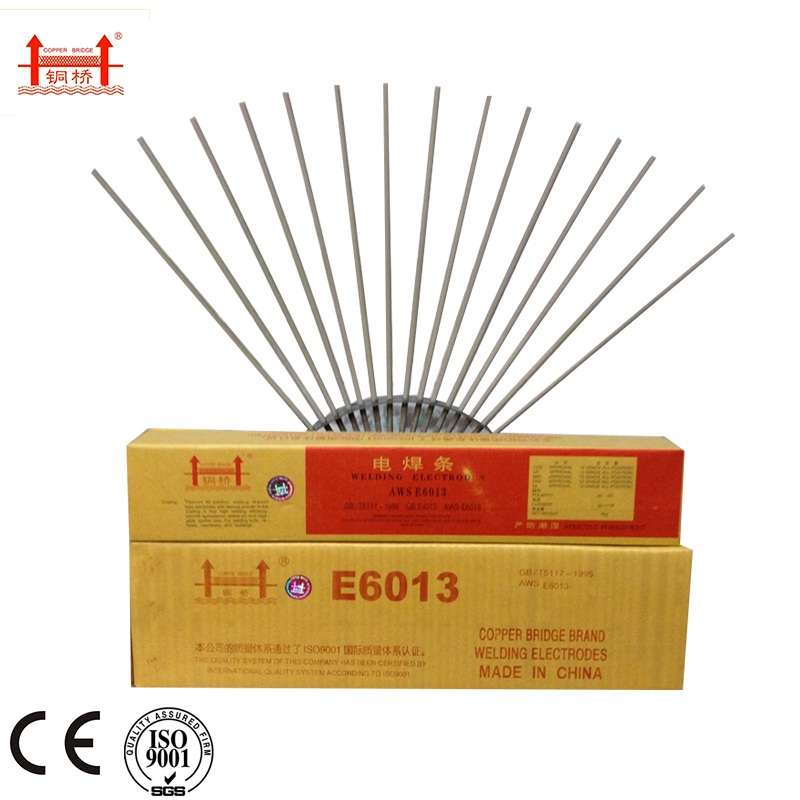
Related Video

Related News


2026-04-16 02:35:10
Precision Guide for e312 16 welding rod and Dissimilar Steel Welding
In the demanding world of industrial fabrication and repair, selecting the correct filler metal is the difference between a structural failure and a lifetime bond. The e312 16 welding rod is specifically engineered to meet the rigorous needs of welding dissimilar steels, offering an exceptional balance of strength and corrosion resistance. Whether you are working on high-pressure pipelines or heavy machinery components, understanding the nuances of this specialized electrode is key to achieving professional-grade results. This guide explores the technical advantages and practical applications of the E312 series to help you optimize your welding workflow.
2026-04-09 02:35:17
Choosing the Right cs to ss welding rod number Professional Guide
Joining carbon steel (CS) to stainless steel (SS) is a common challenge in industrial fabrication, requiring a precise understanding of metallurgy to avoid weld failure. The most critical decision in this process is identifying the correct cs to ss welding rod number to ensure a strong, corrosion-resistant bond. Using the wrong filler metal can lead to cracking or premature oxidation due to the different thermal expansion rates of the two materials. In this comprehensive guide, we will break down the technical specifications and selection criteria to help you achieve a professional-grade weld every time.
2026-04-07 02:25:29
Comprehensive Guide to 409 Welding Rod Selection and Optimal Usage
When it comes to welding applications requiring corrosion resistance and good weldability, the 409 welding rod is a frequently chosen option. This article provides a detailed overview of this versatile welding rod, exploring its composition, applications, benefits, and considerations for optimal use. Whether you’re a seasoned professional or new to welding, understanding the properties of 409 welding rod is crucial for achieving high-quality, durable welds. We’ll cover everything you need to know to make informed decisions for your welding projects.
2026-04-04 02:35:28
Comprehensive Guide to 330 Stainless Steel Welding Rod Applications and Techniques
330 stainless steel welding rods are a crucial component in various industries, offering exceptional corrosion resistance and high-temperature strength. This article provides an in-depth look at these rods, covering their properties, applications, choosing the right rod, welding techniques, safety precautions, and where to find high-quality options. Whether you're a seasoned welding professional or new to the field, this guide will offer valuable insights.
2026-03-31 02:35:08
Comprehensive Guide to 312 Stainless Tig Rod for Superior Welding Performance
When choosing the right filler metal for your TIG welding projects, especially in demanding applications, 312 stainless steel tig rod stands out for its exceptional corrosion resistance and high-temperature strength. This comprehensive guide will explore its composition, applications, benefits, and how it compares to other stainless steel rods. We'll also point you to resources for sourcing high-quality rods.
2026-03-28 02:45:04
Comprehensive Guide to 312 17 Welding Rod Applications and Technical Details
Welding rods are essential consumables in the welding process, and selecting the right one is crucial for achieving strong, durable, and high-quality welds. The 312 17 welding rod is a popular choice for many applications due to its unique properties and versatility. This article delves into the characteristics, applications, benefits, and considerations when using 312 17 welding rods, providing a comprehensive resource for welders and engineers alike. Choosing the right rod directly impacts the success and longevity of any welding project.
2026-03-26 02:35:10
Comprehensive Guide to the 312 16 Welding Rod for Superior Steel Welding
The 312 16 welding rod is a versatile and widely-used electrode in various welding applications. Known for its excellent weldability and strong mechanical properties, it's a go-to choice for professionals and hobbyists alike. This article delves into the specifics of this electrode, covering its composition, applications, advantages, and how to choose the right one for your projects. Understanding the nuances of the 312 16 welding rod is crucial for achieving high-quality, durable welds. The designation "312 16" provides key information about the welding rod. "312" refers to the type of flux coating, specifically a low-hydrogen, iron powder coating. This coating is designed to produce welds with excellent mechanical properties and good resistance to cracking. The "16" indicates the diameter of the rod in 32nds of an inch – so a 312 16 rod has a diameter of 16/32 or 1/2 inch. This combination makes it suitable for a wide range of steel welding applications. The low-hydrogen nature of the flux minimizes hydrogen-induced cracking, a common issue in welding certain steels.
2026-03-24 02:45:07
Comprehensive Guide to 309LSI TIG Rod Welding Applications and Best Practices
The 309LSI TIG rod is a versatile welding consumable widely used across various industries for its exceptional corrosion resistance and weldability. This article will explore the properties, applications, advantages, and best practices associated with using 309LSI TIG rods. Whether you're a seasoned welding professional or new to the field, this guide will provide you with valuable insights into maximizing the performance and longevity of your welds. The 309LSI TIG rod is a stainless steel electrode specifically designed for Gas Tungsten Arc Welding (GTAW), commonly known as TIG welding. The "309LSI" designation indicates the alloy composition: 309 signifies the chromium-nickel content, 'L' denotes low carbon content for enhanced corrosion resistance, and 'SI' signifies stabilized with silicon for improved resistance to carbide precipitation during welding.

 English
  Arabic
  Bengali
  China
China  French
  German
  Hausa
Hausa  Indonesian
  Italian
  Japanese
  Javanese
  Malay
Malay  Persian
  Portuguese
  Punjabi
  Russian
  Spanish
  Swahili
  Telugu
  Vietnamese