

Guide to High Strength Welding and e7018 electrode price
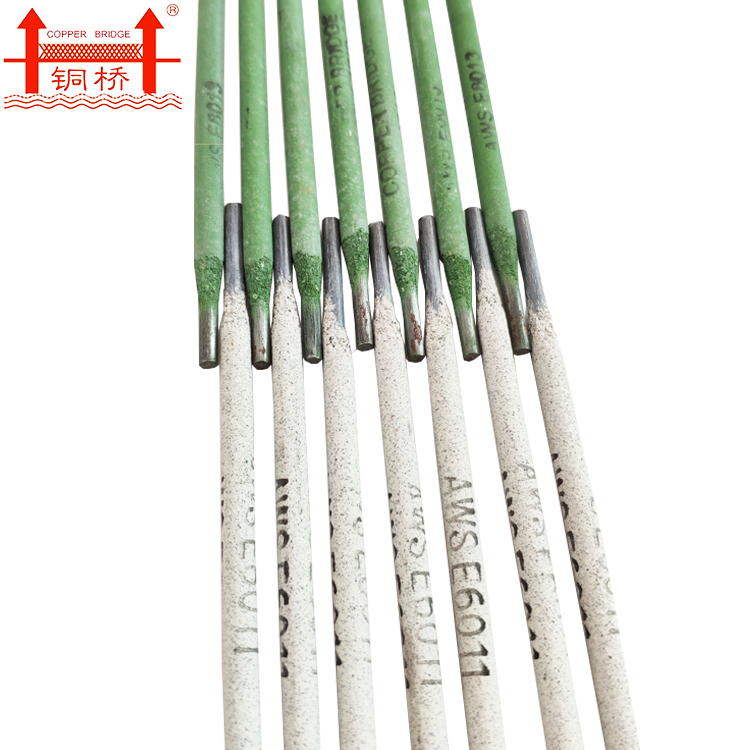
When selecting consumables for high-strength structural welding, procurement managers often balance technical certification with budget constraints. While many search for the current e7018 electrode price, the true value lies in the weld metal's mechanical properties and the reduction of post-weld defects. In industrial fabrication, the cost of a single failure far outweighs the marginal savings of lower-grade electrodes. This guide examines the technical requirements for low-hydrogen electrodes, specifically focusing on how material purity and coating integrity impact long-term structural durability in heavy-duty manufacturing.

Technical Foundations of Low-Hydrogen Electrodes in Modern Metallurgy
Low-hydrogen electrodes are engineered to minimize the risk of hydrogen-induced cracking, a critical concern in high-tensile steel applications. By utilizing a lime-titania or basic coating, these consumables ensure that the weld pool remains free of moisture and organic contaminants. This is essential for maintaining the integrity of the heat-affected zone (HAZ) in thick-section plates where cooling rates are rapid.
The chemical composition of the deposited metal plays a pivotal role in determining the final toughness and tensile strength. For instance, precise control over manganese and silicon levels ensures optimal deoxidation, while the limitation of carbon prevents embrittlement. Professional operators rely on these specifications to meet international standards, ensuring that joints can withstand cyclic loading and extreme environmental stressors without premature fatigue.

Optimizing Weld Performance through Proper Electrode Management
Achieving high-quality weld beads requires more than just the right material; it demands strict adherence to operational protocols. To prevent moisture absorption, electrodes must be dried at specific temperatures—typically between 250°C and 300°C for 60 minutes—before use. Once removed from the oven, they should be kept in holding ovens at 100°C to 150°C to maintain their low-hydrogen status during the welding process.
Furthermore, the weaving technique significantly affects the dilution of the base metal. Maintaining a short arc length and controlling the moving range within 2.5 times the wire diameter helps in achieving a stable arc and a well-distributed slag cover. These practices, combined with the use of lower currents to prevent cracking, ensure that the weld line moulding is consistent and the mechanical properties are fully realized across the entire joint.
Strategic Application Across Heavy Industry and Infrastructure
The versatility of high-performance electrodes makes them indispensable in several critical sectors. In shipbuilding and automobile manufacturing, where vibration and stress are constant, the toughness of the weld metal is paramount. Similarly, in the construction of pressure vessels and thermal piping, the ability of the weld to resist stomatal defects and maintain plastic nature prevents catastrophic failures under high pressure.
For those managing large-scale projects, the choice of consumable is often driven by the base metal's chemistry. Whether welding stainless thin plates, seamless pipes, or forged steel bars, the objective is to match the filler metal to the base metal's corrosion resistance and strength. This strategic matching ensures that the welded structure performs as a monolithic unit, resisting both oxidative wear and mechanical deformation over its service life.
Technical Specification and Material Comparison Matrix
| Performance Metric | Low-Hydrogen Grade | Standard Mild Steel | Evaluation Criteria |
|---|---|---|---|
| Tensile Strength | High (570+ Mpa) | Medium | Structural Load Capacity |
| Elongation Rate | Excellent (45%) | Moderate | Ductility & Plasticity |
| Coating Type | Lime-Titania/Basic | Rutile | Hydrogen Control |
| Arc Stability | Very Stable | Stable | Spatter Reduction |
| Application Range | Pressure Vessels | General Fabrication | Criticality of Joint |
Supplier Evaluation: Balancing Manufacturing Scale with Quality Assurance
When auditing potential welding material suppliers, procurement teams should look beyond the initial e7018 electrode price and evaluate the manufacturer's total quality ecosystem. A professional factory, such as Dingzhou Jinlong Metal Production Co., Ltd., integrates international production lines with complete testing equipment to ensure consistency across thousands of tons of annual output. Certifications like ISO9001, CE, and BV Rhine serve as benchmarks for reliability.
Consistency in the coating process is what separates industrial-grade electrodes from generic alternatives. The ability to maintain a stable chemical composition—limiting sulfur and phosphorus while optimizing chromium and nickel—prevents weld porosity and slag inclusions. For global buyers in Southeast Asia, the Middle East, and Africa, partnering with a manufacturer that has a proven export track record and local office presence reduces supply chain risks and ensures technical support is available on-site.
Future Trends in Welding Consumables and Procurement Strategy
The industry is shifting toward "smart consumables" that offer higher deposition rates with lower energy consumption. As environmental regulations tighten, there is a growing demand for electrodes that produce fewer fumes and have a lower carbon footprint during the manufacturing process. Buyers are now prioritizing suppliers who can provide comprehensive material traceability and digital quality certificates for every batch delivered.
To optimize procurement, companies are moving away from spot-buying toward strategic partnerships. By aligning with manufacturers who can provide a full suite of materials—including welding wires and blend powders—businesses can standardize their welding procedures (WPS). This integration not only simplifies inventory management but also ensures that the interaction between different welding materials is optimized for the specific metallurgical requirements of the project.
Technical Insights and Frequently Asked Questions
What is the primary difference between low-hydrogen and rutile electrodes?
Low-hydrogen electrodes use a basic coating that significantly reduces the amount of diffusible hydrogen in the weld, making them ideal for high-strength steels to prevent cold cracking, whereas rutile electrodes are generally easier to use for light fabrication.
Why is pre-heating and drying essential for certain welding rods?
Drying removes absorbed moisture from the coating. If moisture enters the arc, it dissociates into hydrogen, which can migrate into the weld metal and cause hydrogen-induced cracking (HIC), especially in thick sections.
How do I determine the correct current for a specific electrode diameter?
The current should be adjusted based on the electrode diameter (e.g., 2.5mm to 5.0mm) and the position of the weld. Using too high a current can increase dilution and risk cracking, while too low a current may lead to poor fusion.
What should I check when evaluating a welding material supplier?
Verify their ISO certifications (like ISO9001) and specific industry approvals (CE, BV). Check their annual production capacity and whether they have a dedicated testing laboratory for mechanical and chemical analysis.
Can these electrodes be used for all types of stainless steel?
Depending on the grade (e.g., E308/308L), they are specifically suitable for AISI-304, 301, and 302 stainless steels. Always match the electrode chemistry to the base metal to ensure corrosion resistance.
What is the impact of the weaving method on weld quality?
A controlled weave (within 2.5 times the wire diameter) prevents excessive heat buildup and ensures a smooth weld bead profile, which reduces the amount of grinding required and minimizes stress concentrations.
Technical References and Standards
- American Welding Society (AWS) Standards
- International Organization for Standardization (ISO) Quality Management
- ASME Boiler and Pressure Vessel Code
- TÜV SÜD Technical Certification Guidelines
For procurement managers and engineers seeking high-reliability welding solutions, understanding the intersection of material science and operational discipline is key. By prioritizing certified manufacturing processes and strict handling protocols, you can ensure structural integrity across all your industrial projects.
Related Technical Resources



 English
 Arabic
 Bengali
 China
 French
 German
 Hausa
 Indonesian
 Italian
 Japanese
 Javanese
 Malay
 Persian
 Portuguese
 Punjabi
 Russian
 Spanish
 Swahili
 Telugu
 Vietnamese