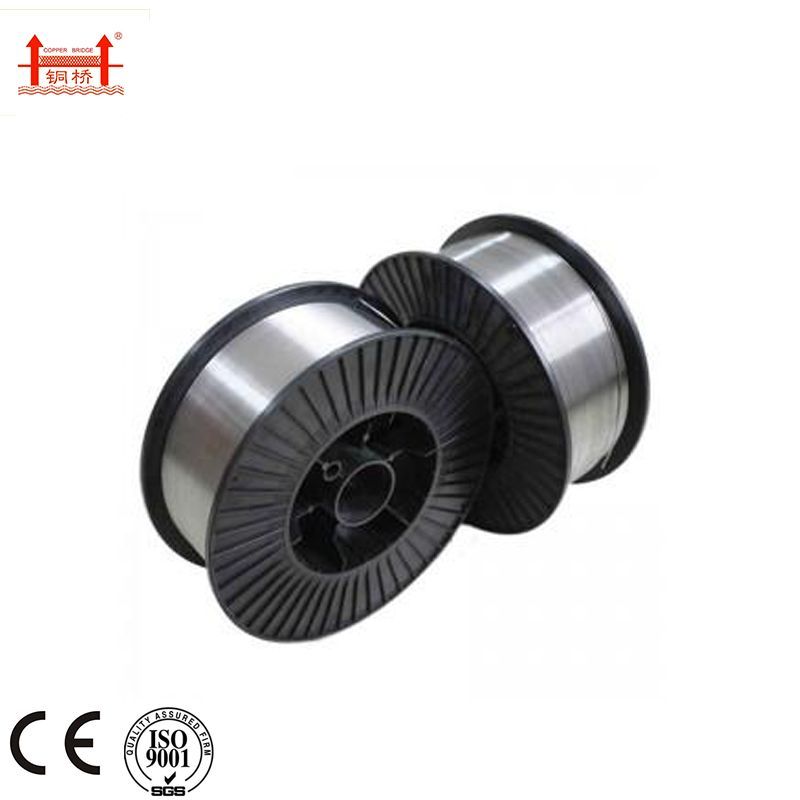
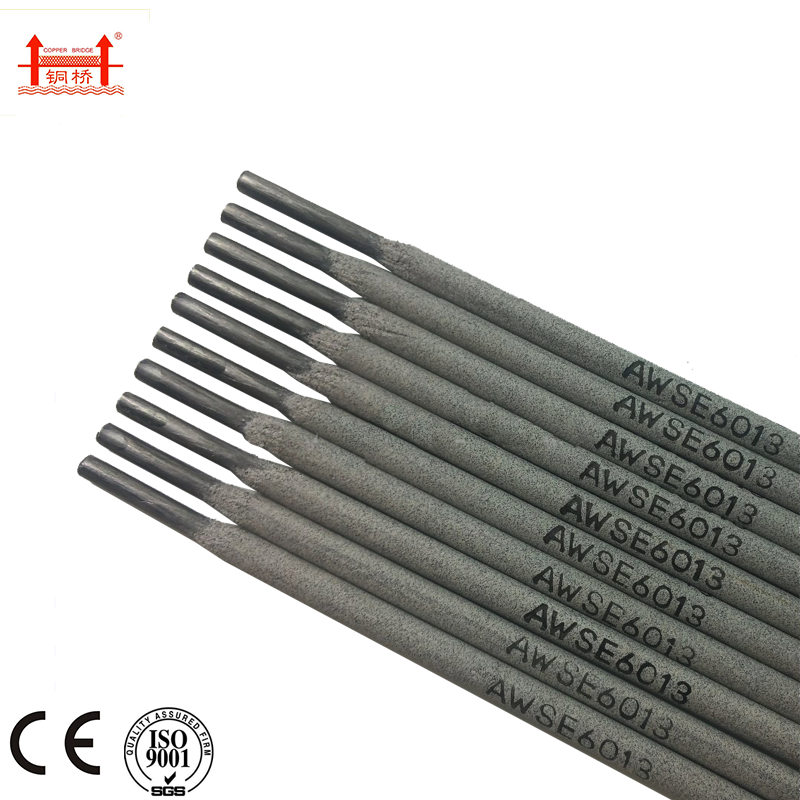
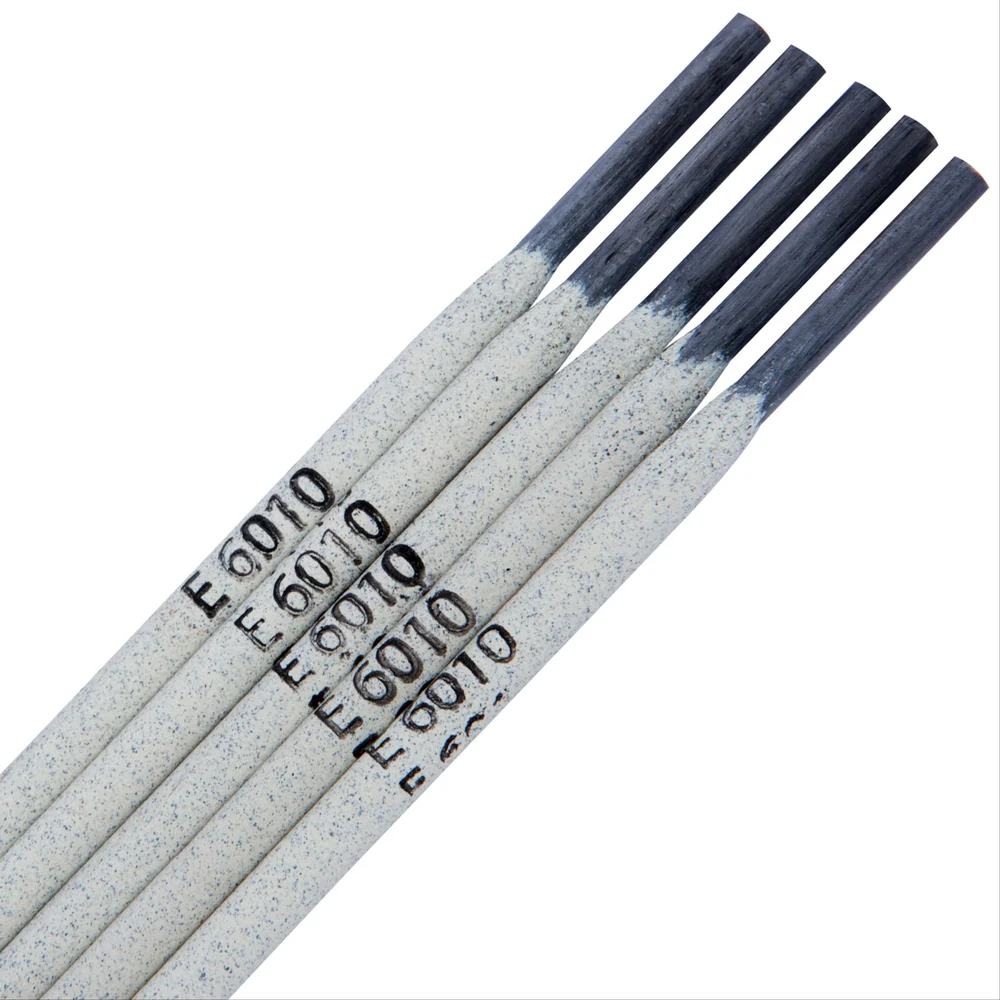
Industrial Welding Solutions for Colombia: High-Performance electrode wire welding

Providing heavy-duty metal fabrication tools tailored for the demanding infrastructure and mining sectors across Colombia.

Industrial Welding Solutions for Colombia: High-Performance electrode wire welding

Our comprehensive range of welding consumables is engineered to withstand the unique environmental challenges of the Colombian market, ensuring structural integrity and operational efficiency.

Analyzing the Welding Material Landscape in Colombia

The intersection of humid climates and heavy industrial demand in South America.

In Colombia, the welding industry is heavily influenced by the geographical diversity, ranging from coastal humidity in Cartagena to high-altitude mining operations in the Andes. This requires materials like wet welding electrodes that can maintain stability and performance despite extreme moisture levels and atmospheric pressure changes.

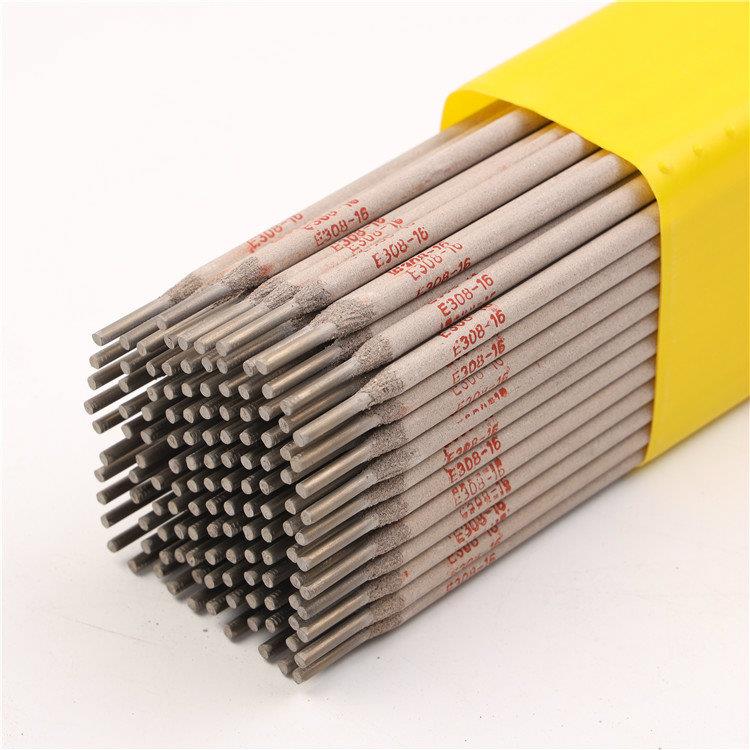
The local manufacturing sector relies heavily on robust consumables for oil and gas pipelines and urban infrastructure. There is a significant demand for the big welding rod for heavy structural joints, as the region's expansion in bridge and highway construction demands deep penetration and high load-bearing weld beads.

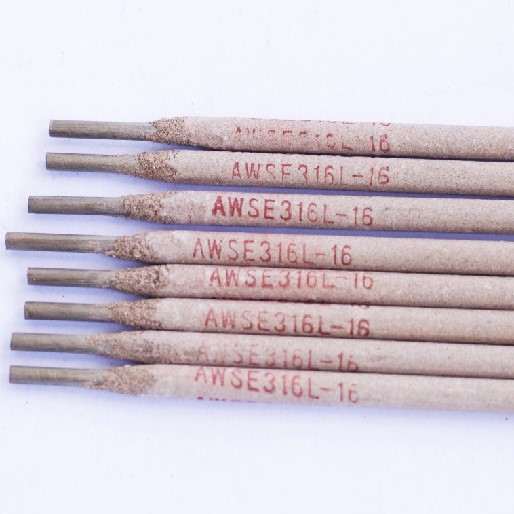
Current market trends show a shift toward higher efficiency. While the normal welding rod remains a staple for general fabrication, Colombian workshops are increasingly adopting specialized wires to reduce downtime and improve the precision of their metal products.
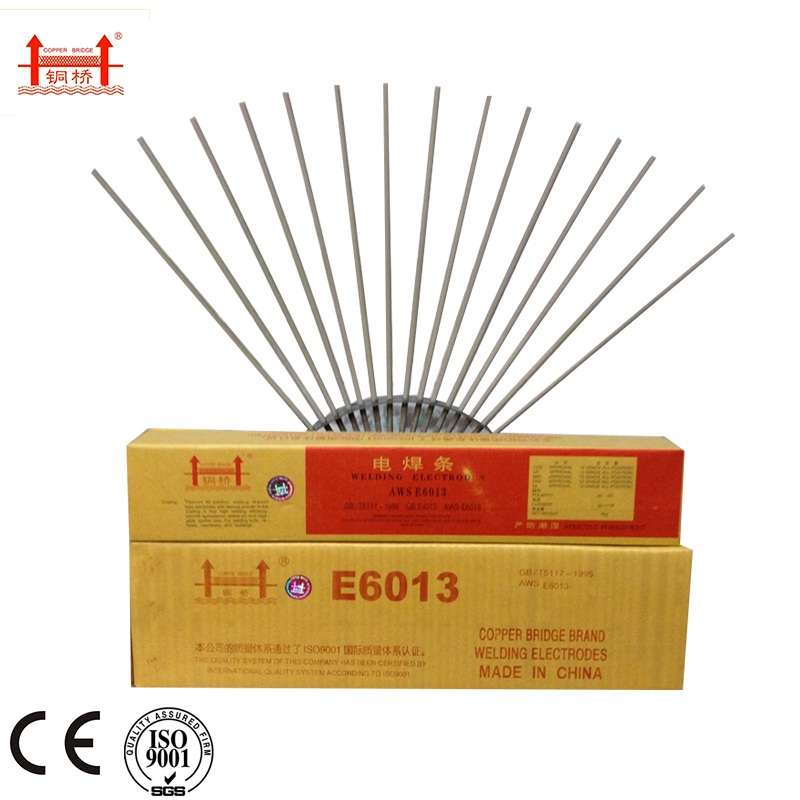
Evolution and Trajectory of Colombian Welding Technology

From traditional stick welding to automated precision systems.

Market Development History

Historically, the Colombian market was dominated by basic SMAW processes. In the 1990s, the reliance on the normal welding rod was absolute, supporting the initial waves of industrialization in Bogotá and Medellín.

Between 2005 and 2015, the boom in the extractive industries necessitated a transition toward specialized consumables. The introduction of cutting welding rods allowed for more precise disassembly and repair of heavy mining machinery, reducing equipment lifecycle costs.

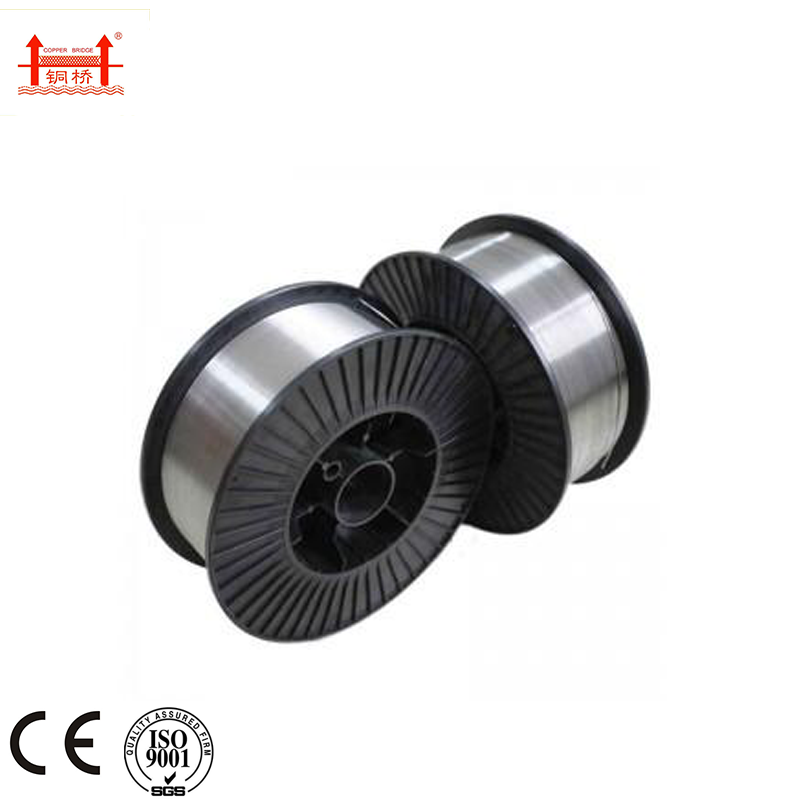
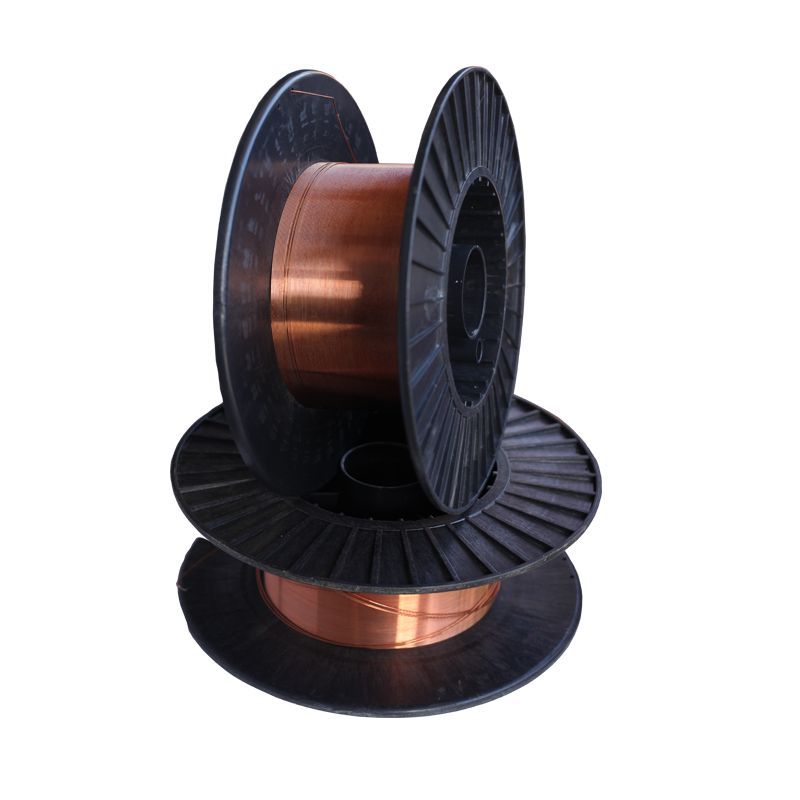
In the last decade, the industry has moved toward automation. The adoption of high-speed electrode wire welding has revolutionized the automotive and appliance manufacturing sectors in Colombia, shifting the focus from manual labor to robotic precision.

Future Development Trends

Integration of Smart Consumables

We expect a rise in alloys that offer self-shielding properties to combat the oxidation typical of Colombia's tropical coastlines.

Sustainable Green Welding

Search trends indicate a growing demand for low-fume welding materials to meet new Colombian occupational health and safety (SST) regulations.

Hybrid Automated Systems

The shift toward hybrid MIG/MAG systems will increase the consumption of high-grade electrode wires for infrastructure projects.

Industry Outlook and Strategic Projections

Mapping the future of metal fabrication in the Colombian region.

Automation Surge
Rapid adoption of robotic welding cells in Colombian factories to increase throughput.
Material Specialization
Increased use of high-tensile and corrosion-resistant rods for coastal infrastructure.
Infrastructure Growth
Expansion of "4G" road projects driving demand for bulk welding consumables.
Energy Transition
Development of renewable energy sites requiring specialized electrode alloys.

Industry Outlook

The Colombian welding sector is transitioning from a labor-intensive model to a quality-driven technical model. Google search trends indicate a spike in "industrial automation welding" and "anti-corrosion alloys" within the region, suggesting that the future lies in high-performance materials that reduce long-term maintenance costs.

Over the next 3-5 years, we anticipate that the integration of IoT in welding equipment will drive the demand for specifically calibrated electrode wires, ensuring that weld quality is monitored in real-time across large-scale Colombian construction sites.

Local Application Scenarios in Colombia

Real-world implementations of high-grade welding consumables in the Colombian market.

01. Andean Mining Equipment Maintenance

Using cutting welding rods for the rapid repair and modification of heavy-duty excavators and crushers in the mining regions of Antioquia.

02. Caribbean Port Infrastructure

Application of specialized coatings and wet welding electrodes for underwater and coastal pier repairs in Barranquilla to combat saltwater corrosion.

03. Oil Pipeline Fabrication in Llanos Orientales

Implementing high-precision electrode wire welding for seamless jointing of transmission pipelines, ensuring zero-leakage under high pressure.

04. Urban Bridge Construction in Bogotá

Utilizing the big welding rod for the primary structural beams of metropolitan overpasses, providing maximum weld depth and strength.

05. Small-Scale Metal Fabrication Workshops

Provision of the normal welding rod for daily manufacturing of gates, window frames, and furniture in local industrial parks.

Brand Story

Global Development Journey of Dingzhou Jinlong Metal Products Co., Ltd.

Foundation and Local Mastery

Established with a focus on metallurgical precision, we began by solving the most basic stability issues in welding consumables for the domestic market.

Technological Breakthroughs

Invested heavily in R&D to develop advanced coatings, allowing our electrodes to perform in extreme humidity and temperature variations.

Global Market Expansion

Expanded our footprint into South America, adapting our product lines to meet the rigorous standards of Colombian and Brazilian industrial codes.

Quality Certification Era

Achieved international quality certifications, ensuring that every rod and wire produced meets the highest global safety and durability benchmarks.

Vision for a Connected Future

Now focusing on the synergy between high-performance materials and automated welding systems to empower global infrastructure.

Common Questions Regarding Welding in Colombia

Expert answers to technical challenges faced by local welders.

Which electrode is best for the humid coastal areas of Colombia?

For coastal regions, we recommend using wet welding electrodes or those with specialized low-hydrogen coatings to prevent porosity and ensure weld integrity in high-moisture environments.

How do I choose between a big welding rod and a normal one for structural work?

Use the big welding rod for thick plates and heavy load-bearing joints requiring deep penetration. The normal welding rod is ideal for thinner materials and general fabrication.

What are the advantages of electrode wire welding over stick welding in factories?

The electrode wire welding process offers significantly higher deposition rates, less slag cleaning, and is compatible with automated systems, making it far more efficient for mass production.

Can cutting welding rods be used for both joining and separating metals?

Specifically designed cutting welding rods are optimized for thermal cutting and gouging, allowing for precise removal of defective welds or dismantling of heavy machinery.

How to store welding electrodes to prevent moisture absorption in Colombia?

We recommend using heated drying ovens for low-hydrogen rods and airtight containers for general stock to prevent the electrodes from becoming "wet," which can lead to hydrogen cracking.

What is the typical lifespan of heavy-duty weldments in mining environments?

Lifespan depends on the consumable used. Using high-performance alloys and correct wire selection significantly extends the wear life of buckets and liners in Colombian mining sites.

Get Technical Support for Your Project

Our engineers are ready to provide customized welding consumables and technical guidance for your industrial operations in Colombia.

Contact Us Now

If you are interested in our products, you can choose to leave your information here, and we will be in touch with you shortly.


en_USEnglish