

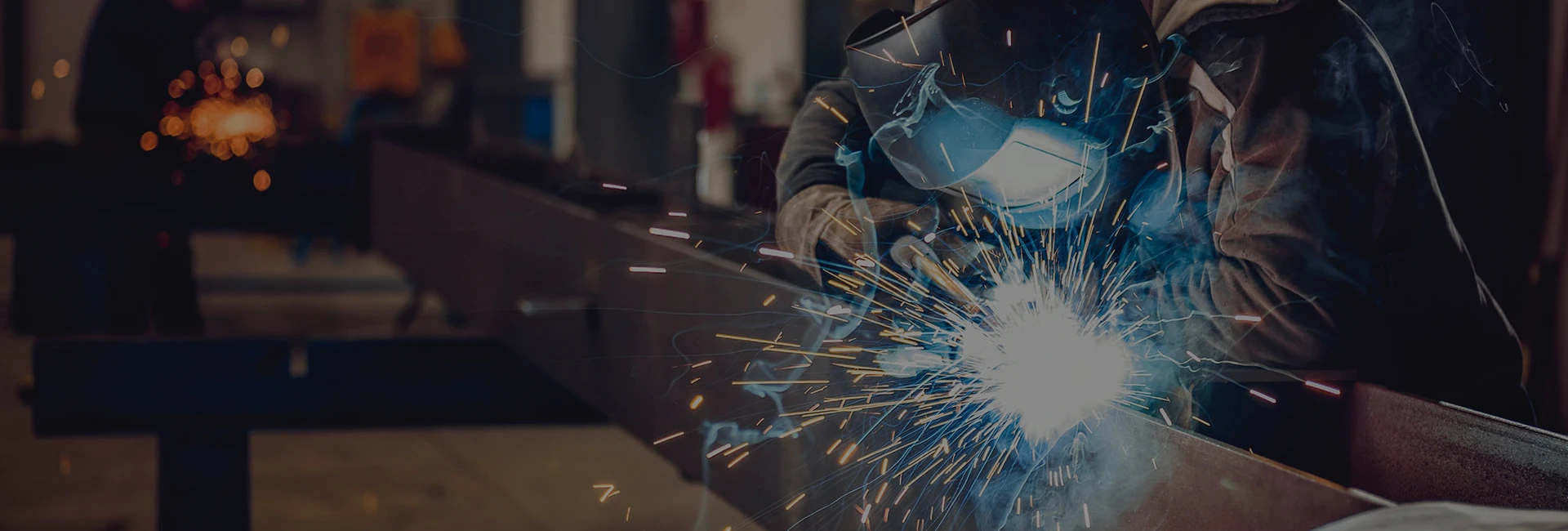
Welding with 7018 1 8 Rod: Ultimate Guide for Durable and Crack-Resistant Welds

Welding with 7018 1 8 Rod: Ultimate Guide for Durable and Crack-Resistant Welds
Dec . 03, 2025 11:22
Welding with 7018 1 8 Rod: A Technical Guide and Industry Overview
Welding with 7018 1 8 rod might sound a bit niche if you’re new to metal joining, but this particular welding electrode plays a surprisingly big role across many industries worldwide. Understanding its applications, benefits, and nuances doesn’t just help welders get a better grip on their craft—it also underpins vital infrastructure, from bridges to pipelines, even post-disaster rebuilds. Given the ongoing demand for durable and reliable welds globally, diving into the specifics of 7018 rods can illuminate why this welding technique remains a solid choice in both developing regions and advanced industrial settings.
Introduction: Why Welding with 7018 1 8 Rod Matters Globally
Globally, welding is an essential craft that supports everything from urban development to emergency repairs. According to statistics from the International Labour Organization, welding-related manufacturing and construction sectors employ millions worldwide, underpinning economic growth and infrastructure resilience. Welding with 7018 1 8 rod, known for its low-hydrogen, iron powder-coated design, tackles some of the toughest welding challenges, especially where strength and crack resistance matter most.
Yet, a frequent challenge emerges: how to achieve consistently strong welds in environments prone to moisture, vibration, or heavy loads. Here, the 7018 electrode’s specialized composition helps mitigate weaknesses such as weld cracking and brittleness — concerns that, if left unchecked, compromise safety and longevity of critical infrastructures worldwide.
What Is Welding with 7018 1 8 Rod?
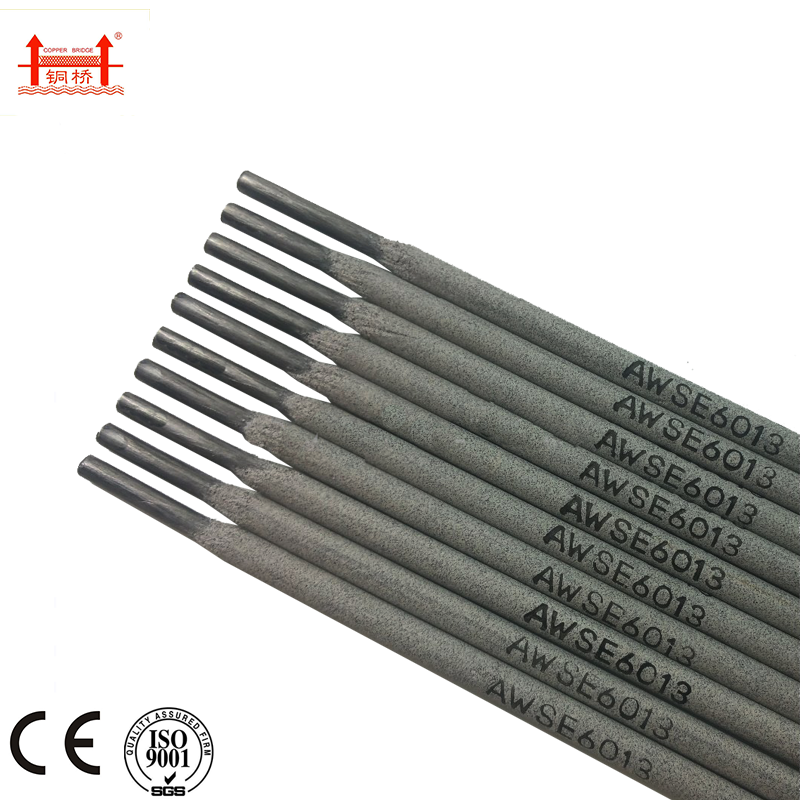
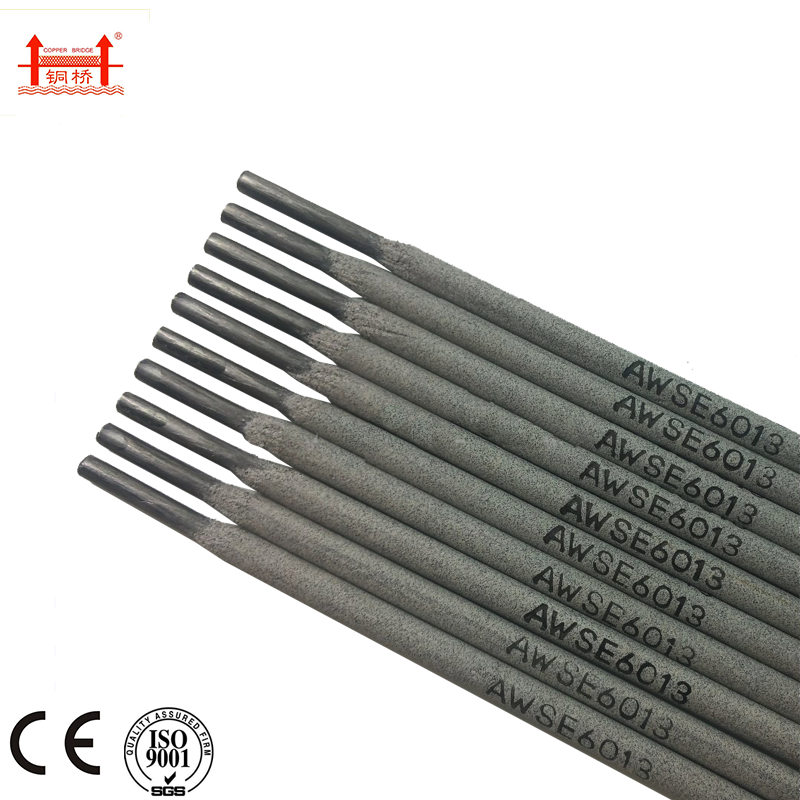
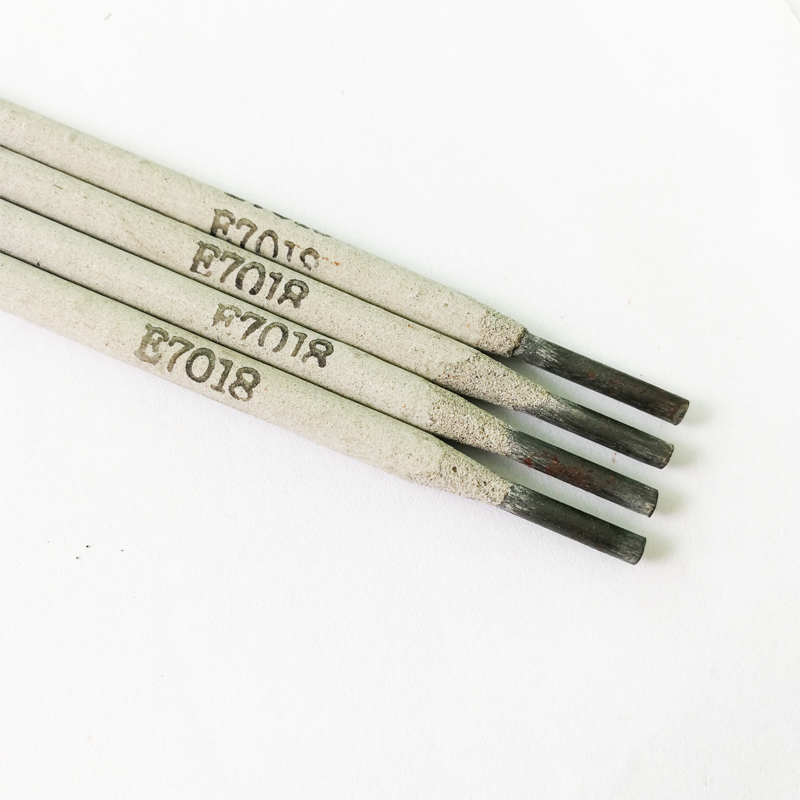
In simple terms, the 7018 1 8 rod is a type of low-hydrogen welding electrode usually used for shielded metal arc welding (SMAW). The “7018” designation tells you several things: it can handle up to 70,000 psi tensile strength, it’s a low-hydrogen rod which reduces weld defects, and it delivers a smooth, clean weld with deep penetration. The “1/8” refers to the rod’s diameter, a common size that balances ease of handling with weld quality.
These rods are heavily favored in structural steel work, shipbuilding, pipeline installation, and repair operations because the low-hydrogen coating helps prevent cracking — crucial for infrastructures that need to stand the test of time, often under extreme conditions.
Core Components That Make 7018 Rods Special
1. Durability and Weld Integrity
Thanks to its iron powder coating and low hydrogen content, welding with 7018 1 8 rods creates welds that are highly resistant to cracking, especially under impact or cyclic stress. This clarity in design ensures longevity even in seismic or heavy-vibration settings.
2. Moisture Sensitivity
7018 rods must be kept dry, often stored in oven conditions before use, because moisture absorption leads to hydrogen embrittlement in welds. This makes proper storage and handling crucial.
3. Versatility Across Positions
Whether flat, horizontal, vertical, or overhead welding, 7018 electrodes provide consistent results — an advantage in complicated structural jobs where weld positioning varies.
4. Cost Efficiency Over Time
Though 7018 rods sometimes have a higher upfront cost than basic electrodes, their durability and reduced rework needs often save money and time in the long haul.
Product Specification Table for 7018 1 8 Welding Rod
| Specification | Details |
|---|---|
| Type | E7018 Low Hydrogen Electrode |
| Diameter | 1/8 inch (3.2 mm) |
| Tensile Strength | Up to 70,000 psi (approx. 480 MPa) |
| Current Type | AC or DC |
| Storage Requirement | Must be stored in dry oven at ~250°F |
| Typical Applications | Structural steel, pipelines, shipbuilding, pressure vessels |
Mini takeaway: Welding with 7018 1 8 rod is a precise balance of material science and skilled handling, delivering tough, crack-resistant welds when done right.
Vendor Comparison: Leading 7018 Rod Manufacturers
| Vendor | Price per lb | Moisture Resistance | Availability | Customer Support |
|---|---|---|---|---|
| Lincoln Electric | $3.50 | High | Global | Excellent |
| ESAB | $3.40 | Moderate | Global | Good |
| Jinlong Welding Electrode | $3.20 | High (oven-packed) | Focus on Asia & Middle East | Responsive |
Global Applications & use cases of Welding with 7018 1 8 Rod
Across many regions—whether in mature industrial hubs or developing infrastructure projects—welding with 7018 1 8 rods stands out for demanding, critical welds. For example:
- Post-Disaster Reconstruction: In areas struck by earthquakes or hurricanes, the structural integrity of rebuilds relies heavily on crack-resistant welds. 7018 rods provide reassurance that buildings and bridges will not fail under stress.
- Oil & Gas Pipelines: In remote industrial zones from the Middle East to Siberia, pipelines welded with 7018 rods prevent leaks and ruptures under high pressure and temperature.
- Shipbuilding: Ship hulls demand flexibility and toughness—the 7018 rod’s properties protect marine vessels during harsh oceanic conditions.
These cases underscore the versatility and trust the industry places in this electrode, where failure can be catastrophic both economically and in human terms.
Mini takeaway: Whether at a refinery or rebuilding after disaster, welding with 7018 1 8 rod remains a dependable choice worldwide.
Advantages & Long-Term Value of Welding with 7018 1 8 Rod
Beyond the obvious strength and crack resistance, using 7018 rods also aligns with safety and social responsibility. Welders and engineers value their:
- Reliability: Consistent weld results mean less downtime and fewer repairs.
- Cost-effectiveness: Reduced weld defects save money in materials and labor.
- Environmental Benefits: The low hydrogen content limits hydrogen-induced cracking, extending infrastructure lifetime and minimizing waste.
- Human Impact: Safer, more durable structures protect lives and preserve communities.
It’s this blend of logical efficiency and tangible human impact that makes the 7018 rod an industry favorite, a bit like the unsung hero of metal fabrication.
Future Trends & Innovations
Looking ahead, welding with 7018 1 8 rod connects to broader trends like digital welding monitoring systems — which track electrode conditions and weld quality in real time — and sustainability pushes toward reducing waste and energy consumption.
Moreover, research in alloy development aims to create electrodes that tolerate moisture better, reducing the strict storage demands. Efforts also explore integrating robotic welding technologies to optimize efficiency and worker safety.
Challenges & Expert Solutions
Despite its strengths, welding with 7018 1 8 rod demands careful handling. Moisture absorption risks compromising weld integrity—that’s the biggest practical headache. That said, ovens for drying rods on-site and strict storage protocols have long been the go-to fixes.
Additionally, less experienced welders might find the rod’s stick-out or arc characteristics tricky at first, requiring training and practice to master. But frankly, once you get the hang of it, the results speak for themselves.
FAQ: Frequently Asked Questions About Welding with 7018 1 8 Rod
Q1: Can I use welding 7018 1 8 rod outdoors in humid conditions?
A1: It’s possible but not ideal. Moisture absorption can cause weld defects. It’s best to keep rods dry in storage ovens and avoid using damp rods. If you must weld outside, store electrodes in portable ovens and minimize exposure to humidity.
Q2: How long can 7018 rods be stored before they need re-baking?
A2: Typically, 7018 rods can be stored for up to 6 months if kept dry. If moisture is suspected, baking rods at approximately 250°F (120°C) for one hour restores their low hydrogen coating.
Q3: Are there alternatives to 7018 rods for high-strength welds?
A3: Yes, rods like E7016 or E7024 serve specific purposes but may lack some low-hydrogen benefits. For applications needing low-hydrogen and crack-resistant welds, 7018 remains the industry standard.
Q4: Does the 1/8 inch size limit the weld thickness?
A4: 1/8 inch rods are versatile for welding medium thickness materials (1/8 inch to 1/2 inch generally). Thicker materials might require larger diameter rods or multiple passes.
Q5: Where can I source high-quality 7018 1 8 rods?
A5: Reputable suppliers include global leaders like Lincoln Electric and ESAB, but also capable regional specialists like Jinlong Welding Electrode who offer competitive pricing and technical support.
Conclusion
Welding with 7018 1 8 rod remains an essential technique that balances strength, reliability, and cost efficiency. Its widespread use across global industries—from recovery projects to heavy manufacturing—attests to the electrode’s proven value. For engineers, welders, and project managers looking to ensure durable and trustworthy welds, 7018 rods are often the go-to choice.
If you want to learn more or source premium welding electrodes, feel free to visit our website: https://www.jinlongweldingelectrode.com
Oddly enough, the right rod makes all the difference—no matter how advanced the welding technology.
1. Wikipedia - Welding Electrode
2. ISO 2560 – Welding Consumables Standard
3. International Labour Organization - Employment Data

Related Video

Related News


2026-04-16 02:35:10
Precision Guide for e312 16 welding rod and Dissimilar Steel Welding
In the demanding world of industrial fabrication and repair, selecting the correct filler metal is the difference between a structural failure and a lifetime bond. The e312 16 welding rod is specifically engineered to meet the rigorous needs of welding dissimilar steels, offering an exceptional balance of strength and corrosion resistance. Whether you are working on high-pressure pipelines or heavy machinery components, understanding the nuances of this specialized electrode is key to achieving professional-grade results. This guide explores the technical advantages and practical applications of the E312 series to help you optimize your welding workflow.
2026-04-09 02:35:17
Choosing the Right cs to ss welding rod number Professional Guide
Joining carbon steel (CS) to stainless steel (SS) is a common challenge in industrial fabrication, requiring a precise understanding of metallurgy to avoid weld failure. The most critical decision in this process is identifying the correct cs to ss welding rod number to ensure a strong, corrosion-resistant bond. Using the wrong filler metal can lead to cracking or premature oxidation due to the different thermal expansion rates of the two materials. In this comprehensive guide, we will break down the technical specifications and selection criteria to help you achieve a professional-grade weld every time.
2026-04-07 02:25:29
Comprehensive Guide to 409 Welding Rod Selection and Optimal Usage
When it comes to welding applications requiring corrosion resistance and good weldability, the 409 welding rod is a frequently chosen option. This article provides a detailed overview of this versatile welding rod, exploring its composition, applications, benefits, and considerations for optimal use. Whether you’re a seasoned professional or new to welding, understanding the properties of 409 welding rod is crucial for achieving high-quality, durable welds. We’ll cover everything you need to know to make informed decisions for your welding projects.
2026-04-04 02:35:28
Comprehensive Guide to 330 Stainless Steel Welding Rod Applications and Techniques
330 stainless steel welding rods are a crucial component in various industries, offering exceptional corrosion resistance and high-temperature strength. This article provides an in-depth look at these rods, covering their properties, applications, choosing the right rod, welding techniques, safety precautions, and where to find high-quality options. Whether you're a seasoned welding professional or new to the field, this guide will offer valuable insights.
2026-03-31 02:35:08
Comprehensive Guide to 312 Stainless Tig Rod for Superior Welding Performance
When choosing the right filler metal for your TIG welding projects, especially in demanding applications, 312 stainless steel tig rod stands out for its exceptional corrosion resistance and high-temperature strength. This comprehensive guide will explore its composition, applications, benefits, and how it compares to other stainless steel rods. We'll also point you to resources for sourcing high-quality rods.
2026-03-28 02:45:04
Comprehensive Guide to 312 17 Welding Rod Applications and Technical Details
Welding rods are essential consumables in the welding process, and selecting the right one is crucial for achieving strong, durable, and high-quality welds. The 312 17 welding rod is a popular choice for many applications due to its unique properties and versatility. This article delves into the characteristics, applications, benefits, and considerations when using 312 17 welding rods, providing a comprehensive resource for welders and engineers alike. Choosing the right rod directly impacts the success and longevity of any welding project.
2026-03-26 02:35:10
Comprehensive Guide to the 312 16 Welding Rod for Superior Steel Welding
The 312 16 welding rod is a versatile and widely-used electrode in various welding applications. Known for its excellent weldability and strong mechanical properties, it's a go-to choice for professionals and hobbyists alike. This article delves into the specifics of this electrode, covering its composition, applications, advantages, and how to choose the right one for your projects. Understanding the nuances of the 312 16 welding rod is crucial for achieving high-quality, durable welds. The designation "312 16" provides key information about the welding rod. "312" refers to the type of flux coating, specifically a low-hydrogen, iron powder coating. This coating is designed to produce welds with excellent mechanical properties and good resistance to cracking. The "16" indicates the diameter of the rod in 32nds of an inch – so a 312 16 rod has a diameter of 16/32 or 1/2 inch. This combination makes it suitable for a wide range of steel welding applications. The low-hydrogen nature of the flux minimizes hydrogen-induced cracking, a common issue in welding certain steels.
2026-03-24 02:45:07
Comprehensive Guide to 309LSI TIG Rod Welding Applications and Best Practices
The 309LSI TIG rod is a versatile welding consumable widely used across various industries for its exceptional corrosion resistance and weldability. This article will explore the properties, applications, advantages, and best practices associated with using 309LSI TIG rods. Whether you're a seasoned welding professional or new to the field, this guide will provide you with valuable insights into maximizing the performance and longevity of your welds. The 309LSI TIG rod is a stainless steel electrode specifically designed for Gas Tungsten Arc Welding (GTAW), commonly known as TIG welding. The "309LSI" designation indicates the alloy composition: 309 signifies the chromium-nickel content, 'L' denotes low carbon content for enhanced corrosion resistance, and 'SI' signifies stabilized with silicon for improved resistance to carbide precipitation during welding.

 English
  Arabic
  Bengali
  China
China  French
  German
  Hausa
Hausa  Indonesian
  Italian
  Japanese
  Javanese
  Malay
Malay  Persian
  Portuguese
  Punjabi
  Russian
  Spanish
  Swahili
  Telugu
  Vietnamese