

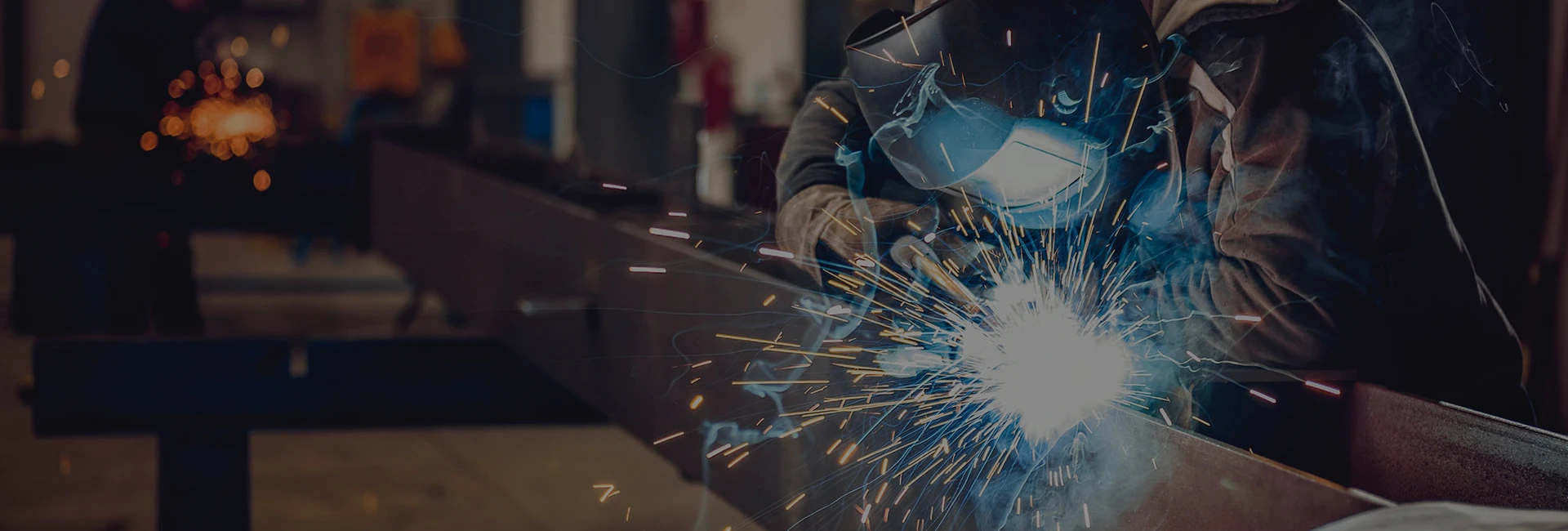
Understanding AWS Classification E7018 Electrodes: Benefits, Applications & Vendors

Understanding AWS Classification E7018 Electrodes: Benefits, Applications & Vendors
Nov . 25, 2025 09:30
Understanding AWS Classification E7018: Why It Matters in Welding Worldwide
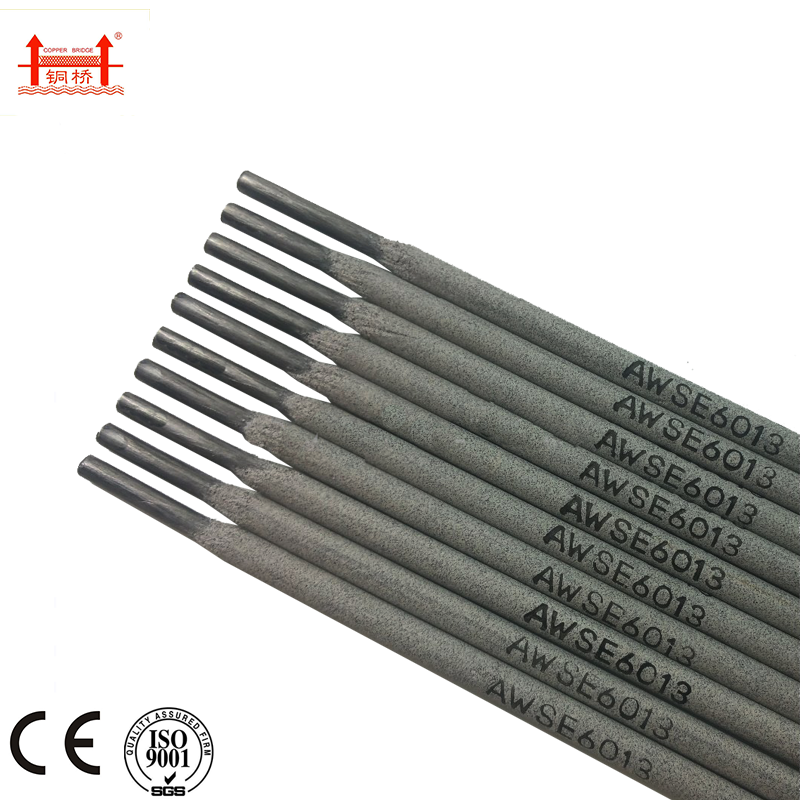
Welding is more than just joining metals; it’s the backbone of industries ranging from construction to shipbuilding, pipeline manufacturing to infrastructure repair. Among countless welding electrodes, one designation stands tall for its reliability and versatility: aws classification e7018. This classification holds a crucial role globally — it represents a low-hydrogen, iron powder electrode highly prized for producing tough, durable welds with excellent crack resistance.
In a world where safety standards are tightening and structural integrity can't be compromised, understanding the characteristics and proper use of E7018 welding rods isn’t just industrial jargon. It’s a key step toward building better, lasting infrastructure that supports economic growth, humanitarian relief, and technological progress alike.
The Global Context: Why AWS Classification E7018 is Relevant Today
The global welding market was valued at over $20 billion in recent years, growing steadily as industries seek sustainable, high-strength solutions (World Bank, 2022). Across North America, Europe, and Asia, construction codes reference AWS (American Welding Society) standards for electrode classification including E7018 to ensure quality and consistency.
But the challenge isn’t simply growth — it’s handling increasingly tough environments. Imagine rebuilding earthquake-damaged bridges in Nepal or reinforcing pipelines in the Arctic. The welding electrode must perform under stress, moisture, and extreme temperatures. AWS classification E7018 electrodes excel here due to their low hydrogen content and stable arc, which reduces cracking risks.
Put another way, they help solve a global problem: how to weld strong without sacrificing safety or eco-friendliness.
What Is AWS Classification E7018? Breaking It Down Simply
At its core, ‘AWS classification E7018’ decodes into a classification system of welding electrodes:
- E – Electrode for Shielded Metal Arc Welding (SMAW)
- 70 – Tensile strength of 70 ksi (kilopounds per square inch)
- 1 – Positions in which the electrode can be used (all positions)
- 8 – Indicates a low-hydrogen coating
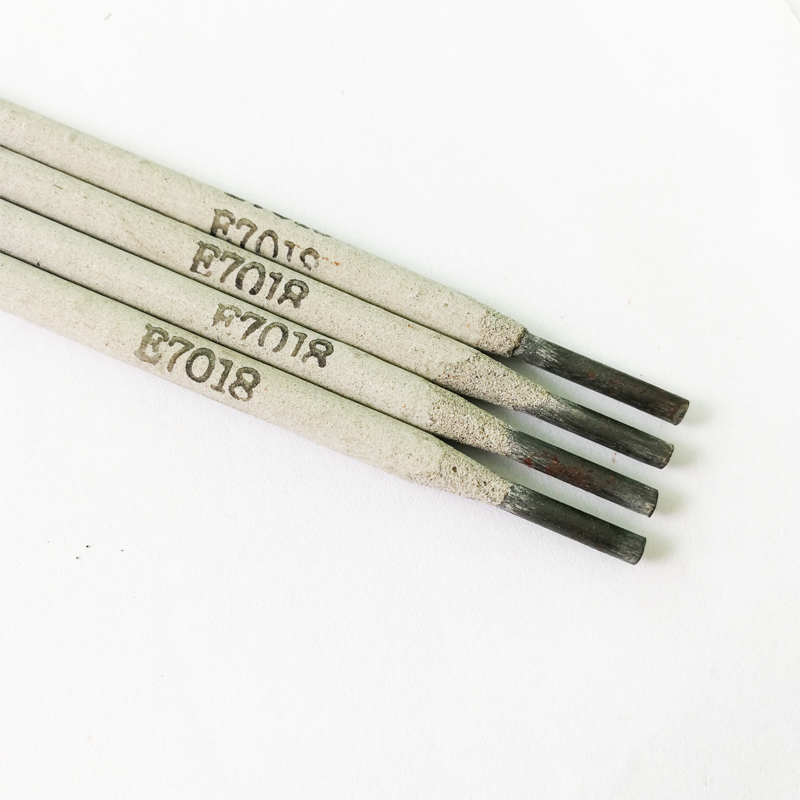
What sets E7018 apart, besides strength, is the low-hydrogen potassium-based coating. This reduces moisture absorption and cracking during the weld cooling phase — a tricky problem that can cause weld failure over time. In practical terms, it’s a go-to for high-quality steel welds where longevity is non-negotiable.
Core Aspects of AWS Classification E7018 Electrodes
Durability and Toughness
One of the biggest factors grids, bridges, and marine vessels value is toughness. E7018 electrodes produce weld metal resistant to cracking even under cyclic loads — that’s fatigue resistance engineers often mention when reviewing weld specs. The electrode’s chemical composition yields a fine-grained microstructure, crucial for long-lasting joints.
All-Position Welding Capability
Versatility is underrated. Not every weld happens on a perfectly flat surface. Thanks to its “1” designation, E7018 rods work effectively in all positions—flat, horizontal, vertical, overhead. That means welders can bring this workhorse wherever the job requires without changing gear mid-shift.
Ease of Use and Smooth Arc
Novice or veteran, most welders appreciate E7018’s stable arc and easy slag removal. It produces less spatter than some alternatives, which keeps the workspace cleaner and the process faster. Though it requires proper storage to maintain low humidity, the payoff is a consistent, smooth bead.
Cost Efficiency
Low hydrogen rods like E7018 might be pricier upfront than some generic electrodes, but when you factor in reduced rework, fewer failures, and easier inspections, the lifecycle cost benefits become quite obvious. In many industries, cutting downtime is itself a form of cost saving.
Aws Classification E7018 in Real World Applications
From skyscraper girders in Chicago to underwater pipelines off the coast of Norway, AWS E7018 electrodes find their way into critical infrastructure projects globally. Large engineering firms in the Middle East actively specify E7018 for high-rise projects because it not only meets but often exceeds local welding codes.
Humanitarian and disaster relief organizations also rely on these electrodes when rebuilding destroyed assets — say, restoring railways after flooding in Southeast Asia or erecting emergency shelters with metal frameworks. The reliability factor can’t be overstated when lives depend on structural soundness.
In fact, the oil and gas sector in Canada and Russia favors E7018 for pipeline welding because consistent performance in low-temperature environments reduces inspection failures and operational hazards.
Quick Takeaway:
- AWS classification e7018 electrodes are champions of durability and versatility.
- They serve global needs from industrial to humanitarian with unmatched reliability.
Product Specifications Table
| Specification | Details |
|---|---|
| AWS Code | E7018 |
| Tensile Strength | 70 ksi (485 MPa) |
| Position | All Positions (1) |
| Coating Type | Low Hydrogen Potassium-based |
| Current Type | AC/DC+ |
| Typical Applications | Structural Steel, Pipeline, Shipbuilding |
Comparing Top AWS Classification E7018 Electrodes Vendors
| Vendor | Electrode Quality | Price Range (per KG) | Availability | Special Features |
|---|---|---|---|---|
| Jinlong Welding | High Consistency | $12–15 | Global Shipping | Low Moisture Absorption Tech |
| Lincoln Electric | Industry Standard | $14–18 | Worldwide | Wide Product Range |
| ESAB | Premium Weld Finish | $16–20 | Regional Focus | Specialized Low Hydrogen Coating |
Long-Term Value and Advantages of E7018 Electrodes
- Cost Savings: Reduced weld defects and less rework means less downtime and ultimately lower operational costs.
- Improved Safety: Strong, crack-resistant welds enhance structural integrity protecting both lives and assets.
- Environmental Impact: Efficient welding means fewer resources wasted and supports sustainable manufacturing practices.
- Trust & Reputation: Using a globally recognized AWS standard assures clients of quality and professionalism.
Oftentimes, welds done with E7018 last decades, which feels reassuring especially for critical infrastructure. It’s not just business; it’s about building trust that resonates across continents.
Looking Ahead: Innovations in Welding and E7018 Electrodes
The welding industry isn’t standing still. Research is ongoing to make low-hydrogen electrodes even better—combining enhanced coatings with digital monitoring for weld quality and automated feeding systems. There’s also a push for eco-friendlier raw materials and processes.
Imagine smart rods that self-report their moisture content or integrity. These advances, paired with aws classification e7018 technology, will soon reshape how we approach welding in complex projects.
Common Challenges and How Experts Overcome Them
One key hurdle with E7018 electrodes is their sensitivity to moisture — storing them improperly can ruin their effectiveness. Experts recommend using heated ovens and hermetically sealed packaging to keep electrodes dry before use.
Training welders on best practices also plays a big role. Many organizations now combine hands-on experience with digital tutorials to reduce errors caused by improper technique.
FAQ: Your Top Questions About AWS Classification E7018
- Q: How long can I store E7018 electrodes before use?
- A: Ideally, keep them in a dry, heated storage environment. Most manufacturers suggest no more than six months at room temperature; ovens at 250°F (121°C) can extend shelf life indefinitely.
- Q: Can E7018 electrodes be used with both AC and DC welding machines?
- A: Yes, AWS classification E7018 is compatible with AC and DC+ (direct current electrode positive), offering versatility on different equipment.
- Q: What industries rely most on E7018 electrodes?
- A: Heavy fabrication sectors like shipbuilding, pipeline construction, structural steel, and boiler manufacturing primarily depend on E7018 for its toughness and crack resistance.
- Q: Are these electrodes suitable for cold weather welding outdoors?
- A: They perform well in cold environments if properly stored and preheated. Their low hydrogen content reduces cracking risk caused by temperature stresses.
Final Thoughts
In summary, aws classification e7018 electrodes represent a tried-and-true standard for reliable, durable welding. Whether you’re building skyscrapers, repairing pipelines, or recovering infrastructure post-disaster, this classification is worth knowing. It’s not just about metal — it’s about creating safer, more resilient futures.
Are you ready to upgrade your welding processes? Visit our website: https://www.jinlongweldingelectrode.com to explore quality E7018 electrodes and expert support today.
References & Further Reading

Related Video

Related News
2026-04-16 02:35:10
Precision Guide for e312 16 welding rod and Dissimilar Steel Welding
In the demanding world of industrial fabrication and repair, selecting the correct filler metal is the difference between a structural failure and a lifetime bond. The e312 16 welding rod is specifically engineered to meet the rigorous needs of welding dissimilar steels, offering an exceptional balance of strength and corrosion resistance. Whether you are working on high-pressure pipelines or heavy machinery components, understanding the nuances of this specialized electrode is key to achieving professional-grade results. This guide explores the technical advantages and practical applications of the E312 series to help you optimize your welding workflow.
2026-04-09 02:35:17
Choosing the Right cs to ss welding rod number Professional Guide
Joining carbon steel (CS) to stainless steel (SS) is a common challenge in industrial fabrication, requiring a precise understanding of metallurgy to avoid weld failure. The most critical decision in this process is identifying the correct cs to ss welding rod number to ensure a strong, corrosion-resistant bond. Using the wrong filler metal can lead to cracking or premature oxidation due to the different thermal expansion rates of the two materials. In this comprehensive guide, we will break down the technical specifications and selection criteria to help you achieve a professional-grade weld every time.
2026-04-07 02:25:29
Comprehensive Guide to 409 Welding Rod Selection and Optimal Usage
When it comes to welding applications requiring corrosion resistance and good weldability, the 409 welding rod is a frequently chosen option. This article provides a detailed overview of this versatile welding rod, exploring its composition, applications, benefits, and considerations for optimal use. Whether you’re a seasoned professional or new to welding, understanding the properties of 409 welding rod is crucial for achieving high-quality, durable welds. We’ll cover everything you need to know to make informed decisions for your welding projects.
2026-04-04 02:35:28
Comprehensive Guide to 330 Stainless Steel Welding Rod Applications and Techniques
330 stainless steel welding rods are a crucial component in various industries, offering exceptional corrosion resistance and high-temperature strength. This article provides an in-depth look at these rods, covering their properties, applications, choosing the right rod, welding techniques, safety precautions, and where to find high-quality options. Whether you're a seasoned welding professional or new to the field, this guide will offer valuable insights.
2026-03-31 02:35:08
Comprehensive Guide to 312 Stainless Tig Rod for Superior Welding Performance
When choosing the right filler metal for your TIG welding projects, especially in demanding applications, 312 stainless steel tig rod stands out for its exceptional corrosion resistance and high-temperature strength. This comprehensive guide will explore its composition, applications, benefits, and how it compares to other stainless steel rods. We'll also point you to resources for sourcing high-quality rods.
2026-03-28 02:45:04
Comprehensive Guide to 312 17 Welding Rod Applications and Technical Details
Welding rods are essential consumables in the welding process, and selecting the right one is crucial for achieving strong, durable, and high-quality welds. The 312 17 welding rod is a popular choice for many applications due to its unique properties and versatility. This article delves into the characteristics, applications, benefits, and considerations when using 312 17 welding rods, providing a comprehensive resource for welders and engineers alike. Choosing the right rod directly impacts the success and longevity of any welding project.
2026-03-26 02:35:10
Comprehensive Guide to the 312 16 Welding Rod for Superior Steel Welding
The 312 16 welding rod is a versatile and widely-used electrode in various welding applications. Known for its excellent weldability and strong mechanical properties, it's a go-to choice for professionals and hobbyists alike. This article delves into the specifics of this electrode, covering its composition, applications, advantages, and how to choose the right one for your projects. Understanding the nuances of the 312 16 welding rod is crucial for achieving high-quality, durable welds. The designation "312 16" provides key information about the welding rod. "312" refers to the type of flux coating, specifically a low-hydrogen, iron powder coating. This coating is designed to produce welds with excellent mechanical properties and good resistance to cracking. The "16" indicates the diameter of the rod in 32nds of an inch – so a 312 16 rod has a diameter of 16/32 or 1/2 inch. This combination makes it suitable for a wide range of steel welding applications. The low-hydrogen nature of the flux minimizes hydrogen-induced cracking, a common issue in welding certain steels.
2026-03-24 02:45:07
Comprehensive Guide to 309LSI TIG Rod Welding Applications and Best Practices
The 309LSI TIG rod is a versatile welding consumable widely used across various industries for its exceptional corrosion resistance and weldability. This article will explore the properties, applications, advantages, and best practices associated with using 309LSI TIG rods. Whether you're a seasoned welding professional or new to the field, this guide will provide you with valuable insights into maximizing the performance and longevity of your welds. The 309LSI TIG rod is a stainless steel electrode specifically designed for Gas Tungsten Arc Welding (GTAW), commonly known as TIG welding. The "309LSI" designation indicates the alloy composition: 309 signifies the chromium-nickel content, 'L' denotes low carbon content for enhanced corrosion resistance, and 'SI' signifies stabilized with silicon for improved resistance to carbide precipitation during welding.

 English
  Arabic
  Bengali
  China
China  French
  German
  Hausa
Hausa  Indonesian
  Italian
  Japanese
  Javanese
  Malay
Malay  Persian
  Portuguese
  Punjabi
  Russian
  Spanish
  Swahili
  Telugu
  Vietnamese