

Stainless Stick Welding Rods | Trusted Industrial Welding Electrodes

Stainless Stick Welding Rods | Trusted Industrial Welding Electrodes
Dec . 09, 2025 04:30
Stainless Stick Welding Rod: A Veteran's Take on an Industrial Workhorse
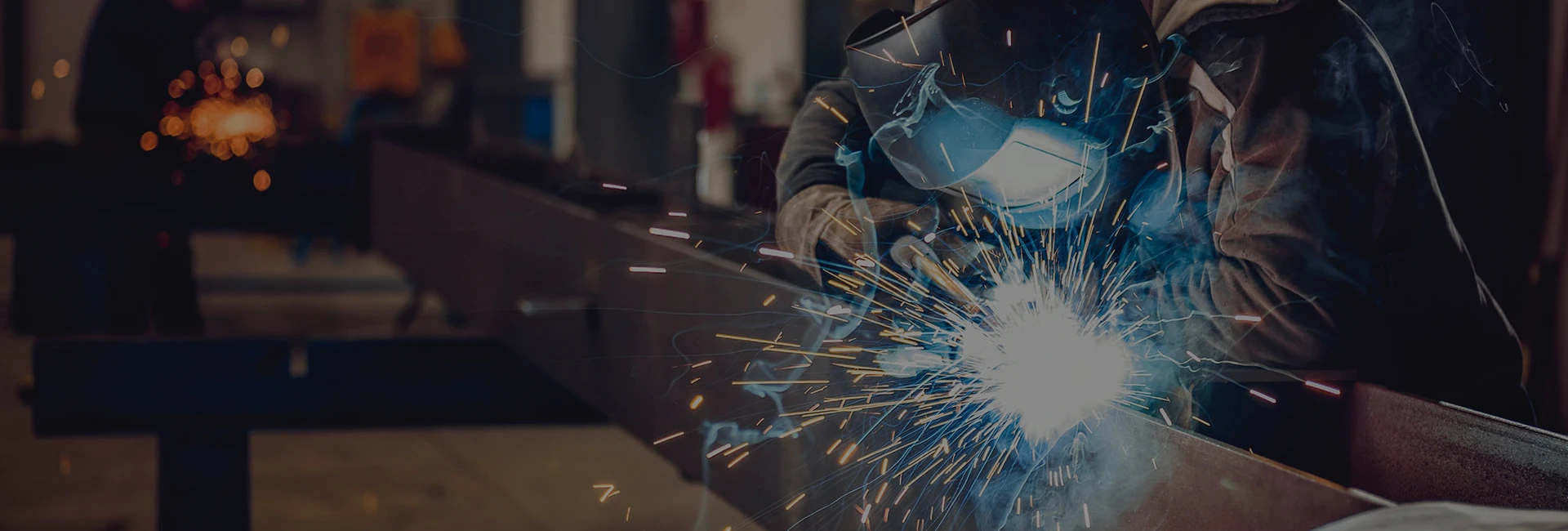
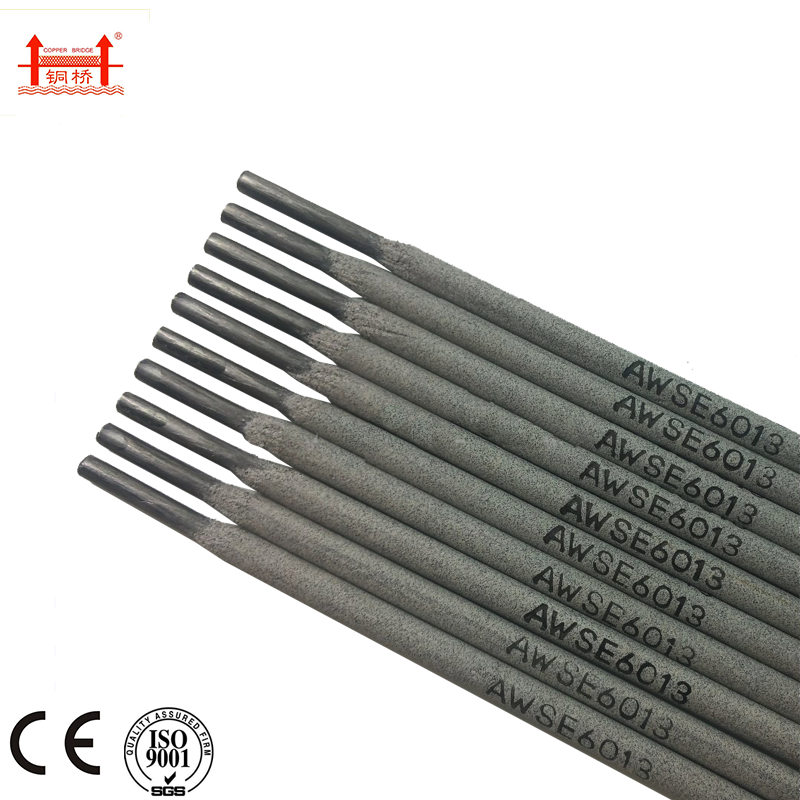
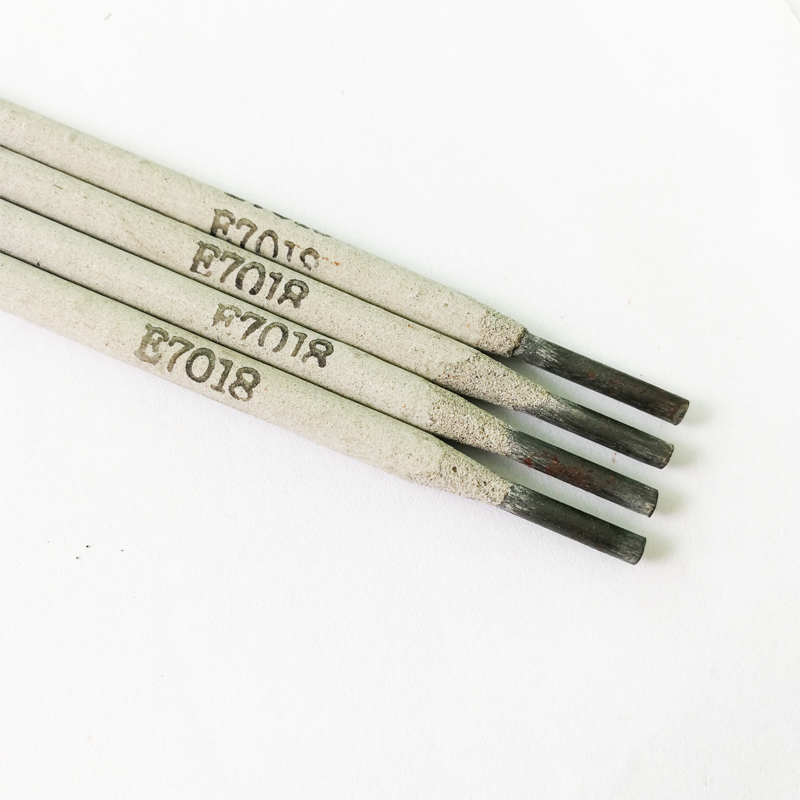
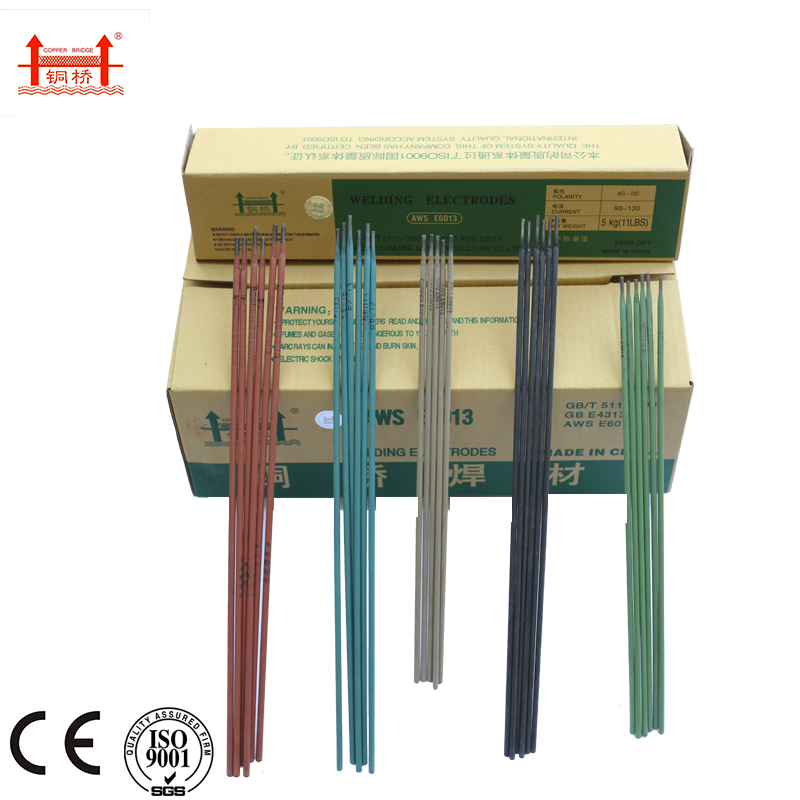
If you've been around industrial welding equipment for a while, like I have, the phrase stainless stick welding rod probably rings a familiar bell. It’s one of those fundamental tools that rarely gets flashy attention but quietly delivers where it counts — in reliability and performance. Oddly enough, despite the endless innovations in welding tech, stainless stick rods remain a staple, especially in maintenance and repair jobs that demand both strength and corrosion resistance.
You see, stainless steel offers unique challenges when welding — the metal’s sensitivity to heat input and the potential for distortion means the welding rod’s composition has to be just right. Over the years, I noticed how stick rods designed for stainless steel evolved to balance ease of use with the demanding metallurgy of different alloys.
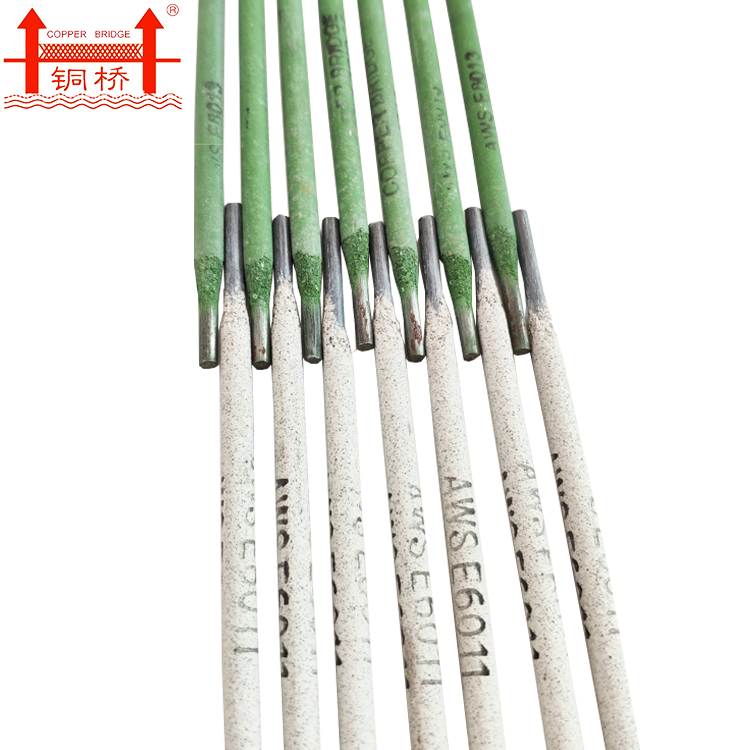
Typically, stainless stick welding rods are coated with a flux to protect the weld pool from oxidation and improve arc stability. This coating isn’t just a fluff layer; it's carefully engineered to contribute to slag formation and weld appearance. For industrial settings, where downtime can get expensive fast, this reliability is gold.
I recall a project about a decade ago in a chemical plant refurbishment, where the choice of the right stainless stick welding rod made all the difference. The plant used a 316L stainless steel piping system prone to pitting and stress corrosion cracking. Our welders switched to a premium rod designed specifically for stainless use, ensuring low heat input and minimizing weld defects. The plant manager said it was the smoothest maintenance shutdown they’d had in years — that sort of real-world validation sticks with you (no pun intended).
Now, the specs players keep their eyes on when selecting these rods often revolve around tensile strength, corrosion resistance, welding amperage ranges, and usability under varying weather or site conditions. Honestly, the amperage range is key — too narrow and the operators struggle; too broad and the weld integrity can suffer.
| Specification | Details |
|---|---|
| Base Metal Compatibility | 304, 316, 321 stainless steels |
| Tensile Strength | 70,000 - 90,000 psi |
| Welding Current | 35-120 Amperes (AC/DC) |
| Flux Type | Titania-based or Rutile-based coatings |
| Diameter Options | 1/16", 3/32", 1/8" |
| Typical Applications | Outdoor repairs, pipe fabrication, maintenance welding |
Of course, not every welding rod is created equal, so comparing vendors is always a smart move — especially in a sector where quality inconsistencies can cause nightmare rework or even safety issues. The table below gives a quick side-by-side view of some typical stainless stick welding rod suppliers you might encounter on the market.
| Vendor | Quality Consistency | Product Range | Price Level | Availability |
|---|---|---|---|---|
| Jinlong Welding Electrode | High & stable | Broad (multiple diameters and coatings) | Competitive | Global distribution with quick lead times |
| Vendor B | Moderate | Limited (few diameter options) | Mid-high | Regional availability |
| Vendor C | Variable | Niche specialty rods only | Premium | Limited stock |
You know, from my experience, choosing the right stainless stick welding rod isn’t just about specs on paper. It’s about what welders feel when they strike the arc, how stubborn slag peels off, and ultimately how the weld joint behaves months down the road. For many, a balanced flux coating and consistent rod composition rank higher than just sheer tensile numbers.
Speaking candidly, every job has its quirks. But one thing remains clear: stainless stick welding rods will keep being a trusted choice wherever tough, outdoor, or hard-to-access welding needs arise. And if you’re looking for good-quality rods, Jinlong Welding Electrode has always impressed me with their quality consistency and broad selection.
After all, we've all been in that weld zone where the rod choice can disrupt the whole project flow — choosing wisely avoids those headaches.
References:
1. AWS A5.4/A5.4M: Specification for Stainless Steel Electrodes for Shielded Metal Arc Welding.
2. “Welding Metallurgy,” by Sindo Kou, Wiley (2003).
3. Jinlong Welding Electrode official product details.

Related Video

Related News


2026-04-16 02:35:10
Precision Guide for e312 16 welding rod and Dissimilar Steel Welding
In the demanding world of industrial fabrication and repair, selecting the correct filler metal is the difference between a structural failure and a lifetime bond. The e312 16 welding rod is specifically engineered to meet the rigorous needs of welding dissimilar steels, offering an exceptional balance of strength and corrosion resistance. Whether you are working on high-pressure pipelines or heavy machinery components, understanding the nuances of this specialized electrode is key to achieving professional-grade results. This guide explores the technical advantages and practical applications of the E312 series to help you optimize your welding workflow.
2026-04-09 02:35:17
Choosing the Right cs to ss welding rod number Professional Guide
Joining carbon steel (CS) to stainless steel (SS) is a common challenge in industrial fabrication, requiring a precise understanding of metallurgy to avoid weld failure. The most critical decision in this process is identifying the correct cs to ss welding rod number to ensure a strong, corrosion-resistant bond. Using the wrong filler metal can lead to cracking or premature oxidation due to the different thermal expansion rates of the two materials. In this comprehensive guide, we will break down the technical specifications and selection criteria to help you achieve a professional-grade weld every time.
2026-04-07 02:25:29
Comprehensive Guide to 409 Welding Rod Selection and Optimal Usage
When it comes to welding applications requiring corrosion resistance and good weldability, the 409 welding rod is a frequently chosen option. This article provides a detailed overview of this versatile welding rod, exploring its composition, applications, benefits, and considerations for optimal use. Whether you’re a seasoned professional or new to welding, understanding the properties of 409 welding rod is crucial for achieving high-quality, durable welds. We’ll cover everything you need to know to make informed decisions for your welding projects.
2026-04-04 02:35:28
Comprehensive Guide to 330 Stainless Steel Welding Rod Applications and Techniques
330 stainless steel welding rods are a crucial component in various industries, offering exceptional corrosion resistance and high-temperature strength. This article provides an in-depth look at these rods, covering their properties, applications, choosing the right rod, welding techniques, safety precautions, and where to find high-quality options. Whether you're a seasoned welding professional or new to the field, this guide will offer valuable insights.
2026-03-31 02:35:08
Comprehensive Guide to 312 Stainless Tig Rod for Superior Welding Performance
When choosing the right filler metal for your TIG welding projects, especially in demanding applications, 312 stainless steel tig rod stands out for its exceptional corrosion resistance and high-temperature strength. This comprehensive guide will explore its composition, applications, benefits, and how it compares to other stainless steel rods. We'll also point you to resources for sourcing high-quality rods.
2026-03-28 02:45:04
Comprehensive Guide to 312 17 Welding Rod Applications and Technical Details
Welding rods are essential consumables in the welding process, and selecting the right one is crucial for achieving strong, durable, and high-quality welds. The 312 17 welding rod is a popular choice for many applications due to its unique properties and versatility. This article delves into the characteristics, applications, benefits, and considerations when using 312 17 welding rods, providing a comprehensive resource for welders and engineers alike. Choosing the right rod directly impacts the success and longevity of any welding project.
2026-03-26 02:35:10
Comprehensive Guide to the 312 16 Welding Rod for Superior Steel Welding
The 312 16 welding rod is a versatile and widely-used electrode in various welding applications. Known for its excellent weldability and strong mechanical properties, it's a go-to choice for professionals and hobbyists alike. This article delves into the specifics of this electrode, covering its composition, applications, advantages, and how to choose the right one for your projects. Understanding the nuances of the 312 16 welding rod is crucial for achieving high-quality, durable welds. The designation "312 16" provides key information about the welding rod. "312" refers to the type of flux coating, specifically a low-hydrogen, iron powder coating. This coating is designed to produce welds with excellent mechanical properties and good resistance to cracking. The "16" indicates the diameter of the rod in 32nds of an inch – so a 312 16 rod has a diameter of 16/32 or 1/2 inch. This combination makes it suitable for a wide range of steel welding applications. The low-hydrogen nature of the flux minimizes hydrogen-induced cracking, a common issue in welding certain steels.
2026-03-24 02:45:07
Comprehensive Guide to 309LSI TIG Rod Welding Applications and Best Practices
The 309LSI TIG rod is a versatile welding consumable widely used across various industries for its exceptional corrosion resistance and weldability. This article will explore the properties, applications, advantages, and best practices associated with using 309LSI TIG rods. Whether you're a seasoned welding professional or new to the field, this guide will provide you with valuable insights into maximizing the performance and longevity of your welds. The 309LSI TIG rod is a stainless steel electrode specifically designed for Gas Tungsten Arc Welding (GTAW), commonly known as TIG welding. The "309LSI" designation indicates the alloy composition: 309 signifies the chromium-nickel content, 'L' denotes low carbon content for enhanced corrosion resistance, and 'SI' signifies stabilized with silicon for improved resistance to carbide precipitation during welding.

 English
  Arabic
  Bengali
  China
China  French
  German
  Hausa
Hausa  Indonesian
  Italian
  Japanese
  Javanese
  Malay
Malay  Persian
  Portuguese
  Punjabi
  Russian
  Spanish
  Swahili
  Telugu
  Vietnamese