

E316L 16 Electrode: AC/DC, Corrosion-Resistant Welds?

E316L 16 Electrode: AC/DC, Corrosion-Resistant Welds?
Oct . 05, 2025 23:35
E316L-16 Stainless Electrode: Field Notes, Specs, and Real-World Fit
If you work around tanks, pipe spools, or salty air (hello, shipyards), you’ve met the e316l 16 electrode. I’ve watched it become the default pick when chloride stress and pitting are nipping at your heels. In fact, the low carbon helps with sensitization worries, and the rutile flux makes it a pleasant stick to run—surprisingly forgiving vertical-up.
What it is and why shops keep ordering it
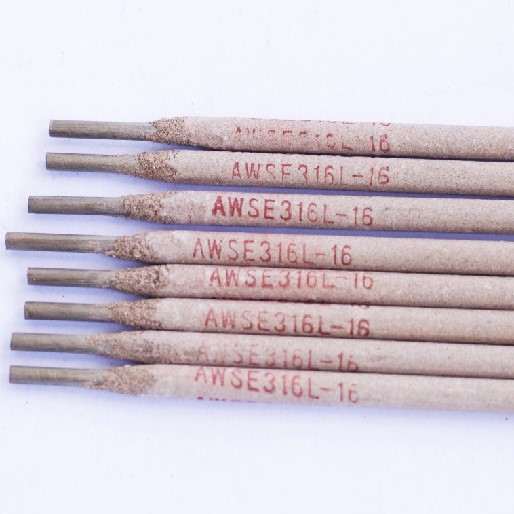
The Stainless Steel Electrodes E316L-16 from Liusu Industrial Area, Dingzhou City, Hebei, China, are designed for welding 316/316L austenitic stainless steels. Think chemical processing, food-grade piping, offshore handrails, even brewery vessels. The coating is rutile (titania), so arc starts are easy and slag peels off nicely. Many customers say the bead appearance is clean enough that post-weld finishing is faster than they expected.
Industry trend snapshot
Demand for molybdenum-bearing stainless welds keeps creeping up—corrosion budgets are tight, inspectors are stricter, and downtime hurts. We’re seeing more QA requests for AWS A5.4 / ASME SFA-5.4 stamps and ferrite number documentation. To be honest, shops that log heat numbers and perform ASTM corrosion checks are landing the better contracts.
Key specifications (typical)
| Item | Spec/Value (≈, real-world may vary) |
|---|---|
| Standards | GB/T 983-1995; AWS A5.4 / ASME SFA-5.4: E316L-16; ISO 3581-A: E 19 12 3 LR 12 |
| Typical chemistry (weld metal) | C ≤ 0.04; Cr 17–19%; Ni 11–14%; Mo 2.0–3.0%; Mn 0.5–2.5%; Si ≤ 0.9 |
| Ferrite number | FN ≈ 3–8 (controls solidification cracking) |
| Mechanical (as-welded) | UTS ≥ 550 MPa; Elong. ≥ 30%; Charpy ≈ 60 J @ RT |
| Polarity/positions | AC or DCEP; all positions incl. vertical-up |
| Current guide | Ø2.5 mm: 60–90 A; Ø3.2 mm: 80–120 A; Ø4.0 mm: 110–160 A; Ø5.0 mm: 140–200 A |
Process flow and QA
- Materials: 316L core wire + rutile/alkali flux with Mo-bearing chemistry control.
- Methods: AC or DCEP; short arc; stringer beads recommended; interpass ≤ 150°C.
- Baking: 150°C for ~1 hour if opened in humid shops (keeps porosity at bay).
- Testing: per GB/T 983-1995 and AWS A5.4 mechanicals; ferrite by WRC-1992; corrosion spot checks via ASTM A262 and ASTM G48 (project-dependent).
- Service life: chemical plant spools ≈ 5–10 yrs; marine railings ≈ 3–7 yrs; food-grade pipe often longer with proper passivation.
Where it shines
- Chloride-exposed piping, desalination skids, heat exchangers. - Food, beverage, and pharma lines (low C helps resist sensitization). - Pulp & paper wash zones, offshore splash areas. Feedback is pretty consistent: operators like the arc smoothness; inspectors like the paperwork.
Vendor snapshot (what buyers compare)
| Vendor | Origin | Certs | Customization | Lead Time |
|---|---|---|---|---|
| Jinlong E316L-16 | Hebei, China | GB/T 983-1995, AWS/ASME | Diameters, packaging, OEM labels | Around 2–4 weeks |
| Vendor B | EU | EN ISO 3581, CE | Limited | 1–3 weeks |
| Vendor C | US | AWS/ASME | Yes, premium cost | Stock-dependent |
Quick case notes
- Desal plant retrofit: switching to e316l 16 electrode cut rework by 18% (slag detach improved visibility). - Craft brewery: e316l 16 electrode with post-weld passivation met swab tests first pass. - Offshore ladder repairs: e316l 16 electrode handled vertical-up without arc wander; inspectors noted tidy toes.
Practical tips
- Cleanliness is king: remove chlorides before welding; rinse after pickling.
- Use stringers, not wide weaves—keeps ferrite balance and reduces hot cracking risk.
- For severe chloride pits, consider post-weld passivation (nitric-citric blends per site rules).
Certifications and test data available on request; third-party witnessing is common on EPC jobs.
Authoritative citations
- AWS A5.4 / ASME SFA-5.4: Specification for Stainless Steel Electrodes for Shielded Metal Arc Welding.
- GB/T 983-1995: Covered Electrodes for Welding of Stainless Steels.
- ISO 3581: Welding consumables — Covered electrodes for manual metal arc welding of stainless and heat-resisting steels.
- ASTM A262 and ASTM G48: Practices for Detecting Susceptibility to Intergranular Attack and Pitting/Crevice Corrosion in Stainless Steels.

Related Video

Related News


2026-04-16 02:35:10
Precision Guide for e312 16 welding rod and Dissimilar Steel Welding
In the demanding world of industrial fabrication and repair, selecting the correct filler metal is the difference between a structural failure and a lifetime bond. The e312 16 welding rod is specifically engineered to meet the rigorous needs of welding dissimilar steels, offering an exceptional balance of strength and corrosion resistance. Whether you are working on high-pressure pipelines or heavy machinery components, understanding the nuances of this specialized electrode is key to achieving professional-grade results. This guide explores the technical advantages and practical applications of the E312 series to help you optimize your welding workflow.
2026-04-09 02:35:17
Choosing the Right cs to ss welding rod number Professional Guide
Joining carbon steel (CS) to stainless steel (SS) is a common challenge in industrial fabrication, requiring a precise understanding of metallurgy to avoid weld failure. The most critical decision in this process is identifying the correct cs to ss welding rod number to ensure a strong, corrosion-resistant bond. Using the wrong filler metal can lead to cracking or premature oxidation due to the different thermal expansion rates of the two materials. In this comprehensive guide, we will break down the technical specifications and selection criteria to help you achieve a professional-grade weld every time.
2026-04-07 02:25:29
Comprehensive Guide to 409 Welding Rod Selection and Optimal Usage
When it comes to welding applications requiring corrosion resistance and good weldability, the 409 welding rod is a frequently chosen option. This article provides a detailed overview of this versatile welding rod, exploring its composition, applications, benefits, and considerations for optimal use. Whether you’re a seasoned professional or new to welding, understanding the properties of 409 welding rod is crucial for achieving high-quality, durable welds. We’ll cover everything you need to know to make informed decisions for your welding projects.
2026-04-04 02:35:28
Comprehensive Guide to 330 Stainless Steel Welding Rod Applications and Techniques
330 stainless steel welding rods are a crucial component in various industries, offering exceptional corrosion resistance and high-temperature strength. This article provides an in-depth look at these rods, covering their properties, applications, choosing the right rod, welding techniques, safety precautions, and where to find high-quality options. Whether you're a seasoned welding professional or new to the field, this guide will offer valuable insights.
2026-03-31 02:35:08
Comprehensive Guide to 312 Stainless Tig Rod for Superior Welding Performance
When choosing the right filler metal for your TIG welding projects, especially in demanding applications, 312 stainless steel tig rod stands out for its exceptional corrosion resistance and high-temperature strength. This comprehensive guide will explore its composition, applications, benefits, and how it compares to other stainless steel rods. We'll also point you to resources for sourcing high-quality rods.
2026-03-28 02:45:04
Comprehensive Guide to 312 17 Welding Rod Applications and Technical Details
Welding rods are essential consumables in the welding process, and selecting the right one is crucial for achieving strong, durable, and high-quality welds. The 312 17 welding rod is a popular choice for many applications due to its unique properties and versatility. This article delves into the characteristics, applications, benefits, and considerations when using 312 17 welding rods, providing a comprehensive resource for welders and engineers alike. Choosing the right rod directly impacts the success and longevity of any welding project.
2026-03-26 02:35:10
Comprehensive Guide to the 312 16 Welding Rod for Superior Steel Welding
The 312 16 welding rod is a versatile and widely-used electrode in various welding applications. Known for its excellent weldability and strong mechanical properties, it's a go-to choice for professionals and hobbyists alike. This article delves into the specifics of this electrode, covering its composition, applications, advantages, and how to choose the right one for your projects. Understanding the nuances of the 312 16 welding rod is crucial for achieving high-quality, durable welds. The designation "312 16" provides key information about the welding rod. "312" refers to the type of flux coating, specifically a low-hydrogen, iron powder coating. This coating is designed to produce welds with excellent mechanical properties and good resistance to cracking. The "16" indicates the diameter of the rod in 32nds of an inch – so a 312 16 rod has a diameter of 16/32 or 1/2 inch. This combination makes it suitable for a wide range of steel welding applications. The low-hydrogen nature of the flux minimizes hydrogen-induced cracking, a common issue in welding certain steels.
2026-03-24 02:45:07
Comprehensive Guide to 309LSI TIG Rod Welding Applications and Best Practices
The 309LSI TIG rod is a versatile welding consumable widely used across various industries for its exceptional corrosion resistance and weldability. This article will explore the properties, applications, advantages, and best practices associated with using 309LSI TIG rods. Whether you're a seasoned welding professional or new to the field, this guide will provide you with valuable insights into maximizing the performance and longevity of your welds. The 309LSI TIG rod is a stainless steel electrode specifically designed for Gas Tungsten Arc Welding (GTAW), commonly known as TIG welding. The "309LSI" designation indicates the alloy composition: 309 signifies the chromium-nickel content, 'L' denotes low carbon content for enhanced corrosion resistance, and 'SI' signifies stabilized with silicon for improved resistance to carbide precipitation during welding.

 English
  Arabic
  Bengali
  China
China  French
  German
  Hausa
Hausa  Indonesian
  Italian
  Japanese
  Javanese
  Malay
Malay  Persian
  Portuguese
  Punjabi
  Russian
  Spanish
  Swahili
  Telugu
  Vietnamese