

Comprehensive Guide to e7018 Welding Electrodes – Specifications, Uses & Suppliers

Comprehensive Guide to e7018 Welding Electrodes – Specifications, Uses & Suppliers
Nov . 29, 2025 07:05
Understanding e7018: The Backbone of Reliable Welding Worldwide
When you hear e7018, it might sound like just another code in the welding world. But this particular electrode has quietly built the backbone—literally—of countless industrial and infrastructure projects across the globe. From skyscrapers in New York to bridges in Asia, the reliable, low-hydrogen e7018 welding electrode is a go-to. But why exactly does it matter so much, and what makes it stand out in a crowded market of welding rods? Let’s unpack this together.
Global Significance: Part of an Industrial Revolution
To put the importance of e7018 into perspective, consider that modern infrastructure development surged by nearly 50% globally over the last decade, according to the International Organization for Standardization (ISO). Welding quality is the silent foundation behind this growth. Defective welds aren't just costly—they can be catastrophic.
Facing critical challenges like the need for stronger joints in seismic zones, or reliable repairs in remote oil fields, the industry leaned heavily on robust, consistent consumables. Enter e7018 electrodes. They address these issues with remarkable durability and usability, especially important in construction, shipbuilding, and pipeline work. Frankly, without such dependable electrodes, modern progress might look a lot more fragile.
What Exactly Is e7018?
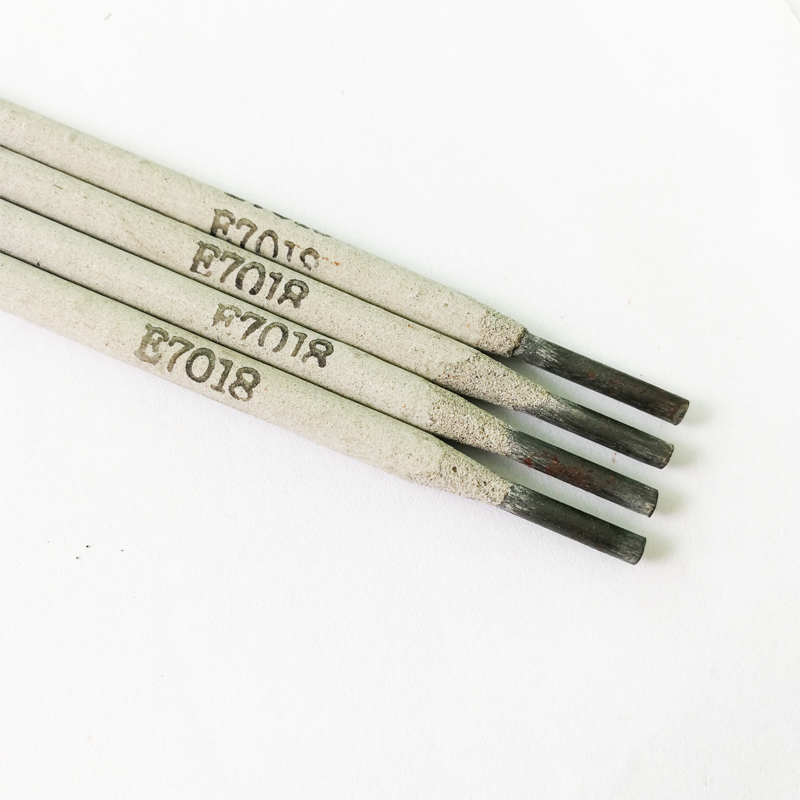
If you’re picturing complicated chemical jargon, don’t worry — the essence is pretty straightforward. The e7018 is a low-hydrogen welding electrode classified by the American Welding Society (AWS). The name breaks down this way: “E” for electrode, “70” for tensile strength (~70,000 psi), “1” signifying all-position welding capability, and “8” meaning low-hydrogen potassium iron powder coating.
In practical terms, this means e7018 rods produce smooth, crack-resistant welds that can handle the kinds of stress real-world infrastructure demands. Low-hydrogen content is a lifesaver because it reduces the chances of weld cracking—something that’s a nightmare for any engineer or welder on a project.
Mini Takeaway:
e7018 is the trusted electrode for strong, ductile, and crack-resistant welds, enabling safer and longer-lasting infrastructure worldwide.
Key Features That Make e7018 Shine
1. Durability Under Pressure
The rods perform consistently in varying environments. Thanks to their low-hydrogen coating, they resist brittle fractures and cracking even under high tensile loads. Engineers often rely on e7018 for heavy structural steel that faces harsh weather conditions or heavy vibrations.
2. All-Position Welding
Oddly enough, the ability to weld in flat, vertical, horizontal, and overhead positions is a game-changer. Many rods require special preparation, but e7018’s versatility speeds up workflows on complex projects.
3. Smooth Arc Stability
This type of electrode produces a stable and smooth arc with minimal spatter. For welders, that means less cleanup and higher productivity–which roughly translates to the same quality in less time.
4. Ease of Use & Handling
Even with its somewhat strict storage requirement (to keep rods dry), many welders note that e7018 is user-friendly. The fine iron powder coating allows for easier starts and smoother bead appearance, aligning well with automation trends.
5. Cost Efficiency
While not the cheapest electrode on the market, e7018 balances cost with performance flawlessly. Reduced rework and repair costs due to weld integrity mean fewer headaches downstream.
| Specification | Typical Value |
|---|---|
| Tensile Strength | 70,000 psi (485 MPa) |
| Hydrogen Content | Less than 5 ml/100g weld metal |
| Welding Positions | All positions (flat, horizontal, vertical, overhead) |
| Current Type | AC or DC (+) |
| Recommended Storage | Dry sealed container at 25-30°C |
| Applications | Structural steel, pipelines, bridges, pressure vessels |
Where Is e7018 Making An Impact Globally?
The e7018 electrode is everywhere there’s steel to be joined — from energy sectors in the Gulf of Mexico to infrastructure rebuilds post-earthquake in Nepal. What’s impressive is its essential role across emerging economies and industrial giants alike.
- Oil & Gas Pipelines: Maintains pipeline integrity in remote, harsh climates like Siberia and Canada.
- Shipbuilding: Critical for joining thick steel plates for ocean vessels, withstanding corrosion and constant stress.
- Bridge Construction: Many large transportation projects in the EU and US leverage e7018 rods to meet ISO standards.
- Disaster Recovery: In post-disaster relief (see e7018 examples), its reliability assures that temporary structures and repairs hold strong through unpredictable weather.
Mini Takeaway:
As a global welding staple, e7018 adapts beautifully to diverse environments and industries—from giant industrial zones to field repairs.
Advantages: Why Longevity and Safety Matter Most
Beyond technical specs, the long-term value of using e7018 lies in minimizing risk. Weld cracking can lead to structural failures, costly downtime, and sometimes tragic accidents. The confidence that engineers and supervisors get when they specify e7018 is no small matter.
Emotionally, it’s about trust: trust in materials, in people, in a process. Sustainability plays in here too because fewer repairs and less waste mean a smaller environmental footprint.
Looking Ahead: Innovations Around e7018
While e7018 is a classic, it’s not stuck in the past. Recent advancements focus on:
- Enhanced Coatings: New formulations improve arc stability and reduce smoke, aiding cleaner work environments.
- Automation Integration: Compatible with some robotic welding setups, speeding up high-volume production lines.
- Green Welding Initiatives: Reducing energy consumption during welding fits with green mandates worldwide.
Challenges and How Experts Tackle Them
The biggest headache? Storage. e7018 rods absorb moisture like a sponge, which ruins performance. The workaround is often keeping them in heated cabinets or sealed containers—sometimes inconvenient on remote sites.
Some companies now offer vacuum-sealed packaging, and field welders are increasingly trained on proper handling to avoid costly errors. It feels a bit like caring for fine wine—except this “wine” is molten steel holding up buildings.
| Vendor | Price per kg (USD) | Packaging | Certifications | Special Features |
|---|---|---|---|---|
| Jinlong Welding Electrode | $3.50 | Vacuum-sealed rods (5 kg box) | AWS, ISO 9001 | Consistent low hydrogen, ideal for remote jobs |
| Global Arc Supplies | $3.20 | Plastic drums (10 kg) | ISO 9001 | Good arc stability but requires dry storage |
| SteelBond Electrodes | $3.70 | Metal tins (5 kg) | AWS Certified | Premium coating for critical infrastructure |
Frequently Asked Questions About e7018
Q1: What makes e7018 welding rod better than other rods for structural steel?
A: Its low-hydrogen coating reduces the risk of weld cracking, making it a favorite for high-strength, load-bearing structures. Moreover, its all-position use means fewer rod changes—saving time without sacrificing quality.
Q2: Can e7018 be used outdoors in humid or rainy conditions?
A: While technically possible, exposure to moisture negatively affects e7018 rods due to hydrogen uptake. Proper storage and handling—like heated rod ovens—are essential for outdoor welding to maintain weld integrity.
Q3: Does e7018 require a special welding power source?
A: No, it works well with both AC and DC(+). This flexibility allows for versatile applications across different power setups.
Q4: How long can a properly stored e7018 electrode last?
A: If stored dry in sealed containers or heated ovens at around 25-30°C, e7018 electrodes can last several months without losing performance, though best practice is to use them within 6 months.
Q5: Where can I buy genuine e7018 rods with certification?
A: Consider trusted suppliers such as Jinlong Welding Electrode who provide certification, vacuum sealing and support for global shipping.
Bringing It All Together
At the end of the day, e7018 electrodes are more than just consumables: they are essential tools that welders and engineers worldwide trust to build safe, durable, and resilient infrastructures. Their proven combination of strength, versatility, and weld quality ensures that from container ships to bridges, structures don’t just stand — they thrive.
If you’re looking to source reliable e7018 welding electrodes or want to learn more about their specs and applications, do take a look at trusted vendors. It’s one small step in ensuring your projects stand the test of time.
Cheers to solid welds and stronger structures!
References

Related Video

Related News
2026-04-16 02:35:10
Precision Guide for e312 16 welding rod and Dissimilar Steel Welding
In the demanding world of industrial fabrication and repair, selecting the correct filler metal is the difference between a structural failure and a lifetime bond. The e312 16 welding rod is specifically engineered to meet the rigorous needs of welding dissimilar steels, offering an exceptional balance of strength and corrosion resistance. Whether you are working on high-pressure pipelines or heavy machinery components, understanding the nuances of this specialized electrode is key to achieving professional-grade results. This guide explores the technical advantages and practical applications of the E312 series to help you optimize your welding workflow.
2026-04-09 02:35:17
Choosing the Right cs to ss welding rod number Professional Guide
Joining carbon steel (CS) to stainless steel (SS) is a common challenge in industrial fabrication, requiring a precise understanding of metallurgy to avoid weld failure. The most critical decision in this process is identifying the correct cs to ss welding rod number to ensure a strong, corrosion-resistant bond. Using the wrong filler metal can lead to cracking or premature oxidation due to the different thermal expansion rates of the two materials. In this comprehensive guide, we will break down the technical specifications and selection criteria to help you achieve a professional-grade weld every time.
2026-04-07 02:25:29
Comprehensive Guide to 409 Welding Rod Selection and Optimal Usage
When it comes to welding applications requiring corrosion resistance and good weldability, the 409 welding rod is a frequently chosen option. This article provides a detailed overview of this versatile welding rod, exploring its composition, applications, benefits, and considerations for optimal use. Whether you’re a seasoned professional or new to welding, understanding the properties of 409 welding rod is crucial for achieving high-quality, durable welds. We’ll cover everything you need to know to make informed decisions for your welding projects.
2026-04-04 02:35:28
Comprehensive Guide to 330 Stainless Steel Welding Rod Applications and Techniques
330 stainless steel welding rods are a crucial component in various industries, offering exceptional corrosion resistance and high-temperature strength. This article provides an in-depth look at these rods, covering their properties, applications, choosing the right rod, welding techniques, safety precautions, and where to find high-quality options. Whether you're a seasoned welding professional or new to the field, this guide will offer valuable insights.
2026-03-31 02:35:08
Comprehensive Guide to 312 Stainless Tig Rod for Superior Welding Performance
When choosing the right filler metal for your TIG welding projects, especially in demanding applications, 312 stainless steel tig rod stands out for its exceptional corrosion resistance and high-temperature strength. This comprehensive guide will explore its composition, applications, benefits, and how it compares to other stainless steel rods. We'll also point you to resources for sourcing high-quality rods.
2026-03-28 02:45:04
Comprehensive Guide to 312 17 Welding Rod Applications and Technical Details
Welding rods are essential consumables in the welding process, and selecting the right one is crucial for achieving strong, durable, and high-quality welds. The 312 17 welding rod is a popular choice for many applications due to its unique properties and versatility. This article delves into the characteristics, applications, benefits, and considerations when using 312 17 welding rods, providing a comprehensive resource for welders and engineers alike. Choosing the right rod directly impacts the success and longevity of any welding project.
2026-03-26 02:35:10
Comprehensive Guide to the 312 16 Welding Rod for Superior Steel Welding
The 312 16 welding rod is a versatile and widely-used electrode in various welding applications. Known for its excellent weldability and strong mechanical properties, it's a go-to choice for professionals and hobbyists alike. This article delves into the specifics of this electrode, covering its composition, applications, advantages, and how to choose the right one for your projects. Understanding the nuances of the 312 16 welding rod is crucial for achieving high-quality, durable welds. The designation "312 16" provides key information about the welding rod. "312" refers to the type of flux coating, specifically a low-hydrogen, iron powder coating. This coating is designed to produce welds with excellent mechanical properties and good resistance to cracking. The "16" indicates the diameter of the rod in 32nds of an inch – so a 312 16 rod has a diameter of 16/32 or 1/2 inch. This combination makes it suitable for a wide range of steel welding applications. The low-hydrogen nature of the flux minimizes hydrogen-induced cracking, a common issue in welding certain steels.
2026-03-24 02:45:07
Comprehensive Guide to 309LSI TIG Rod Welding Applications and Best Practices
The 309LSI TIG rod is a versatile welding consumable widely used across various industries for its exceptional corrosion resistance and weldability. This article will explore the properties, applications, advantages, and best practices associated with using 309LSI TIG rods. Whether you're a seasoned welding professional or new to the field, this guide will provide you with valuable insights into maximizing the performance and longevity of your welds. The 309LSI TIG rod is a stainless steel electrode specifically designed for Gas Tungsten Arc Welding (GTAW), commonly known as TIG welding. The "309LSI" designation indicates the alloy composition: 309 signifies the chromium-nickel content, 'L' denotes low carbon content for enhanced corrosion resistance, and 'SI' signifies stabilized with silicon for improved resistance to carbide precipitation during welding.

 English
  Arabic
  Bengali
  China
China  French
  German
  Hausa
Hausa  Indonesian
  Italian
  Japanese
  Javanese
  Malay
Malay  Persian
  Portuguese
  Punjabi
  Russian
  Spanish
  Swahili
  Telugu
  Vietnamese