

Comprehensive Guide to AWS E6013 Specification | Welding Electrodes

Comprehensive Guide to AWS E6013 Specification | Welding Electrodes
Nov . 28, 2025 12:10
An Overview of AWS E6013 Specification: Why It Matters Worldwide
When you hear “AWS E6013 specification,” you might think it’s just another technical welding term — but it’s far more than that. This specification defines a type of welding electrode used globally across countless industries, from shipbuilding to construction, and it's pivotal for ensuring strong, reliable welds. Understanding the AWS E6013 specification isn’t just about technical know-how; it’s about grasping a foundation that supports infrastructure, safety, and innovation worldwide.
Globally, reliable welding makes modern industry possible — think about bridges, pipelines, or even cars — and the AWS E6013 specification helps standardize the process so everyone’s on the same page about quality and performance. Whether you’re a welder, engineer, or product manager, knowing this spec can save headaches, reduce rework, and lead to more efficient, durable outcomes.
Why the AWS E6013 Specification Is Globally Relevant Today
Welding is at the heart of manufacturing and infrastructure projects worldwide — statistically, the global welding consumables market was valued at over $20 billion by recent estimates (source: ISO). The E6013 electrode, specifically, is a go-to for many because of its versatility and ease of use. Reports from the International Labour Organization highlight welding as a key sector for job creation and industrial growth in emerging economies.
However, the challenge lies in maintaining weld quality across diverse environments and skill levels. The AWS E6013 specification helps address this by stipulating electrode properties, flux compositions, and test methods — essentially forming a "quality baseline." This baseline is crucial where inconsistent welding leads to failures, safety hazards, or costly repairs.
Mini takeaway:
In short, AWS E6013 weld rods play a silent but critical role in supporting global infrastructure by enabling consistent, dependable welds across borders and industries.
Defining the AWS E6013 Specification: What It Really Means
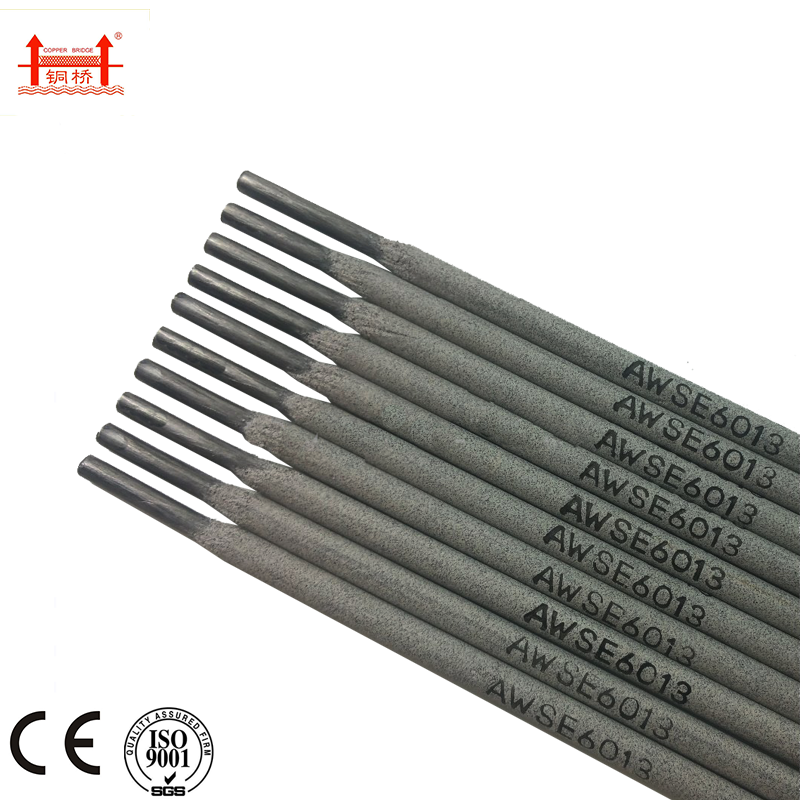
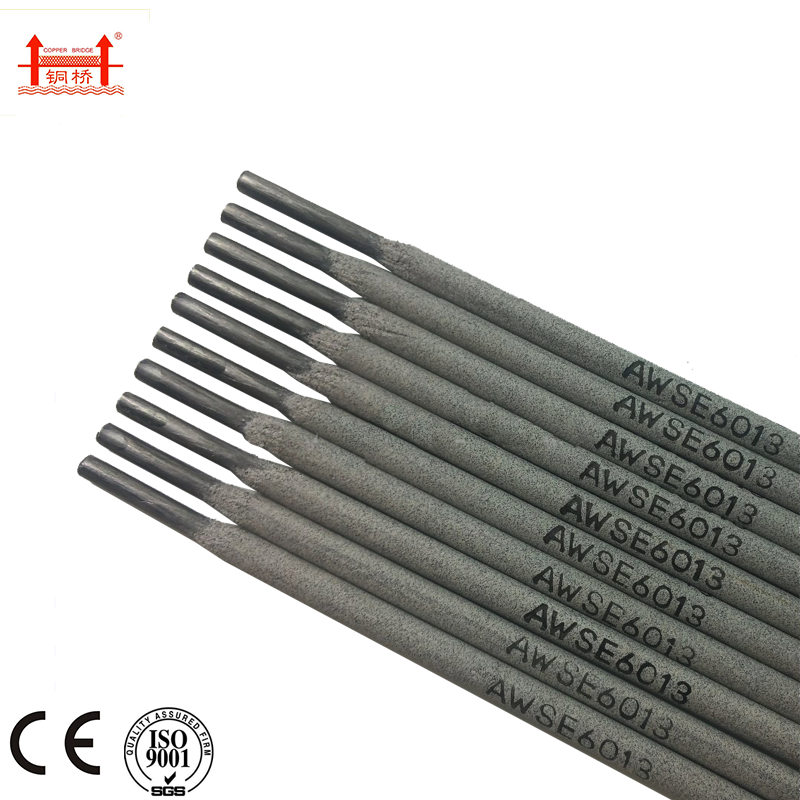
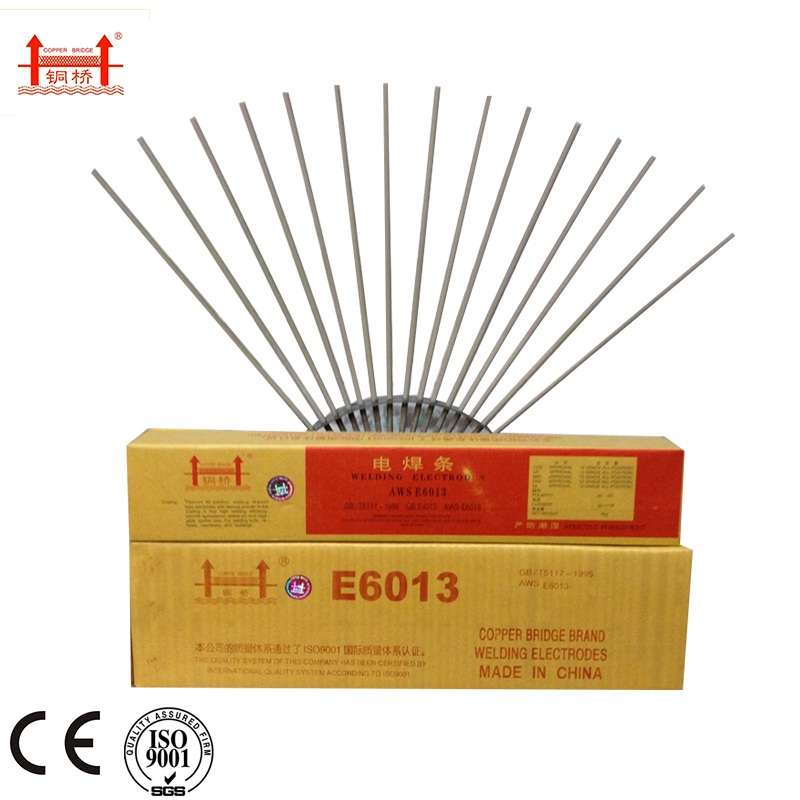
At its core, the AWS E6013 specification is a classification defined by the American Welding Society (AWS) for a specific type of coated welding electrode. Let’s break down the code: “E” stands for electrode, “60” means it has a tensile strength of approximately 60 ksi (thousand pounds per square inch), “1” indicates that it can be used in all welding positions, and “3” refers to the electrode’s flux covering and its current compatibility.
Put simply, those electrodes are designed with a rutile-type flux coating, making them easy to strike, stable for beginners, and capable of producing smooth, clean weld beads. Because of this, the E6013 rod is often the first recommendation for light-to-medium industrial fabrication, home repair work, and general construction.
Oddly enough, what makes E6013 stand out is its combination of usability and quality — it’s forgiving (if you’re not a master welder yet) but still produces welds that meet stringent structural requirements.
Mini takeaway:
Simply put, the AWS E6013 specification codifies an electrode that balances strength, ease, and adaptability — a real workhorse in welding.
Core Components of AWS E6013 Welding Electrodes
1. Electrical Conductivity and Current Compatibility
E6013 electrodes function well under AC, DC+, and DC- currents, allowing flexibility in welding equipment choice. This versatility is one reason so many welders prefer it.
2. Flux Coating Composition
The rutile-based flux creates a smooth slag that’s easy to remove and reduces spatter during welding. Compared to other rods, the flux material improves arc stability, which, frankly, feels like a gentle hand guiding your bead.
3. Mechanical Strength
Designed to produce welds with tensile strength near 60 ksi, it’s strong enough for numerous structural applications. For the average worksite, this means reliable joints without needing exotic or over-expensive rods.
4. Usability in Multiple Positions
The “1” in the spec means you can weld vertical, horizontal, flat, or even overhead — a great feature when site conditions aren’t perfect and flexibility is key.
5. Coating Thickness
The coating is moderate, assisting arc management and contributing to smooth bead appearance while limiting excessive fumes — so it’s friendlier for welders in less ventilated areas.
| Specification Factor | Detail |
|---|---|
| Tensile Strength | 60 ksi (~420 MPa) |
| Usable Positions | All (Flat, Horizontal, Vertical, Overhead) |
| Coating Type | Rutile-based |
| Current Compatibility | AC, DC+, DC- |
| Typical Applications | Light structural, sheet metal, maintenance |
Mini takeaway:
These elements together create a well-rounded electrode, capable of supporting diverse welding needs without breaking the bank or overcomplicating setup.
How the AWS E6013 Specification Finds Use Around the Globe
From bustling shipyards in South Korea to small repair shops in rural Africa, the E6013 electrode enjoys widespread adoption. In real-world usage, it’s prized in:
- Construction sites: General fabrication and repair work due to its versatility.
- Maintenance and repair: Quick fixes on pipelines, agricultural tools, or machinery.
- Education: Welding schools often train beginners with E6013 rods because they’re forgiving.
- Disaster relief: NGOs use E6013 rods for rebuilding shelters and infrastructure where skilled welders may be scarce.
A notable example: After the 2015 Nepal earthquake, several rebuild projects relied on E6013 electrodes to speed construction with limited power supplies and mixed welder skill levels. The rods’ ease of use helped keep teams moving fast under pressure.
Mini takeaway:
Its global footprint spans industries and regions because it solves real problems where flexibility and accessibility count most.
Advantages and Long-Term Value of Choosing AWS E6013 Electrodes
Why pick E6013 over anything else? Well, many welders swear by its manageable arc and ease of slag removal, which improves weld appearance and quality with less cleanup time. From a cost perspective, these rods strike a sweet balance — affordable yet sufficiently robust for many applications.
Long-term, structures welded with proper E6013 rods meet standard strength requirements, assuring safety and trust. Plus, satisfaction grows when welders can work with minimal fuss — reducing fatigue and errors.
On a social level, being able to build or fix essential infrastructure quickly and reliably supports community resilience, encouraging dignity and well-being.
Future Trends Shaping the Use of AWS E6013 Specifications
The world’s pushing harder towards sustainability and automation — welding is no exception. While E6013 rods have been around for decades, innovations are happening with flux formulations to reduce fumes and environmental impact. Some manufacturers are experimenting with natural materials in flux, making the rods greener.
Also, digital weld monitoring systems are increasingly compatible with electrodes like E6013, enabling real-time feedback and quality control during automated or semi-automated welding processes. This digital transformation helps minimize defects, which is critical when fabricating infrastructure for clean energy and transport systems.
Common Challenges and Solutions for AWS E6013 Electrode Usage
Sure, E6013 rods aren't perfect. They’re primarily suited for thinner metals and mild steels, so heavy-duty industrial steelwork usually calls for different electrodes. Their penetration isn’t the deepest, which can limit structural integrity if misused.
To get around this, experts recommend proper training focused on current settings and electrode angle. Also, pairing E6013 with complementary rods for multi-pass welds helps broaden usability.
Quick FAQs About AWS E6013 Specification
- What metals are best welded using AWS E6013 electrodes?
- E6013 rods are best suited for mild and low-carbon steels, including sheet metal and thin plates. They’re less effective on stainless steel or cast iron.
- Can beginners easily work with E6013 rods?
- Yes, their smooth arc and forgiving nature make them ideal for welders just starting out, allowing easier bead control and neat welds.
- Is the AWS E6013 rod suitable for outdoor use?
- Generally yes, but welding outdoors requires attention to wind and moisture for both safety and weld integrity. Proper technique and sometimes rod coating choices help maintain weld quality.
- How does the E6013 compare to other common rods like E7018?
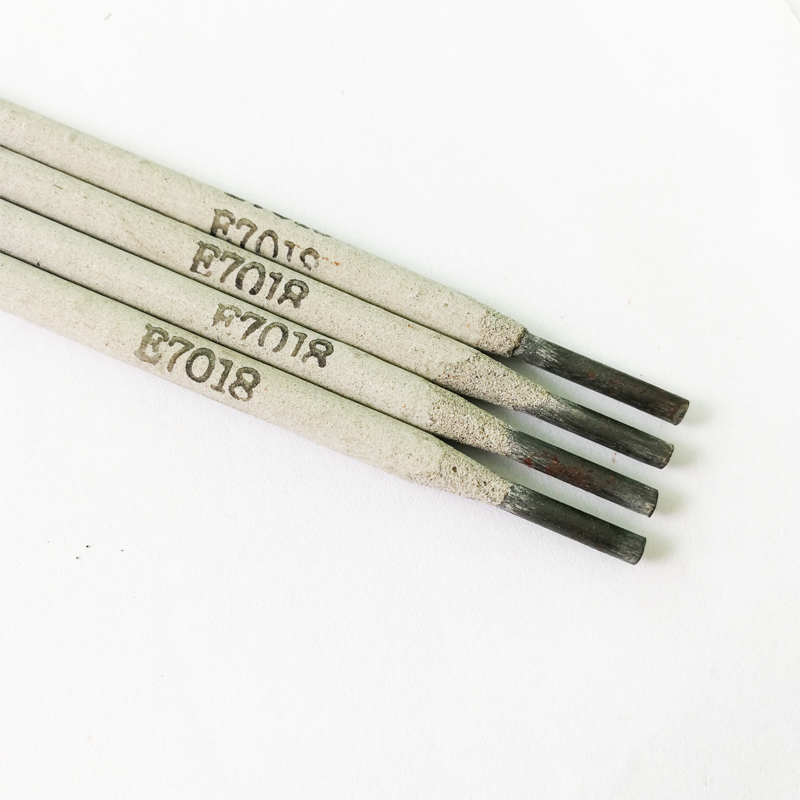
- E7018 rods provide deeper penetration and higher strength, suited for heavy structural work. E6013 is easier to strike and better for general-purpose or thin materials.
Vendor Comparison: Choosing the Right Supplier for E6013 Electrodes
| Brand | Coating Quality | Price per kg | Availability | User Feedback |
|---|---|---|---|---|
| Jinlong Welding | Consistent, smooth slag removal | $3.50 | Worldwide shipping | High – praised in industrial forums |
| Lincoln Electric | Premium coating, low spatter | $5.00 | Global retail networks | Very high, trusted brand |
| ESAB | Good, but some inconsistency reported | $4.20 | Strong global distribution | Moderate, occasional slag issues |
Wrapping It Up: Why AWS E6013 Specification Deserves Your Attention
Long story short, the AWS E6013 specification defines a welding electrode that’s equal parts user-friendly and industrially reliable. Its global applicability, ease of use, and proven track record make it a staple—whether you’re piecing together heavy beams or doing small maintenance. It’s not just a spec on a datasheet; it’s a cornerstone of durable and safer structures around the world.
So, if you want to ensure your next welding project goes smoothly with dependable results, seriously consider following the aws e6013 specification and sourcing quality electrodes from reputable vendors.
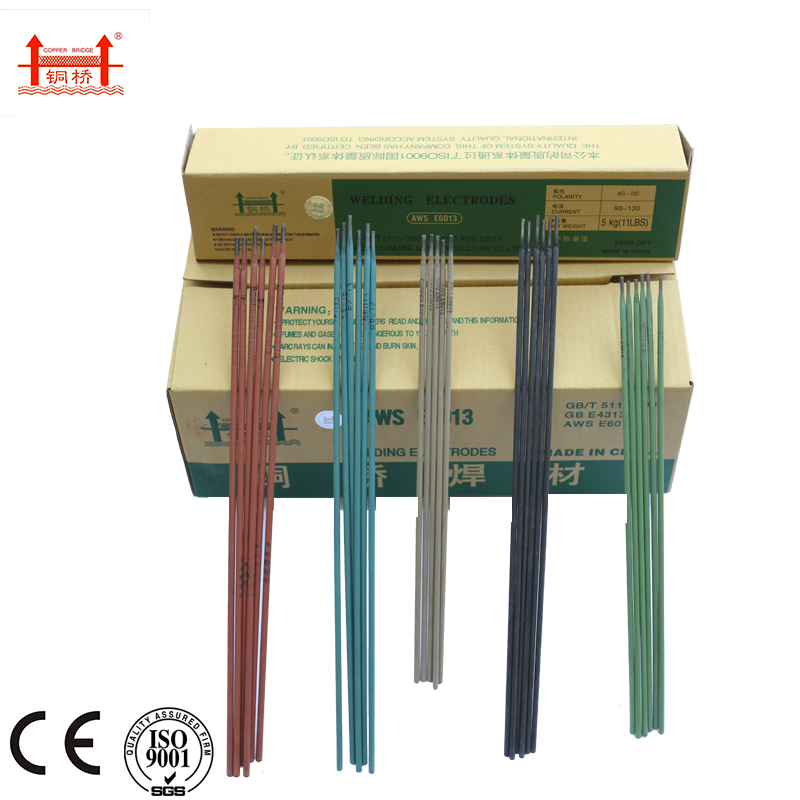
For more insights and product info, visit Jinlong Welding Electrodes — they’re experts and a trusted supplier for AWS-compliant rods worldwide.
References:

Related Video

Related News

2026-04-16 02:35:10
Precision Guide for e312 16 welding rod and Dissimilar Steel Welding
In the demanding world of industrial fabrication and repair, selecting the correct filler metal is the difference between a structural failure and a lifetime bond. The e312 16 welding rod is specifically engineered to meet the rigorous needs of welding dissimilar steels, offering an exceptional balance of strength and corrosion resistance. Whether you are working on high-pressure pipelines or heavy machinery components, understanding the nuances of this specialized electrode is key to achieving professional-grade results. This guide explores the technical advantages and practical applications of the E312 series to help you optimize your welding workflow.
2026-04-09 02:35:17
Choosing the Right cs to ss welding rod number Professional Guide
Joining carbon steel (CS) to stainless steel (SS) is a common challenge in industrial fabrication, requiring a precise understanding of metallurgy to avoid weld failure. The most critical decision in this process is identifying the correct cs to ss welding rod number to ensure a strong, corrosion-resistant bond. Using the wrong filler metal can lead to cracking or premature oxidation due to the different thermal expansion rates of the two materials. In this comprehensive guide, we will break down the technical specifications and selection criteria to help you achieve a professional-grade weld every time.
2026-04-07 02:25:29
Comprehensive Guide to 409 Welding Rod Selection and Optimal Usage
When it comes to welding applications requiring corrosion resistance and good weldability, the 409 welding rod is a frequently chosen option. This article provides a detailed overview of this versatile welding rod, exploring its composition, applications, benefits, and considerations for optimal use. Whether you’re a seasoned professional or new to welding, understanding the properties of 409 welding rod is crucial for achieving high-quality, durable welds. We’ll cover everything you need to know to make informed decisions for your welding projects.
2026-04-04 02:35:28
Comprehensive Guide to 330 Stainless Steel Welding Rod Applications and Techniques
330 stainless steel welding rods are a crucial component in various industries, offering exceptional corrosion resistance and high-temperature strength. This article provides an in-depth look at these rods, covering their properties, applications, choosing the right rod, welding techniques, safety precautions, and where to find high-quality options. Whether you're a seasoned welding professional or new to the field, this guide will offer valuable insights.
2026-03-31 02:35:08
Comprehensive Guide to 312 Stainless Tig Rod for Superior Welding Performance
When choosing the right filler metal for your TIG welding projects, especially in demanding applications, 312 stainless steel tig rod stands out for its exceptional corrosion resistance and high-temperature strength. This comprehensive guide will explore its composition, applications, benefits, and how it compares to other stainless steel rods. We'll also point you to resources for sourcing high-quality rods.
2026-03-28 02:45:04
Comprehensive Guide to 312 17 Welding Rod Applications and Technical Details
Welding rods are essential consumables in the welding process, and selecting the right one is crucial for achieving strong, durable, and high-quality welds. The 312 17 welding rod is a popular choice for many applications due to its unique properties and versatility. This article delves into the characteristics, applications, benefits, and considerations when using 312 17 welding rods, providing a comprehensive resource for welders and engineers alike. Choosing the right rod directly impacts the success and longevity of any welding project.
2026-03-26 02:35:10
Comprehensive Guide to the 312 16 Welding Rod for Superior Steel Welding
The 312 16 welding rod is a versatile and widely-used electrode in various welding applications. Known for its excellent weldability and strong mechanical properties, it's a go-to choice for professionals and hobbyists alike. This article delves into the specifics of this electrode, covering its composition, applications, advantages, and how to choose the right one for your projects. Understanding the nuances of the 312 16 welding rod is crucial for achieving high-quality, durable welds. The designation "312 16" provides key information about the welding rod. "312" refers to the type of flux coating, specifically a low-hydrogen, iron powder coating. This coating is designed to produce welds with excellent mechanical properties and good resistance to cracking. The "16" indicates the diameter of the rod in 32nds of an inch – so a 312 16 rod has a diameter of 16/32 or 1/2 inch. This combination makes it suitable for a wide range of steel welding applications. The low-hydrogen nature of the flux minimizes hydrogen-induced cracking, a common issue in welding certain steels.
2026-03-24 02:45:07
Comprehensive Guide to 309LSI TIG Rod Welding Applications and Best Practices
The 309LSI TIG rod is a versatile welding consumable widely used across various industries for its exceptional corrosion resistance and weldability. This article will explore the properties, applications, advantages, and best practices associated with using 309LSI TIG rods. Whether you're a seasoned welding professional or new to the field, this guide will provide you with valuable insights into maximizing the performance and longevity of your welds. The 309LSI TIG rod is a stainless steel electrode specifically designed for Gas Tungsten Arc Welding (GTAW), commonly known as TIG welding. The "309LSI" designation indicates the alloy composition: 309 signifies the chromium-nickel content, 'L' denotes low carbon content for enhanced corrosion resistance, and 'SI' signifies stabilized with silicon for improved resistance to carbide precipitation during welding.

 English
  Arabic
  Bengali
  China
China  French
  German
  Hausa
Hausa  Indonesian
  Italian
  Japanese
  Javanese
  Malay
Malay  Persian
  Portuguese
  Punjabi
  Russian
  Spanish
  Swahili
  Telugu
  Vietnamese