

Comprehensive Guide to 6013 Electrode Specification: Standards, Applications, and Trends

Comprehensive Guide to 6013 Electrode Specification: Standards, Applications, and Trends
Dec . 03, 2025 17:54
Understanding the 6013 Electrode Specification: What It Means for Welding Worldwide
Welding is a foundational technology that supports countless industries — from construction and automotive to shipbuilding and infrastructure. Among the many consumables in welding, electrodes play a pivotal role. Today, we're diving into the 6013 electrode specification, a widely used welding rod variant known for versatility and ease of use. But why does this seemingly technical subject matter globally? Understanding 6013 electrodes helps ensure quality, safety, and cost-effectiveness in welding — critical factors for sectors that power economies and build resilient communities.
Global Context: Why 6013 Electrodes Matter
According to the International Organization for Standardization (ISO), welding electrodes like the 6013 standard are essential components standardized to guarantee performance and safety worldwide.1 The World Bank notes that infrastructure development and manufacturing remain top contributors to GDP growth in developing countries, where reliable welding consumables maintain structural integrity. Yet, challenges like inconsistent quality and lack of proper electrode specifications lead to weak welds and costly repairs. The 6013 electrode specification helps mitigate these problems by defining detailed manufacturing and performance criteria. This is why industry leaders and welding professionals gravitate towards 6013-certified electrodes — they promise predictable and acceptable weld quality wherever deployed.
Mini takeaway: Welding professionals globally rely on trusted electrode specifications such as 6013 to deliver strong, consistent welds crucial for product longevity and safety compliance.
Defining the 6013 Electrode Specification
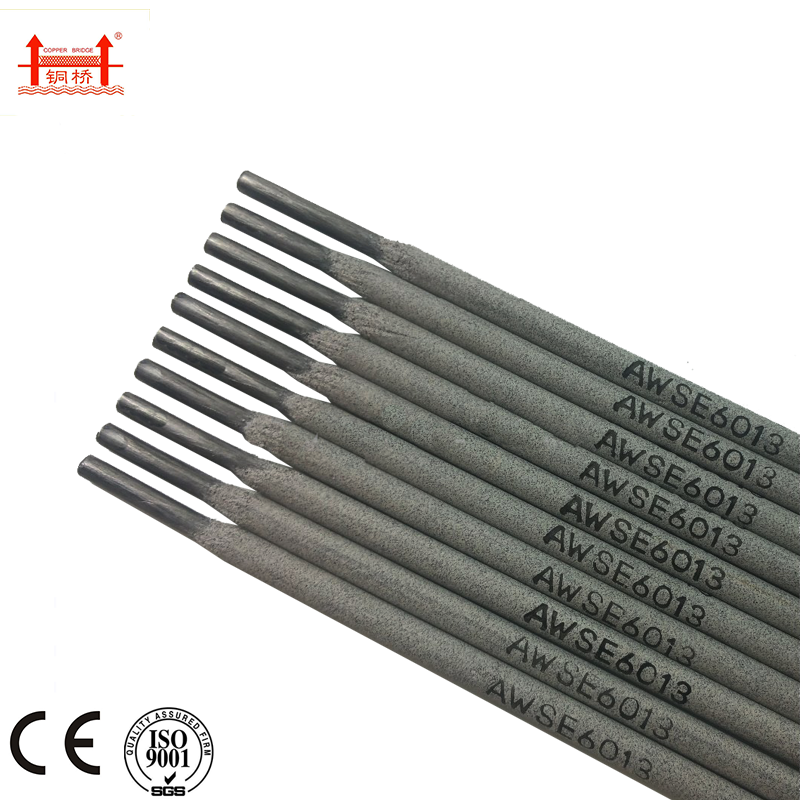
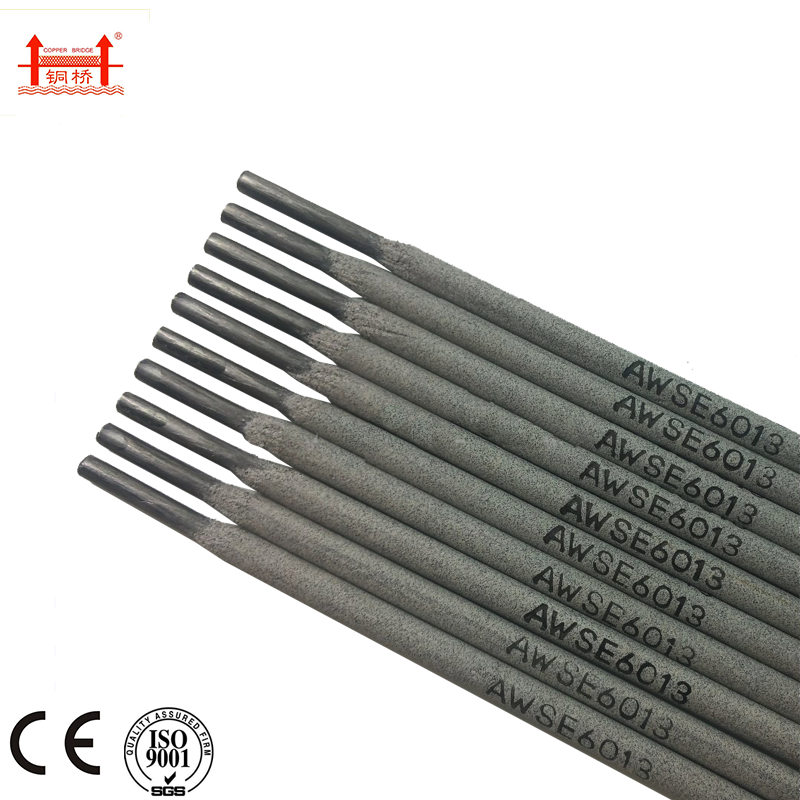
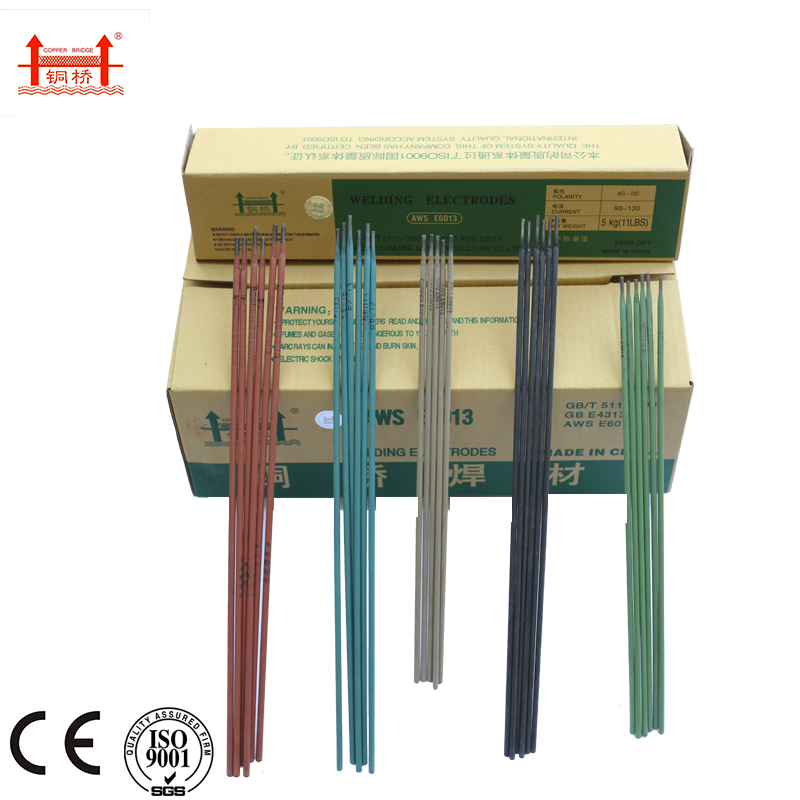
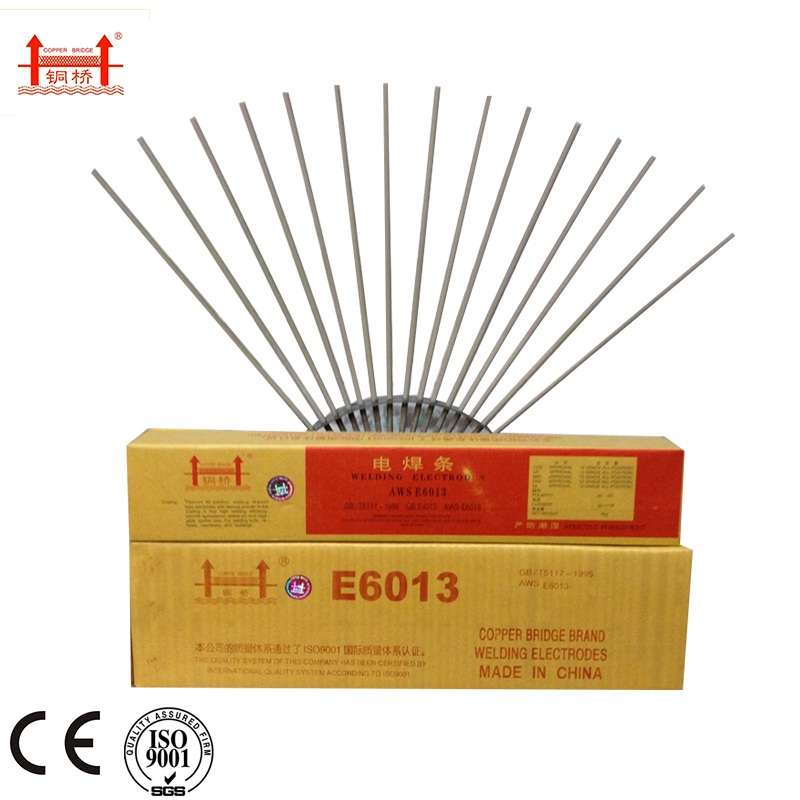
Simply put, the 6013 electrode specification is a set of standards dictating the chemical composition, mechanical properties, and weld deposit characteristics of certain mild steel electrodes. Classified by the American Welding Society (AWS) under the E6013 code, these electrodes are designed for general-purpose welding involving mild or low-carbon steels. They're characterized by a smooth, easy-to-control arc and produce a relatively fine slag, which cleans easily after welding. Oddly enough, this electrode type is often favored by hobbyists and professionals alike due to its forgiving nature and clean finish, making it a staple in many welding inventories.
The 6013 specification touches on aspects like tensile strength (typically 60,000 psi), electrode coating type, and current compatibility (often using AC or DC+). Knowledge of this spec allows welders to select electrodes that fit specific job requirements, welding positions, and environmental conditions.
Key Factors of the 6013 Electrode Specification
1. Durability
The 6013 electrodes meet minimum tensile strengths ensuring weld joints withstand common stresses — important for steel structures exposed to dynamic loads. The tough weld deposits resist cracking and porosity when applied correctly.
2. Ease of Use
Thanks to its rutile-based coating, 6013 rods generate a stable arc that’s smooth and accommodates a wide range of welding positions (flat, horizontal, vertical, overhead). This trait makes it popular for training and routine maintenance.
3. Compatibility
6013 electrodes run well on AC and DC welding machines, giving flexibility across different sites and equipment types.
4. Cost Efficiency
These electrodes balance performance and affordability, making them accessible to small workshops and large factories alike.
| Specification | Detail |
|---|---|
| AWS Code | E6013 |
| Tensile Strength | ~60,000 psi (420 MPa) |
| Coating | Rutile/Cellulose Mix |
| Current Type | AC and DC+ |
| Welding Positions | All (F, H, V, OH) |
Mini takeaway: The 6013 electrode balances reliable strength, versatile usage, and cost-effectiveness — explaining its enduring popularity worldwide.
Global Applications and Real-World Use Cases
You’ll find 6013 electrodes across diverse regions and sectors. For example:
- Construction in Southeast Asia: Local fabricators rely on these rods for structural steel frameworks, especially in areas where power supply fluctuates — because 6013 rods work well on AC machines.
- Post-disaster rebuilding: NGOs use 6013 electrodes during temporary housing construction after natural disasters due to their ease of handling and consistent weld quality.
- Maintenance in remote mining operations: In Australia and Canada, 6013 rods are a preferred choice for quick repair works on site as they don’t require highly specialized skill or equipment.
Many find that this electrode specification offers a practical advantage, allowing teams to focus on rapid deployment without sacrificing weld integrity.
Advantages and Long-Term Value
What really makes 6013 electrodes valuable? Cost is a big factor — these electrodes are affordable but still deliver professional-grade welds. This translates into savings over time because repairs and rework reduce drastically. Frankly, it’s also about sustainability. The clean slag produces less hazardous waste, making cleanup faster and safer.
Then there’s peace of mind — the predictability of weld quality means structures feel safer, which is vital for keeping people secure in housing or industrial facilities. And innovation-wise, 6013’s adaptability to changing electrical inputs feels like a small but significant step towards smarter, more flexible infrastructure work practices.
Looking Ahead: Future Trends in 6013 Electrode Use
With industries gravitating towards greener technologies, electrode manufacturers are experimenting with coatings that reduce spatter and fume emissions. There’s also interest in digital welding systems that can auto-adjust current based on electrode specs like 6013, improving consistency further.
Automation in welding—robotic arms and smart sensors—could incorporate 6013 welding rods more efficiently, especially in manufacturing hubs in Europe and North America. International standards bodies keep refining electrode classifications to push for higher safety and environmental standards, so expect the 6013 specs themselves to evolve in coming years.
Common Challenges and Expert Solutions
Despite its many strengths, 6013 electrodes have some limitations — they’re less ideal for thick steel sections or high-stress aerospace components. Some electricians note they’re not quite as tolerant in extreme cold or wet conditions either.
Addressing these shortcomings sometimes means pairing 6013 rods with preheating techniques or choosing alternate electrodes for heavy-duty tasks. Training welders in correct handling — like arc length maintenance and travel speed — goes a long way to mitigating defects.
| Vendor | Price per kg (USD) | Coating Type | Primary Market | Certification |
|---|---|---|---|---|
| Jinlong | $3.50 | Rutile-cellulose | Industrial, Construction | AWS Certified |
| Lincoln Electric | $4.20 | Rutile | Heavy Industry | AWS Certified |
| ESAB | $4.00 | Cellulose-rutile | Shipbuilding, Infrastructure | ISO Certified |
FAQ: Frequently Asked Questions About 6013 Electrode Specification
Q1: What welding current can I use with 6013 electrodes?
A1: 6013 electrodes work well with AC, DC+, and sometimes DC- machines, though DC+ is preferred for better arc stability. This flexibility is why they're common in various industrial and job site conditions.
Q2: Are 6013 electrodes suitable for outdoor welding?
A2: While 6013 rods can be used outdoors, their rutile coating is moisture sensitive, so coating integrity is crucial. For wet or windy environments, consider additional protective measures or alternative electrodes with more robust coatings.
Q3: How does the 6013 electrode differ from 6011 or 6010?
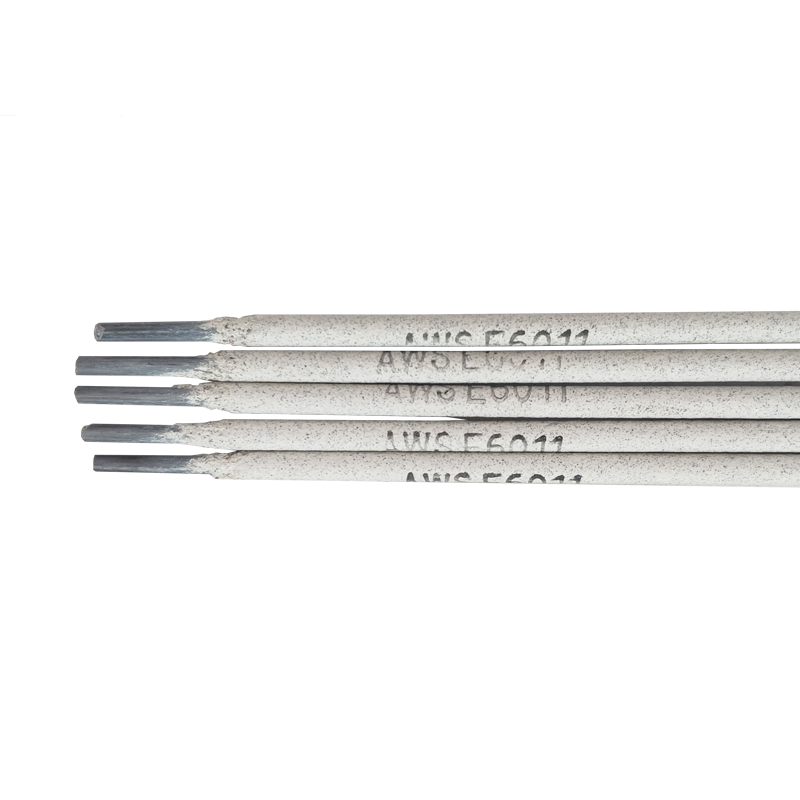
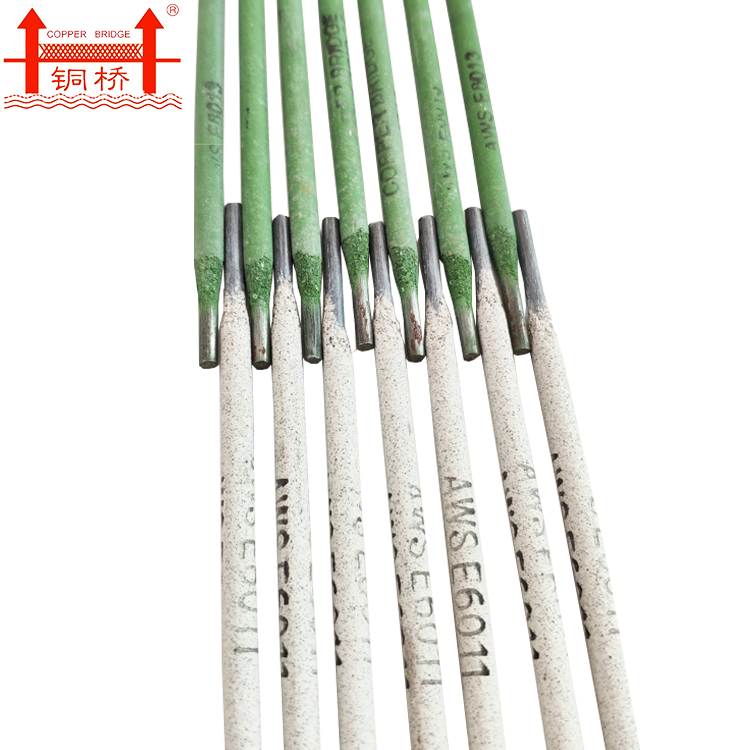
A3: 6013 electrodes have a smoother arc and easier slag removal, suited for thinner materials and clean conditions. In contrast, 6011 and 6010 are cellulose-based and penetrate deeper, ideal for dirty or rusty metals.
Q4: Can I weld vertical or overhead with 6013 electrodes?
A4: Yes! One of 6013's big advantages is its adaptability to all positions (flat, horizontal, vertical, overhead) making it a valuable choice for complex weld geometries.
Q5: How do I maintain quality when using 6013 rods?
A5: Proper storage (dry conditions), correct amperage settings, and consistent arc length help maintain electrode quality and weld integrity. Training and practice are essential for best results.
For detailed product info, check out the 6013 electrode specification on trusted vendor sites.
Conclusion: Why Knowing the 6013 Electrode Specification Pays Off
In short, the 6013 electrode specification provides a reliable, economical, and adaptable baseline for many welding needs. Whether you're working in construction, disaster relief, or industrial maintenance, knowing these specs helps you select the right electrode, optimize weld quality, and avoid costly errors. And frankly, in a world increasingly focused on durability and sustainability, sticking to proven standards like 6013 feels both smart and responsible.
For anyone needing dependable 6013 electrodes, consider browsing options at Jinlong Welding Electrode. They blend quality assurance with competitive pricing — an approach that’s hard to beat in today’s market.
Mini takeaway: Understanding 6013 electrodes’ specifications arms you with the confidence to weld strong, lasting connections — an investment in quality and safety.
References:
1. ISO. ISO 2560: Welding Consumables - Covered Electrodes for Manual Metal Arc Welding of Non-Alloy and Fine Grain Steels - Classification. (2019)
2. World Bank. Industry and Infrastructure Growth Data. (2023)
3. American Welding Society. Welding Electrode Standards & Codes. (2022)

Related Video

Related News

2026-04-16 02:35:10
Precision Guide for e312 16 welding rod and Dissimilar Steel Welding
In the demanding world of industrial fabrication and repair, selecting the correct filler metal is the difference between a structural failure and a lifetime bond. The e312 16 welding rod is specifically engineered to meet the rigorous needs of welding dissimilar steels, offering an exceptional balance of strength and corrosion resistance. Whether you are working on high-pressure pipelines or heavy machinery components, understanding the nuances of this specialized electrode is key to achieving professional-grade results. This guide explores the technical advantages and practical applications of the E312 series to help you optimize your welding workflow.
2026-04-09 02:35:17
Choosing the Right cs to ss welding rod number Professional Guide
Joining carbon steel (CS) to stainless steel (SS) is a common challenge in industrial fabrication, requiring a precise understanding of metallurgy to avoid weld failure. The most critical decision in this process is identifying the correct cs to ss welding rod number to ensure a strong, corrosion-resistant bond. Using the wrong filler metal can lead to cracking or premature oxidation due to the different thermal expansion rates of the two materials. In this comprehensive guide, we will break down the technical specifications and selection criteria to help you achieve a professional-grade weld every time.
2026-04-07 02:25:29
Comprehensive Guide to 409 Welding Rod Selection and Optimal Usage
When it comes to welding applications requiring corrosion resistance and good weldability, the 409 welding rod is a frequently chosen option. This article provides a detailed overview of this versatile welding rod, exploring its composition, applications, benefits, and considerations for optimal use. Whether you’re a seasoned professional or new to welding, understanding the properties of 409 welding rod is crucial for achieving high-quality, durable welds. We’ll cover everything you need to know to make informed decisions for your welding projects.
2026-04-04 02:35:28
Comprehensive Guide to 330 Stainless Steel Welding Rod Applications and Techniques
330 stainless steel welding rods are a crucial component in various industries, offering exceptional corrosion resistance and high-temperature strength. This article provides an in-depth look at these rods, covering their properties, applications, choosing the right rod, welding techniques, safety precautions, and where to find high-quality options. Whether you're a seasoned welding professional or new to the field, this guide will offer valuable insights.
2026-03-31 02:35:08
Comprehensive Guide to 312 Stainless Tig Rod for Superior Welding Performance
When choosing the right filler metal for your TIG welding projects, especially in demanding applications, 312 stainless steel tig rod stands out for its exceptional corrosion resistance and high-temperature strength. This comprehensive guide will explore its composition, applications, benefits, and how it compares to other stainless steel rods. We'll also point you to resources for sourcing high-quality rods.
2026-03-28 02:45:04
Comprehensive Guide to 312 17 Welding Rod Applications and Technical Details
Welding rods are essential consumables in the welding process, and selecting the right one is crucial for achieving strong, durable, and high-quality welds. The 312 17 welding rod is a popular choice for many applications due to its unique properties and versatility. This article delves into the characteristics, applications, benefits, and considerations when using 312 17 welding rods, providing a comprehensive resource for welders and engineers alike. Choosing the right rod directly impacts the success and longevity of any welding project.
2026-03-26 02:35:10
Comprehensive Guide to the 312 16 Welding Rod for Superior Steel Welding
The 312 16 welding rod is a versatile and widely-used electrode in various welding applications. Known for its excellent weldability and strong mechanical properties, it's a go-to choice for professionals and hobbyists alike. This article delves into the specifics of this electrode, covering its composition, applications, advantages, and how to choose the right one for your projects. Understanding the nuances of the 312 16 welding rod is crucial for achieving high-quality, durable welds. The designation "312 16" provides key information about the welding rod. "312" refers to the type of flux coating, specifically a low-hydrogen, iron powder coating. This coating is designed to produce welds with excellent mechanical properties and good resistance to cracking. The "16" indicates the diameter of the rod in 32nds of an inch – so a 312 16 rod has a diameter of 16/32 or 1/2 inch. This combination makes it suitable for a wide range of steel welding applications. The low-hydrogen nature of the flux minimizes hydrogen-induced cracking, a common issue in welding certain steels.
2026-03-24 02:45:07
Comprehensive Guide to 309LSI TIG Rod Welding Applications and Best Practices
The 309LSI TIG rod is a versatile welding consumable widely used across various industries for its exceptional corrosion resistance and weldability. This article will explore the properties, applications, advantages, and best practices associated with using 309LSI TIG rods. Whether you're a seasoned welding professional or new to the field, this guide will provide you with valuable insights into maximizing the performance and longevity of your welds. The 309LSI TIG rod is a stainless steel electrode specifically designed for Gas Tungsten Arc Welding (GTAW), commonly known as TIG welding. The "309LSI" designation indicates the alloy composition: 309 signifies the chromium-nickel content, 'L' denotes low carbon content for enhanced corrosion resistance, and 'SI' signifies stabilized with silicon for improved resistance to carbide precipitation during welding.

 English
  Arabic
  Bengali
  China
China  French
  German
  Hausa
Hausa  Indonesian
  Italian
  Japanese
  Javanese
  Malay
Malay  Persian
  Portuguese
  Punjabi
  Russian
  Spanish
  Swahili
  Telugu
  Vietnamese