

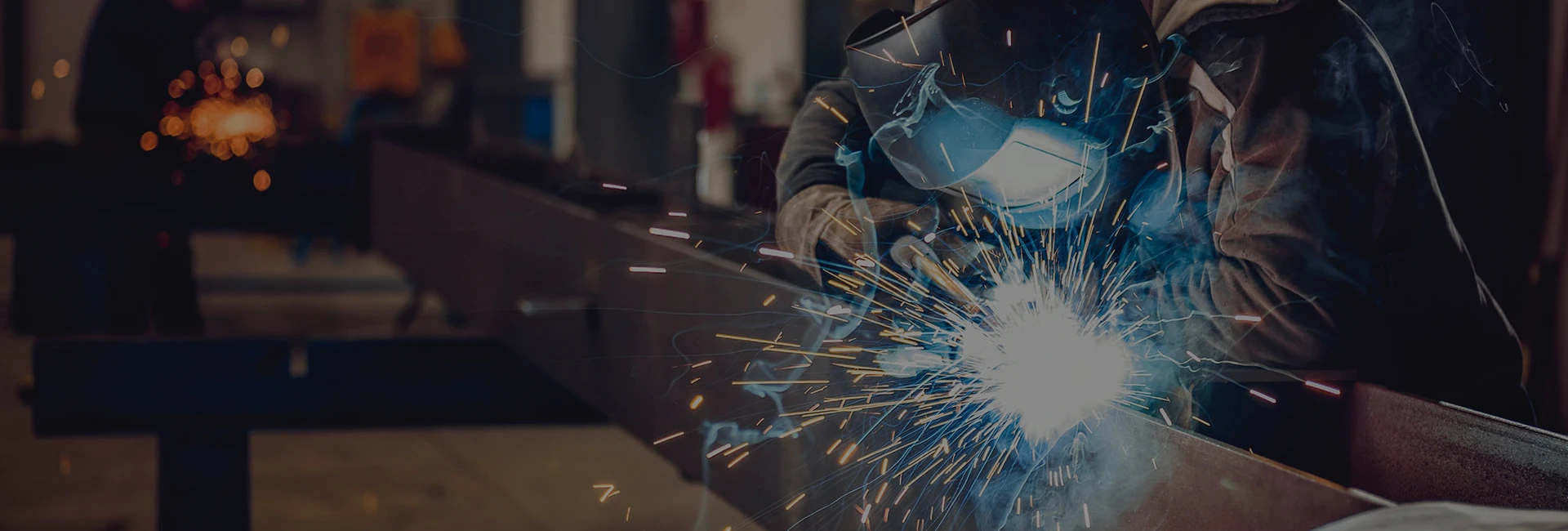
5/32 Welding Rod 7018: Durable & Trusted Electrode for Steel Welding

5/32 Welding Rod 7018: Durable & Trusted Electrode for Steel Welding
Dec . 03, 2025 12:36
Understanding the 5/32 Welding Rod 7018: A Veteran's Take
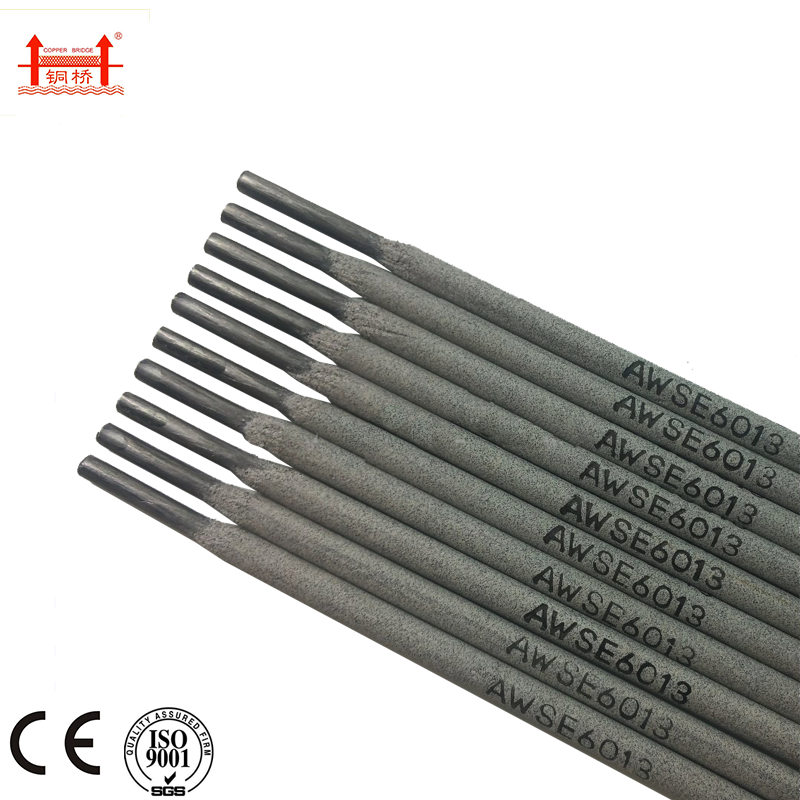
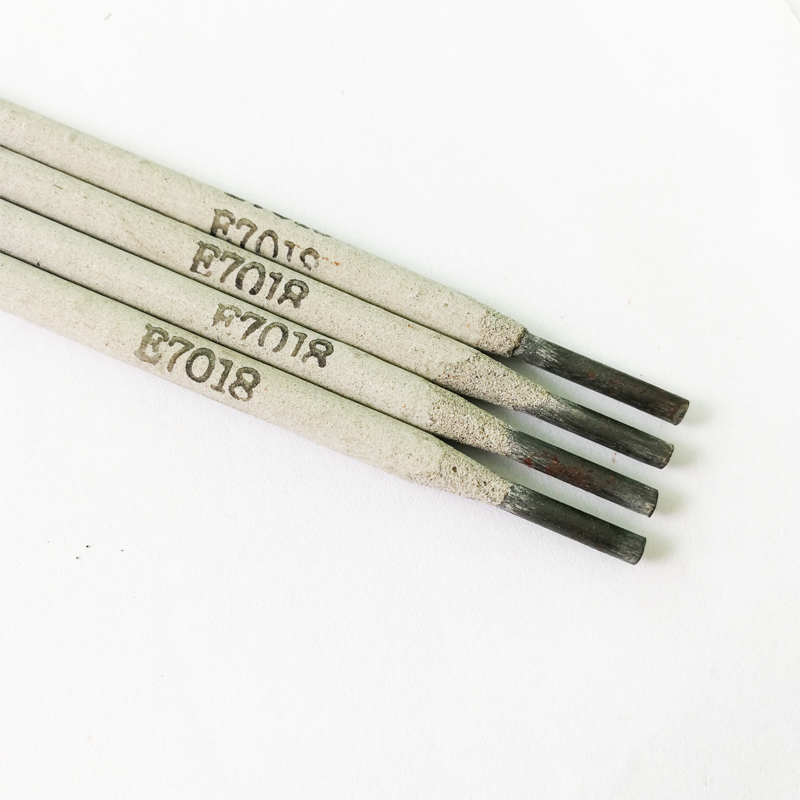
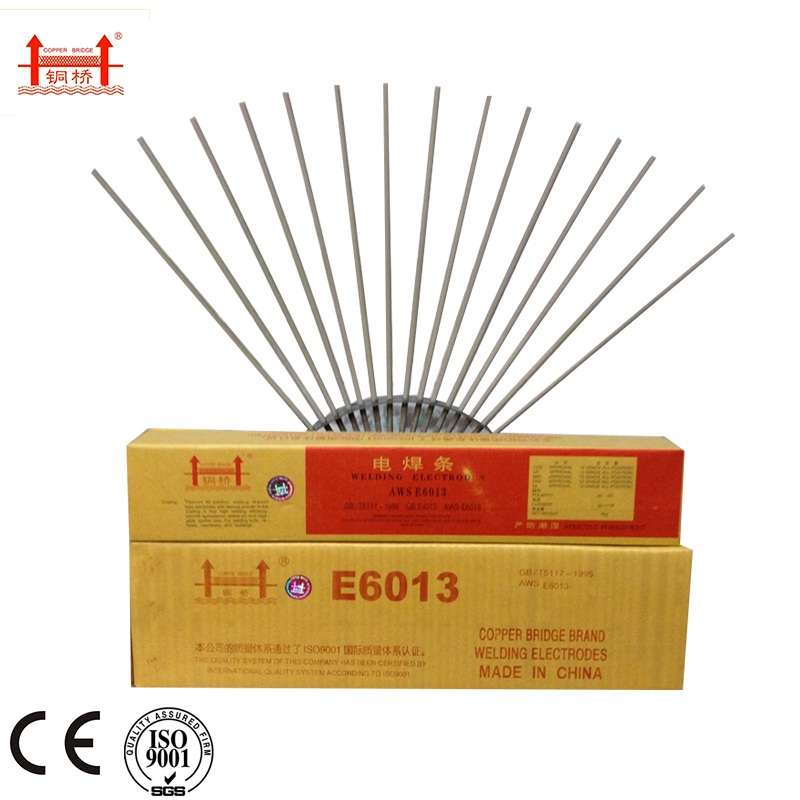
Having spent quite a few years wrangling with industrial equipment — and welding rods in particular — I can say the 5/32 welding rod 7018 remains a cornerstone in structural steel fabrication. Oddly enough, even as technology marches on, rods like the 7018 keep holding their ground due to unmatched versatility and strength.
Now, you might wonder what sets the 5/32 diameter apart within the 7018 lineup? Well, in real terms, the 5/32 inch size — roughly 4mm — strikes a solid balance. It's thick enough to weld heavily loaded sections but not cumbersome for moderate to tight-to-reach joints. Many engineers I know swear by it when dealing with bridges, pipelines, or any critical fabrications where crack resistance is non-negotiable.
The 7018 rod itself is low hydrogen, iron powder coated, which basically means it provides superior toughness and smooth bead appearance. Frankly, this coating helps in keeping hydrogen out of the weld, drastically lowering the risk of brittle fractures. I recall a project years back where switching from a basic 6010 electrode to 7018 cut down weld failures significantly. It felt like a simple upgrade, but the reliability jumped.
From a materials perspective, 7018 rods are designed to meet AWS A5.1 classification — that means there’s a strict quality bar for tensile strength and ductility. It’s reassuring knowing your welds won’t crack under stress or temperature fluctuations. Still, I suppose you can't overlook the essentials of proper storage; those low hydrogen rods demand dry conditions or else their integrity nosedives fast.
| Specification | Value |
|---|---|
| Diameter | 5/32 inch (4 mm) |
| Type | E7018 (Low Hydrogen Iron Powder) |
| Tensile Strength | 70,000 psi (485 MPa) |
| Current Type | AC or DC+ |
| Welding Positions | All (flat, horizontal, vertical, overhead) |
| AWS Classification | A5.1: E7018 |
That said, sourcing is another story — the market has plenty of vendors, but their 7018 rods can differ in coating quality and moisture resistance. Here’s a quick rundown I use when advising clients or choosing stock:
| Vendor | Coating Quality | Moisture Resistance | Price (per lb) |
|---|---|---|---|
| Jinlong Welding Electrode | Premium iron powder coating | Excellent sealed packaging | Competitive |
| Generic Brand A | Standard coating | Basic moisture barrier | Lower |
| Brand X Industrial | High-quality coating, but inconsistent batches | Variable packaging quality | Premium |
In my experience, sticking with trusted suppliers like Jinlong who emphasize quality and packaging makes a tangible difference on site. There was this one time — I think it was a cold winter project — when we found that rods from a lesser-known vendor had absorbed moisture, and the welding performance suffered terribly. We switched immediately and got our groove back.
So, if you're evaluating 5/32 welding rod 7018 options, remember it's not just about the specs on paper. The real-world toughness, bead smoothness, and even how well the rods handle post-storage humidity count just as much. Plus, these rods are adaptable: compatible with AC or DC+ currents and weldable in multiple positions, which frankly is a time-saver when schedules are tight.
To round things off — and for anyone who’s curious — the 5/32 size 7018 rod remains more than just industry-standard; it's a practical, dependable choice that countless fabricators return to. It’s kind of like a trusty old workhorse: a bit unglamorous, but faithful and steady every day on the job.
Before I sign off, I’ll just say: if you’re new or rusty, don't underestimate rod storage and handling. Keeping those rods dry and sealed will save you more headaches than you might expect.
Hope this helps whoever’s considering the 5/32 welding rod 7018 — feel free to check out Jinlong Welding Electrode for a solid product lineup.
Happy welding — and may your welds hold steady through all the strain they face.
References:
- AWS A5.1 Specification Sheet, American Welding Society
- Jinlong Welding Electrode Product Guidelines
- Industry Field Reports, 2018-2023
© Industrial Welding Insights, 2024

Related Video

Related News

2026-04-16 02:35:10
Precision Guide for e312 16 welding rod and Dissimilar Steel Welding
In the demanding world of industrial fabrication and repair, selecting the correct filler metal is the difference between a structural failure and a lifetime bond. The e312 16 welding rod is specifically engineered to meet the rigorous needs of welding dissimilar steels, offering an exceptional balance of strength and corrosion resistance. Whether you are working on high-pressure pipelines or heavy machinery components, understanding the nuances of this specialized electrode is key to achieving professional-grade results. This guide explores the technical advantages and practical applications of the E312 series to help you optimize your welding workflow.
2026-04-09 02:35:17
Choosing the Right cs to ss welding rod number Professional Guide
Joining carbon steel (CS) to stainless steel (SS) is a common challenge in industrial fabrication, requiring a precise understanding of metallurgy to avoid weld failure. The most critical decision in this process is identifying the correct cs to ss welding rod number to ensure a strong, corrosion-resistant bond. Using the wrong filler metal can lead to cracking or premature oxidation due to the different thermal expansion rates of the two materials. In this comprehensive guide, we will break down the technical specifications and selection criteria to help you achieve a professional-grade weld every time.
2026-04-07 02:25:29
Comprehensive Guide to 409 Welding Rod Selection and Optimal Usage
When it comes to welding applications requiring corrosion resistance and good weldability, the 409 welding rod is a frequently chosen option. This article provides a detailed overview of this versatile welding rod, exploring its composition, applications, benefits, and considerations for optimal use. Whether you’re a seasoned professional or new to welding, understanding the properties of 409 welding rod is crucial for achieving high-quality, durable welds. We’ll cover everything you need to know to make informed decisions for your welding projects.
2026-04-04 02:35:28
Comprehensive Guide to 330 Stainless Steel Welding Rod Applications and Techniques
330 stainless steel welding rods are a crucial component in various industries, offering exceptional corrosion resistance and high-temperature strength. This article provides an in-depth look at these rods, covering their properties, applications, choosing the right rod, welding techniques, safety precautions, and where to find high-quality options. Whether you're a seasoned welding professional or new to the field, this guide will offer valuable insights.
2026-03-31 02:35:08
Comprehensive Guide to 312 Stainless Tig Rod for Superior Welding Performance
When choosing the right filler metal for your TIG welding projects, especially in demanding applications, 312 stainless steel tig rod stands out for its exceptional corrosion resistance and high-temperature strength. This comprehensive guide will explore its composition, applications, benefits, and how it compares to other stainless steel rods. We'll also point you to resources for sourcing high-quality rods.
2026-03-28 02:45:04
Comprehensive Guide to 312 17 Welding Rod Applications and Technical Details
Welding rods are essential consumables in the welding process, and selecting the right one is crucial for achieving strong, durable, and high-quality welds. The 312 17 welding rod is a popular choice for many applications due to its unique properties and versatility. This article delves into the characteristics, applications, benefits, and considerations when using 312 17 welding rods, providing a comprehensive resource for welders and engineers alike. Choosing the right rod directly impacts the success and longevity of any welding project.
2026-03-26 02:35:10
Comprehensive Guide to the 312 16 Welding Rod for Superior Steel Welding
The 312 16 welding rod is a versatile and widely-used electrode in various welding applications. Known for its excellent weldability and strong mechanical properties, it's a go-to choice for professionals and hobbyists alike. This article delves into the specifics of this electrode, covering its composition, applications, advantages, and how to choose the right one for your projects. Understanding the nuances of the 312 16 welding rod is crucial for achieving high-quality, durable welds. The designation "312 16" provides key information about the welding rod. "312" refers to the type of flux coating, specifically a low-hydrogen, iron powder coating. This coating is designed to produce welds with excellent mechanical properties and good resistance to cracking. The "16" indicates the diameter of the rod in 32nds of an inch – so a 312 16 rod has a diameter of 16/32 or 1/2 inch. This combination makes it suitable for a wide range of steel welding applications. The low-hydrogen nature of the flux minimizes hydrogen-induced cracking, a common issue in welding certain steels.
2026-03-24 02:45:07
Comprehensive Guide to 309LSI TIG Rod Welding Applications and Best Practices
The 309LSI TIG rod is a versatile welding consumable widely used across various industries for its exceptional corrosion resistance and weldability. This article will explore the properties, applications, advantages, and best practices associated with using 309LSI TIG rods. Whether you're a seasoned welding professional or new to the field, this guide will provide you with valuable insights into maximizing the performance and longevity of your welds. The 309LSI TIG rod is a stainless steel electrode specifically designed for Gas Tungsten Arc Welding (GTAW), commonly known as TIG welding. The "309LSI" designation indicates the alloy composition: 309 signifies the chromium-nickel content, 'L' denotes low carbon content for enhanced corrosion resistance, and 'SI' signifies stabilized with silicon for improved resistance to carbide precipitation during welding.

 English
  Arabic
  Bengali
  China
China  French
  German
  Hausa
Hausa  Indonesian
  Italian
  Japanese
  Javanese
  Malay
Malay  Persian
  Portuguese
  Punjabi
  Russian
  Spanish
  Swahili
  Telugu
  Vietnamese