


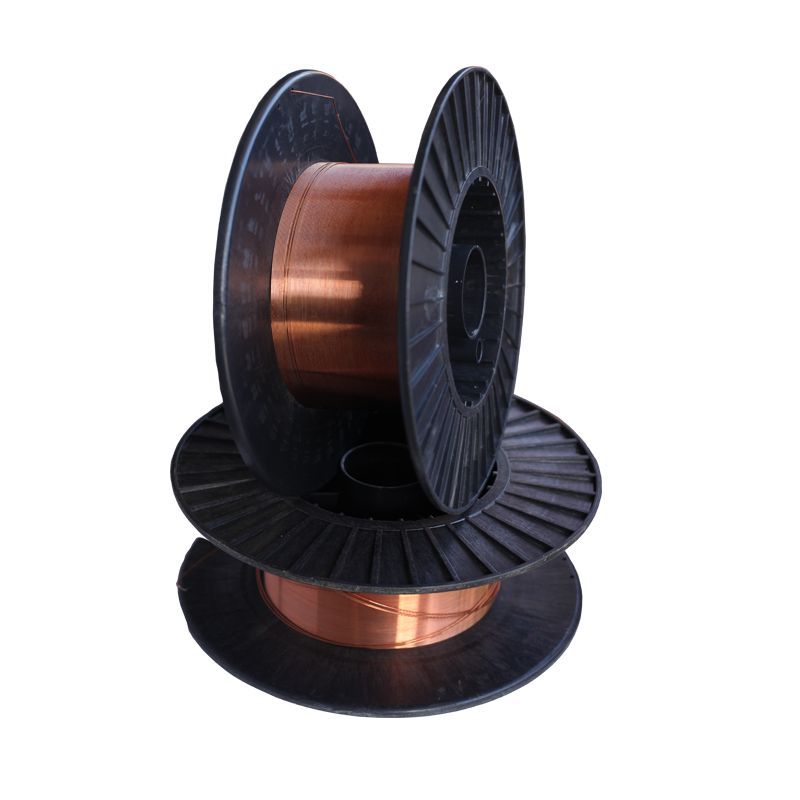
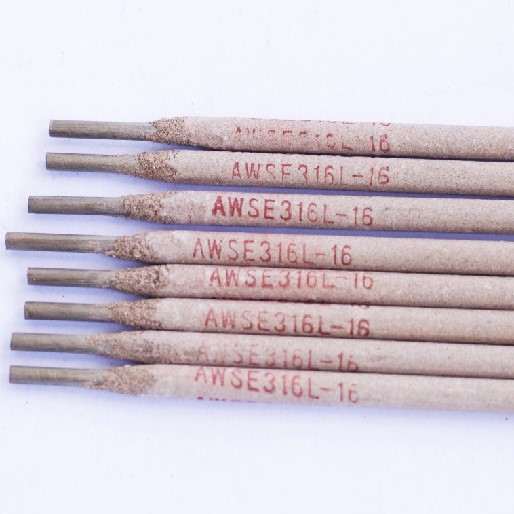
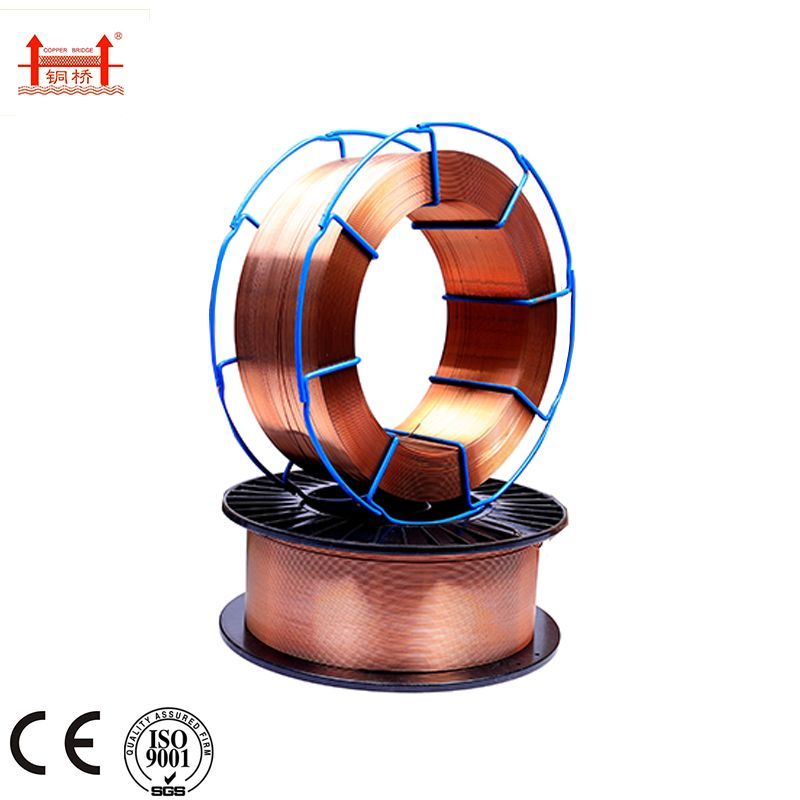
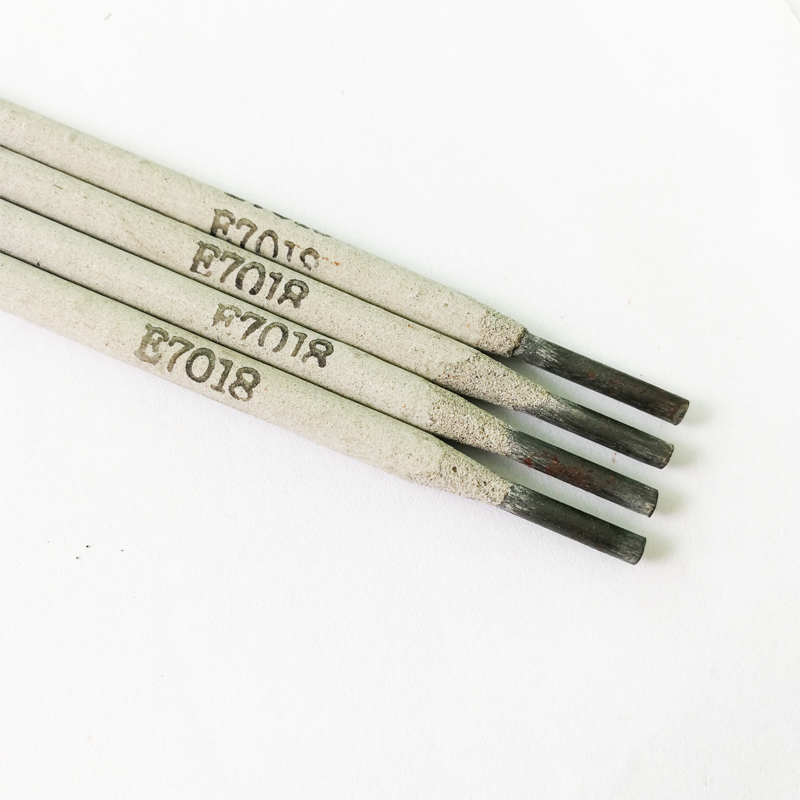
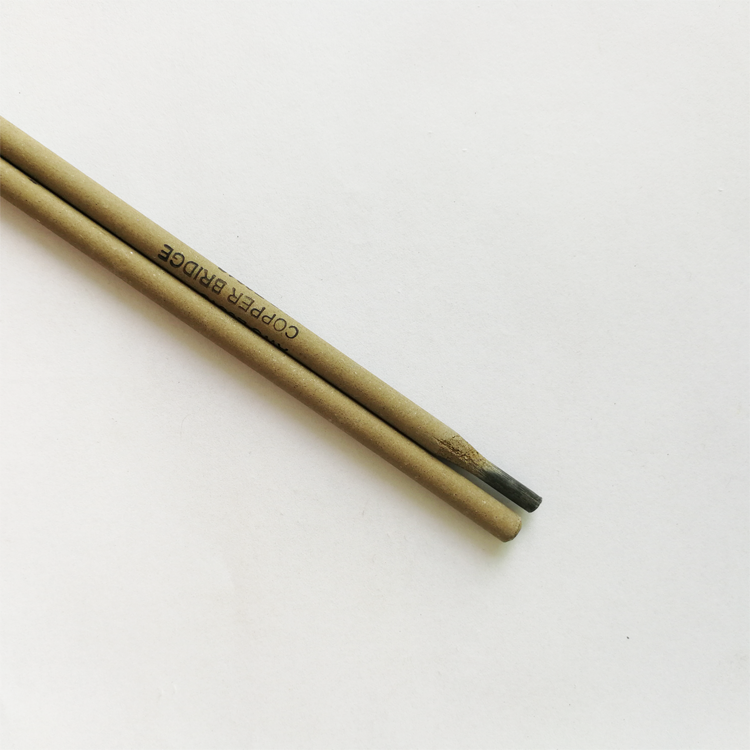
Uzbekistan's manufacturing sector is currently experiencing a surge in infrastructure development, particularly in Tashkent and Samarkand. However, the regional climate—characterized by extreme continental temperature shifts—places immense stress on welded joints. The demand for a normal welding rod remains high for general construction, but there is a growing need for materials that can prevent hydrogen cracking in cold winters.
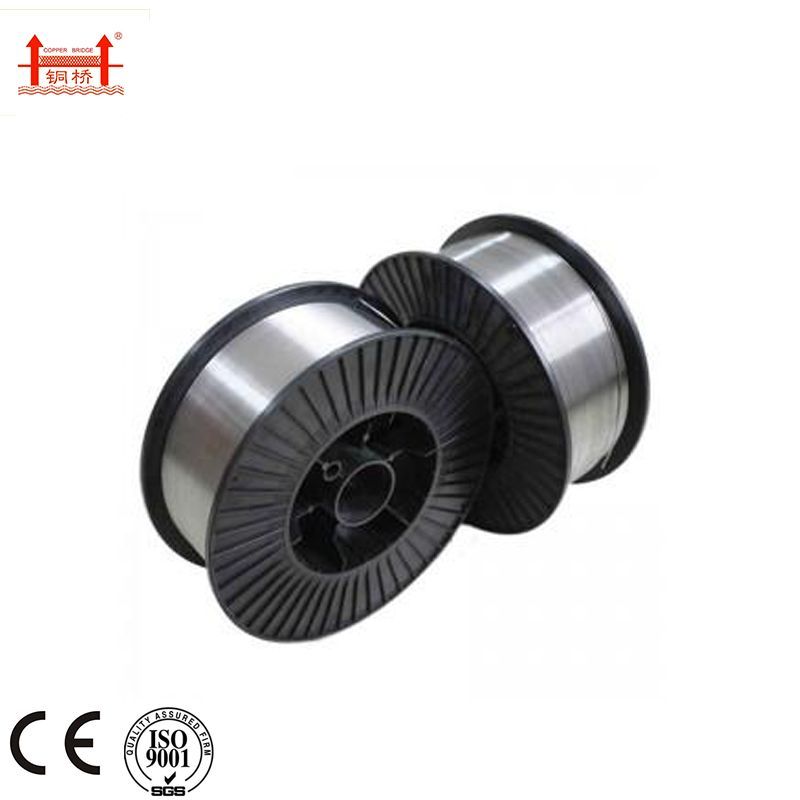
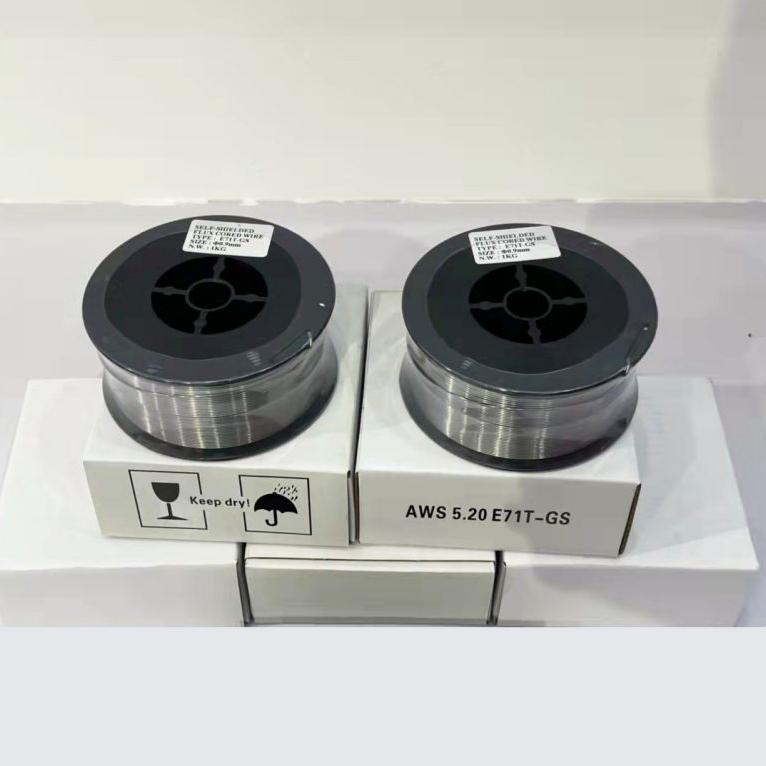
In the energy and mining sectors, the use of big welding rod options has become essential for thick-plate welding in pipeline construction and heavy machinery repair. The industry is shifting away from generic imports toward specialized alloys that offer higher tensile strength and better fatigue resistance.
Furthermore, moisture control is a critical challenge in local workshops. The proliferation of wet welding electrodes in some lower-tier markets has led to porosity issues, prompting a market-wide transition toward vacuum-sealed, low-hydrogen electrodes that ensure structural integrity under Uzbekistan's diverse environmental conditions.

 English
  Arabic
  Bengali
  China
China  French
  German
  Hausa
Hausa  Indonesian
  Italian
  Japanese
  Javanese
  Malay
Malay  Persian
  Portuguese
  Punjabi
  Russian
  Spanish
  Swahili
  Telugu
  Vietnamese