Advanced electrode wire welding Solutions for South Korea's Heavy Industry

Providing high-precision welding consumables tailored for the rigorous standards of South Korean shipbuilding, automotive, and infrastructure projects.

Advanced electrode wire welding Solutions for South Korea's Heavy Industry

Our comprehensive range of welding materials ensures maximum structural integrity and efficiency for the most demanding industrial environments in South Korea.

Current State of Welding Manufacturing in South Korea

Analyzing the intersection of high-tech manufacturing and material demands in the Korean peninsula.

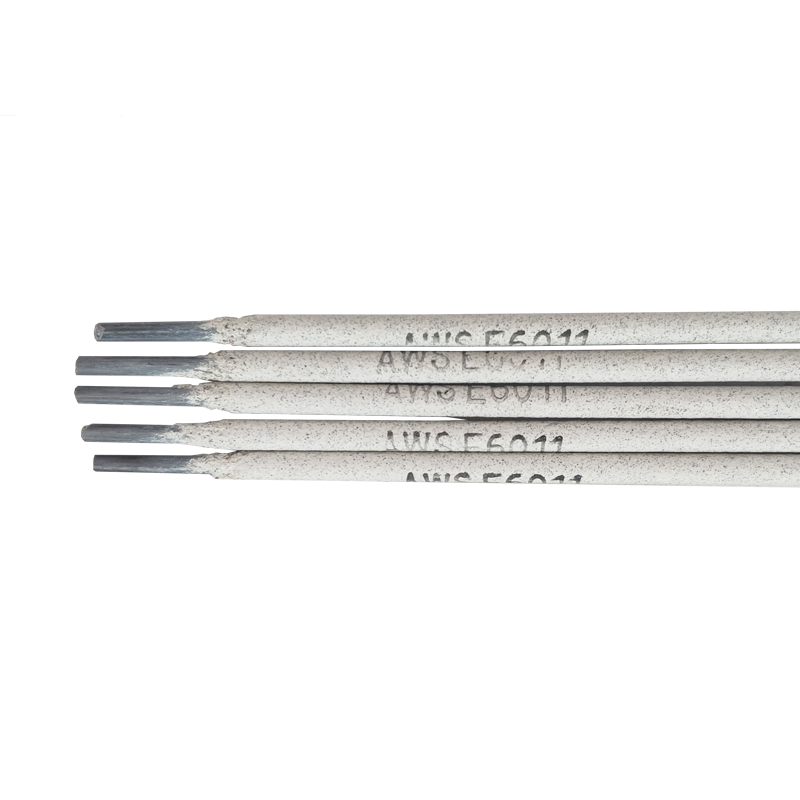
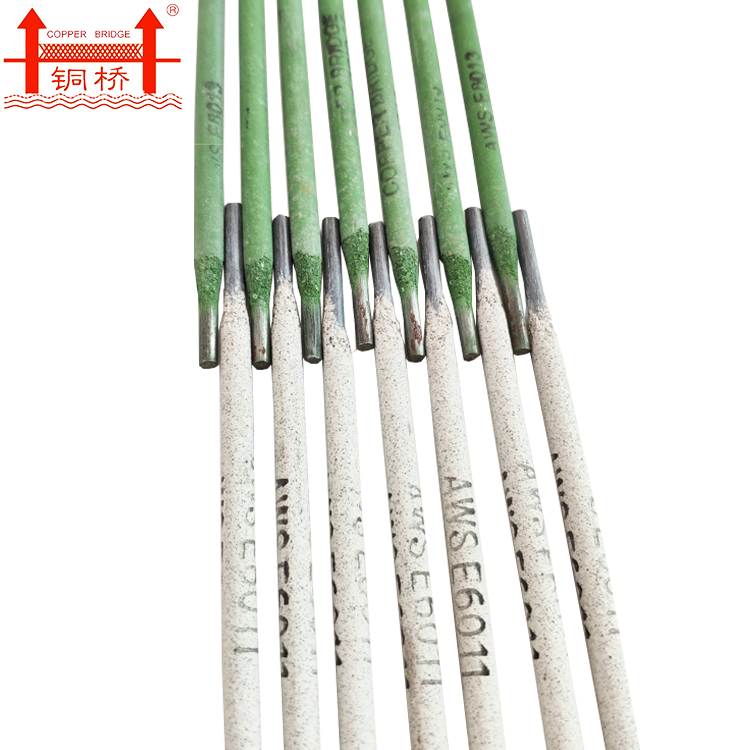
South Korea's manufacturing sector, particularly in Ulsan and Geoje, is dominated by world-leading shipbuilding and automotive giants. The demand for a normal welding rod remains high for general maintenance, but the industry is rapidly shifting toward specialized consumables to handle high-tensile steel.

The coastal geography of South Korea introduces significant humidity challenges. This has led to a specialized market for wet welding electrodes, which are critical for underwater repairs of offshore platforms and ship hulls without requiring extensive pre-drying.

Economically, the push for "Smart Factories" in South Korea is driving the adoption of automated systems. This transition requires highly consistent cutting welding rods and wires that can maintain arc stability during high-speed robotic operations.
Evolution and Development Trajectory of Welding Materials

From traditional manual arcs to the era of precision robotic integration.

Market Development History

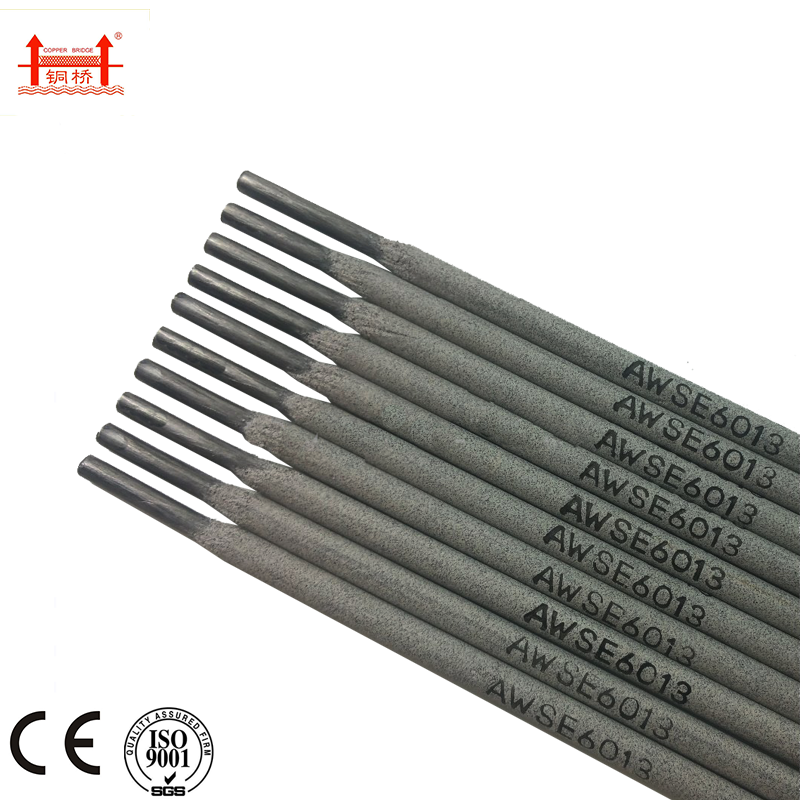
In the 1970s and 80s, South Korea's industrial boom relied heavily on basic SMAW processes. The market was saturated with the normal welding rod for rapid infrastructure build-out and early naval construction.

By the 2000s, the focus shifted toward efficiency and strength. The introduction of advanced big welding rod options allowed for deeper penetration in thick-plate welding, essential for the VLCC (Very Large Crude Carrier) ships South Korea is famous for.

From 2015 to the present, the integration of IoT and AI in welding has prioritized electrode purity and diameter precision, moving the industry toward high-performance wire-feed systems and specialized alloys.

Future Development Trends

Eco-friendly Flux Formulations

Reducing hazardous fumes is a priority for South Korean labor laws, leading to the development of low-smoke coatings for all electrode types.

High-Automation Compatibility

Future consumables will be engineered specifically for collaborative robots (cobots), focusing on reduced spatter and zero-defect seams.

Specialized Marine Alloys

With the rise of LNG carriers, there is a growing trend toward electrodes that can handle cryogenic temperatures and extreme pressure.

Industry Trends and Future Outlook

Strategic forecasting for the South Korean metal fabrication landscape.

Digital Twin Integration
Using real-time data to monitor the consumption and performance of welding electrodes in automated lines.
Hyper-Specialized Alloys
Increasing demand for consumables that can weld dissimilar metals in EV battery chassis and hydrogen tanks.
Zero-Defect Standards
Stricter quality control in aerospace and nuclear sectors requiring ultra-pure electrode wire.
Sustainable Sourcing
Transitioning to carbon-neutral production of welding rods to meet global ESG requirements.

Industry Outlook

Google search trends indicate a significant rise in queries related to "robotic welding consumables" and "low-hydrogen electrodes" within the South Korean market. This suggests a pivot from manual labor to high-efficiency, precision-driven production.

Over the next 3-5 years, we expect a convergence of material science and AI, where the electrode wire is optimized in real-time by the welding machine to adjust to the thickness and alloy of the workpiece.

Localized Application Scenarios in South Korea

Practical deployments of our welding solutions across Korea's key industries.

01. Ulsan Shipbuilding Hull Construction

Utilizing big welding rod options for the assembly of double-hull tankers, ensuring deep penetration and high load-bearing capacity for massive steel plates.

02. Geoje Offshore Platform Repair

Deploying wet welding electrodes for critical underwater maintenance of oil and gas rigs, eliminating the need for expensive dry-docking.

03. Gwangju Automotive Chassis Assembly

Implementing high-precision electrode wire welding for the robotic assembly of EV frames, ensuring seamless joints and minimal thermal distortion.

04. Seoul Infrastructure Steel Framing

Using a combination of normal welding rod and specialized alloys for the construction of high-rise skyscrapers and bridge reinforcements.

05. Pohang Heavy Machinery Fabrication

Applying industrial cutting welding rods in the fabrication of heavy-duty excavators and mining equipment for export markets.

Brand Story

Global Development History of Dingzhou Jinlong Metal Products Co., Ltd.

Foundational Excellence

Established with a commitment to metallurgical precision, we began by solving the core problem of weld porosity in heavy industrial applications.

Technical Innovation

Developed proprietary flux coatings that expanded the usability of electrodes in extreme humidity and temperature environments.

Global Expansion

Extended our reach to Asia's most demanding markets, including South Korea, by aligning our quality standards with international ISO and AWS certifications.

Industry Leadership

Became a trusted partner for shipbuilding and automotive OEMs by providing customized consumables for specialized alloy steels.

Vision for the Future

Now focusing on the "Green Welding" initiative, reducing the environmental footprint of metal fabrication globally.

Common Questions for South Korean Industrial Clients

Expert answers to technical queries regarding welding material selection and application.

How to choose the right big welding rod for thick ship hull plates?

For thick plates, you should prioritize electrodes with high deposition rates and deep penetration capabilities. Our specialized big welding rods are designed to reduce the number of passes required, significantly cutting labor costs.

Are wet welding electrodes suitable for the cold waters of the East Sea?

Yes, our wet welding electrodes are engineered with specialized waterproof coatings that maintain arc stability and mechanical properties even in low-temperature marine environments.

What is the advantage of using electrode wire welding in automotive robotic lines?

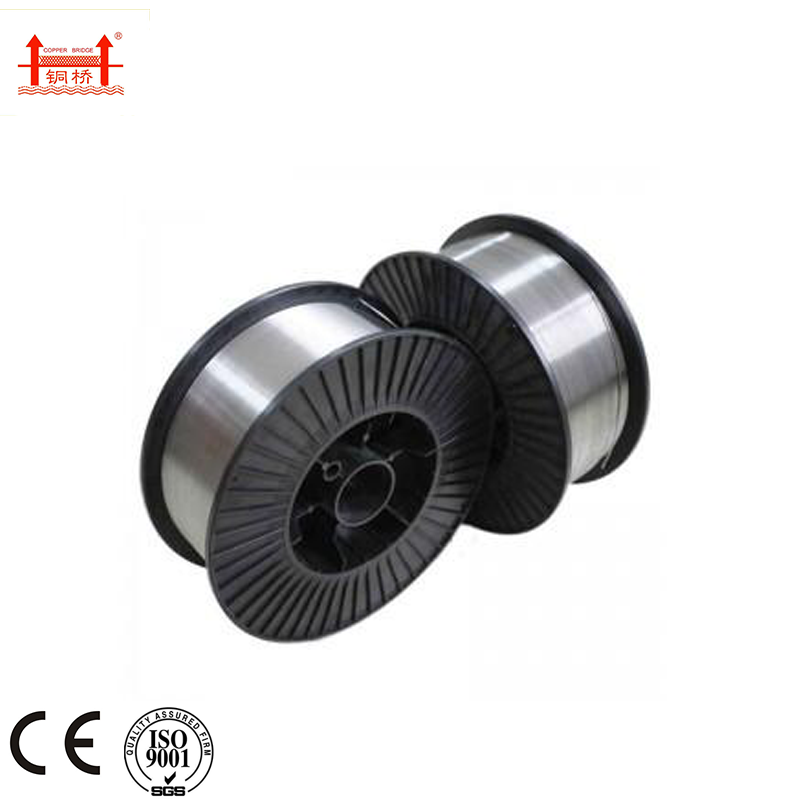
Electrode wire welding offers continuous feeding, which is essential for automation. It provides superior speed, consistency, and reduced spatter compared to manual stick welding.

Can a normal welding rod be used for high-tensile steel structures?

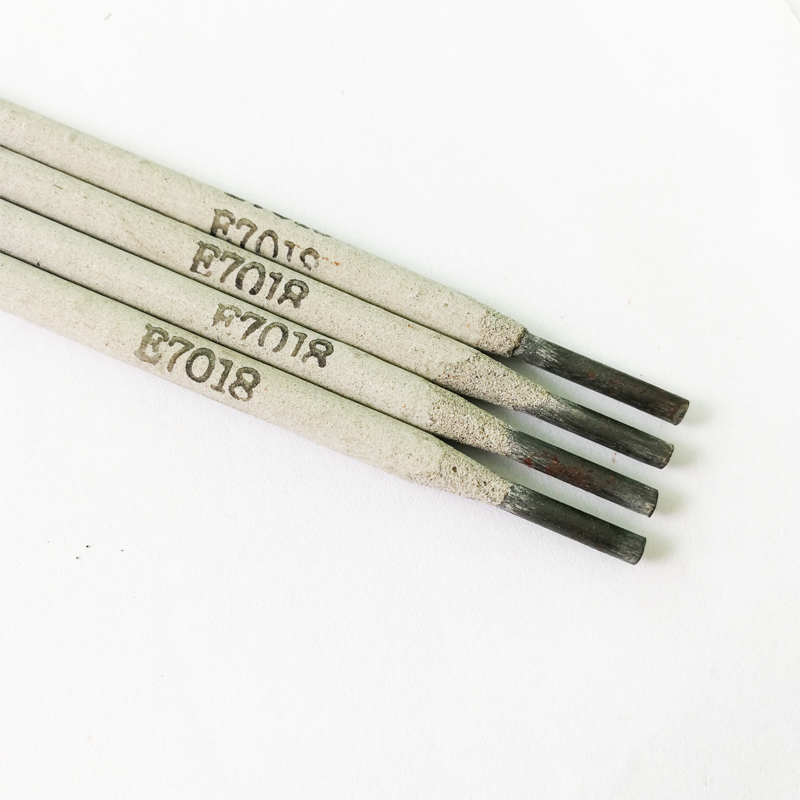
A standard normal welding rod is intended for mild steel. For high-tensile structures, we recommend our low-hydrogen series to prevent cold cracking and ensure structural integrity.

How do cutting welding rods differ from standard consumables?

Cutting welding rods are optimized for specific precision and separation tasks, offering better control over the heat-affected zone (HAZ) to prevent material deformation.

What certifications do your welding materials hold for the South Korean market?

Our products comply with AWS (American Welding Society) and ISO standards, ensuring they meet the strict quality requirements of Korean shipbuilding and construction regulators.

Request a Technical Consultation

Our engineers are ready to optimize your welding processes in South Korea with high-performance materials.

Contact Us Now

If you are interested in our products, you can choose to leave your information here, and we will be in touch with you shortly.


en_USEnglish