




Mechi . 24, 2026
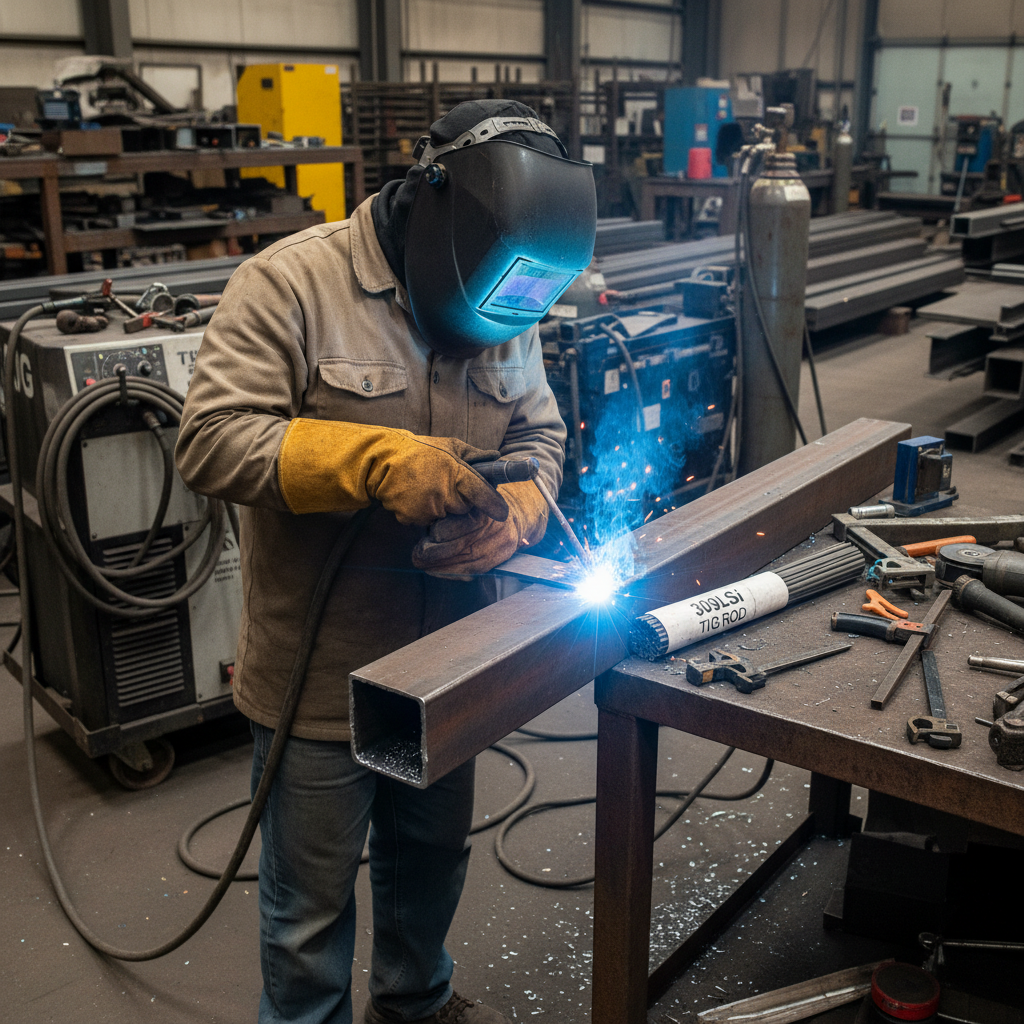
Comprehensive Guide to 309LSI TIG Rod Welding Applications and Best Practices
The 309LSI TIG rod is a versatile welding consumable widely used across various industries for its exceptional corrosion resistance and weldability. This article will explore the properties, applications, advantages, and best practices associated with using 309LSI TIG rods. Whether you're a seasoned welding professional or new to the field, this guide will provide you with valuable insights into maximizing the performance and longevity of your welds. The 309LSI TIG rod is a stainless steel electrode specifically designed for Gas Tungsten Arc Welding (GTAW), commonly known as TIG welding. The "309LSI" designation indicates the alloy composition: 309 signifies the chromium-nickel content, 'L' denotes low carbon content for enhanced corrosion resistance, and 'SI' signifies stabilized with silicon for improved resistance to carbide precipitation during welding.
Mechi . 21, 2026
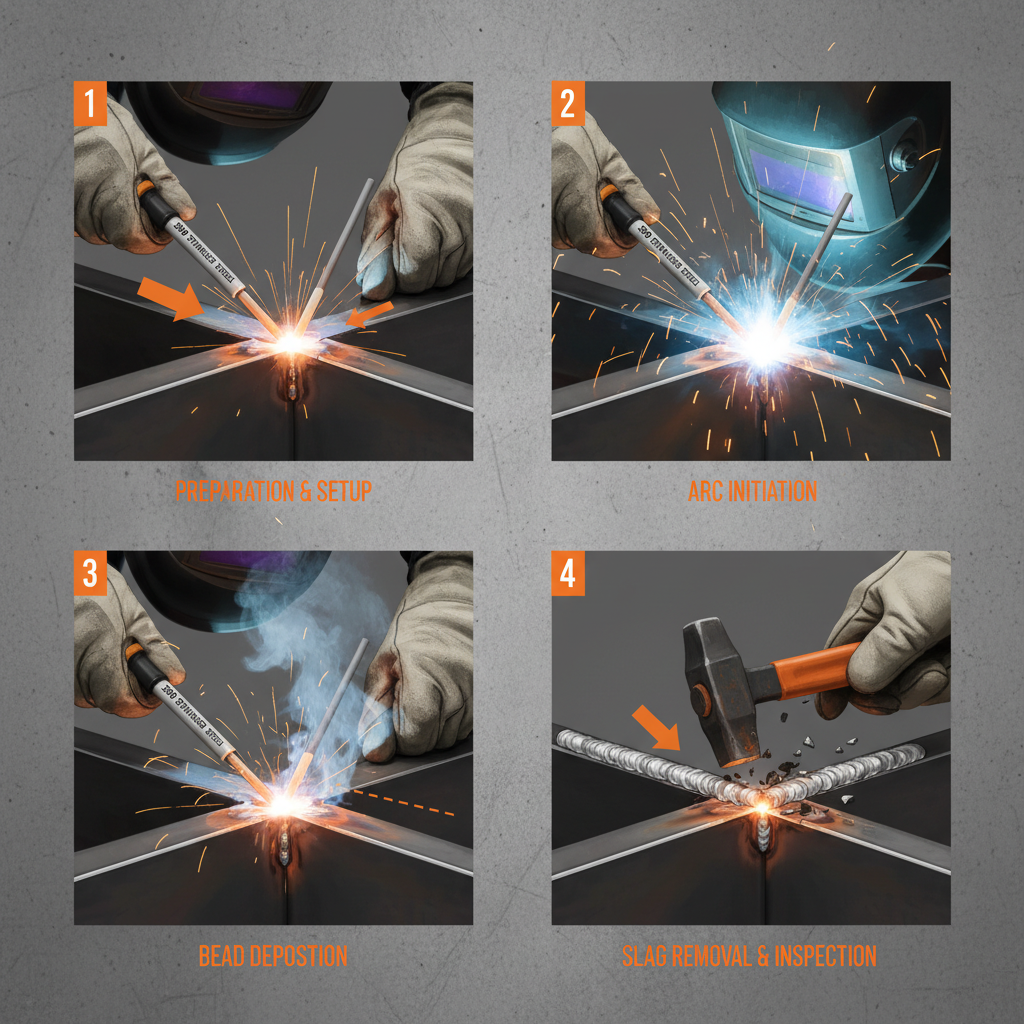
Comprehensive Guide to 309 Rod Welding Applications and Benefits
The 309 rod is a versatile welding electrode widely used in various industrial applications. This stainless steel welding rod is known for its excellent corrosion resistance and its ability to weld dissimilar metals. This article provides an in-depth exploration of the 309 rod, covering its composition, applications, benefits, and how to choose the right one for your specific needs. Choosing the appropriate welding rod can significantly impact the quality and longevity of your welds, and the 309 rod offers a robust solution for a range of challenging welding projects. The 309 rod is an austenitic stainless steel electrode designed for welding stainless steel to carbon steel, and for cladding purposes. It contains approximately 8% Chromium and 18% Nickel, giving it excellent corrosion resistance. Its low carbon content minimizes carbide precipitation, which can lead to weld decay. This makes it ideal for applications where corrosion is a significant concern. The rod’s composition promotes a smooth, stable arc and produces ductile, crack-free welds. You can explore the full range of stainless steel welding electrodes at Jinlong Welding Electrode.
Mechi . 19, 2026
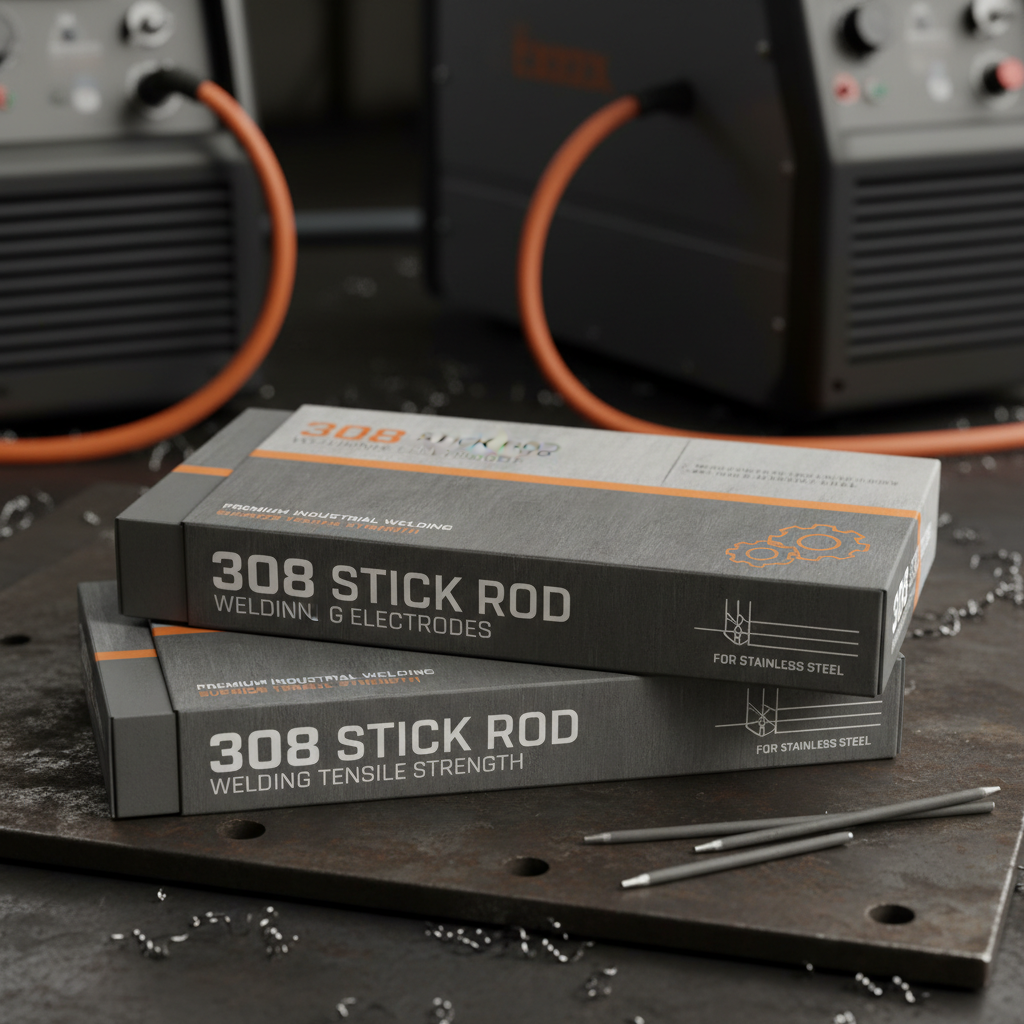
Comprehensive Guide to 308 Stick Rod Welding Techniques and Applications
The 308 stick rod, also known as a 308L welding electrode, is a versatile and widely used welding consumable. Its popularity stems from its ability to weld similar base metals, particularly austenitic stainless steels. This guide provides an in-depth look at the 308 stick rod, covering its composition, applications, benefits, and crucial considerations for optimal welding performance. Whether you're a seasoned welder or new to the field, understanding the properties of this rod will improve the quality and durability of your stainless steel welding projects. The 308 stick rod is an alloy primarily composed of chromium and nickel, with a relatively low carbon content. This composition is key to its excellent corrosion resistance and weldability. The chromium content typically ranges from 18-20%, while the nickel content is around 8-10%. The low carbon content (typically less than 0.08%) minimizes carbide precipitation during welding, which could compromise corrosion resistance. This makes the 308 stick rod ideal for welding components exposed to harsh environments.
Mechi . 17, 2026
Comprehensive Guide to 307 Welding Rod and Its Diverse Applications
The 307 welding rod is a versatile and essential component in various welding applications, particularly when working with stainless steel. Its unique composition provides exceptional corrosion resistance and weld strength. This article will delve into the properties, applications, selection criteria, and best practices for using 307 welding rods, offering valuable insights for welders and professionals. We'll explore why choosing the right welding rod like the 307 stainless steel electrode is crucial for high-quality, long-lasting welds. A 307 welding rod is a type of stainless steel electrode specifically designed for welding austenitic stainless steels. It contains a higher chromium and nickel content than many other stainless steel rods, resulting in superior corrosion resistance, particularly in harsh environments.
Mechi . 14, 2026
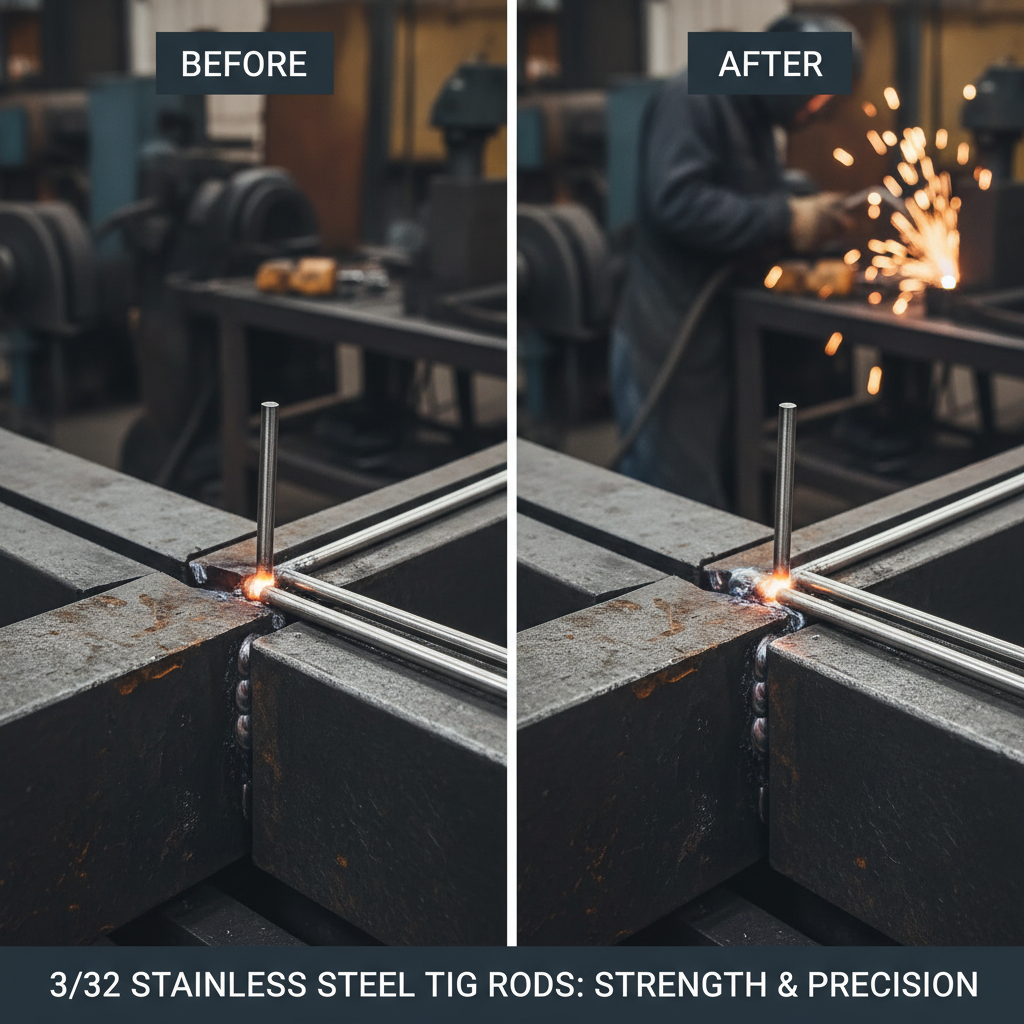
Superior Welding Performance with High Quality 3 32 Stainless Steel TIG Rods
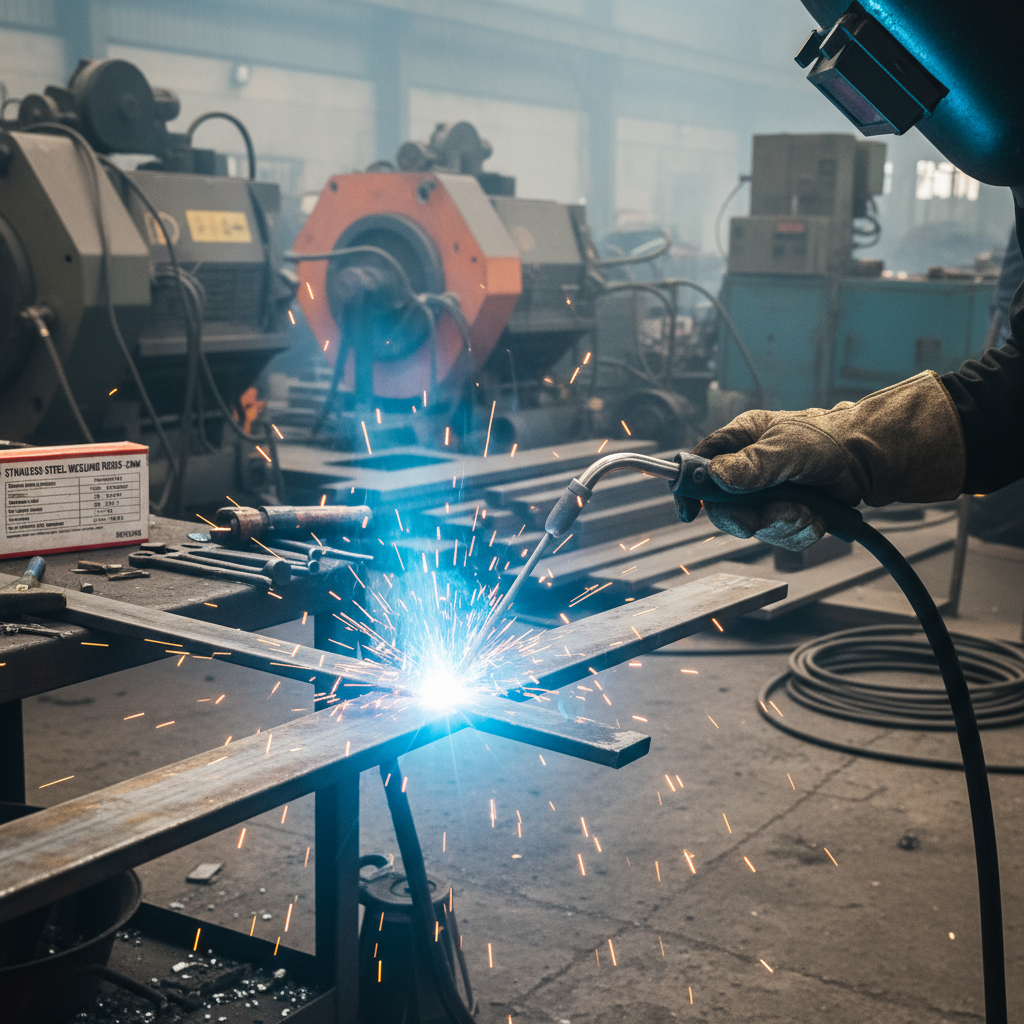
When seeking high-quality welding consumables, 3 32 stainless steel TIG rods stand out as a versatile and reliable choice for a wide range of applications. These rods are critical for achieving precise, clean welds in stainless steel projects. This article will provide a comprehensive overview of 3 32 stainless steel TIG rods, covering their applications, benefits, specifications, and how to choose the right rod for your specific welding needs. Proper selection and technique are key to maximizing weld quality and longevity. 3 32 refers to the diameter of the welding rod, measuring 0.032 inches or approximately 0.81 millimeters. TIG (Tungsten Inert Gas) welding, also known as GTAW (Gas Tungsten Arc Welding), is a welding process that uses a non-consumable tungsten electrode to produce the weld. The stainless steel composition of the rod provides excellent corrosion resistance and strength. These rods are commonly used for welding 304, 304L, 316, and 316L stainless steels. They offer exceptional control and precision, making them ideal for intricate welds and critical applications.
Mechi . 12, 2026
Comprehensive Guide to 2mm Stainless Steel Welding Rod for Superior Welds
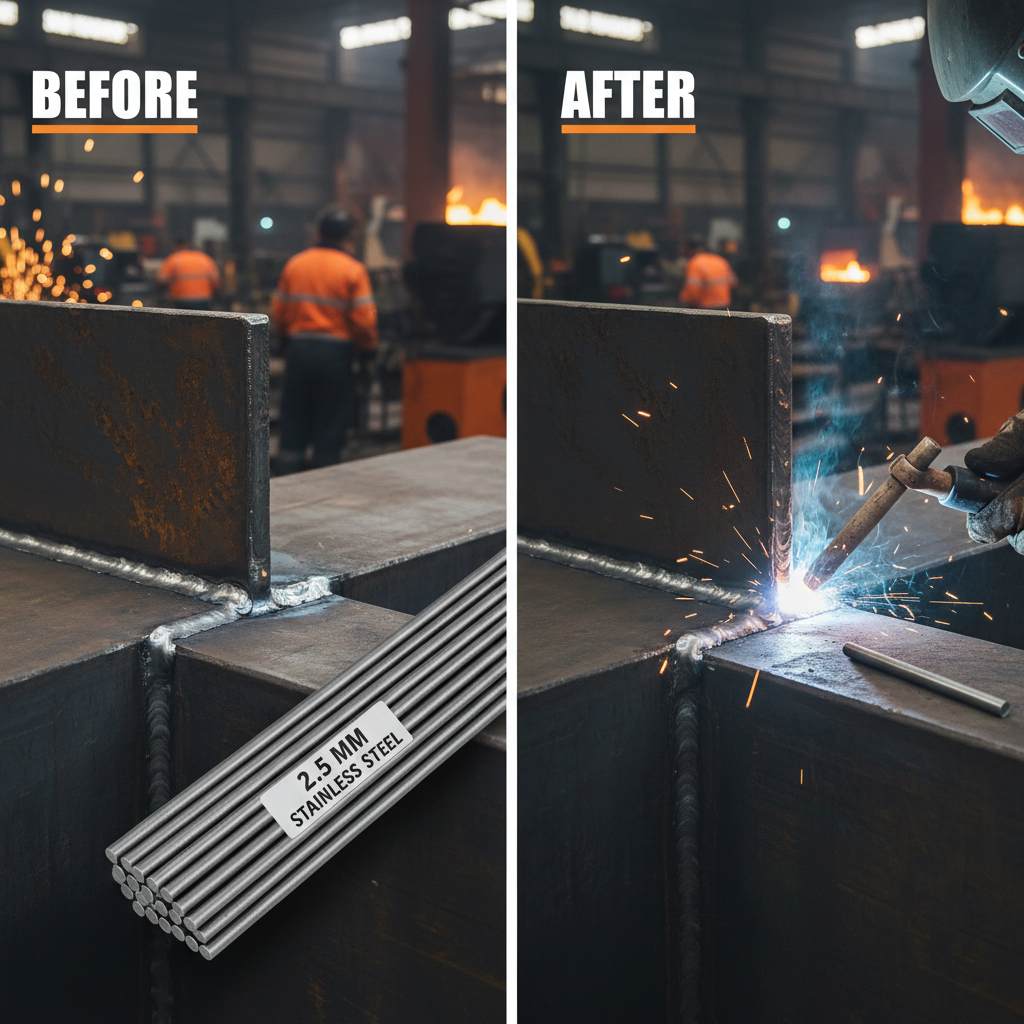
When it comes to welding, selecting the right electrode is crucial for achieving strong, durable, and aesthetically pleasing welds. A 2mm stainless steel welding rod is a popular choice for a wide range of applications, offering excellent corrosion resistance and versatility. This article provides a comprehensive guide to understanding 2mm stainless steel welding rods, including their properties, applications, selection criteria, and best practices for use. We'll explore how choosing the right rod can significantly improve weld quality and longevity. 2mm stainless steel welding rods are specifically designed for welding stainless steel materials. They typically contain alloying elements like chromium, nickel, and molybdenum, which contribute to their exceptional corrosion resistance. The 2mm diameter is a common size for general-purpose welding tasks, offering a good balance between deposition rate and weld penetration. These rods are available in various types, such as E308L-16, E309L-16, and E316L-16, each suited for different stainless steel grades and welding positions.
Mechi . 11, 2026
Comprehensive Guide to 2.5 Stainless Steel Welding Rods and Their Applications
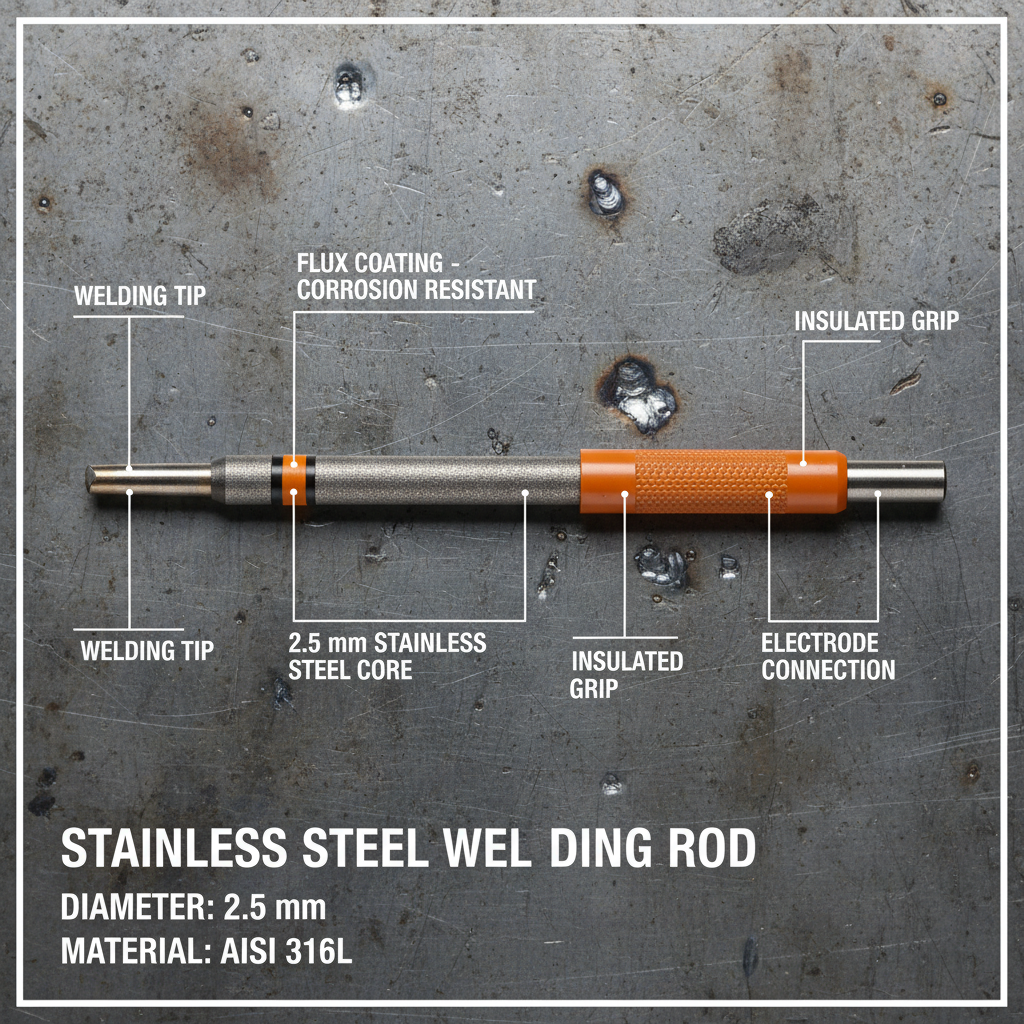
When it comes to welding projects requiring corrosion resistance and durability, 2.5 stainless steel welding rods are a crucial component. These rods are widely used across various industries, from fabrication and repair to construction and manufacturing. This article provides a detailed overview of these rods, covering their applications, types, advantages, and how to choose the right one for your specific needs. Understanding the nuances of these rods ensures strong, reliable, and long-lasting weld joints. 2.5 stainless steel welding rods, also known as electrodes, are metallic consumables used to join stainless steel materials through the welding process. The "2.5" refers to the diameter of the rod in millimeters. These rods are designed to melt and fuse with the base metal, creating a strong and corrosion-resistant weld. They are available in various types, each formulated with different alloys to achieve specific properties and cater to diverse welding applications. The choice of rod depends heavily on the type of stainless steel being welded and the desired characteristics of the weld joint.
Mechi . 10, 2026
Comprehensive Guide to 2.5 mm Stainless Rod Applications and Benefits
2.5 mm stainless steel rod is a versatile material finding widespread use across numerous industries. Its combination of corrosion resistance, strength, and formability makes it an ideal choice for diverse applications. This article will delve into the properties, common uses, benefits, and sourcing information for this critical component. Whether you're in manufacturing, construction, or a specialized field, understanding this material is essential. The 2.5 mm diameter is a common size offering a good balance between flexibility and strength. Typically made from 304 or 316 stainless steel, these rods exhibit excellent corrosion resistance, particularly in harsh environments. Stainless steel’s chromium content forms a passive layer, protecting the underlying metal. The tensile strength of this material is considerable, allowing it to withstand significant stress without deformation. Furthermore, it possesses good weldability, making it suitable for fabrication and joining processes.
Mechi . 09, 2026
Choosing the Right 1mm Stainless Steel Welding Rod for Optimal Weld Quality
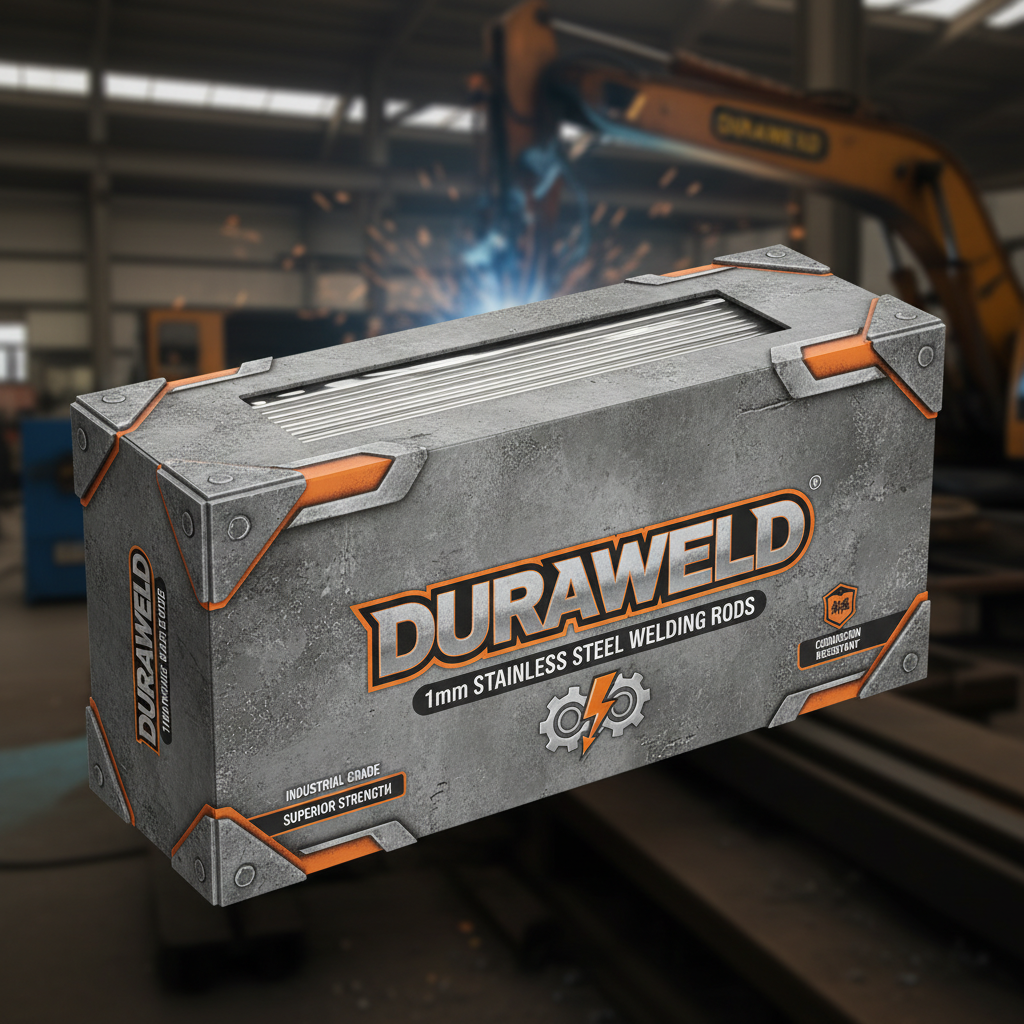
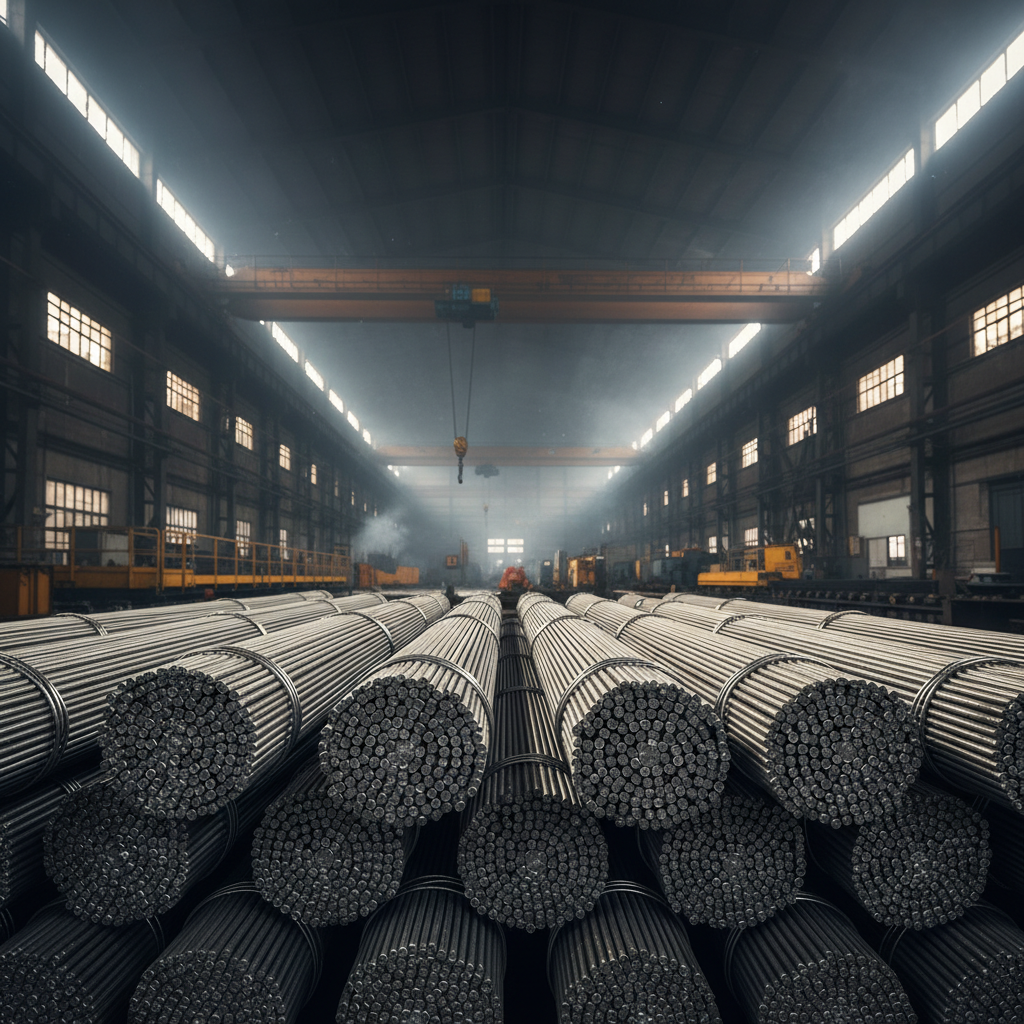
Selecting the correct welding rod is critical for achieving strong, durable, and aesthetically pleasing welds. A 1mm stainless steel welding rod offers precision and control, making it ideal for a wide range of applications, from delicate fabrication to repair work. This article explores the key considerations when choosing a 1mm stainless steel welding rod, covering different types, applications, and factors impacting weld quality. We'll also highlight how Jinlong Welding Electrode provides high-quality rods to meet your specific welding needs. Choosing the right rod can significantly impact the longevity and structural integrity of your projects. Stainless steel welding rods are specifically designed for joining stainless steel components. The 1mm diameter is particularly useful for thinner materials and projects requiring intricate welds. Different stainless steel alloys require specific rod compositions to maintain corrosion resistance and mechanical properties.
Mechi . 08, 2026
Comprehensive Guide to 1.6 mm Stainless Steel Rod Applications and Benefits
1.6 mm stainless steel rod is a versatile material widely used across diverse industries due to its excellent corrosion resistance, strength, and formability. It’s a critical component in applications ranging from medical devices to construction, and precision engineering. This article will explore the properties, common applications, manufacturing processes, and benefits of using 1.6 mm stainless steel rod, providing a comprehensive guide for engineers, manufacturers, and anyone interested in this essential material. Understanding the specifics of stainless steel grades and choosing the right rod for your application is key to success. The properties of 1.6 mm stainless steel rod make it ideal for a broad range of applications. Its primary advantage lies in its corrosion resistance, stemming from the chromium content within the alloy. This resistance extends to various environments, including exposure to water, chemicals, and extreme temperatures. Additionally, the rod exhibits excellent tensile strength, meaning it can withstand significant pulling forces without breaking. It's also relatively easy to machine, weld, and form, offering manufacturing flexibility. Different grades of stainless steel, such as 304 and 316, offer varying levels of corrosion resistance and strength – factors crucial to consider when selecting the appropriate rod.
Mechi . 07, 2026
Optimal Welding Performance with Stainless Filler Rod on Mild Steel Applications
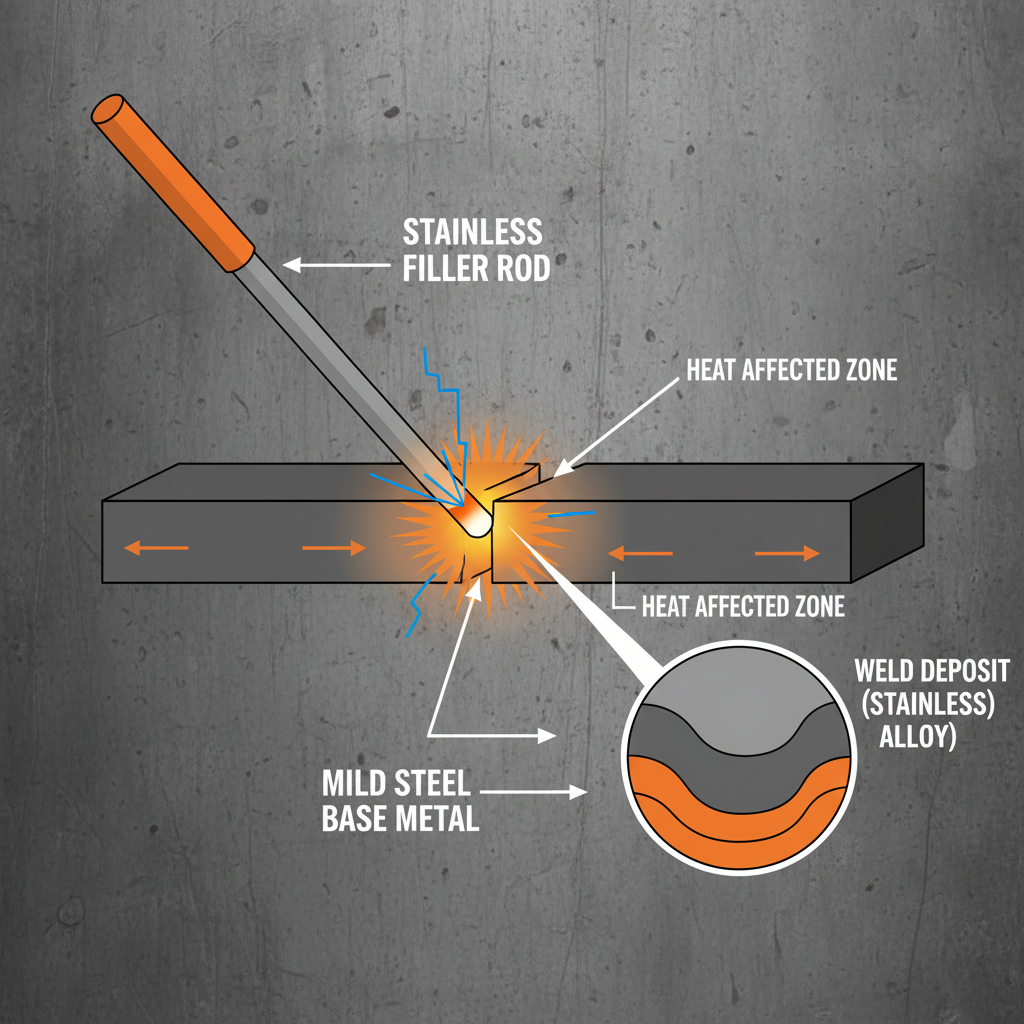
Welding stainless steel filler rod to mild steel is a common practice in many industries, offering a cost-effective solution while achieving desirable properties. However, selecting the appropriate filler rod is crucial for ensuring a strong, corrosion-resistant weld. This article will delve into the considerations, benefits, and best practices for using stainless filler rod on mild steel, providing valuable insights for welders and engineers. We will explore various rod types, applications, and potential challenges to help you achieve optimal welding results. Using a stainless steel filler rod when welding mild steel offers several advantages. Primarily, it enhances the corrosion resistance of the weld area. While mild steel is susceptible to rust, the stainless steel filler introduces chromium, which forms a protective oxide layer, preventing corrosion. This is particularly beneficial in environments exposed to moisture, chemicals, or other corrosive agents. Additionally, stainless steel filler rods often provide improved weld appearance, strength, and ductility compared to using solely mild steel filler.
Mechi . 06, 2026
Expert Guide to Selecting the Right Welding Stick Stainless Steel Electrodes
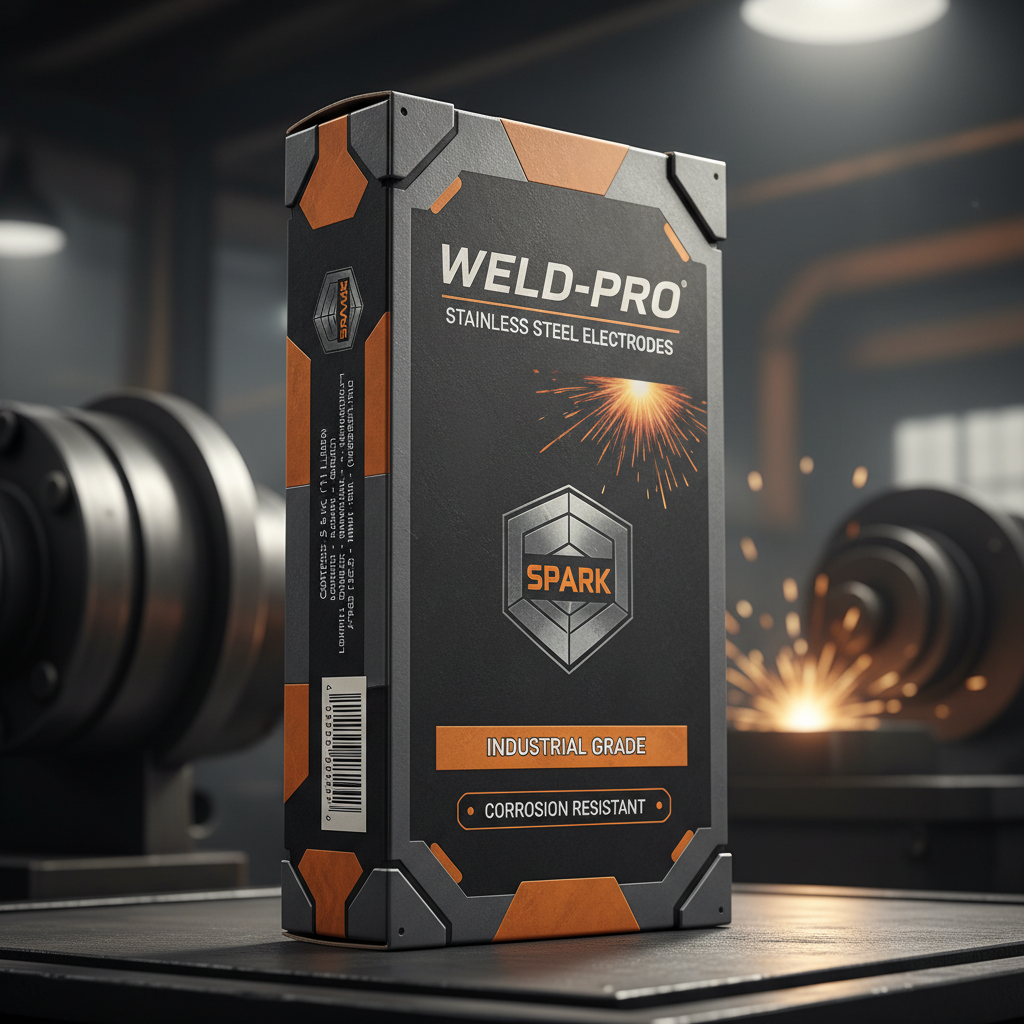
Selecting the appropriate welding stick stainless steel electrode is crucial for achieving high-quality, durable welds. Stainless steel welding demands specific electrode compositions to maintain corrosion resistance and mechanical properties. This article will guide you through the key considerations when choosing stainless steel welding sticks, covering different types, applications, and factors influencing your decision. Proper electrode selection directly impacts the longevity and integrity of your welded structures. We'll explore how to match the electrode to your specific stainless steel grade and welding requirements. Stainless steel welding electrodes are categorized based on their alloy composition and intended applications. Common types include E308, E309, E316, and E347. The 'E' designates an electrode for shielded metal arc welding (SMAW), also known as stick welding. The numbers following 'E' indicate the chemical composition and usability characteristics. For example, E308 electrodes are widely used for welding 304 and 304L stainless steels, while E316 electrodes are ideal for welding 316 and 316L stainless steels, offering enhanced corrosion resistance due to molybdenum content.

Habari Zinazohusiana

2026-11-04 02:40:06
How to Choose Copper Coated Mild Steel Wire for MIG Welding
Choose copper coated mild steel wire by base metal, AWS ER70S-6 diameter, welding setup, feedability, and spatter requirements.
2026-10-30 11:59:25
Is Flux Core Better Than MIG? FAQ for E71T-GS Welding Wire
Is flux core better than MIG? Compare documented E71T-GS self-shielded flux core wire with gas-shielded MIG solid wire by application, polarity, diameters, shielding, and mechanical data.
2026-10-27 23:20:02
Gas Shielded Welding Wire Selection Guide: Application Fit and Specification Checks
Compare CB-ER50-3 through CB-ER60-G gas shielded welding wire grades by tensile class, plate thickness, and industry application. Specification tables and a pre-order checklist included.
2026-10-27 23:18:34
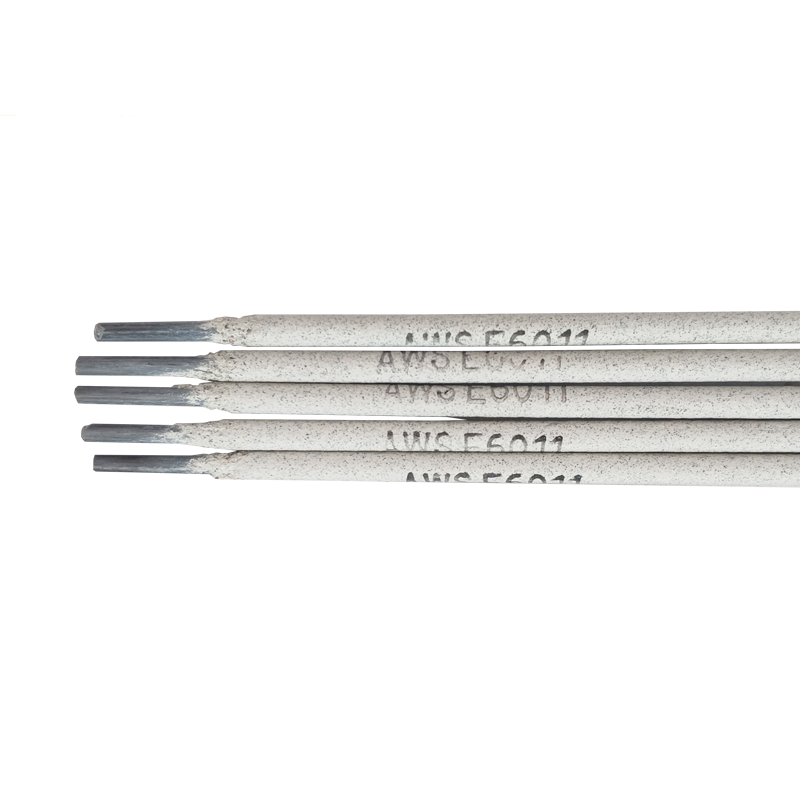
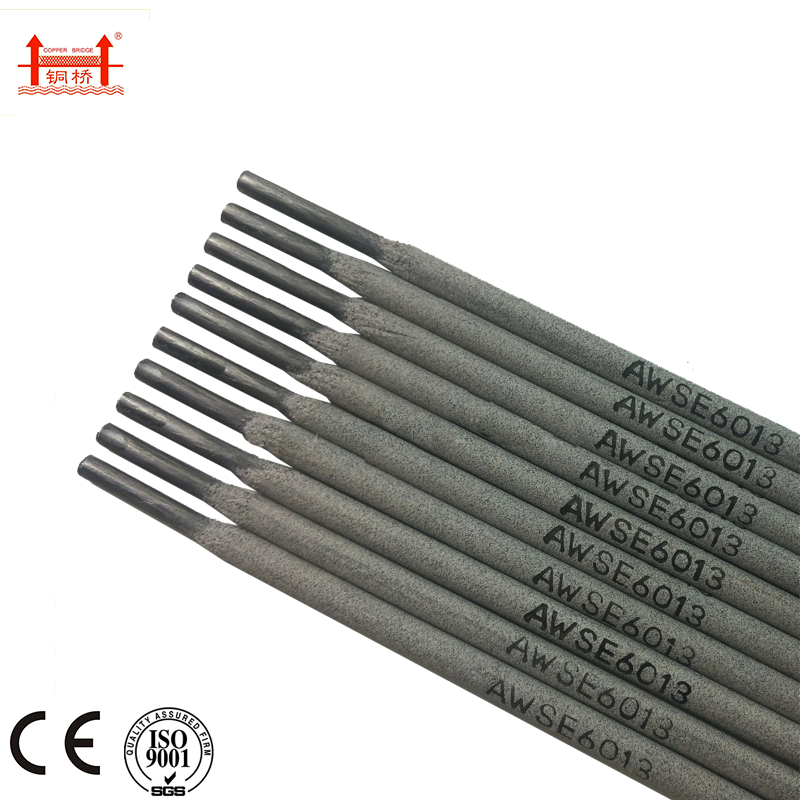
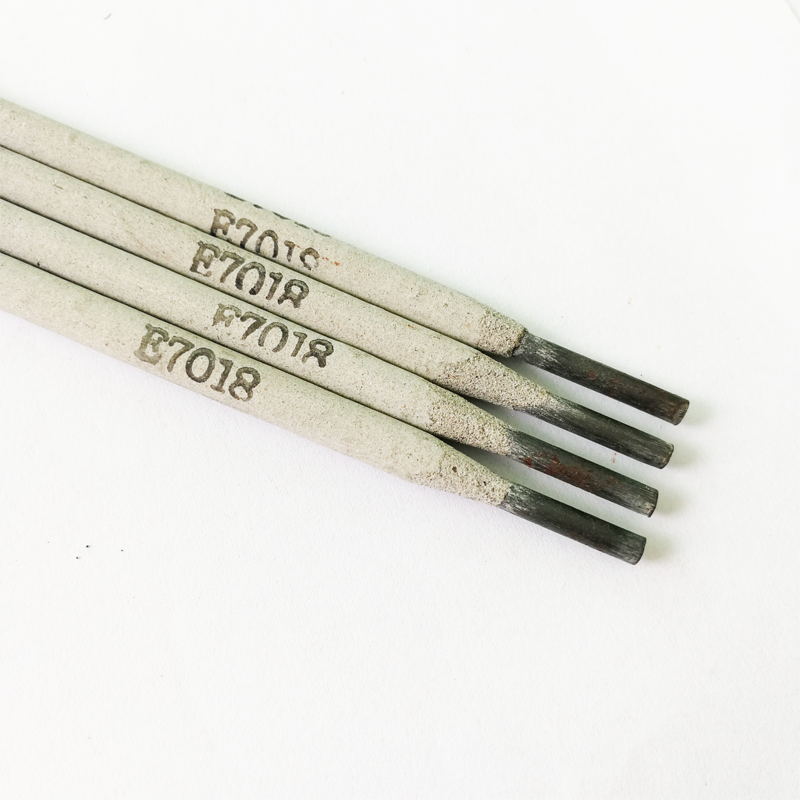
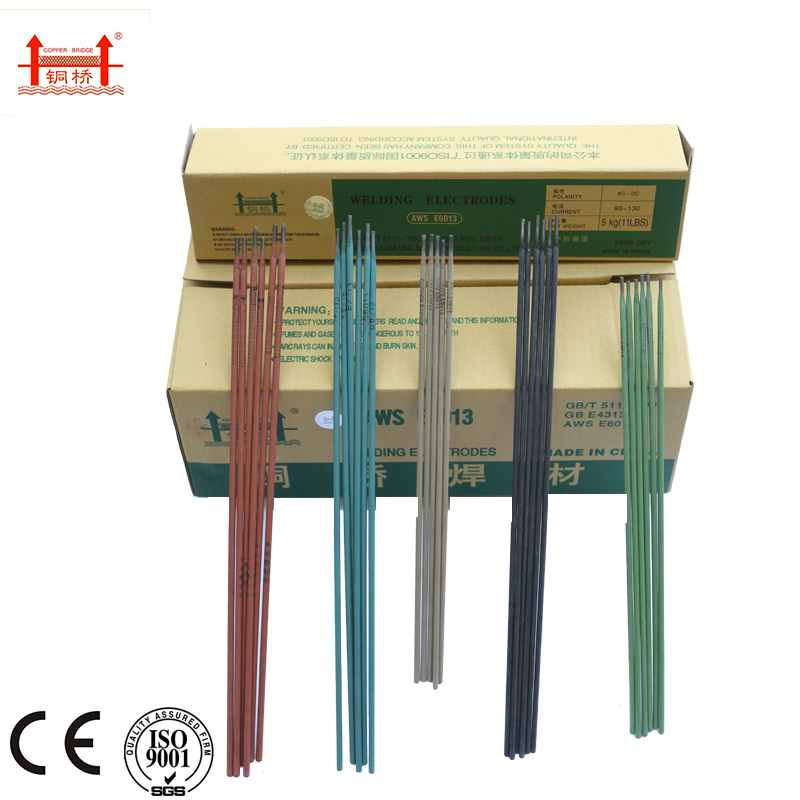
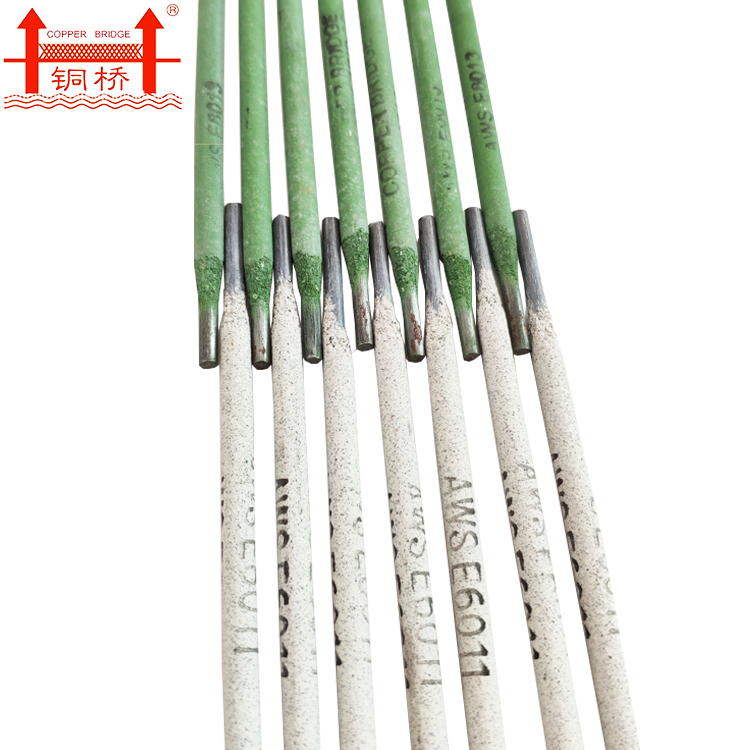
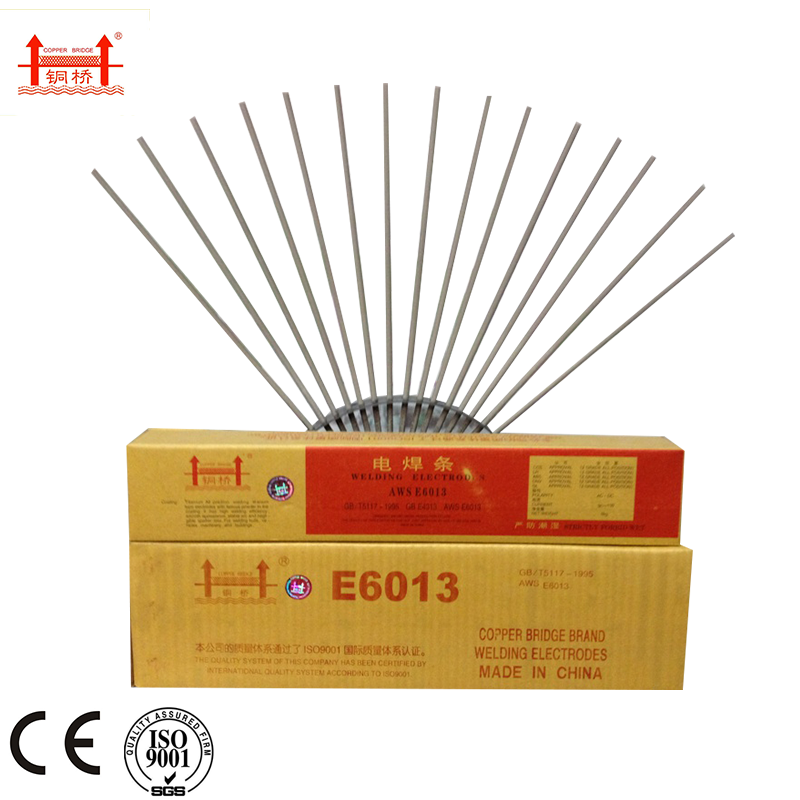
Choosing Copper Bridge Welding Electrodes 6013 6011 7018: Application Fit and Specification Checks
Compare application fit and specifications for Copper Bridge Welding Electrodes 6013 6011 7018. Learn which diameter suits your plate thickness, position requirements, and material grade before ordering from Dingzhou Jinlong Metal Production Co., Ltd.
2026-10-22 23:27:30
Stainless Steel Electrode Price Comparisons: Choosing E316L-16 by Application Fit and Specification Checks
Compare stainless steel electrode price quotes like-for-like: check the published E316L-16 classification, 2.5 to 5.0 mm diameters, AC/DC use, chemistry and strength, and when E347-16 fits instead.
2026-07-01 09:32:39
Comprehensive Guide to Selection of Types of Welding Rods PDF
Selecting the correct filler metal is the cornerstone of any successful welding project. Whether you are working on heavy-duty carbon steel pipelines or intricate structural components, understanding the various types of welding rods pdf resources is essential for ensuring weld integrity and structural safety. The choice of electrode affects not only the strength of the joint but also the ease of penetration and the final appearance of the bead. In this comprehensive guide, we will explore the technical specifications of high-performance rods, such as the CB-J425, to help you optimize your manufacturing process.
2026-06-29 16:50:39
Comprehensive Guide to Types of Welding Rods and Uses PDF
Comprehensive Guide to Types of Welding Rods and Uses PDF Selecting the correct filler metal is the most critical step in ensuring the structural integrity and corrosion resistance of any welded joint. For professionals seeking a detailed types of welding rods and uses pdf , understanding the distinction between various alloys is essential. Whether you are working with chromium stainless steel for power plants or chromium-nickel variations for medical machinery, the choice of electrode directly impacts the welds longevity. In this guide, we analyze the technical specifications and industrial applications of high-performance welding electrodes to help you achieve precision and durability in every bead.
2026-06-27 15:42:52
Guide to Types of Welding Electrodes and Their Uses PDF Manual
Understanding Types of Welding Electrodes and Their Uses PDF Guide Selecting the correct filler metal is critical for the structural integrity and longevity of any welded joint. Whether you are working in power plants, chemical processing, or petroleum equipment, knowing the types of welding electrodes and their uses pdf documentation provides the necessary technical foundation to avoid common failures like cracking or corrosion. Chromium stainless steel and chromium-nickel alloys offer specialized resistance to oxidizing acids and high temperatures, but they require precise handling. This guide explores the technical specifications and application methods for high-performance electrodes to ensure professional-grade welding results.

 Swahili
 Arabic
 Bengali
 China
 English
 French
 German
 Hausa
 Indonesian
 Italian
 Japanese
 Javanese
 Malay
 Persian
 Portuguese
 Punjabi
 Russian
 Spanish
 Telugu
 Vietnamese