Industrial Welding Solutions for Zambia: High-Performance electrode wire welding

Empowering Zambian mining and construction infrastructure with precision-engineered welding materials designed for extreme durability and efficiency.

Industrial Welding Solutions for Zambia: High-Performance electrode wire welding

Providing a comprehensive range of welding consumables tailored to the rigorous demands of Zambia's industrial landscape, from copper belt mining to urban infrastructure development.

The State of Welding Metallurgy in Zambia

Analyzing the intersection of environmental challenges and industrial needs in the Southern African region.

In Zambia, the welding industry is heavily driven by the mining sector, particularly in the Copperbelt. The high humidity during the rainy season often complicates the storage of consumables, leading to a critical demand for wet welding electrodes that can maintain structural integrity under challenging atmospheric conditions.

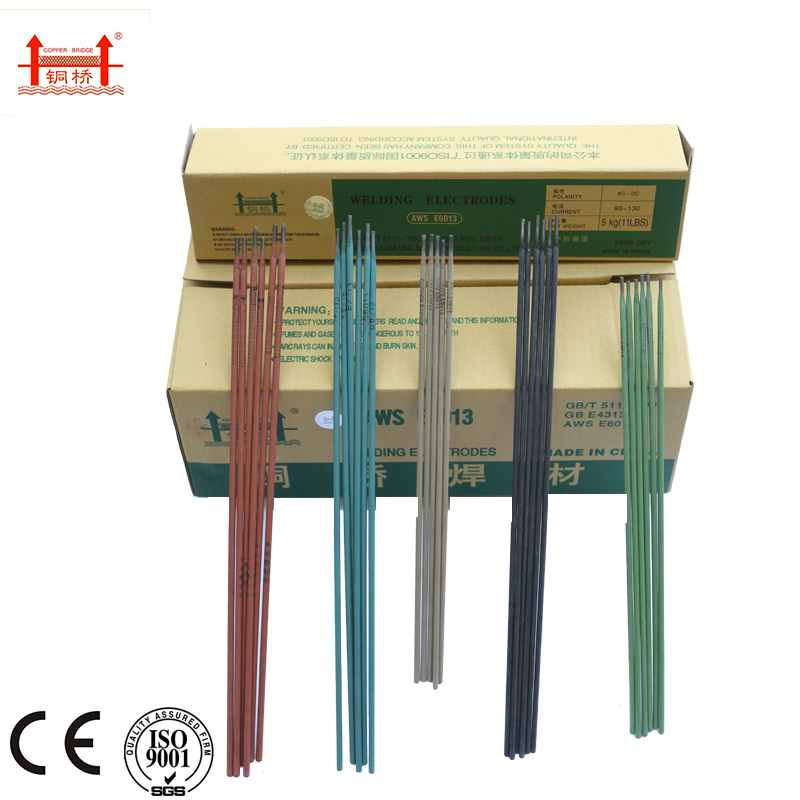
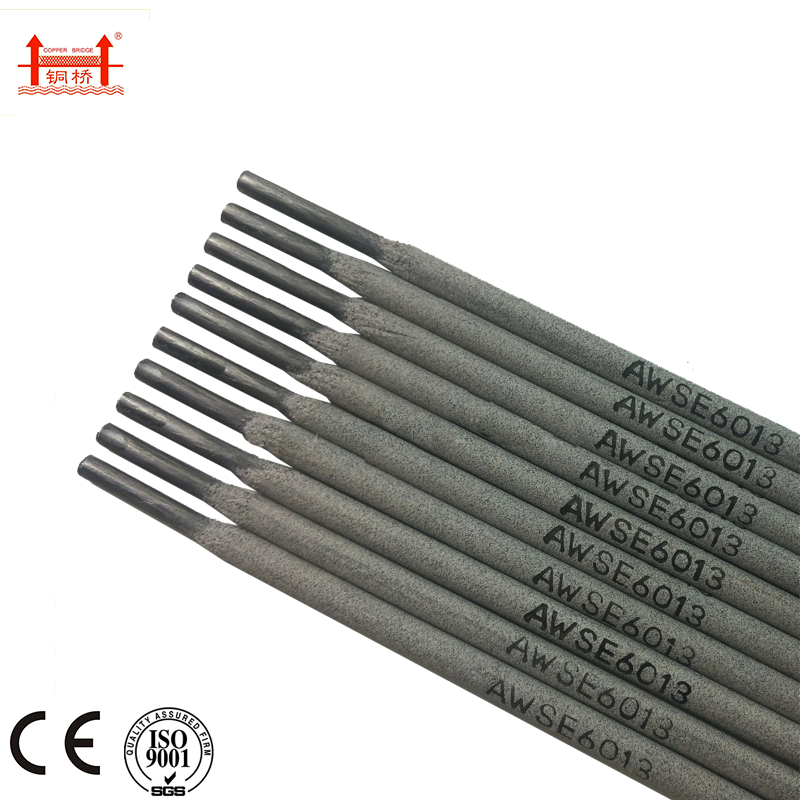
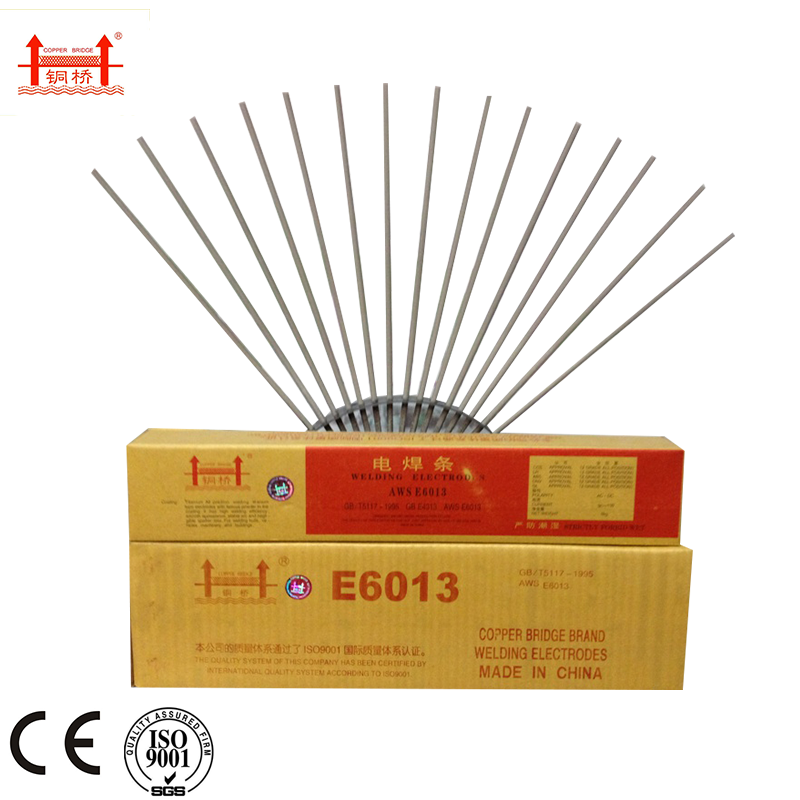
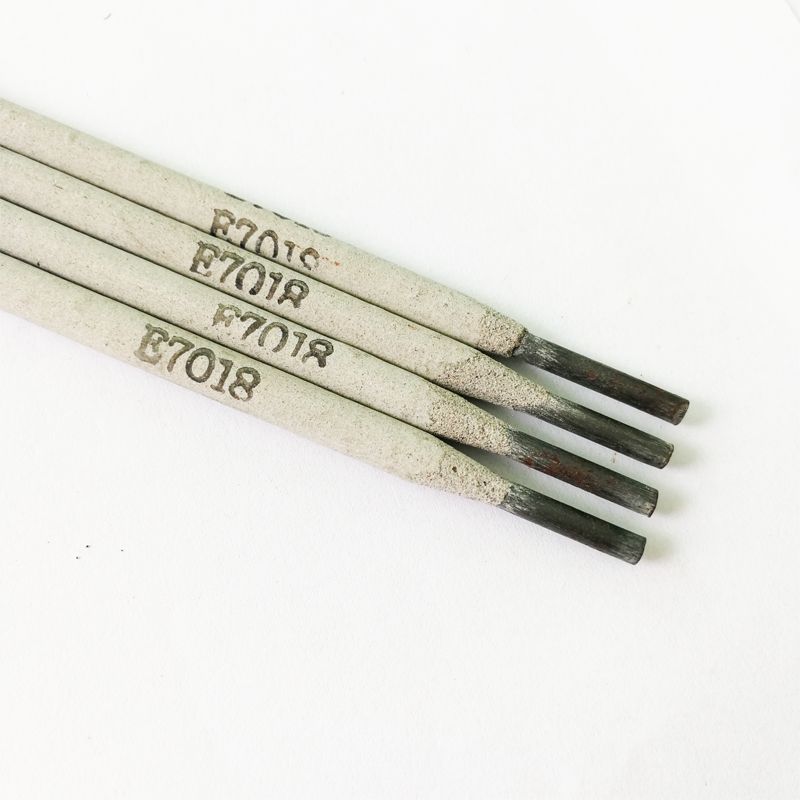
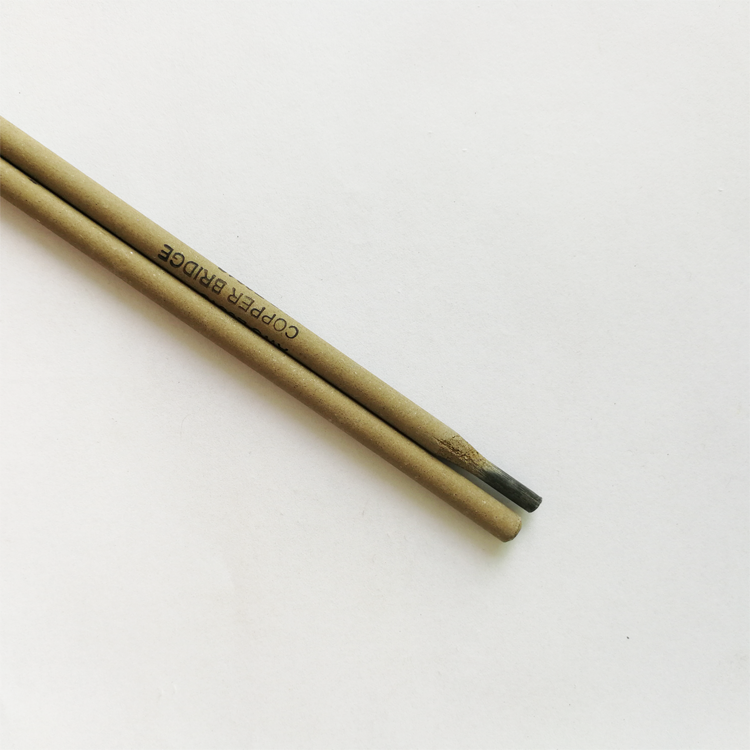
Many local workshops still rely on a normal welding rod for general repairs, but there is a growing shift toward specialized materials. The rugged nature of mining equipment requires heavy-duty deposition rates, making the use of a big welding rod essential for repairing thick-walled excavator buckets and crusher plates.

Economic growth in Lusaka and Kitwe has spurred a need for more precise fabrication. This has increased the adoption of advanced cutting welding rods for complex steel structures, ensuring that Zambian manufacturing meets international safety and quality standards.
Technical Evolution of Zambian Welding Materials

From traditional manual arc welding to automated industrial processes.

Market Development History

Between 1990 and 2010, the Zambian market was dominated by basic shielded metal arc welding (SMAW) using generic electrodes. Most operations focused on simple maintenance, where a standard rod was sufficient for basic joining.

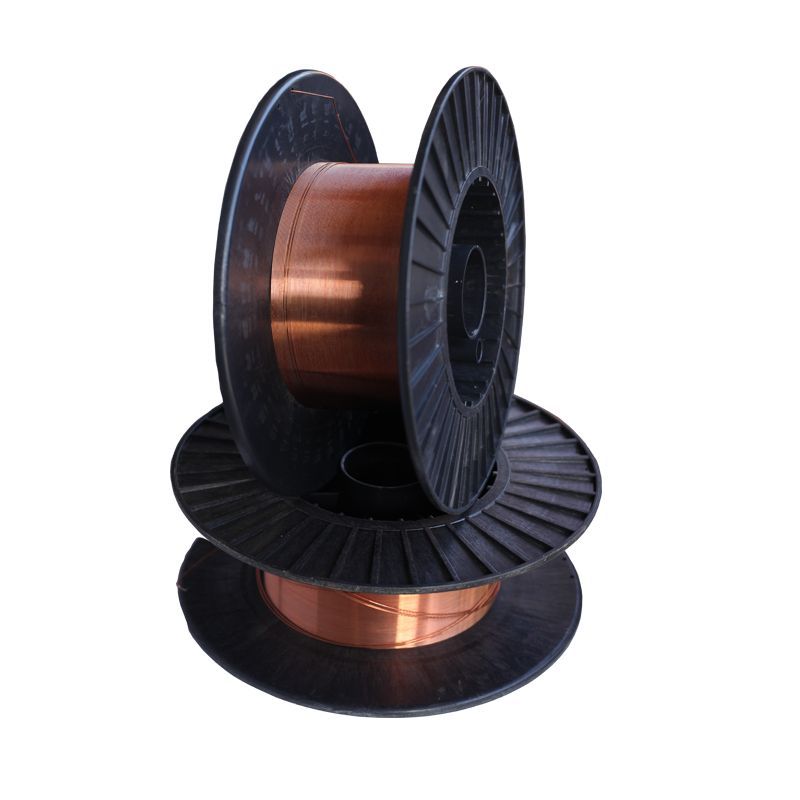
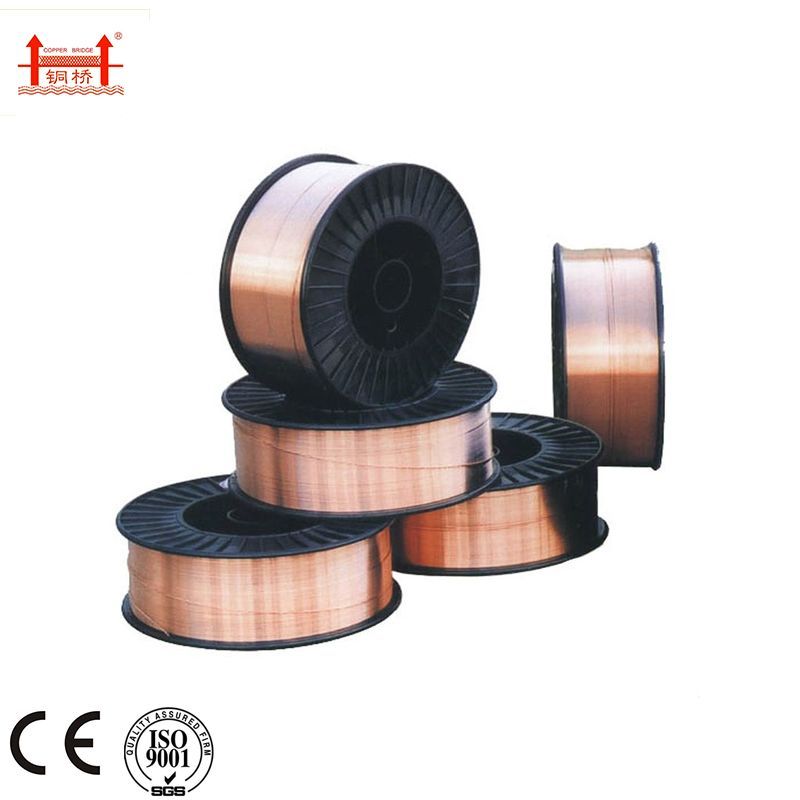
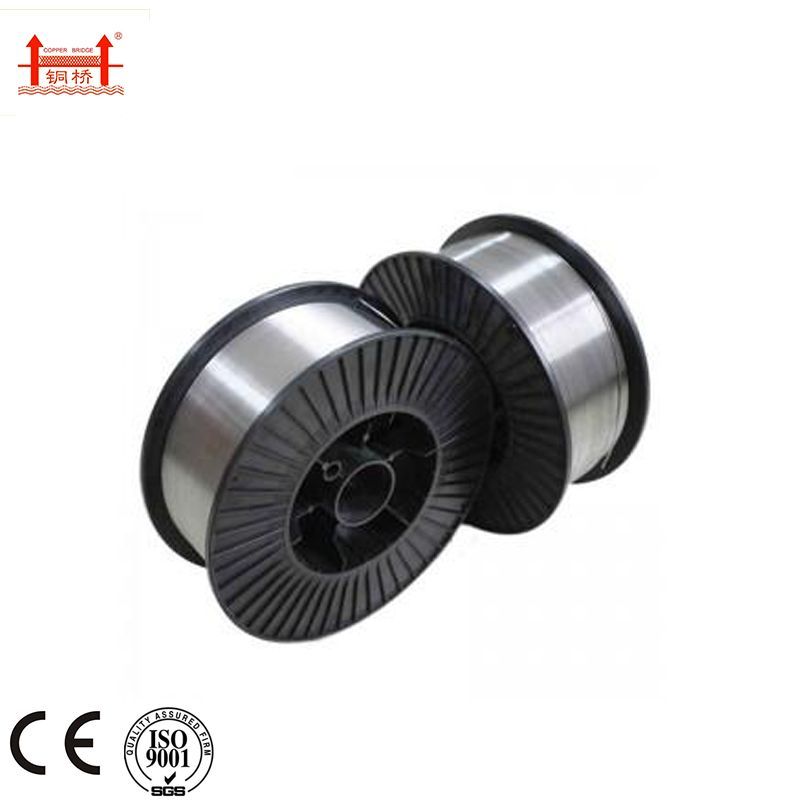
From 2010 to 2020, the influx of foreign investment in mining led to the introduction of semi-automatic processes. This era saw the rise of electrode wire welding (MIG/MAG), which significantly increased the speed of production in heavy machinery fabrication.

Since 2020, there has been a specialized focus on "extreme environment" welding. The industry now prioritizes moisture-resistant coatings and high-tensile strength materials to combat the corrosive effects of mineral processing chemicals.

Future Development Trends

Automation and Robotics

Integration of robotic arms in Lusaka's fabrication hubs to reduce human error and increase the precision of high-volume welds.

Eco-Friendly Flux Formulations

A shift toward low-smoke and low-fume electrodes to comply with emerging health and safety regulations in Zambian industrial zones.

High-Deposition Alloys

Increased demand for specialty alloys that offer superior wear resistance for the heavy-duty mining equipment prevalent in the region.

Industrial Trends and Future Outlook for Zambia

Strategic projections for the next 3-5 years based on regional search and economic data.

Smart Consumable Tracking
Implementing IoT-based inventory systems to monitor the moisture levels of electrodes in humid Zambian warehouses.
Hybrid Welding Tech
Combining traditional arc welding with laser technology for faster fabrication of mining infrastructure.
Carbon Footprint Reduction
Development of energy-efficient electrodes that reduce power consumption during large-scale projects.
Localized Production
Establishing regional distribution centers to ensure just-in-time delivery of welding materials.

Industry Outlook

As Zambia continues to diversify its economy beyond copper mining into agriculture and energy, the demand for versatility in welding materials will spike. We expect a surge in the use of high-performance cutting welding rods for the creation of modern silos and power plant frameworks.

Moreover, with the increasing focus on infrastructure resilience, the industry will move toward "zero-defect" welding. This will necessitate a shift from generic products to certified, high-grade materials that can withstand the thermal expansions typical of the Zambian climate.

Localized Application Scenarios in Zambia

Practical deployment of welding consumables across diverse Zambian sectors.

01. Copperbelt Mine Equipment Repair

Using a big welding rod to rebuild worn-out surfaces of heavy-duty mining trucks and conveyor belts in Kitwe, ensuring minimal downtime during production.

02. Lusaka Urban Infrastructure

Deployment of electrode wire welding for the rapid assembly of steel bridges and commercial building frames in the capital city.

03. Agricultural Machinery Maintenance

Application of normal welding rod for the repair of tractors and harvesting equipment in rural farming cooperatives across Central Province.

04. Underwater Pipe Fitting

Specialized use of wet welding electrodes for maintaining hydroelectric dam components and water pipeline systems.

05. Precision Tool Fabrication

Utilizing high-precision cutting welding rods to create custom industrial molds and cutting tools for local metal artisans.

Brand Story

Global Development History of Dingzhou Jinlong Metal Products Co., Ltd.

Foundation and Local Mastery

Established with a vision to redefine welding precision, we began by mastering the fundamental chemistry of electrode coatings to solve common porosity issues.

Technological Breakthroughs

We invested heavily in R&D to develop specialized alloys, enabling us to produce materials that perform under extreme temperature fluctuations.

Expanding Global Reach

By aligning with international ISO standards, we expanded our footprint into the African market, bringing world-class welding technology to Zambia.

Solving Industrial Pain Points

We focused on solving the "durability gap" in mining welding, ensuring our products can withstand the most abrasive environments on Earth.

Commitment to Sustainable Future

Today, we lead the way in developing eco-friendly welding consumables that protect both the welder and the environment.

Complete Welding Product Portfolio for Zambia

A curated selection of high-strength consumables designed for the African mining and construction sectors.

Zambia Welding Industry Common Questions

Expert answers to the most frequent technical challenges faced by local engineers.

How to prevent hydrogen cracking when using a normal welding rod in humid areas?

Proper baking of electrodes in a drying oven before use is critical. Ensure that rods are kept in heated quivers at the worksite to prevent moisture absorption.

What is the best electrode wire welding method for heavy mining machinery?

GMAW (Gas Metal Arc Welding) is recommended for its high deposition rate and efficiency, provided that the environment is shielded from wind.

When should I choose a big welding rod over smaller diameters for repair?

Use larger diameters for filling deep grooves or building up wear surfaces on heavy plates where heat input needs to be maximized for penetration.

Are wet welding electrodes safe for hydroelectric dam repairs in Zambia?

Yes, as long as they are specifically designed for wet environments. They feature specialized waterproof coatings to prevent arc instability.

Which cutting welding rods are most effective for high-carbon steel?

Rods with basic flux coatings are preferred for high-carbon steel to minimize the risk of cold cracking and improve mechanical properties.

How does the Zambian climate affect the shelf life of welding consumables?

High humidity can degrade the flux coating. We recommend vacuum-sealed packaging and climate-controlled storage for long-term inventory.

Ready to Upgrade Your Welding Capacity?

Our technical experts are ready to provide tailored material solutions for your projects across Zambia.

Contact Us Now

If you are interested in our products, you can choose to leave your information here, and we will be in touch with you shortly.


en_USEnglish