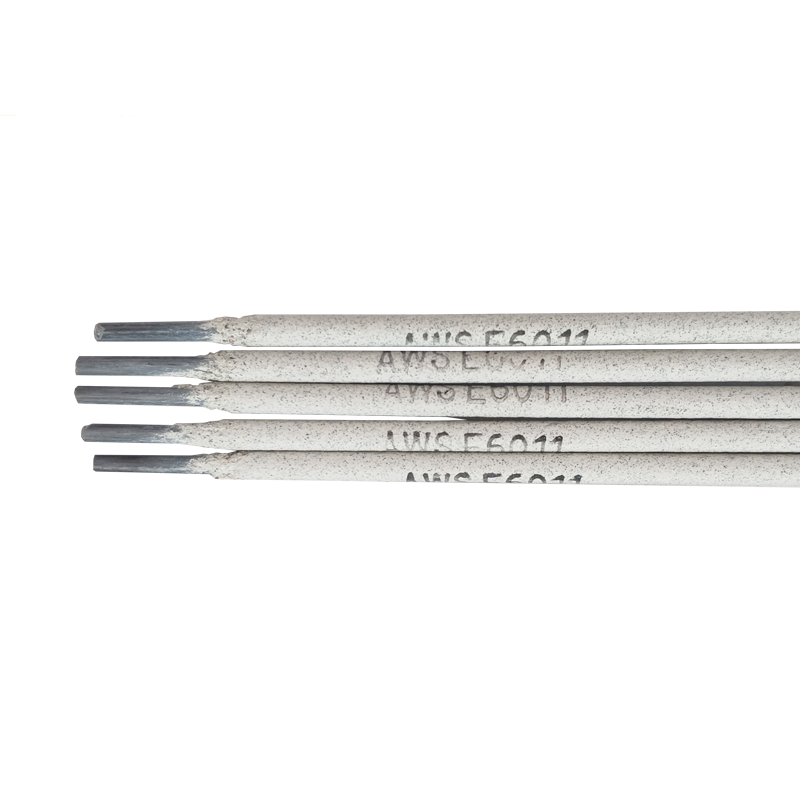
Industrial Welding Solutions for the Netherlands: Advanced electrode wire welding

Providing high-precision welding consumables and equipment tailored for the rigorous demands of Dutch maritime and heavy industrial engineering.

Industrial Welding Solutions for the Netherlands: Advanced electrode wire welding

We deliver specialized welding materials that ensure structural integrity and corrosion resistance for the Netherlands' unique infrastructure projects, from Rotterdam's ports to inland industrial hubs.

The State of Metal Fabrication in the Netherlands

Analyzing the demand for high-performance welding consumables in the Dutch market.

The Netherlands operates as a global logistics hub, with a massive emphasis on shipbuilding and offshore engineering. Due to the humid North Sea climate, there is a critical demand for wet welding electrodes that can maintain stability and weld quality under challenging moisture conditions.

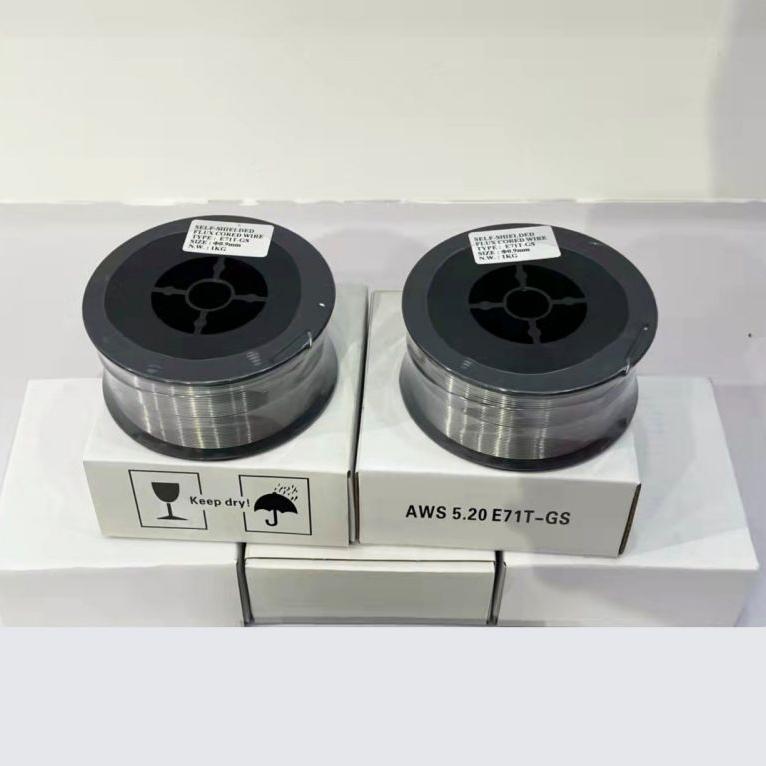
Dutch manufacturers are increasingly shifting toward automated systems. This has spiked the requirement for consistent electrode wire welding components that integrate seamlessly with robotic arms, reducing human error in large-scale metal fabrication.

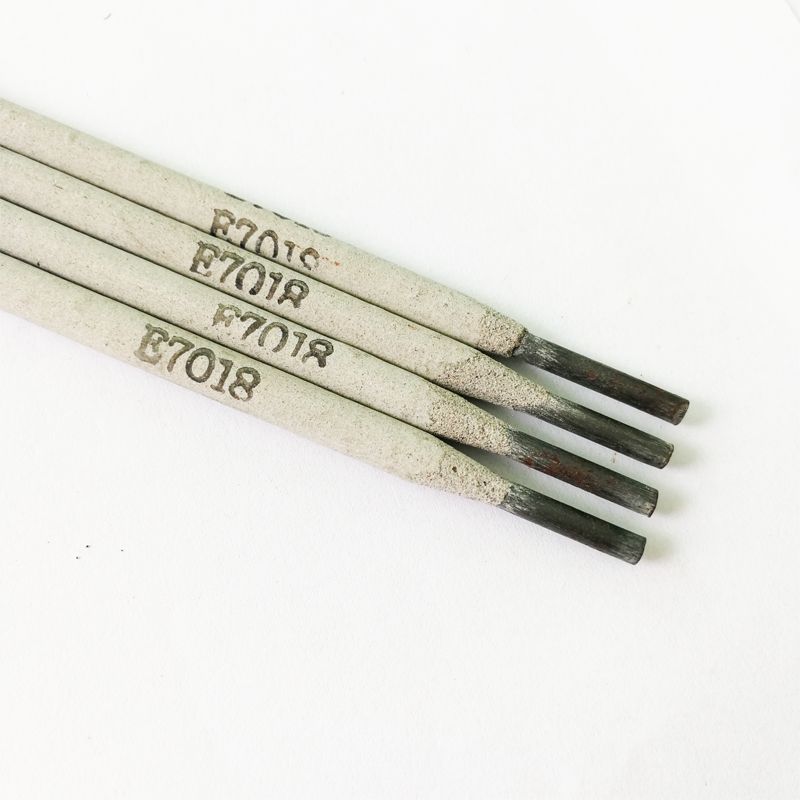
Furthermore, the maintenance of legacy infrastructure requires a balance of specialty and standard materials. While specialized rods are used for high-stress joints, the use of a normal welding rod remains essential for general repairs and maintenance across the country's extensive industrial zones.
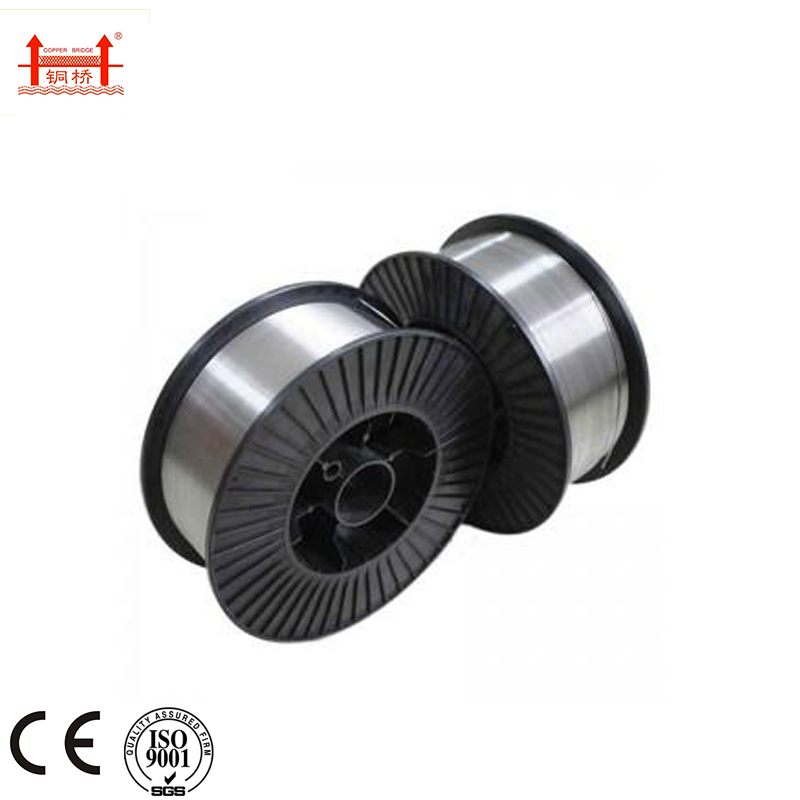
Evolution of Welding Technology in Northern Europe

From traditional manual arcs to AI-driven precision welding.

Market Development History

In the early 20th century, the Dutch metal industry relied heavily on basic manual arc welding. The primary focus was on structural durability for river barges, utilizing basic flux-coated rods for simple joining tasks.

Between 1980 and 2010, the industry saw a transition toward specialized metallurgy. The introduction of cutting welding rods allowed for more precise material preparation, enabling the construction of complex offshore platforms and oil rigs.

From 2010 to the present, the focus has shifted toward "Industry 4.0". The integration of digitalization has led to the optimization of big welding rod applications for heavy-duty thickness, ensuring maximum penetration and strength in wind turbine foundations.

Future Development Trends

Green Welding Consumables

The Netherlands' strict environmental laws are driving a trend toward low-fume and eco-friendly welding materials to improve workshop air quality and reduce carbon footprints.

Smart Electrode Integration

Expect a rise in sensors integrated into welding wires that provide real-time feedback on weld pool temperature and penetration, reducing the need for post-weld X-ray testing.

Hyper-Automation in Shipbuilding

The trajectory points toward fully autonomous welding cells where material selection is handled by AI, optimizing the flow of wire and electrode usage based on real-time metal analysis.

Future Trends and Strategic Outlook

Predicting the next 3-5 years of the welding materials industry in the Netherlands.

Advanced Metallurgy
Development of alloys that resist the corrosive saltwater environments typical of the Dutch coast.
Robotic Synergy
Increased compatibility between consumables and multi-axis welding robots for high-volume production.
Sustainable Sourcing
Transitioning to recycled metal cores for welding rods to meet EU circular economy goals.
Precision Cutting
Enhanced plasma-welding hybrid rods for extreme precision in aerospace components.

Industry Outlook

Based on Google search trends in Western Europe, there is a significant rise in queries regarding "automated welding efficiency" and "low-emission consumables." This suggests that the Dutch market is moving away from manual, high-smoke processes toward cleaner, machine-led operations.

The strategic focus will be on "Zero-Defect" manufacturing. By optimizing the chemical composition of welding rods and wires, companies in the Netherlands aim to eliminate structural failures in critical infrastructure, ensuring safety for the next century of maritime trade.

Localized Applications in the Netherlands

Real-world deployment of our welding materials in Dutch industrial sectors.

1. Port of Rotterdam Vessel Maintenance

Utilizing wet welding electrodes for underwater hull repairs and dock maintenance, ensuring ships stay operational without dry-docking.

2. Wind Farm Foundation Construction

Applying big welding rod solutions for the heavy-duty structural joints of offshore wind turbines in the North Sea.

3. High-Tech Industrial Machinery

Using precision electrode wire welding for the fabrication of automated logistics systems used in Dutch distribution centers.

4. Civil Infrastructure Bridges

Implementing a combination of normal welding rod and specialized fillers for the reinforcement of historic bridges in Amsterdam.

5. Precision Metal Component Cutting

Deploying cutting welding rods for the high-accuracy preparation of steel plates in aerospace component manufacturing.

Brand Story

Global Development Journey of Dingzhou Jinlong Metal Products Co., Ltd.

Foundational Excellence

Established with a focus on metallurgy, we began by solving the most basic weld porosity issues for local factories, building a reputation for reliability.

Technological Breakthrough

Invested in R&D to develop high-strength alloys, allowing our products to enter the demanding European markets with certified quality standards.

Global Expansion

Expanded our footprint to the Netherlands and beyond, tailoring our product lines to meet the specific environmental and regulatory needs of EU clients.

Sustainable Innovation

Launched a series of eco-friendly welding consumables, reducing hazardous emissions and supporting the global transition to green manufacturing.

Industry Leadership

Today, we stand as a trusted partner for heavy industry, providing end-to-end welding solutions that bridge the gap between tradition and automation.

Welding Material FAQs for the Dutch Market

Expert answers to common technical queries in metal fabrication.

Which electrode wire welding options are best for automated systems in the Netherlands?

For automated systems, we recommend high-precision, consistent-diameter wires that minimize feed errors and spatter, ensuring high efficiency in robotic cells.

How do wet welding electrodes perform in North Sea conditions?

Our specialized electrodes are designed with moisture-resistant coatings that prevent hydrogen embrittlement, making them ideal for the humid and underwater conditions of the North Sea.

When should I use a big welding rod instead of a standard one?

Use a big welding rod for heavy-duty structural components with high thickness where deep penetration and high deposition rates are required to maintain structural integrity.

Can cutting welding rods be used for all types of industrial steel?

Yes, but the composition must match the base metal. We offer various grades specifically for carbon steel and stainless steel used in Dutch shipbuilding.

Is a normal welding rod sufficient for general Dutch infrastructure repair?

For non-critical, low-stress maintenance tasks, a normal welding rod is often the most cost-effective and efficient choice.

Do your welding materials comply with EU environmental standards?

Yes, all our products are manufactured to meet stringent EU safety and environmental regulations, ensuring low toxicity and reduced emissions during use.

Get Expert Welding Advice Today

Contact our technical team for customized welding solutions specifically designed for the industrial landscape of the Netherlands.

Contact Us Now

If you are interested in our products, you can choose to leave your information here, and we will be in touch with you shortly.


en_USEnglish