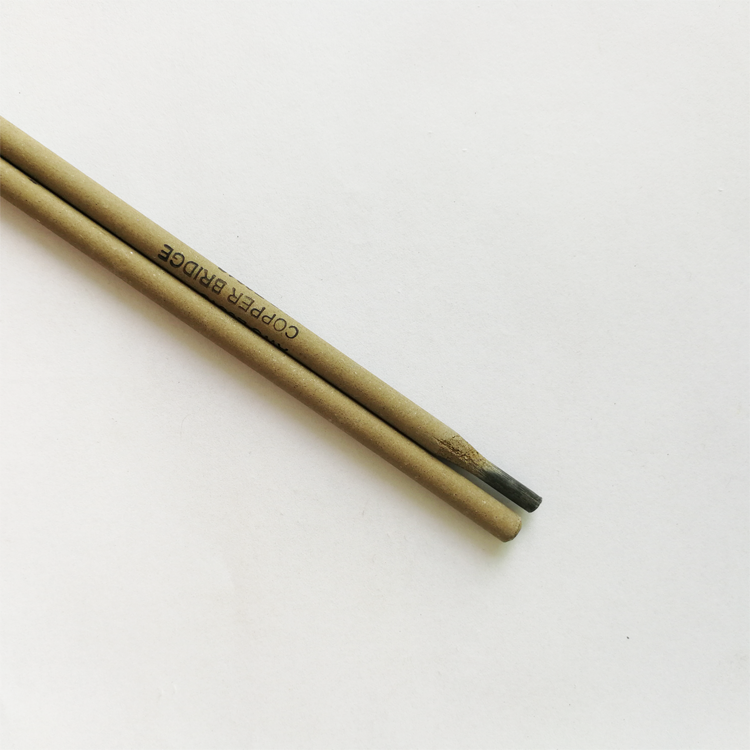
Industrial Welding Solutions for Tanzania: High-Performance electrode wire welding

Empowering Tanzania's infrastructure and metal fabrication sectors with precision-engineered welding consumables designed for durability and extreme reliability.

Industrial Welding Solutions for Tanzania: High-Performance electrode wire welding

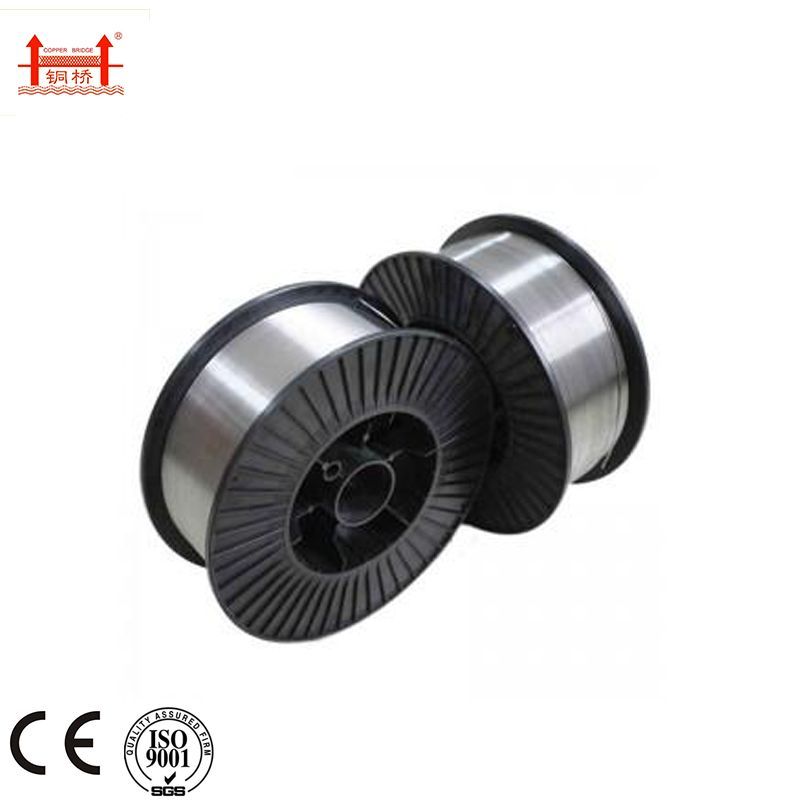
Providing a comprehensive range of welding consumables, from normal welding rod for general repairs to specialized electrodes for heavy-duty industrial applications in East Africa.

Current State of Welding Industry in Tanzania

Analyzing the intersection of climate challenges and industrial growth in the Tanzanian metal sector.

Tanzania's welding industry is currently undergoing a rapid transition driven by urban expansion in Dar es Salaam and mining activities in the Lake Victoria region. However, the humid coastal climate creates significant storage challenges, leading to a high demand for wet welding electrodes that can maintain structural integrity under moist conditions.

The prevalence of artisanal workshops across Tanzania means that the normal welding rod remains the most widely used tool for daily maintenance. Despite this, there is a growing shift toward professional certifications and the adoption of higher-grade alloys to meet international construction standards.

Logistical constraints often force local manufacturers to rely on versatile materials. The need for big welding rod options has increased as the country invests in heavy port machinery and railway infrastructure, requiring deeper penetration and stronger joints.
Technical Evolution and Growth Trajectory

From traditional forge welding to advanced automated consumables in East Africa.

Market Development History

In the early 2000s, the Tanzanian market relied heavily on basic stick welding with low-cellulose electrodes. The focus was primarily on simple assembly and manual repair of agricultural equipment using basic carbon steel rods.

Between 2010 and 2020, the introduction of inverter-based welding machines revolutionized the local market. This period saw the rise of cutting welding rods as fabrication shops began integrating plasma and oxy-fuel cutting with precision welding to improve efficiency.

Since 2021, the focus has shifted toward specialized materials. The adoption of high-deposition electrode wires has allowed Tanzanian firms to compete in regional infrastructure projects, moving away from generic materials toward application-specific consumables.

Future Development Trends

Automation Integration

Increased adoption of robotic welding in Dar es Salaam's industrial zones will drive the demand for continuous feed wire and precision-engineered electrode systems.

Eco-Friendly Fluxes

Driven by global sustainability goals, there is a projected move toward low-smoke and low-fume welding materials to protect worker health in poorly ventilated workshops.

High-Strength Alloy Specialization

With the growth of the oil and gas sector in Tanzania, the market will pivot toward high-nickel and chromium electrodes for corrosion resistance in marine environments.

Industry Trends and Future Outlook

Strategic forecasting for the metal fabrication industry in Tanzania.

Precision Material Shift
Moving from generic rods to specialized alloys to meet ISO standards in Tanzanian construction.
Climate-Resistant Coating
Advanced flux coatings to prevent moisture absorption in coastal humid zones.
Heavy-Duty Industrialization
Increased demand for high-diameter rods for mining and port equipment repair.
Digital Supply Chain
Shift towards direct B2B e-commerce for welding consumables in Tanzania.

Industry Outlook

Google search trends indicate a significant rise in queries for specialized welding equipment and high-grade consumables in East Africa. This suggests that Tanzanian fabricators are moving away from generic repairs toward engineering-led construction.

Over the next 3-5 years, we expect the "professionalization" of the welding trade in Tanzania, where the demand for certified electrode wires will outpace the demand for basic general-purpose rods, reflecting a maturing industrial economy.

Localized Application Scenarios in Tanzania

Real-world implementation of welding consumables across various Tanzanian sectors.

01. Dar es Salaam Port Maintenance

Using big welding rod for repairing heavy-duty cranes and shipping containers that suffer from saltwater corrosion and extreme mechanical stress.

02. Lake Victoria Mining Infrastructure

Implementation of high-strength electrode wire welding for the assembly of ore processing plants and heavy excavation machinery.

03. Rural Agricultural Equipment Repair

Widespread use of normal welding rod for the maintenance of tractors and milling machines in the Dodoma and Arusha regions.

04. Marine Vessel Fabrication

Application of wet welding electrodes for underwater hull repairs and pier reinforcement in Zanzibar's coastal waters.

05. Urban Metal Furniture Production

Utilizing cutting welding rods and precision electrodes to create high-quality architectural metalwork and furniture for the growing urban middle class.

Brand Story

Global Development Journey of Dingzhou Jinlong Metal Products Co., Ltd.

Foundational Excellence

Established with a focus on metallurgical precision, we began by solving the most basic pain point: providing consistent arc stability in unpredictable power environments.

Technical Diversification

We expanded our R&D to create specialized fluxes that resist moisture, specifically targeting the challenges of tropical and coastal climates.

Global Quality Standards

By achieving international certifications, we bridged the gap between affordable manufacturing and high-end industrial requirements for global exports.

Strategic African Expansion

Recognizing the growth in East Africa, we optimized our supply chain to ensure Tanzanian workshops receive fresh, high-performance electrodes without long lead times.

Vision for the Future

Our mission is to be the primary partner for Tanzania's industrialization, providing the materials that literally hold the nation's infrastructure together.

Common Welding Challenges in Tanzania

Expert answers to the most frequent technical questions from the local market.

How to store a big welding rod in humid coastal areas like Dar es Salaam?

We recommend using heated drying ovens or airtight vacuum-sealed containers to prevent moisture absorption, which can cause porosity in the weld bead.

What is the best normal welding rod for general steel fabrication in Tanzania?

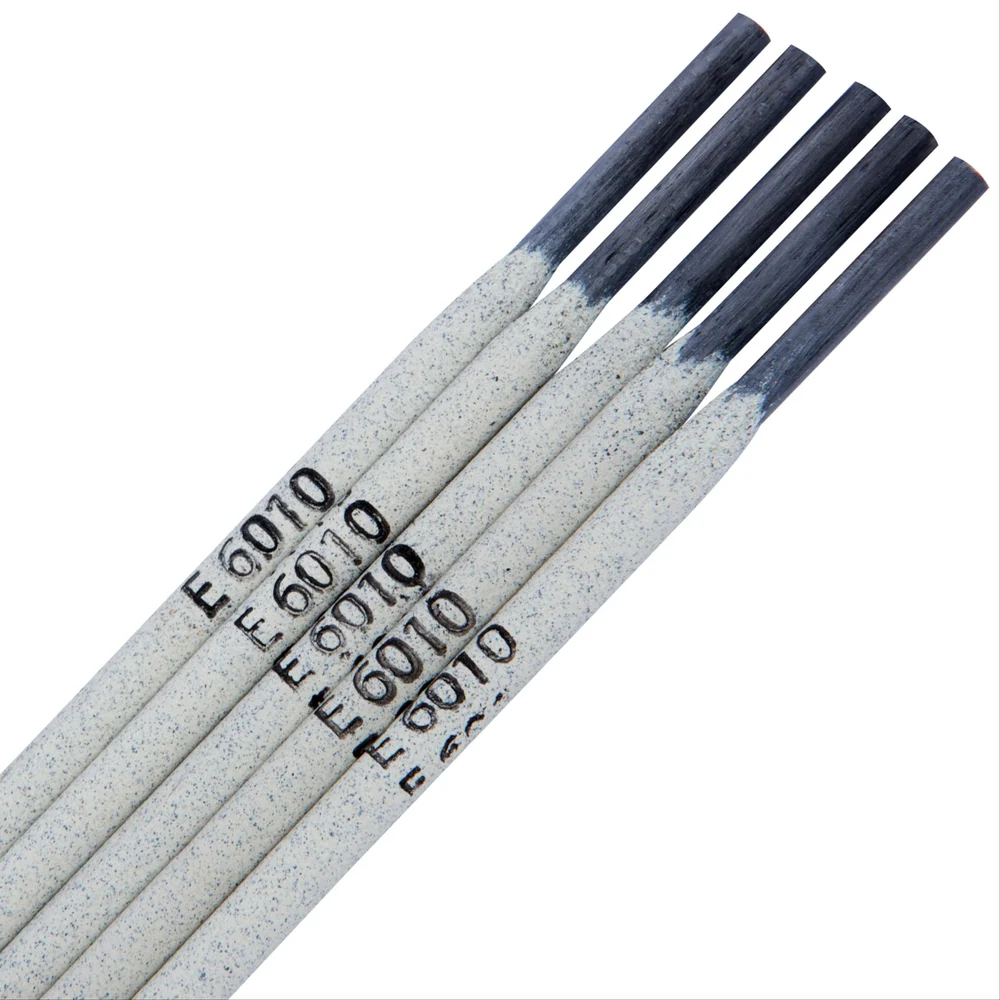
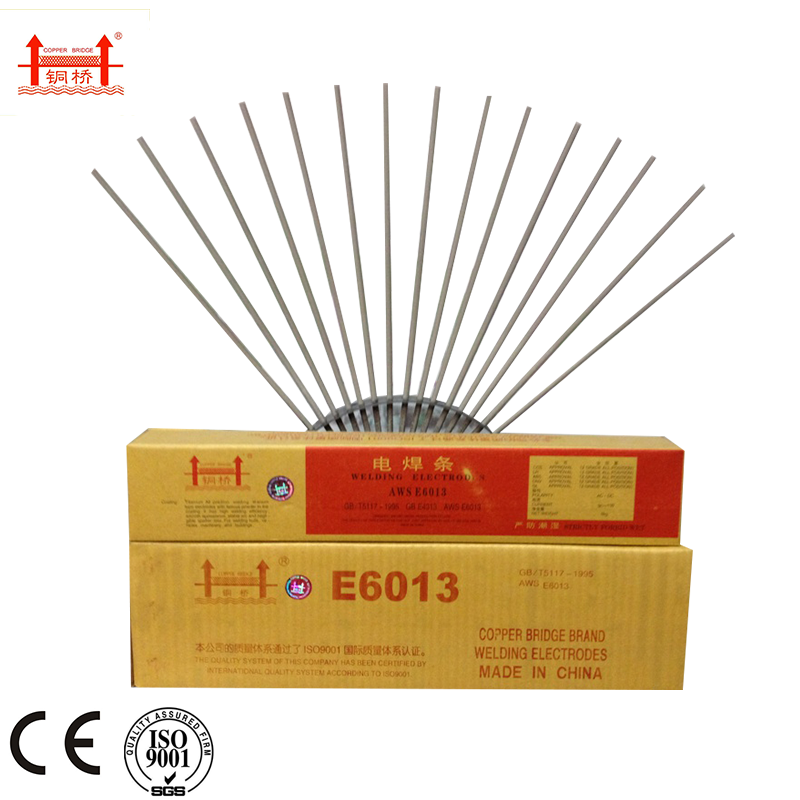
For general purposes, E6013 or E7018 electrodes are ideal due to their ease of use and strong mechanical properties across various mild steel grades.

Are wet welding electrodes suitable for Zanzibar's marine environment?

Yes, our specialized wet welding electrodes are designed with water-resistant fluxes, making them perfect for underwater repairs and high-humidity piers.

How does electrode wire welding improve efficiency in mining projects?

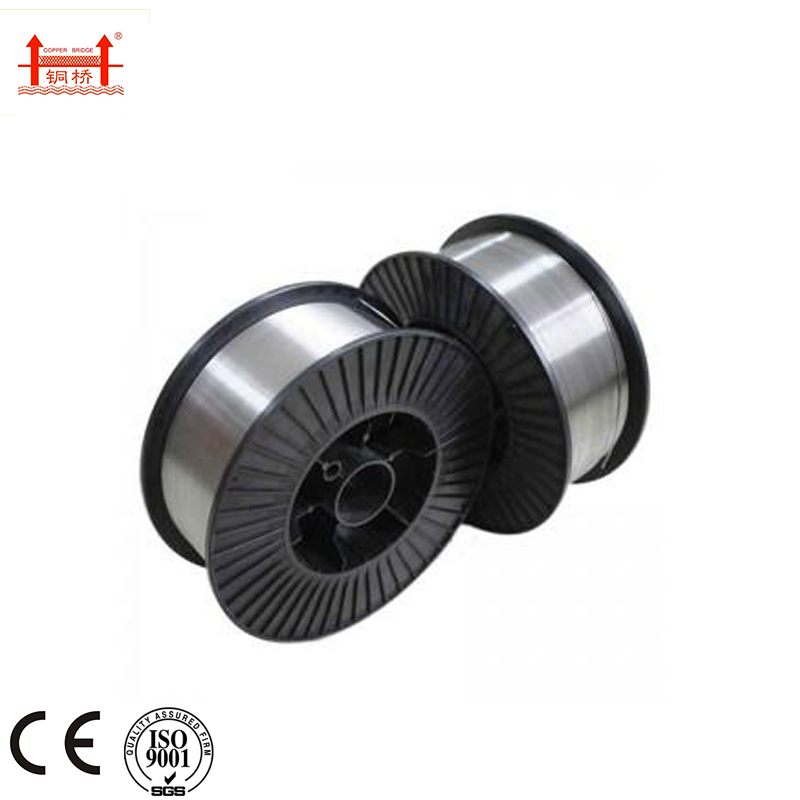
Electrode wire welding allows for continuous feeding, reducing downtime caused by frequent rod changes and increasing deposition rates for heavy machinery.

Can cutting welding rods be used for precision art metalwork?

While primarily for industrial cutting, using them in conjunction with precision MIG/TIG wires allows Tanzanian artists to achieve clean cuts and seamless joins.

Which welding materials are most cost-effective for Tanzanian small businesses?

Buying in bulk quantities of versatile carbon steel rods provides the lowest cost per weld while maintaining acceptable quality for most local fabrication tasks.

Ready to Upgrade Your Fabrication Quality?

Contact our technical experts today for customized welding material shipments to Tanzania.

Contact Us Now

If you are interested in our products, you can choose to leave your information here, and we will be in touch with you shortly.


en_USEnglish