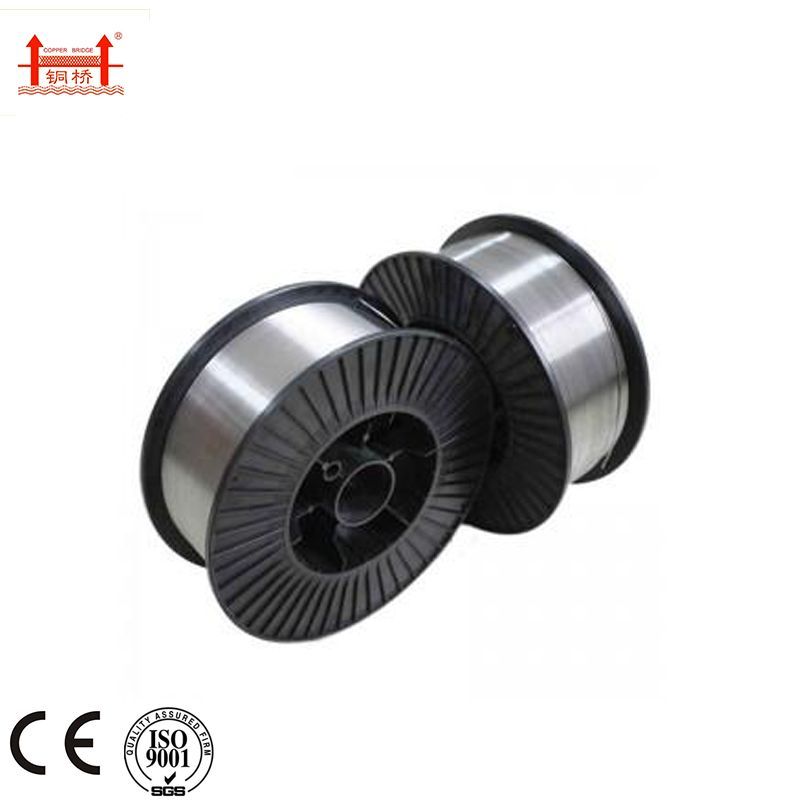
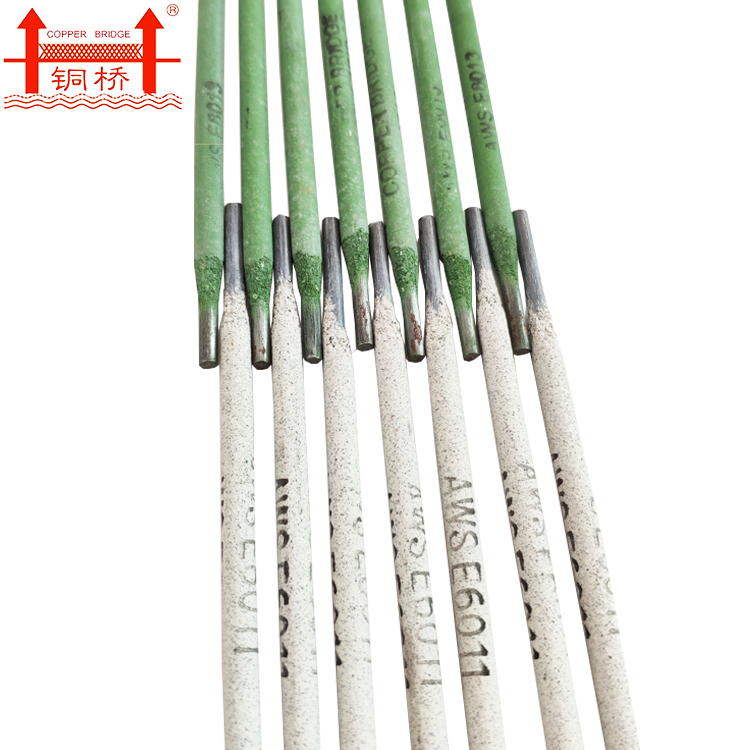
Industrial Welding Solutions for Kazakhstan: Advanced electrode wire welding

Optimizing heavy-duty metal fabrication and structural integrity across Central Asia's demanding industrial landscapes.

Industrial Welding Solutions for Kazakhstan: Advanced electrode wire welding

Providing high-performance consumables designed for the extreme temperature fluctuations and heavy industrial requirements of the Kazakhstani metal fabrication sector.

Current State of Welding Industry in Kazakhstan

Analyzing the intersection of mineral extraction and metal manufacturing in Central Asia.

Kazakhstan's welding industry is deeply intertwined with its massive mining and petrochemical sectors. The prevalence of extreme continental climates—with scorching summers and freezing winters—requires consumables like the normal welding rod to possess exceptional stability and resistance to temperature-induced cracking.

In the vast steppes and industrial hubs like Almaty and Karaganda, there is a growing reliance on high-deposition rates. The demand for big welding rod options has surged as infrastructure projects for oil and gas pipelines require thicker joints and more robust structural reinforcement.

Furthermore, the regional focus on diversifying the economy away from raw exports toward processed metal products has led to an increase in precision fabrication, where specialized cutting welding rods are utilized for complex assembly and maintenance of heavy machinery.
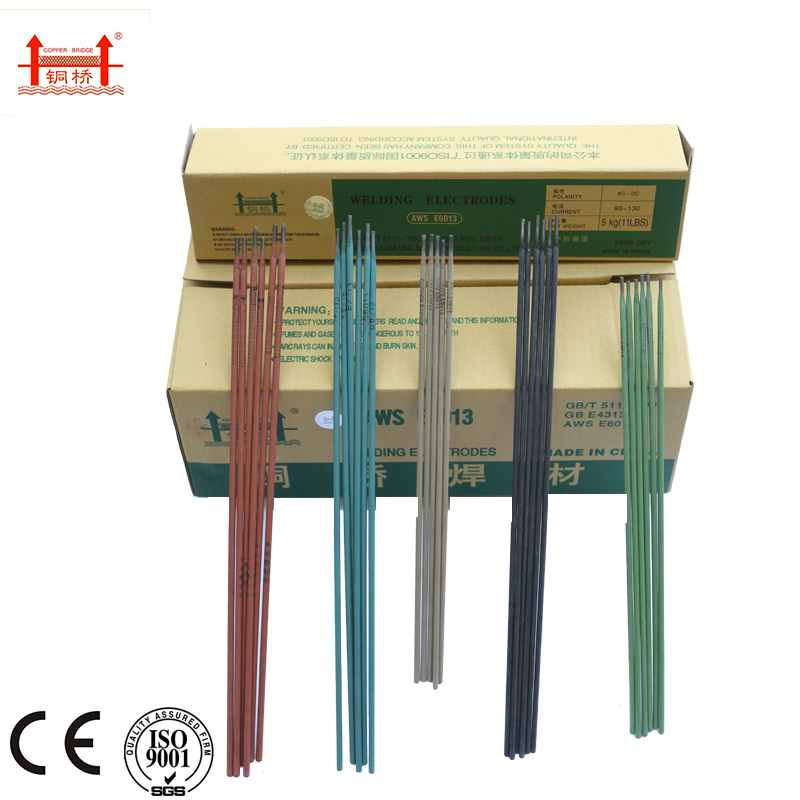
Evolution of Metal Joining Technology in Kazakhstan

From traditional manual arc welding to automated precision systems.

Market Development History

During the late 20th century, the Kazakhstani market relied heavily on standardized Soviet-era specifications, focusing primarily on manual arc welding using basic electrodes for heavy industrial repairs.

Entering the 2010s, the boom in the energy sector introduced international standards (AWS/ISO), leading to the adoption of more sophisticated electrode wire welding techniques to ensure the safety of high-pressure pipelines.

Today, the industry is transitioning toward hybrid automation, integrating robotic welding cells that require high-consistency consumables to minimize downtime in 24/7 production cycles.

Future Development Trends

Eco-Efficient Consumables

Reducing weld fume emissions and energy consumption is becoming a priority to align with new regional environmental regulations.

Smart-Material Integration

The shift toward alloys that can withstand extreme cryogenic temperatures for LNG projects in the Caspian region.

Digitalized Welding Monitoring

Integration of IoT sensors with welding equipment to track the consumption and performance of electrodes in real-time.

Industry Trends and Future Outlook

Strategic directions for welding material engineering in Central Asia.

Automation Shift
Increased adoption of robotic welding to replace manual labor in large-scale structural fabrication.
Material Specialization
Growing demand for corrosion-resistant coatings and electrodes for harsh chemical environments.
Quality Standardization
Rigid adherence to global E-E-A-T principles in sourcing welding materials to ensure safety.
Sustainability
Implementation of recyclable packaging and low-smoke formulations for cleaner workplaces.

Industry Outlook

Based on Google search trends for "industrial welding" in Central Asia, there is a distinct pivot toward high-efficiency consumables. We expect the next 3-5 years to be dominated by the search for "high-strength weldability" as Kazakhstan expands its rail and bridge infrastructure.

The market will likely see a transition where traditional electrodes are supplemented by precision wire feeding systems, driving the need for high-purity electrode wire welding components to maintain industrial competitiveness.

Localized Application Scenarios in Kazakhstan

Real-world deployments of welding materials in diverse Kazakhstani environments.

01. Oil & Gas Pipeline Infrastructure

Utilizing big welding rod for high-thickness pipeline seams, ensuring leak-proof joints under extreme pressure and fluctuating temperatures in the Caspian basin.

02. Mining Equipment Maintenance

Applying wet welding electrodes for urgent underwater or high-moisture repairs of dredging equipment and ore processing plant components.

03. Heavy Machinery Fabrication

Employment of cutting welding rods for the precise trimming and joining of chassis parts for mining trucks used in the Karaganda region.

04. General Construction and Repair

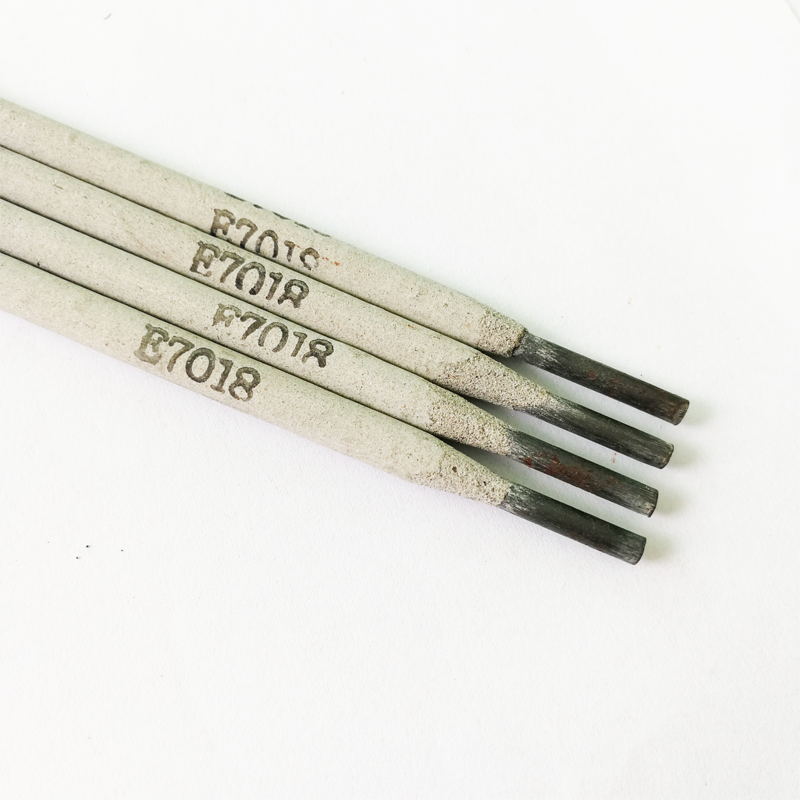
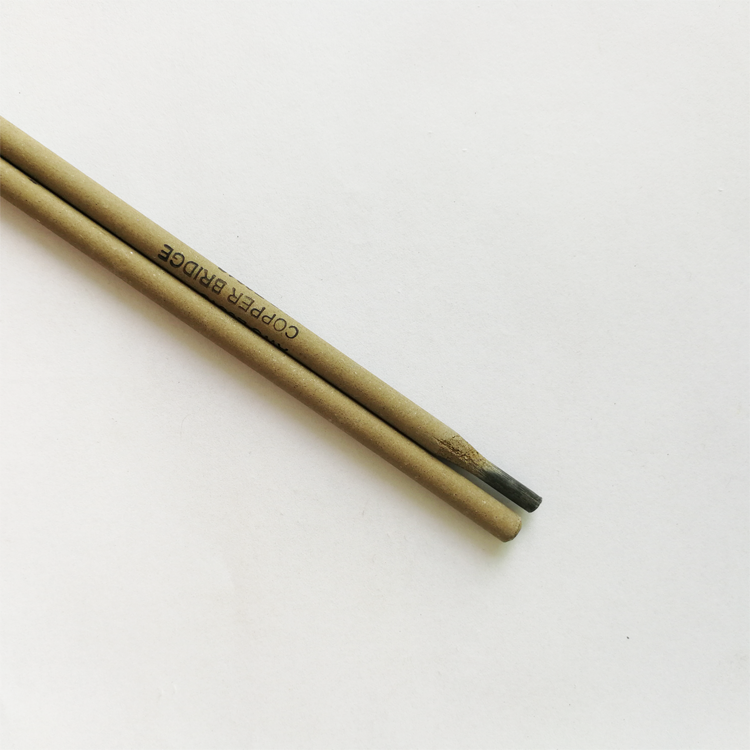
Standardized use of normal welding rod for urban infrastructure projects and residential steel framing across Almaty and Astana.

05. Specialized Industrial Tooling

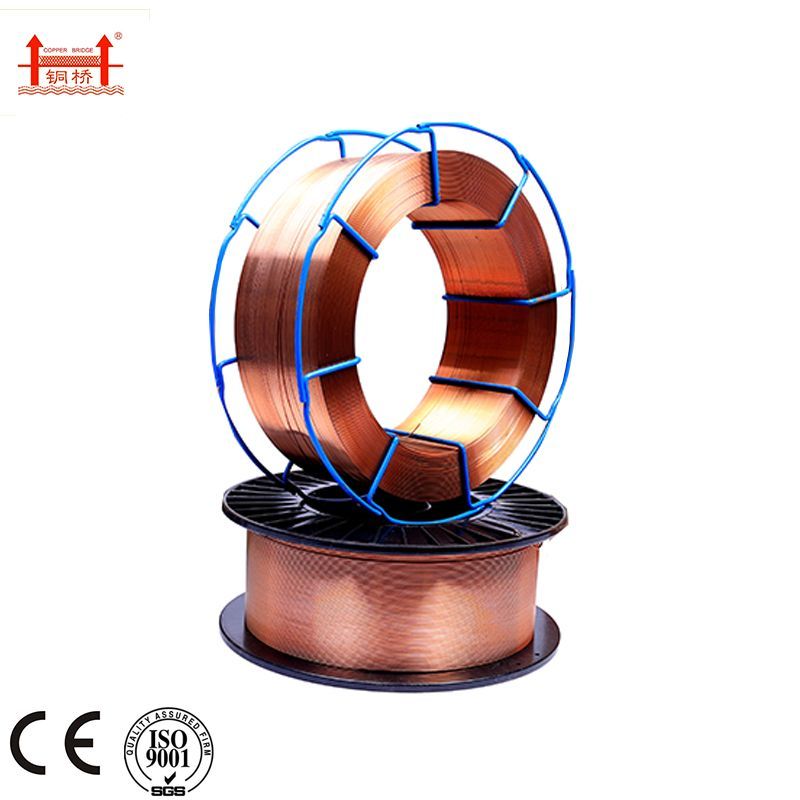
Implementing electrode wire welding for the creation of custom industrial molds and high-precision metal components for the automotive assembly sector.

Brand Story

Global Development History of Dingzhou Jinlong Metal Products Co., Ltd.

Foundational Excellence

Established with a focus on metallurgy, we began by solving the basic pain point of weld porosity in industrial steel.

Technological Expansion

Diversified our product line to include specialized coatings, ensuring stability in extreme temperature environments.

Global Quality Standards

Achieved international certifications to enter the demanding markets of Central Asia and Europe, focusing on E-E-A-T principles.

Innovation Hub

Developed advanced alloys that reduce slag and increase deposition rates for heavy-duty industrial applications.

Future-Ready Vision

Committing to carbon-neutral manufacturing while providing the highest grade of welding consumables worldwide.

Common Questions for Kazakhstan Welding Markets

Expert answers to technical challenges in regional metal fabrication.

How to choose the right big welding rod for pipeline projects in Kazakhstan?

You should select rods based on the wall thickness of the pipe and the ambient temperature; our heavy-duty options are specifically designed to resist low-temperature brittleness common in the Kazakh steppe.

Are wet welding electrodes suitable for mining site repairs in the Caspian region?

Yes, our specialized wet-environment electrodes are engineered to maintain arc stability and weld integrity even in high-humidity or submerged conditions typical of offshore mining.

What is the benefit of using electrode wire welding over manual rods?

Electrode wire welding offers significantly higher deposition rates and consistency, which is critical for the large-scale structural components used in Kazakhstan's energy sector.

How do cutting welding rods differ from standard electrodes?

Cutting welding rods are optimized for precise material removal and preparation, ensuring a cleaner joint surface before the final weld is applied.

Can a normal welding rod be used for all structural steel in Astana?

While suitable for general construction, high-load structural elements should use specified alloy rods to account for the extreme winter temperature drops in Northern Kazakhstan.

What certifications are required for welding materials exported to Kazakhstan?

Compliance with GOST and ISO standards is generally required, and we provide full technical documentation to meet these regional regulatory frameworks.

Get Expert Welding Consultation

Connect with our engineers to optimize your metal fabrication efficiency in Kazakhstan.

Contact Us Now

If you are interested in our products, you can choose to leave your information here, and we will be in touch with you shortly.


en_USEnglish