

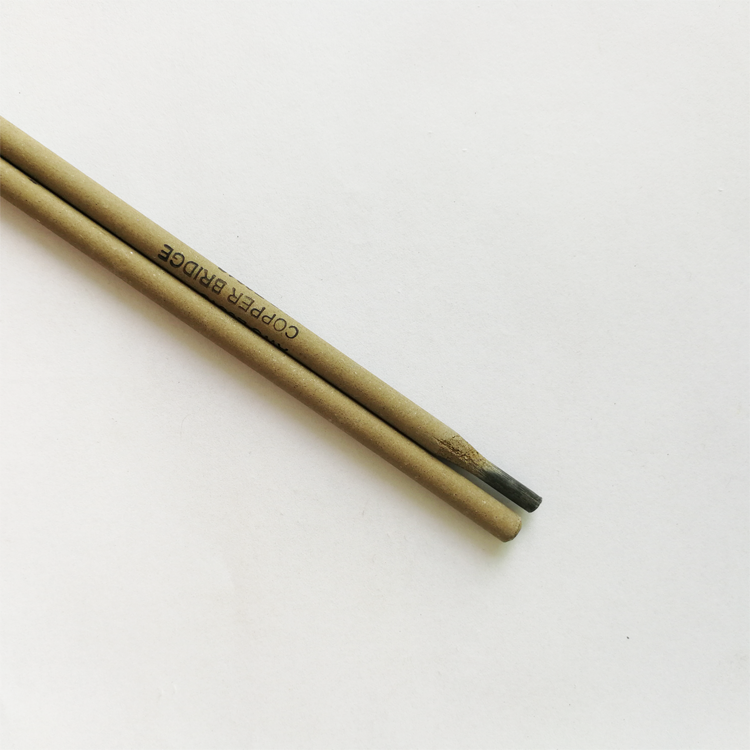
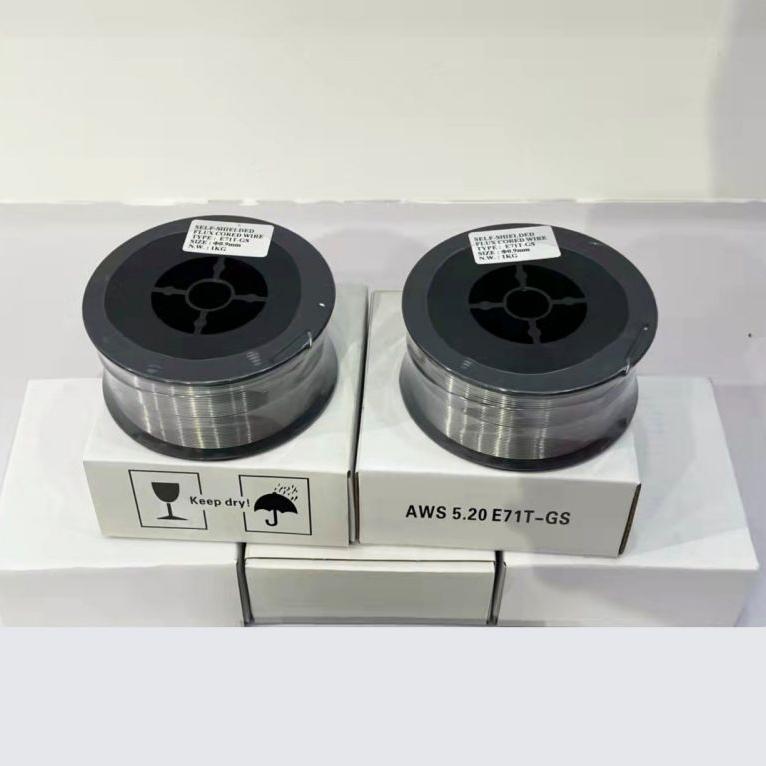
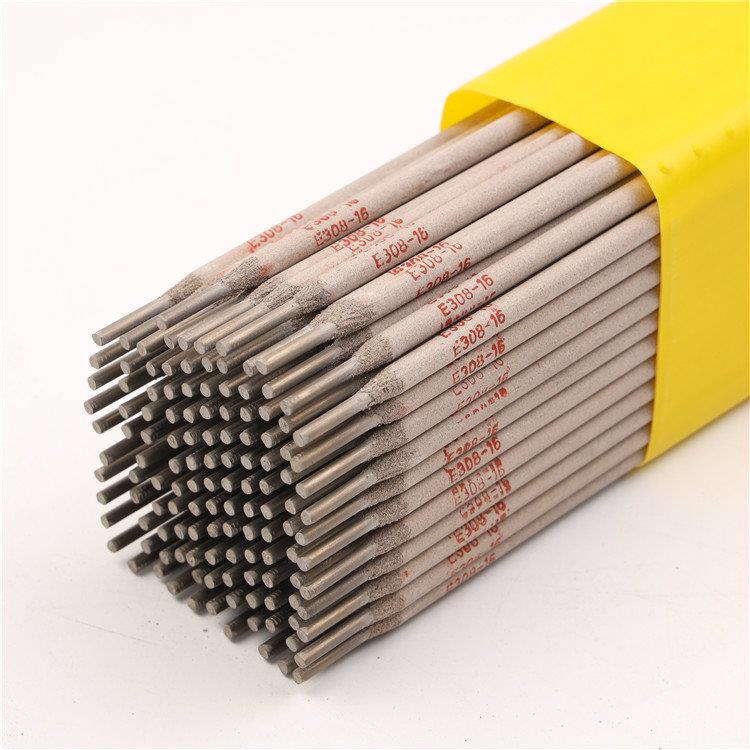
The manufacturing sector in Cameroon, particularly in hubs like Douala and Yaoundé, faces significant challenges due to the high humidity of the tropical climate. This environment often leads to rapid oxidation of materials and the degradation of standard consumables, making the use of wet welding electrodes a critical necessity for underwater repairs in the port zones and high-moisture construction sites.
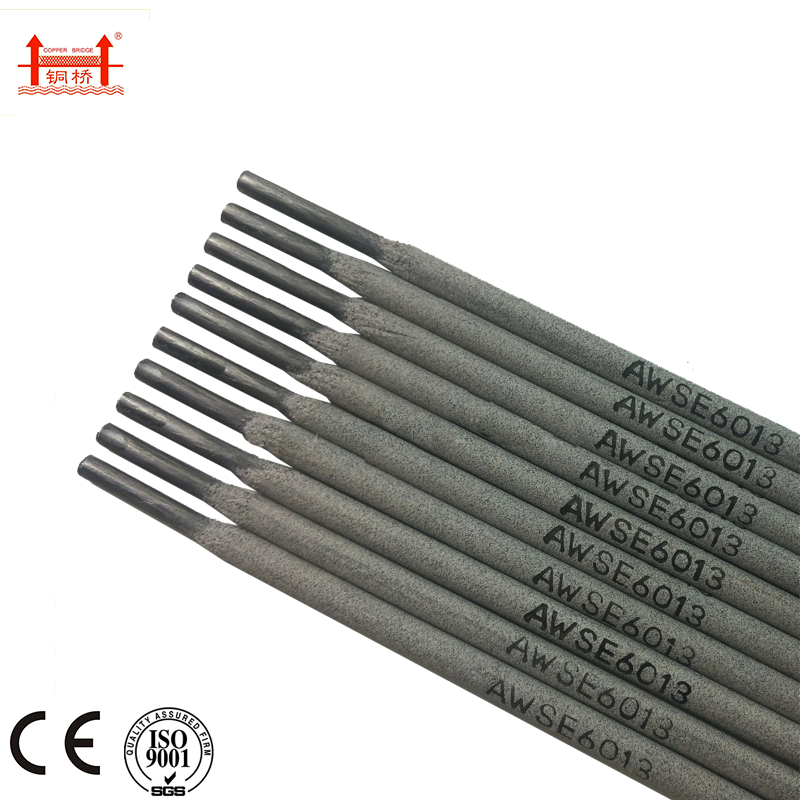
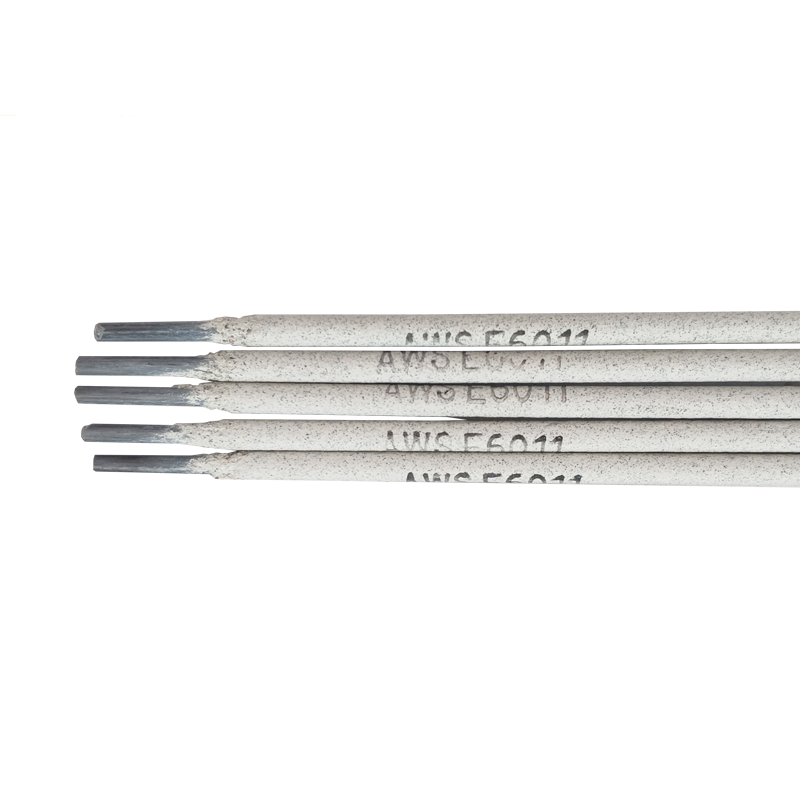
Local workshops frequently rely on a mix of legacy equipment and imported materials. While the demand for normal welding rod options remains steady for general repair, there is a growing gap in the availability of specialized high-deposition materials required for the expanding oil and gas infrastructure in the coastal regions.
Economic fluctuations and supply chain dependencies have pushed Cameroonian manufacturers toward seeking more durable and cost-effective solutions. The adoption of big welding rod variants has increased for heavy structural projects, such as bridge reinforcements and industrial plant expansions, where efficiency and penetration are paramount.

 English
 Arabic
 Bengali
 China
 French
 German
 Hausa
 Indonesian
 Italian
 Japanese
 Javanese
 Malay
 Persian
 Portuguese
 Punjabi
 Russian
 Spanish
 Swahili
 Telugu
 Vietnamese