Industrial Grade electrode wire welding Solutions for North Korea

High-performance welding consumables engineered for heavy industrial infrastructure and extreme climatic resilience in the North Korean peninsula.

Industrial Grade electrode wire welding Solutions for North Korea

Providing professional-grade welding materials designed to withstand rigorous manufacturing demands, from heavy machinery construction to specialized metallurgical projects across North Korea.

Welding Material Landscape in North Korea

Analyzing the intersection of industrial demand and environmental challenges.

The manufacturing sector in North Korea is characterized by a strong emphasis on heavy industry and state-led infrastructure projects. Due to the region's volatile temperature swings and high humidity levels in coastal areas, the demand for wet welding electrodes has increased significantly to ensure weld integrity in suboptimal environmental conditions.

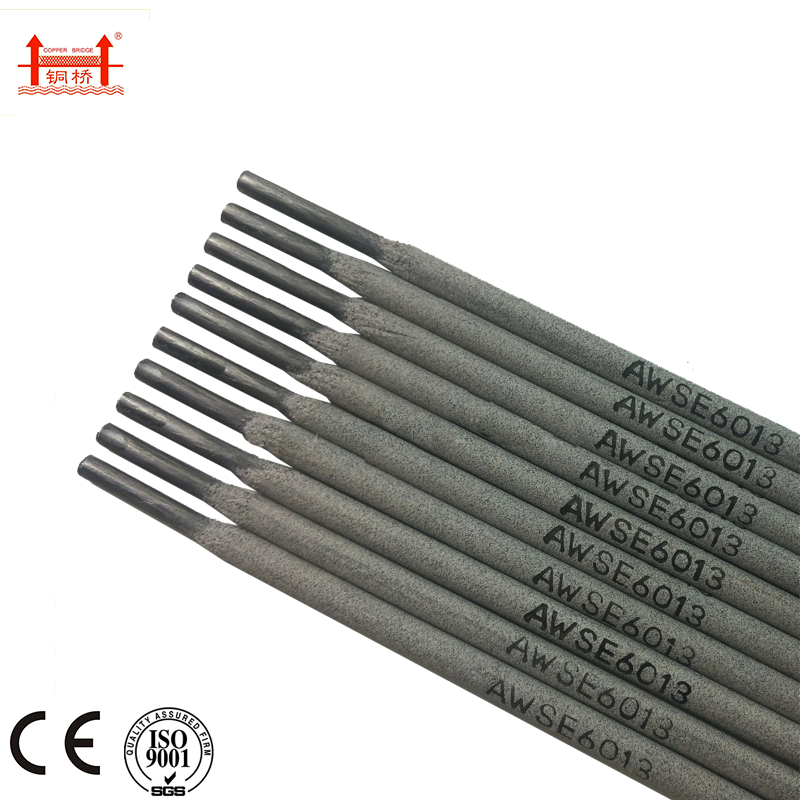
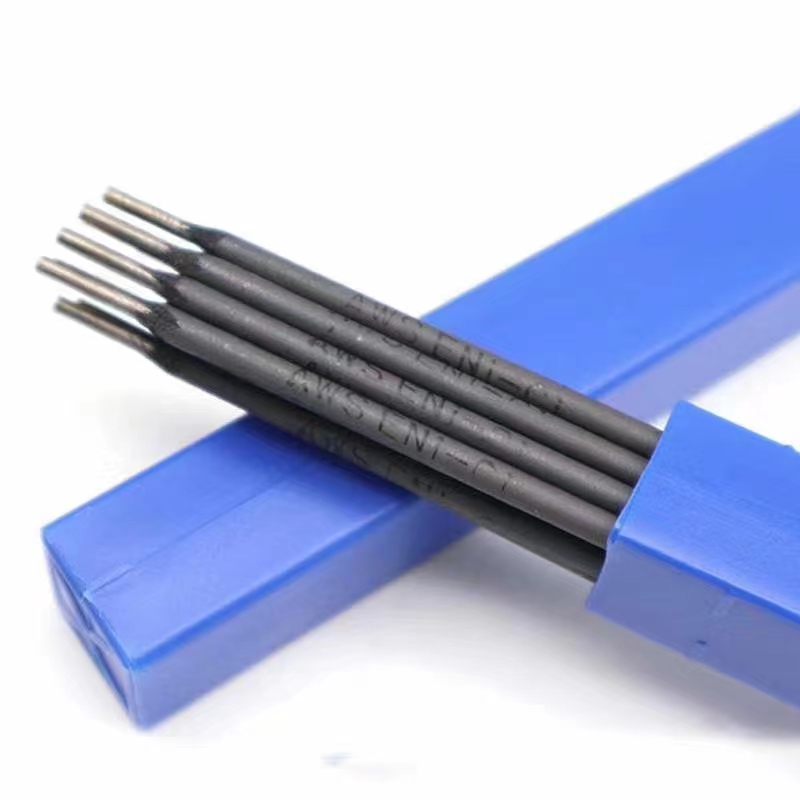
Current industrial operations rely heavily on robust materials for large-scale steel structures. The utilization of big welding rod variants is prevalent in the construction of mining equipment and heavy transport vehicles, where deep penetration and high load-bearing capacity are non-negotiable.

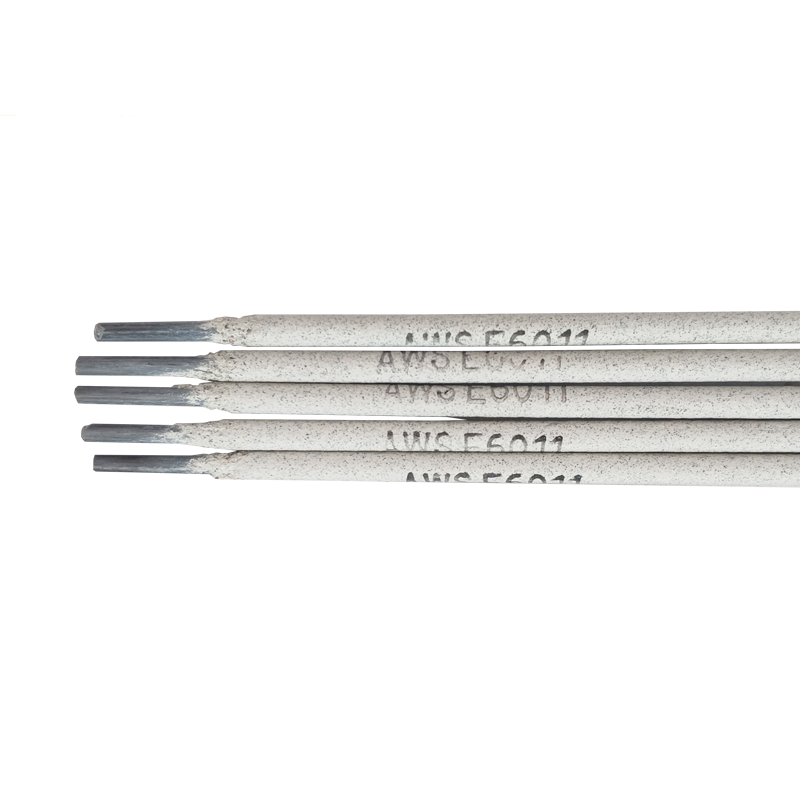
Despite the reliance on traditional methods, there is a growing shift toward precision. The adoption of normal welding rod specifications for general maintenance is being supplemented by specialized cutting tools and high-tensile wires to meet modernized metallurgical standards.
Technical Evolution and Industrial Trajectory

From legacy smelting techniques to modern precision welding standards.

Market Development History

In the mid-20th century, North Korea's welding industry focused on basic fusion techniques using rudimentary carbon steel rods to rebuild primary urban infrastructure and early industrial plants.

By the 1990s and early 2000s, the focus shifted toward specialized alloy coatings. This era saw the integration of cutting welding rods to facilitate the dismantling and repurposing of old heavy machinery, optimizing the lifecycle of metal assets.

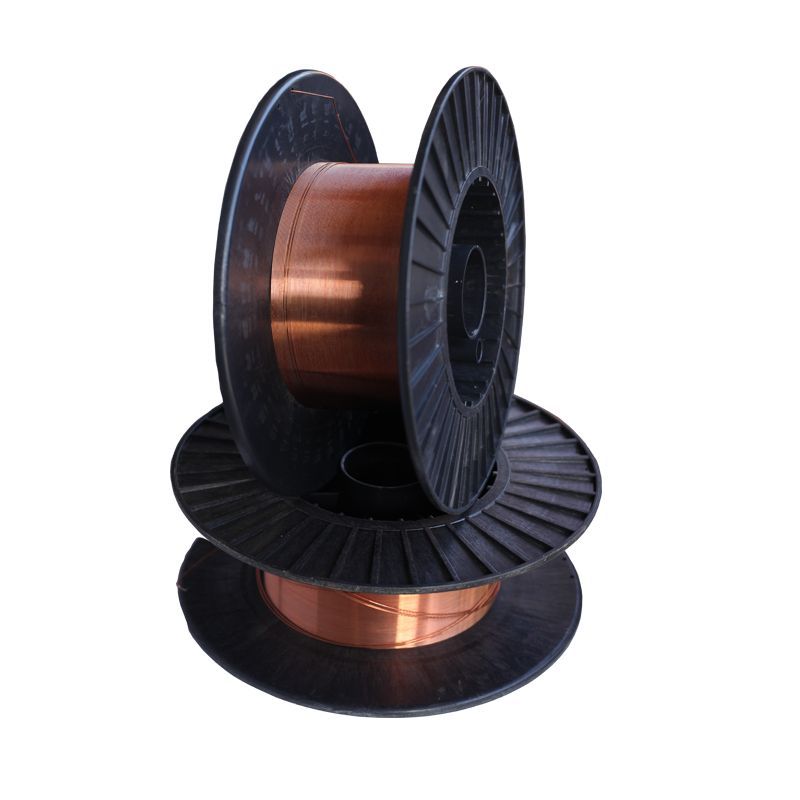
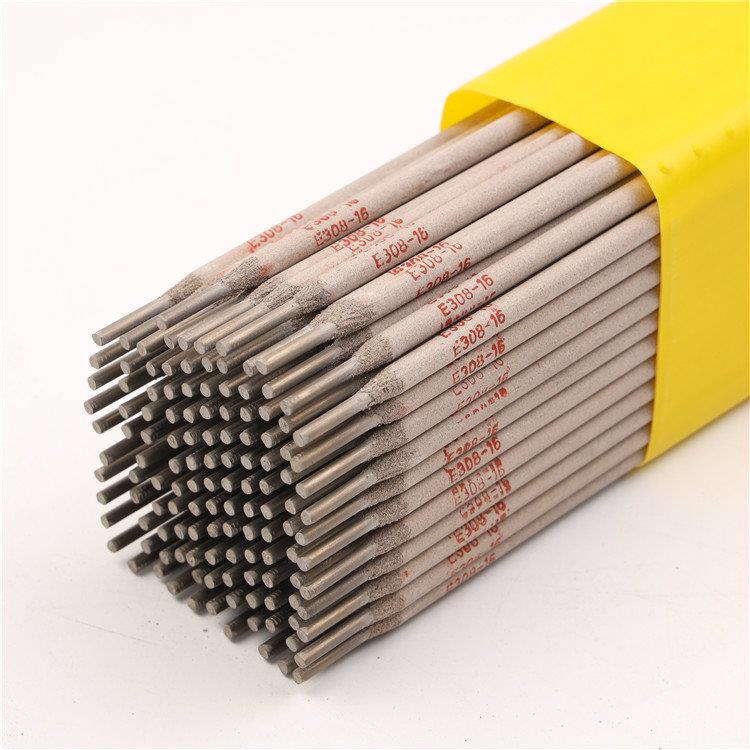
In recent years, the trajectory has moved toward automated processes. The transition from manual stick welding to continuous feed systems has highlighted the importance of high-purity wire for consistent arc stability in precision manufacturing.

Future Development Trends

Automation Integration

Increased adoption of robotic welding arms requiring specialized wire diameters to improve efficiency in shipbuilding and railway carriage production.

Climate-Resilient Coatings

Development of advanced hydrophobic coatings for electrodes to prevent moisture absorption during the harsh North Korean winters.

High-Strength Alloy Adoption

A shift toward low-hydrogen consumables to prevent cold cracking in thick-walled structural steel used in bridge and dam construction.

Future Trends and Strategic Outlook

Forecasting the next 3-5 years of welding technology implementation.

Smart Consumable Tracking
Integration of IoT in supply chains to monitor the storage conditions of moisture-sensitive electrodes.
Low-Emission Flux
Developing eco-friendly coatings that reduce hazardous fumes during high-volume industrial welding.
High-Efficiency Deposition
Focusing on materials that increase the deposition rate per hour to accelerate infrastructure projects.
Advanced Alloy Compatibility
Creating consumables compatible with new high-strength imported steel alloys.

Industry Outlook

Based on Google search trends for industrial consumables in East Asia, there is a clear pivot toward "Efficiency" and "Durability." In North Korea, this translates to a demand for materials that reduce downtime caused by weld failure or material degradation.

The next era will likely see a convergence of traditional stick welding and semi-automatic systems, where the quality of the consumable—such as the purity of the wire—becomes the primary driver of structural safety and project longevity.

Localized Application Scenarios in North Korea

Real-world implementation of welding materials in regional industries.

01. Heavy Mining Equipment Maintenance

Utilization of big welding rod options for the repair of excavator buckets and crushing plant frames operating in mountainous mining zones.

02. Maritime and Port Infrastructure

Deployment of wet welding electrodes for the urgent repair of pier supports and ship hulls in the high-humidity environments of coastal cities.

03. State Railway Carriage Production

Application of continuous electrode wire welding for the assembly of freight car chassis to ensure structural homogeneity and high fatigue resistance.

04. Industrial Facility Decommissioning

Strategic use of cutting welding rods to precisely section old boilers and turbines during the modernization of energy plants.

05. General Civil Engineering

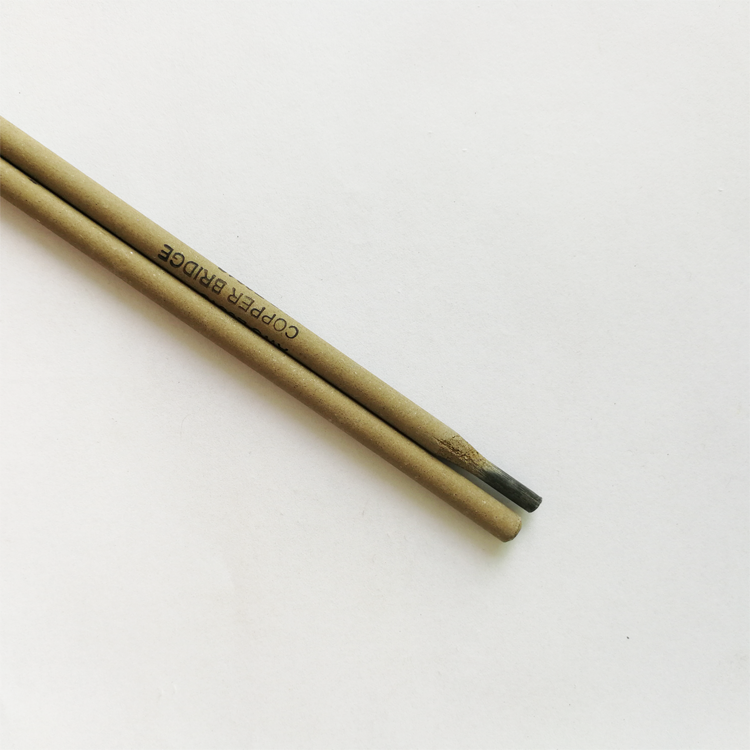
Widespread use of normal welding rod types for the fabrication of reinforcement cages and small-scale metal structures in urban housing projects.

Brand Story

Global Development Journey of Dingzhou Jinlong Metal Products Co., Ltd.

Foundation and Core Vision

Established with a mission to solve the instability of weld beads in heavy industrial applications, focusing on metallurgical purity.

Technological Breakthroughs

Developed proprietary coating formulas that significantly reduced hydrogen-induced cracking in thick-plate steel welding.

Global Market Expansion

Extended reach to demanding markets in Asia, ensuring products meet diverse international standards for safety and strength.

Quality Certification Era

Achieved global certifications, emphasizing the E-E-A-T principles of expertise and trust in metal product manufacturing.

Sustainable Future

Committing to the development of low-smoke, high-efficiency welding materials to support a greener industrial future globally.

Local Industrial FAQ

Expert answers to common technical challenges in regional welding.

How to choose the right big welding rod for heavy mining equipment?

Select a rod based on the base metal's tensile strength and the expected impact load. For mining, high-deposition rods with abrasion-resistant alloys are recommended.

What are the benefits of using wet welding electrodes in coastal areas?

These electrodes are specifically coated to maintain arc stability and prevent porosity even when the surrounding environment has high humidity or moisture.

When should I prefer electrode wire welding over stick welding?

Wire welding is preferred for long continuous seams, such as in railway production, to increase speed and reduce the number of weld restarts.

How do cutting welding rods differ from standard electrodes?

Cutting rods are engineered for thermal efficiency to penetrate metal quickly during decommissioning, whereas standard electrodes focus on bonding strength.

Can normal welding rod be used for structural bridge components?

Normal rods are suitable for non-load-bearing parts. For critical bridge structures, low-hydrogen specialized electrodes are required to ensure safety.

What is the best storage method for electrodes in North Korea's climate?

Store in temperature-controlled, airtight containers with desiccants to prevent moisture absorption, especially during the monsoon and winter seasons.

Request Professional Consultation

Our technical team is ready to provide customized welding material specifications for your industrial projects in North Korea.

Contact Us Now

If you are interested in our products, you can choose to leave your information here, and we will be in touch with you shortly.


en_USEnglish