

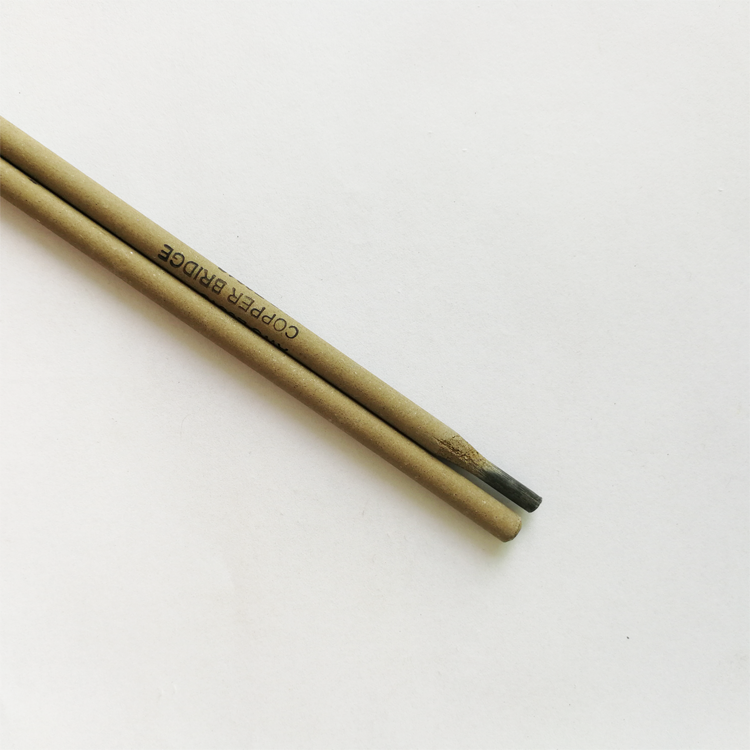
Bulgaria's manufacturing landscape is heavily influenced by its strong tradition in metallurgy and shipbuilding, particularly in regions like Varna and Burgas. The current market sees a high reliance on normal welding rod variants for general maintenance, but there is an increasing shift toward specialized alloys to meet EU structural certifications.
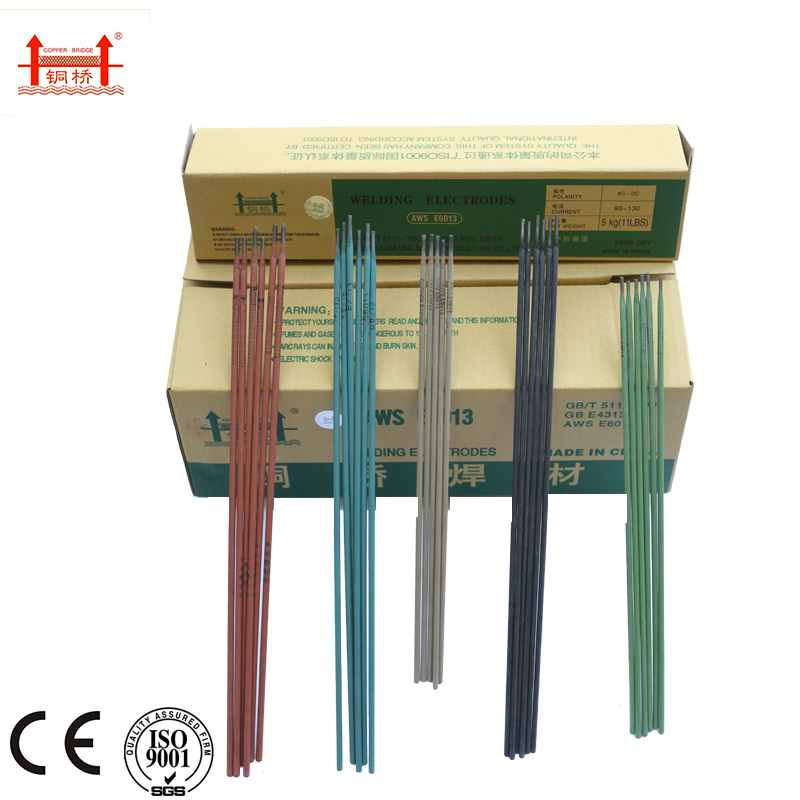
The climatic conditions of Bulgaria, characterized by humid winters and hot summers, pose significant challenges for material storage. This has led to a critical demand for wet welding electrodes that can maintain chemical stability and arc consistency even in suboptimal environmental conditions.
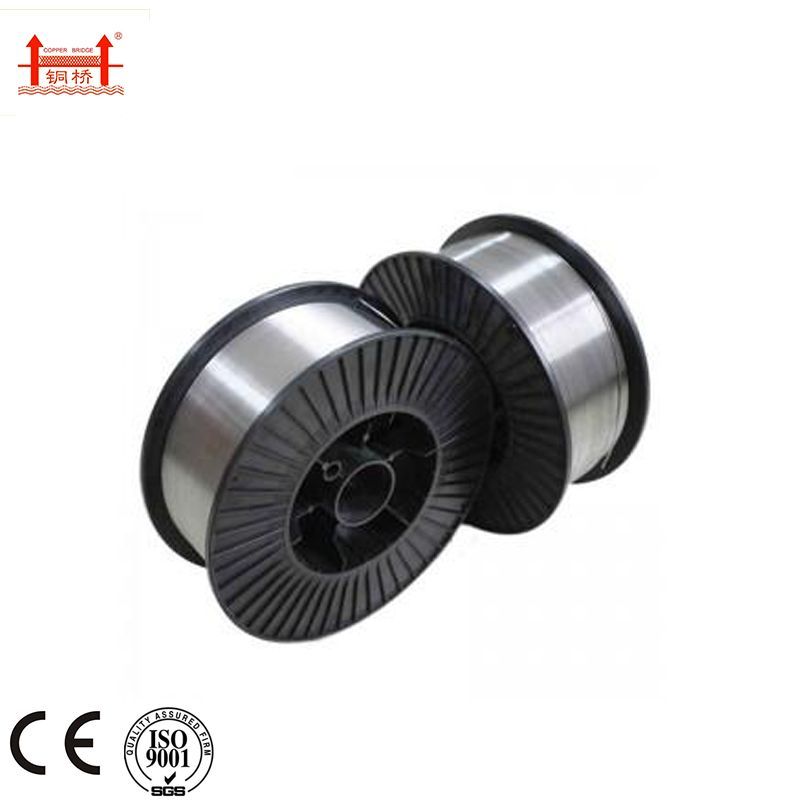
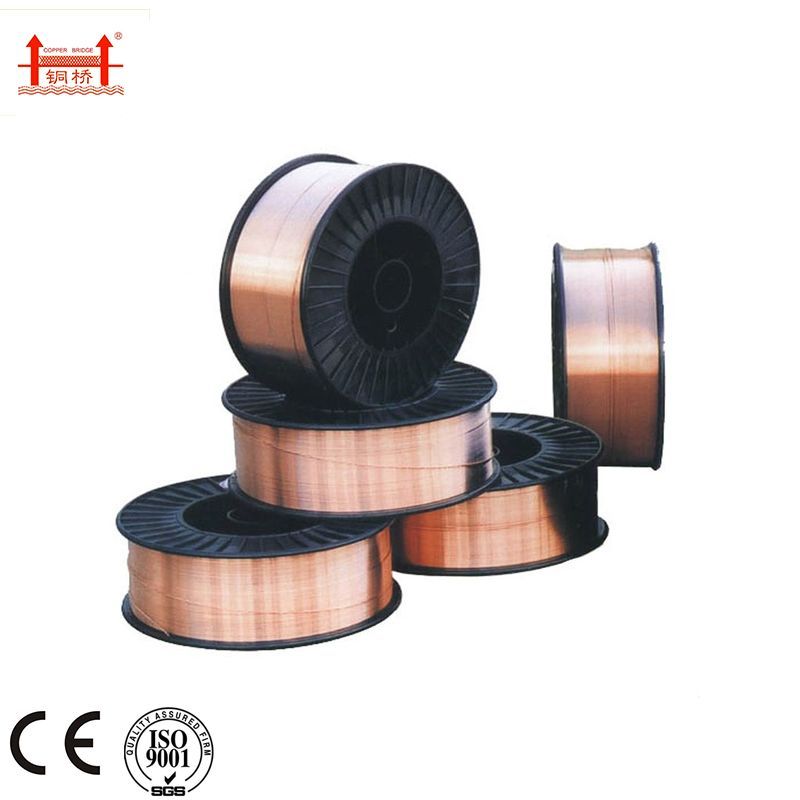
Economically, the transition toward automated manufacturing has increased the consumption of continuous feed materials. The integration of robotic arms in Bulgarian automotive parts plants has shifted the focus from manual rods to high-precision electrode wire welding systems to increase throughput and reduce waste.

 English
 Arabic
 Bengali
 China
 French
 German
 Hausa
 Indonesian
 Italian
 Japanese
 Javanese
 Malay
 Persian
 Portuguese
 Punjabi
 Russian
 Spanish
 Swahili
 Telugu
 Vietnamese