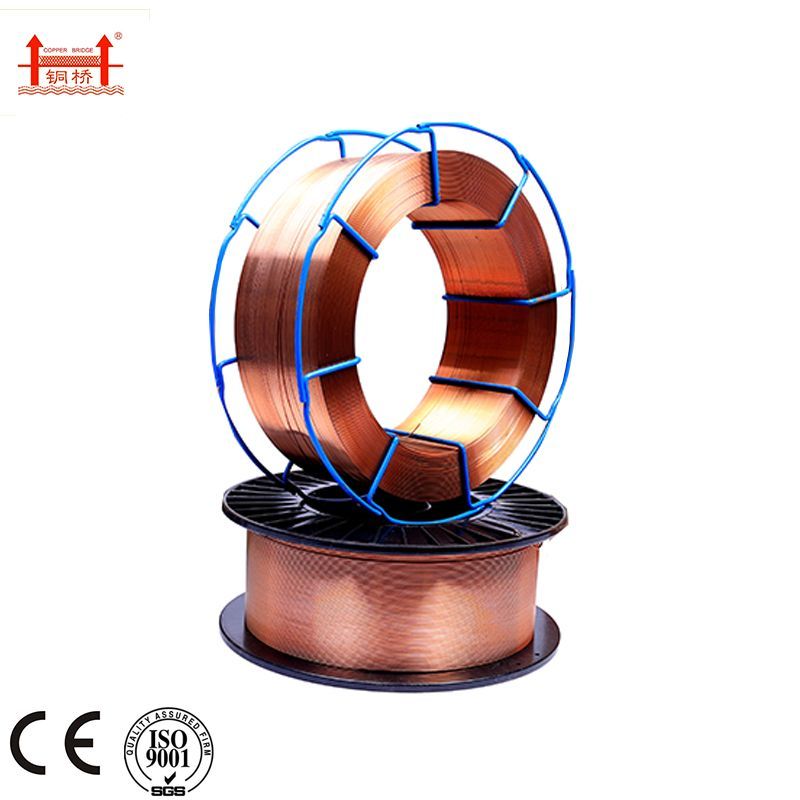
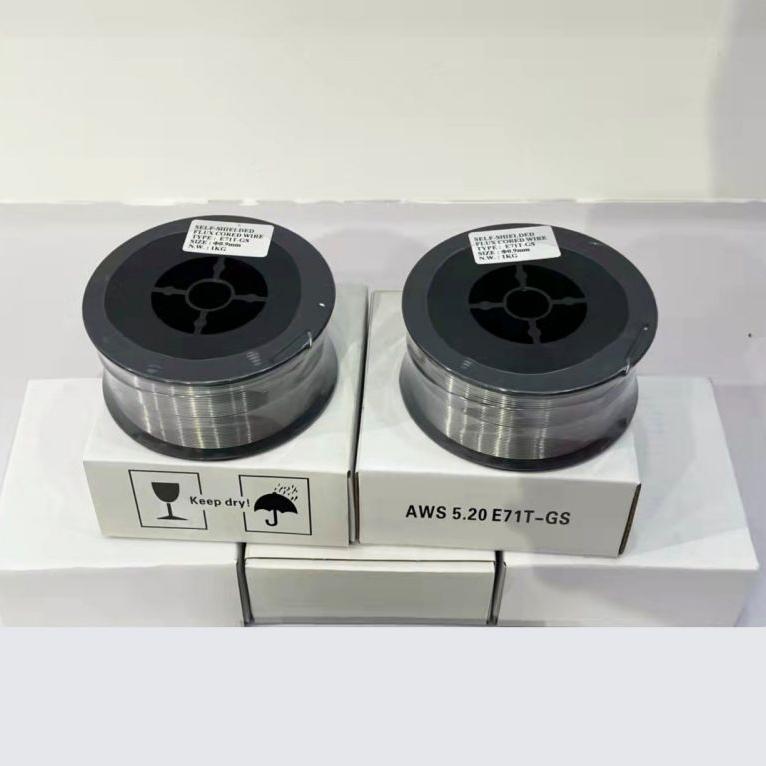
High-Performance electrode wire welding Solutions for Indonesia's Infrastructure

Providing industrial-grade welding materials engineered for the tropical climate and heavy-duty manufacturing demands of the Indonesian archipelago.

High-Performance electrode wire welding Solutions for Indonesia's Infrastructure

From urban skyscrapers in Jakarta to mining sites in Kalimantan, we deliver specialized welding consumables that ensure structural integrity under extreme conditions.

Industrial Welding Landscape in Indonesia

Analyzing the intersection of humid tropical environments and heavy metal fabrication.

Indonesia's manufacturing sector faces unique challenges due to its high humidity and saline coastal air, which accelerate oxidation. The widespread use of normal welding rod types often requires additional storage precautions to prevent moisture absorption, which can lead to hydrogen-induced cracking in critical joints.

The rapid expansion of the nickel smelting industry in Sulawesi and the construction of the new capital city (IKN) have spiked the demand for specialized consumables. There is a significant shift towards using a big welding rod for heavy-wall pressure vessels and large-scale bridge supports to increase deposition rates and reduce labor costs.

Furthermore, the offshore oil and gas platforms in the Natuna Sea necessitate the use of wet welding electrodes, specifically designed to operate in submerged environments where traditional electrodes would fail instantly due to coating dissolution.
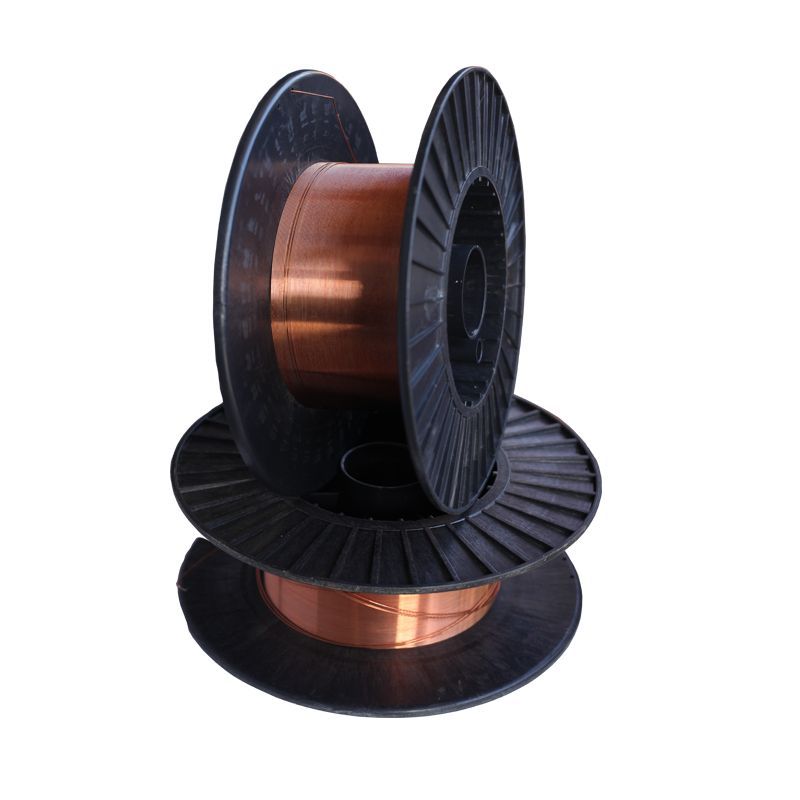
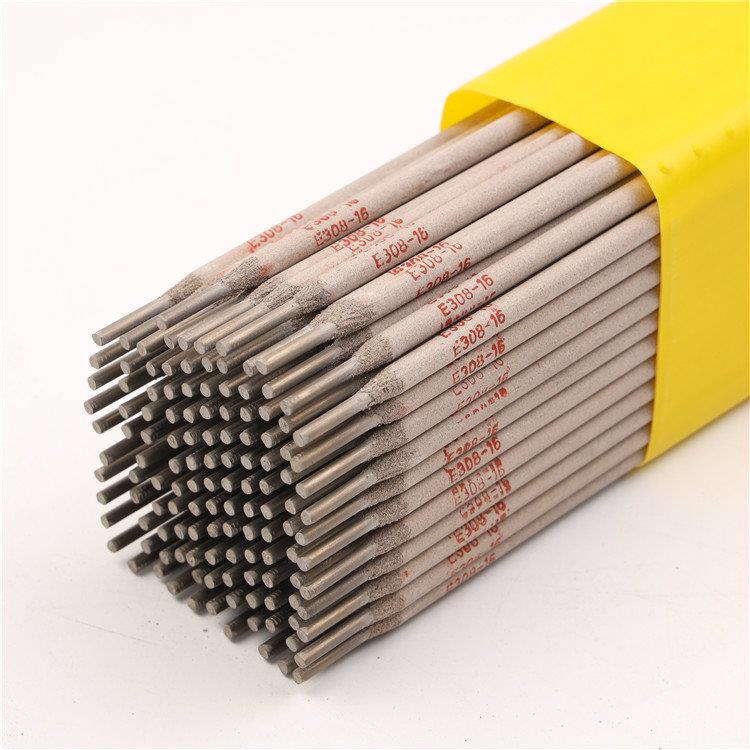
Technical Evolution of Welding in Indonesia

The transition from manual arc welding to automated precision systems.

Market Development History

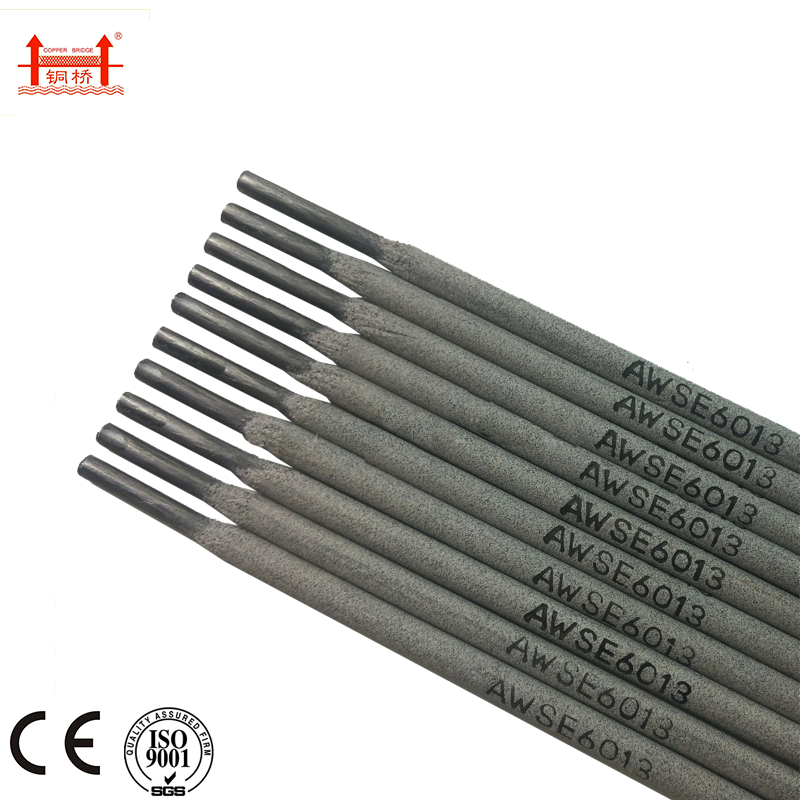
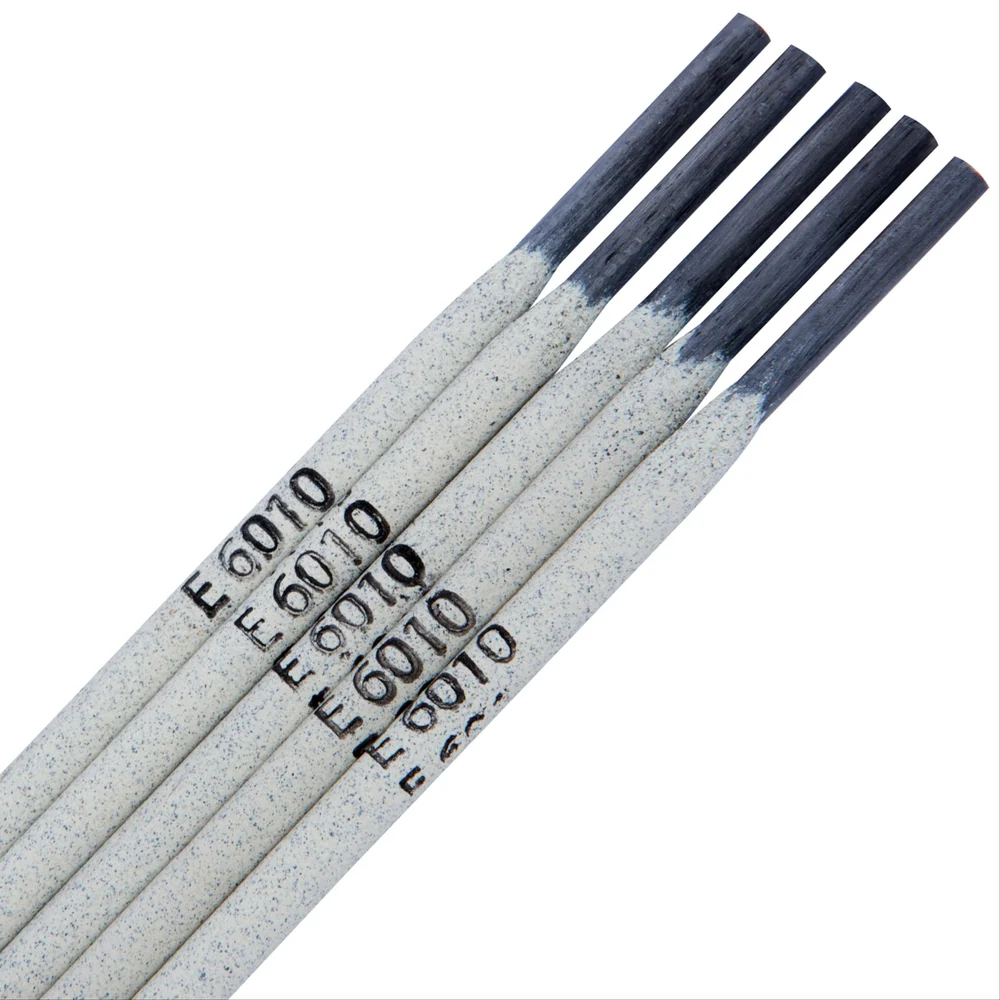
In the late 1990s, the Indonesian market relied heavily on basic SMAW processes using standard mild steel electrodes for general fabrication and repair work in small-scale workshops.

Between 2010 and 2020, the rise of the automotive and shipbuilding sectors introduced a demand for cutting welding rods and MIG/MAG wires to improve efficiency and weld quality in mass production.

Currently, the industry is entering a phase of "Digital Fabrication," where precision-engineered consumables are paired with inverter-based power sources to minimize energy consumption and spatter.

Future Development Trends

Automation Integration

A move towards robotic welding cells in the West Java industrial zones, requiring consistent diameter and high-purity wire for zero-defect production.

Eco-Friendly Fluxes

Development of low-smoke and low-fume coatings to comply with tightening environmental regulations in urban Indonesian manufacturing hubs.

Specialized Alloy Adoption

Increased utilization of stainless steel and nickel-based electrodes for the growing geothermal energy plants across the volcanic regions of the country.

Future Trends and Strategic Outlook

Predicting the next 5 years of metal joining technology in Southeast Asia.

Smart Consumables
Integration of traceability codes on welding rods to ensure material certification for government infrastructure projects.
Moisture-Resistant Tech
Enhanced vacuum packaging and moisture-repellent coatings to sustain electrode quality in tropical humidity.
Hybrid Welding
Combining laser and arc welding materials to increase speed for the growing EV battery housing industry.
Green Manufacturing
Shift towards low-carbon foot-print consumables to align with Indonesia's Net Zero Emission goals.

Industry Outlook

Based on Google search trends in the APAC region, there is a rising query volume for "automated welding consumables" and "anti-corrosion welding" in Indonesia, indicating a professionalization of the local workforce.

We expect a consolidation of the market where high-EEAT certified suppliers will replace generic imports, as the Indonesian government enforces stricter SNI (Standard Nasional Indonesia) certifications for construction materials.

Localized Application Scenarios in Indonesia

Real-world implementation of welding materials across various Indonesian industries.

1. Nickel Smelting Plants in Sulawesi

High-temperature furnace repairs require a big welding rod to withstand thermal expansion and extreme heat stress in the RKEF smelting process.

2. Marine Infrastructure in Jakarta Bay

Construction of sea walls and piers utilizes wet welding electrodes for underwater structural reinforcement, ensuring saltwater resistance.

3. Automotive Hubs in Cikarang

Precision assembly lines utilize high-speed electrode wire welding to maintain tight tolerances in chassis production for global brands.

4. Palm Oil Processing Mills in Sumatra

Daily maintenance of conveyor systems and boilers relies on the versatility of a normal welding rod for rapid onsite repairs.

5. Steel Fabrication Shops in Surabaya

Custom metal work and industrial cutting processes utilize cutting welding rods to achieve clean edges before final assembly.

Brand Story

Global Development History of Dingzhou Jinlong Metal Products Co., Ltd.

Foundational Excellence

Established as a specialized manufacturer, we focused on the purity of raw materials to solve the common industry pain point of weld instability.

Technical Breakthroughs

Developed advanced flux coating technologies that drastically reduced porosity, making our rods suitable for critical load-bearing structures.

Global Expansion

Extended our reach to the Southeast Asian market, adapting our formulations to the specific humidity and temperature of regions like Indonesia.

Quality Certification

Achieved international quality benchmarks, ensuring every batch meets the rigorous demands of the global metallurgy and construction industries.

Sustainable Vision

Our current mission is to lead the industry toward green welding materials, reducing toxic emissions while increasing weld strength.

Indonesian Industry FAQ

Expert answers to common technical queries regarding welding materials in tropical climates.

How to prevent moisture in a normal welding rod in high-humidity areas like Jakarta?

We recommend using vacuum-sealed packaging and reheating the rods in a drying oven at 250-350°C before use to eliminate absorbed hydrogen.

When should I choose a big welding rod over standard sizes for bridge construction?

A big welding rod is preferred for thick plates (over 12mm) to increase the deposition rate, reducing the number of passes and overall project timeline.

What are the advantages of electrode wire welding for automotive assembly?

It provides a continuous feed, significantly increasing productivity and providing a smoother weld bead compared to manual stick welding.

Are wet welding electrodes suitable for all underwater repairs in Indonesian ports?

Yes, provided the current settings are adjusted for the water depth to ensure proper arc stability and penetration.

How do cutting welding rods differ from standard consumables in metal fabrication?

These are specialized for thermal cutting and gouging processes, offering higher heat intensity to penetrate thick metal sections cleanly.

Which welding materials are best for the nickel smelting plants in Sulawesi?

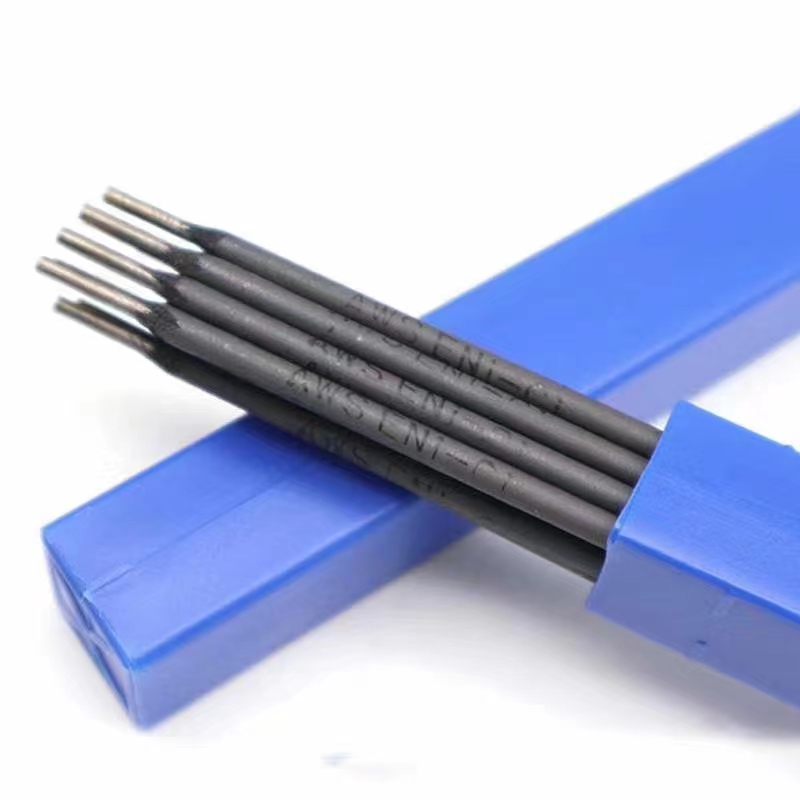
Nickel-based alloys and heavy-duty electrodes are recommended to combat the corrosive environment and high thermal loads of the smelting process.

Consult Our Welding Experts

Ready to optimize your manufacturing efficiency in Indonesia? Contact us for a customized material analysis.

Contact Us Now

If you are interested in our products, you can choose to leave your information here, and we will be in touch with you shortly.


en_USEnglish