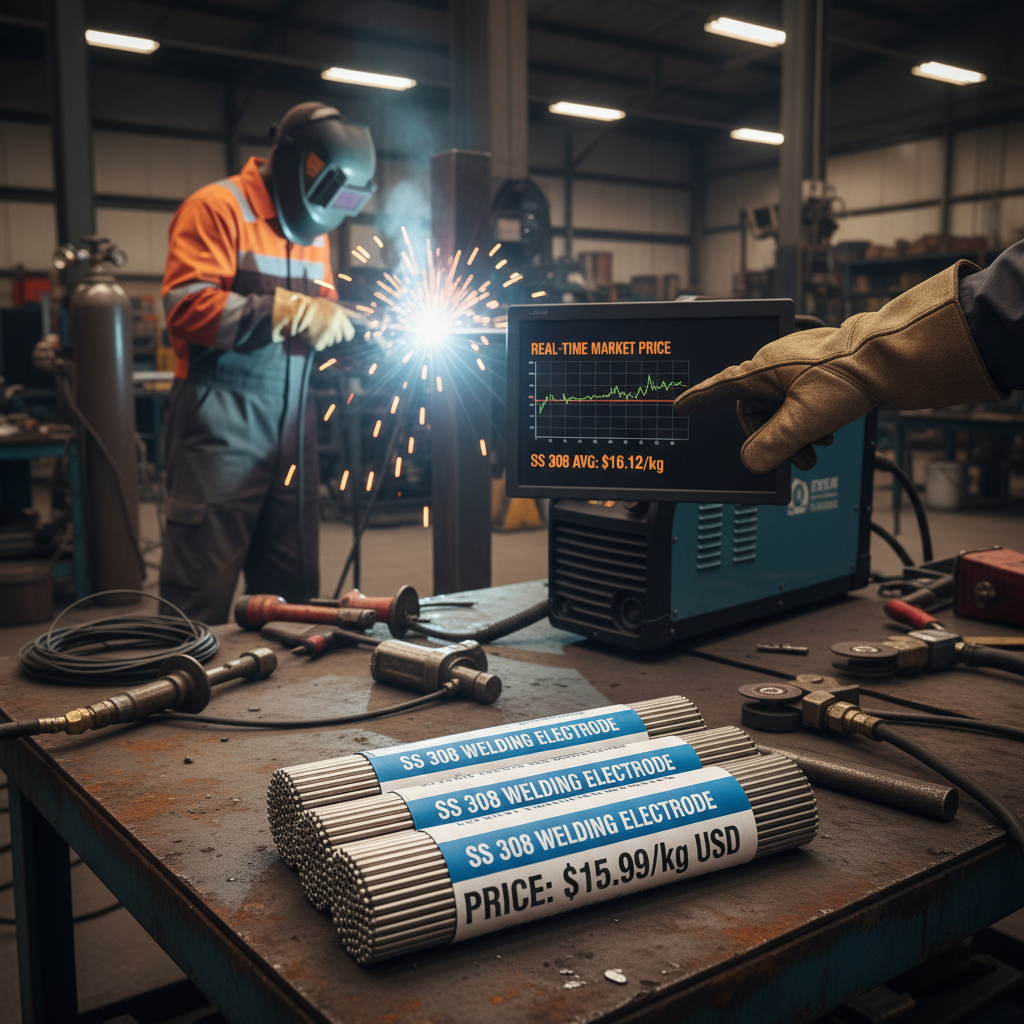
Selecting the correct welding consumables is a critical decision that directly impacts the structural integrity and aesthetic quality of any metal fabrication project. For professionals and hobbyists alike, understanding how should we choose electrode sizes ensures that the heat input is optimized for the specific thickness of the base metal, preventing common defects like burn-through or lack of fusion.
In the global welding industry, the precision of the weld bead is often determined by the diameter of the rod used, which dictates the amperage range and the depth of penetration. When working with low carbon steel structures, the ability to match the electrode size to the material thickness is what separates a professional-grade weld from an amateur one, particularly when dealing with thin plate steel.
Whether you are utilizing a Titania-type coating for smooth finishes or high-strength rods for structural loads, knowing how should we choose electrode sizes allows you to maximize efficiency and reduce material waste across various industrial applications.
Industry Context of Electrode Selection
The global manufacturing sector, particularly in metal products and welding equipment, adheres to strict international standards such as AWS (American Welding Society) and GB (Guobiao) to ensure safety and consistency. In this context, the question of how should we choose electrode sizes is not merely a matter of preference but a requirement for compliance with engineering specifications.
From large-scale infrastructure projects in developing nations to precision automotive work in industrialized hubs, the ability to select the correct electrode diameter—such as the 2.5mm, 3.2mm (1/8"), or 4.0mm sizes—determines the efficiency of the welding process and the longevity of the resulting joint.
Defining Electrode Size and Its Impact
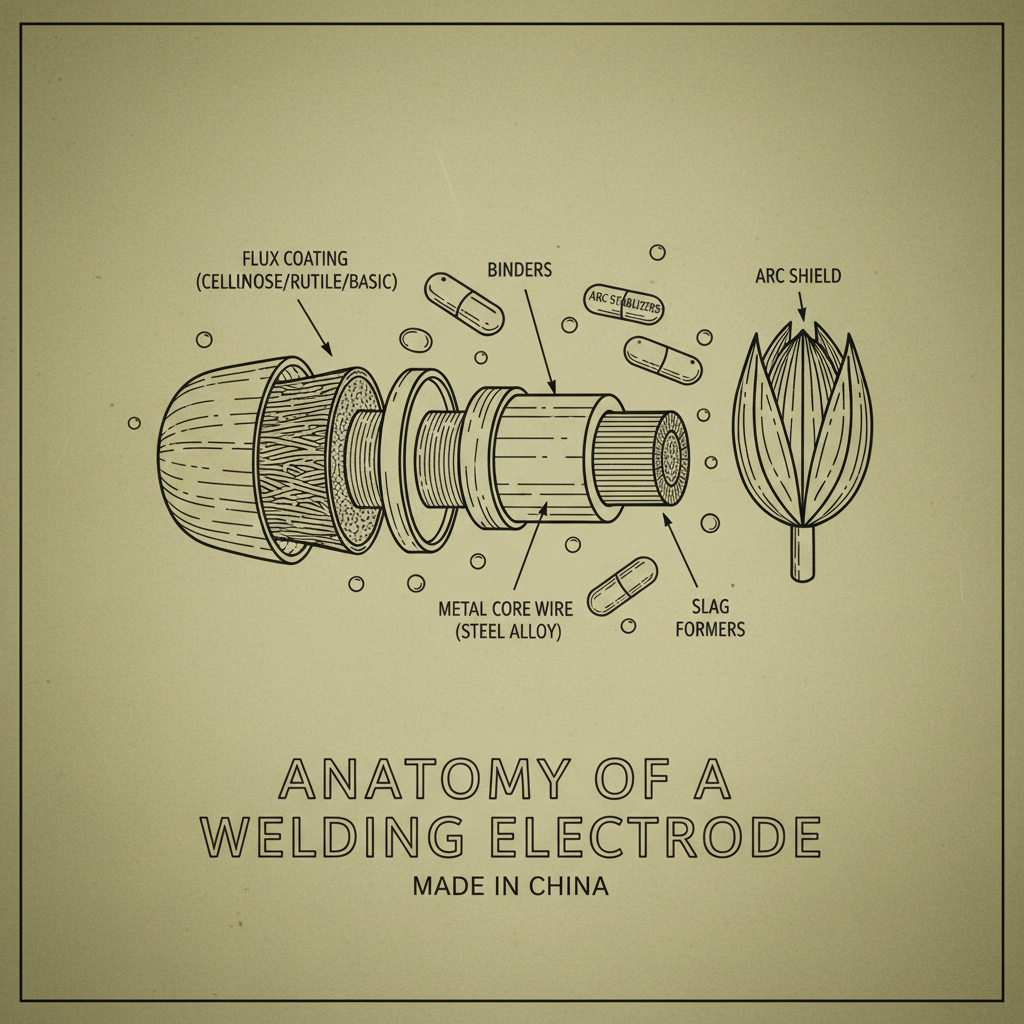
In simple terms, electrode size refers to the diameter of the welding rod core wire. For carbon steel welding, such as using the E6013 Titania-type electrodes, sizes typically range from 2.0mm to 5.0mm. The size of the electrode directly controls the amount of filler metal deposited into the joint and the amount of current required to maintain a stable arc.
Choosing an electrode that is too large for a thin workpiece can lead to excessive heat input, causing the metal to warp or melt through entirely. Conversely, using a rod that is too small for a heavy-duty structural weld will result in insufficient penetration, creating a weak joint that may fail under mechanical stress.
Therefore, understanding the relationship between the rod diameter and the thickness of the base metal is the fundamental answer to how should we choose electrode sizes to ensure a smooth welding pass and a high-quality finish.
Key Factors in Choosing Electrode Diameters
The primary factor when considering how should we choose electrode sizes is the thickness of the metal being joined. For thin plates, a smaller diameter like 2.5mm is preferred to keep the heat concentrated and prevent burn-through, which is essential for short discontinuous welds.
Another critical consideration is the amperage capability of the welding machine. Larger electrodes, such as the 4.0mm or 5.0mm AWS E6011 or E7018 rods, require significantly higher current to maintain the arc. If the machine cannot provide sufficient amperage, the electrode will stick or create an unstable arc, making the process inefficient.
Finally, the desired bead appearance and penetration depth play a role in how should we choose electrode sizes. Titania-type coatings (like E6013) are often used with smaller diameters for a smooth, "small splash" finish, whereas larger rods are utilized in heavy structural welding where maximum deposition rates are more important than surface aesthetics.
Global Applications for Various Rod Sizes
In real-world industrial settings, the application of different electrode sizes varies by region and project scope. In the construction of low-carbon steel structures in urban development, E6013 3.2mm rods are frequently used for their versatility and ease of use across various positions.
In specialized fields, such as the repair of cast iron machinery or the welding of stainless steel pipes (using E308 or E309), the diameter must be precisely matched to the gap of the joint. For instance, in remote industrial zones where heavy machinery is maintained, larger 4.0mm-5.0mm electrodes are used to fill deep grooves quickly and reliably.
Effectiveness of Different Sizes in Various Applications
Long-Term Value of Correct Sizing
The long-term value of correctly addressing how should we choose electrode sizes manifests in reduced operational costs and increased safety. By utilizing the appropriate diameter, companies reduce the need for expensive post-weld grinding and rework, as the initial pass is smoother and free of slag inclusions or burn-through.
From a sustainability perspective, optimal electrode selection minimizes waste. Using a 2.5mm rod for thin sheets instead of a larger one ensures that the welder does not waste filler material or damage the base metal, leading to a more resource-efficient production cycle.
Future Trends in Welding Consumables
As the industry moves toward digital transformation, we are seeing the rise of "smart" welding systems that can suggest how should we choose electrode sizes based on real-time sensor data from the base metal. This integration of AI reduces human error and ensures that the heat input is always perfectly calibrated.
There is also a significant shift toward more environmentally friendly coatings. Future electrodes will likely focus on reducing fumes while maintaining the excellent arc stability found in current Titania-type (E6013) rods, allowing for safer operation in confined spaces.
Automation and robotics are further refining the selection process. Robotic arms can now switch electrode sizes mid-weld to accommodate varying thicknesses, ensuring that the transition from a heavy structural root pass to a smooth capping pass is seamless.
Technical Comparison of Electrode Sizes
To provide a practical guide on how should we choose electrode sizes, it is essential to look at the mechanical properties and current requirements. For example, the CB-J421 (E6013) model offers a tensile strength of 460-540 Mpa and an elongation of 18-26%, making it ideal for general low-carbon steel structures.
When comparing the 3/32", 1/8", and 5/32" sizes common in China's Copper Bridge Brand electrodes, the choice depends on the desired depth of the weld pool. Smaller diameters are superior for root passes, while larger ones are optimized for filling and capping.
The following table provides a technical breakdown to assist users in making an informed decision based on the specific parameters of their project.
Comparison Matrix for Selecting Carbon Steel Electrode Sizes
|
Electrode Diameter
|
Recommended Plate Thickness
|
Current Range (A)
|
Primary Use Case
|
| 2.0mm |
1.0mm - 2.0mm |
40 - 70 A |
Precision / Thin Sheets |
| 2.5mm |
2.0mm - 4.0mm |
60 - 100 A |
General Fabrication |
| 3.2mm (1/8") |
4.0mm - 7.0mm |
90 - 140 A |
Structural Steel |
| 4.0mm (5/32") |
7.0mm - 12.0mm |
130 - 180 A |
Heavy Duty Framing |
| 5.0mm |
12.0mm+ |
170 - 230 A |
Industrial Filling |
| Variable (AWS E6011) |
Deep Penetration |
Varies by Size |
Root Passes / Dirty Metal |
FAQS
Using an electrode that is too large often leads to excessive heat input, which can cause "burn-through," where the weld melts entirely through the base metal. Additionally, it may result in a bulky, unattractive weld bead that requires significant grinding, decreasing the overall efficiency of the work.
Generally, E6013 (Titania-type) welding rods do not need to be baked before welding. However, if they have been exposed to moisture, it is recommended to bake them at 150℃-170℃ for 0.5-1 hour to ensure arc stability and prevent porosity in the weld metal.
Amperage is tied directly to the diameter of the rod. As a general rule, the larger the diameter, the higher the current required. For a 2.5mm E6013 rod, you might use 60-100A, while a 4.0mm rod would require 130-180A. Always refer to the manufacturer's specifications for precise settings.
Yes, but it is inefficient. You would need to perform multiple passes to fill the joint, which increases the time spent and the number of restarts. For thick plates, using a larger electrode like 3.2mm or 4.0mm is faster and provides better penetration per pass.
While they may come in the same diameters (e.g., 3.2mm), E6011 is designed for deep penetration and is often used for root passes on thicker materials, whereas E6013 is preferred for thin plates and smooth, aesthetic finishes due to its Titania coating.
Larger electrodes deposit more filler metal per inch of weld, which increases the speed of filling large joints. However, they move slower in terms of travel speed to ensure the weld pool is managed correctly and doesn't overheat the base metal.
Conclusion
Mastering the knowledge of how should we choose electrode sizes is a cornerstone of professional welding. By balancing the diameter of the rod with the thickness of the base metal and the amperage of the welding machine, fabricators can ensure high tensile strength, minimal distortion, and a clean, smooth finish. From the versatile E6013 for thin plates to the heavy-duty E7018 for structural work, the right size is the key to structural reliability.
As welding technology evolves toward greater automation and sustainability, the fundamental principles of material matching remain unchanged. We recommend that operators always consult technical data sheets and prioritize high-quality, certified consumables to ensure the safety and longevity of their constructions. For professional-grade welding solutions and expert guidance, visit our website: www.jinlongweldingelectrode.com.