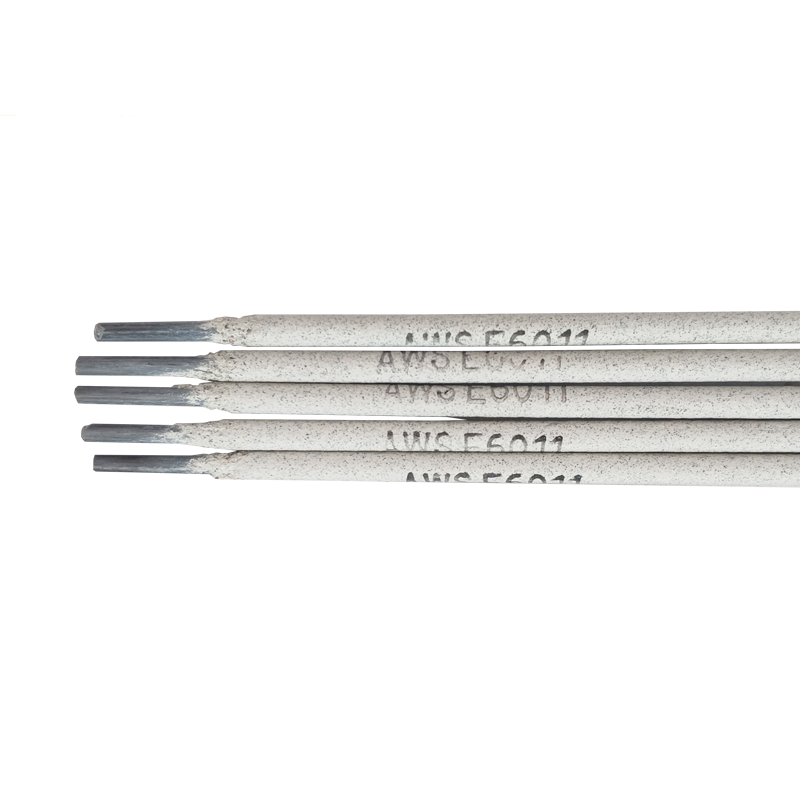
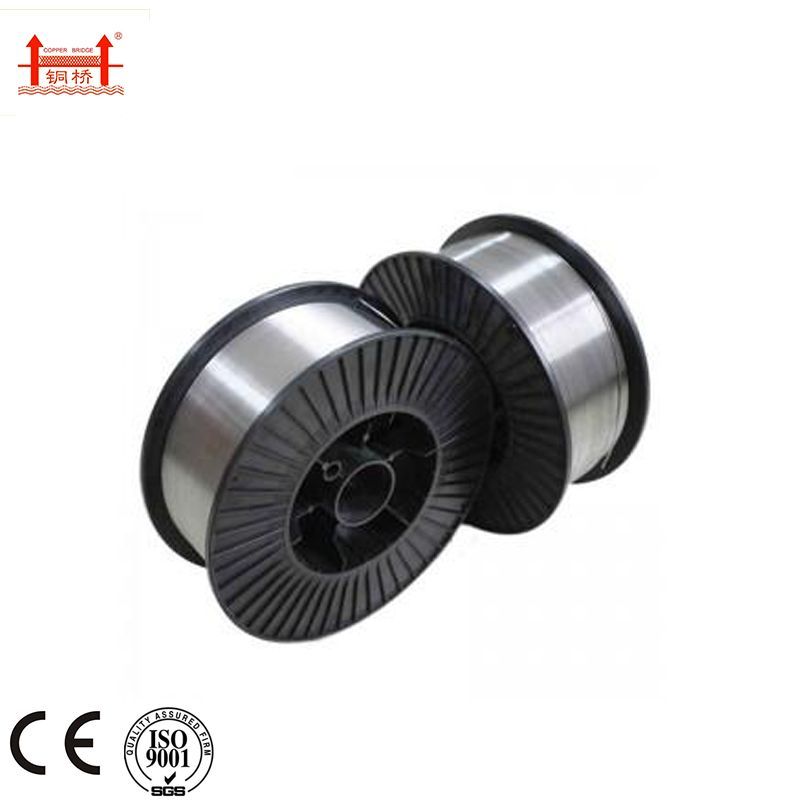
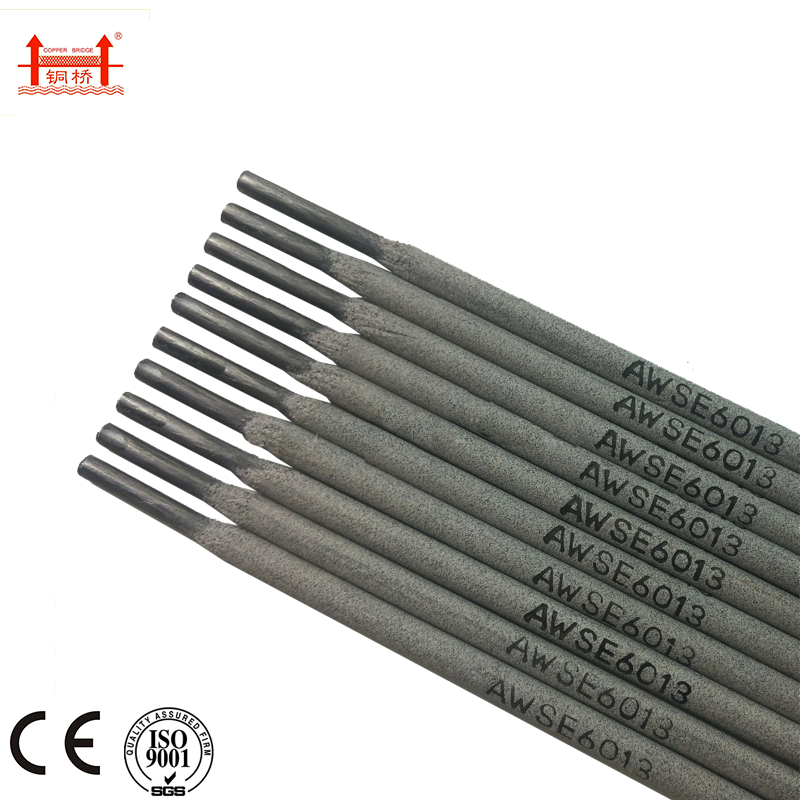
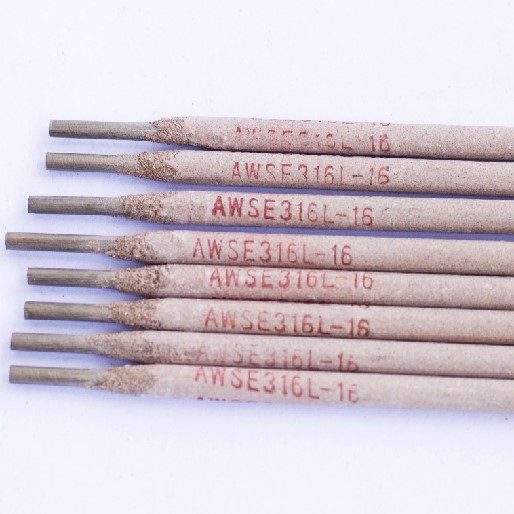
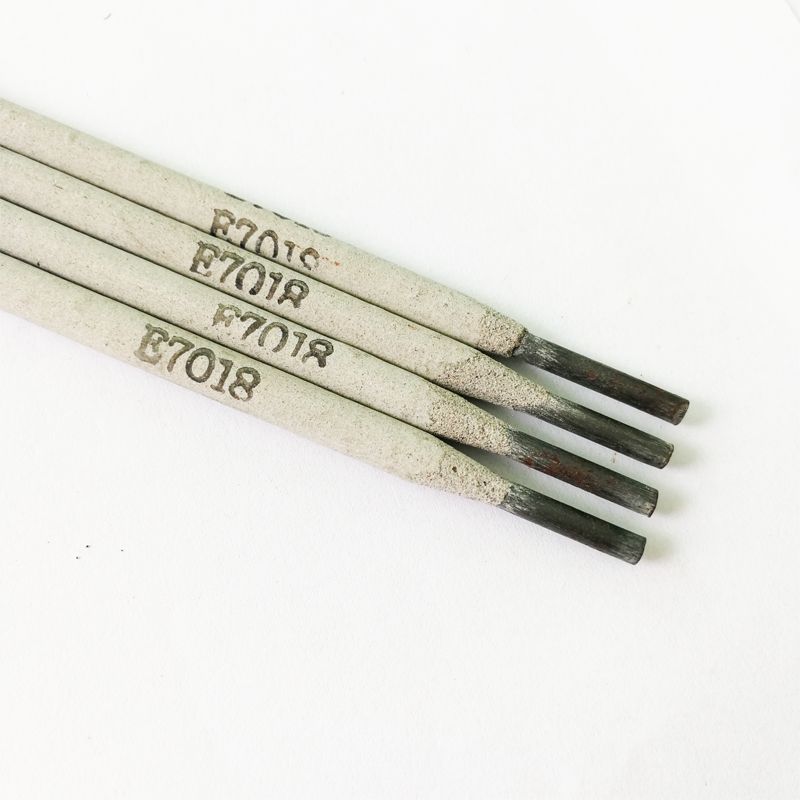
Advanced Industrial Welding Solutions for Canada: Premium electrode wire welding

Engineered for extreme Canadian climates, providing high-tensile strength and superior arc stability for the North American metal fabrication sector.

Advanced Industrial Welding Solutions for Canada: Premium electrode wire welding

Our comprehensive range of welding consumables is specifically designed to meet the CSA and AWS standards required for Canada's demanding infrastructure and manufacturing projects.

Current Landscape of Welding Fabrication in Canada

Analyzing the intersection of extreme temperature variance and high-precision industrial requirements.

The Canadian metal fabrication industry operates under some of the world's most challenging environmental conditions. From the oil sands of Alberta to the shipbuilding hubs of Nova Scotia, the demand for a normal welding rod that maintains structural integrity across a 60-degree Celsius temperature swing is critical for safety and longevity.

Economic shifts toward sustainable energy and Arctic exploration have increased the reliance on specialized consumables. There is a growing transition toward using big welding rod options for heavy-duty structural reinforcement in mining and hydroelectric dams, where deep penetration and high deposition rates are non-negotiable.

Furthermore, the prevalence of underwater pipeline maintenance in the Atlantic and Pacific coasts has solidified the necessity for wet welding electrodes, which must combat hydrogen embrittlement and rapid cooling rates inherent in cold-water environments.
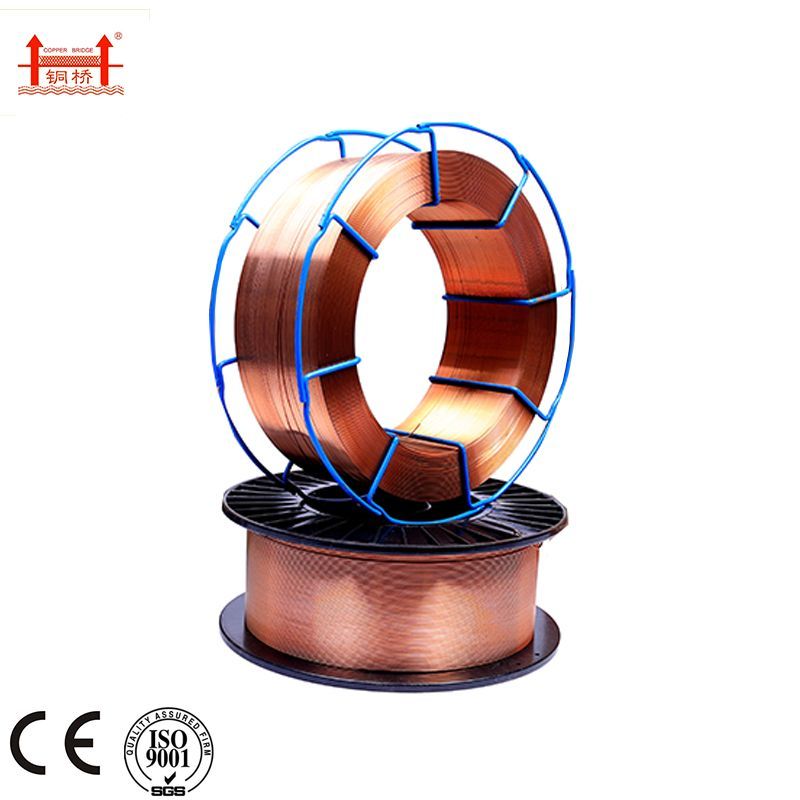
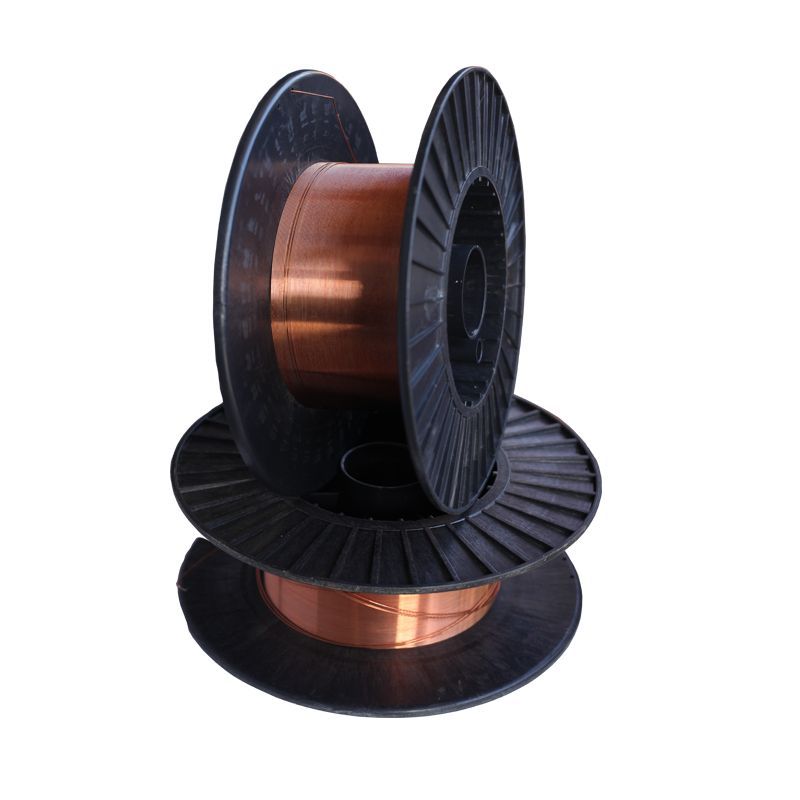
Technological Evolution and Development Trajectory

From traditional flux-coated sticks to automated precision wire systems.

Market Development History

During the mid-20th century, Canada's welding industry relied heavily on basic carbon steel electrodes for railway and bridge expansion. The primary focus was on manual arc welding with simple flux coatings to manage atmospheric contamination in open-air environments.

By the 1990s, the industry shifted toward specialized alloy development. The introduction of advanced cutting welding rods allowed for more precise material removal and preparation, facilitating the growth of the aerospace and automotive sectors in Ontario and Quebec.

Entering the 2010s, the digitalization of welding power sources led to a synergy between hardware and consumables. The optimization of electrode wire welding processes enabled robotic integration, drastically increasing the throughput of heavy machinery manufacturing.

Future Development Trends

Smart-Coating Integration

Integration of nano-materials into rod coatings to reduce spatter and smoke, aligning with Canada's strict occupational health and safety (OHS) regulations.

Low-Carbon Hydrogen Welding

Transitioning toward consumables that support low-emission power sources to meet the 2030 net-zero goals of the Canadian government.

Adaptive Wet-Welding Chemistry

Development of next-generation electrodes that automatically adjust chemical reactions based on water salinity and depth.

Industry Trends and Future Outlook

Predicting the trajectory of welding material science for the North American market.

Automation Synergy
Increased adoption of high-feed electrode wires compatible with AI-driven cobots.
Extreme Cold Resistance
Materials engineered to prevent cold-cracking in Arctic environments.
Green Manufacturing
Reduction of toxic fumes in flux compositions to meet new health standards.
Hybrid Welding
Consumables optimized for combined Laser-GMAW processes.

Industry Outlook

Based on Google search trends for "industrial welding efficiency" in North America, there is a distinct move toward consumables that reduce post-weld cleanup. The demand for high-performance cutting welding rods is expected to rise as precision engineering becomes the baseline for Canadian infrastructure.

Looking ahead 3-5 years, we predict a 20% increase in the adoption of specialized alloy wires that can be used in extreme low-temperature environments without pre-heating, significantly reducing operational costs for Northern Canada's energy sector.

Localized Application Scenarios in Canada

Proven performance across diverse Canadian industrial landscapes.

01. Oil Sands Pipeline Maintenance (Alberta)

Utilizing high-strength electrode wires to ensure leak-proof joints in extreme sub-zero temperatures, where thermal expansion and contraction are severe.

02. Offshore Rig Repair (Nova Scotia)

Implementing specialized wet welding electrodes for emergency underwater structural repairs, ensuring corrosion resistance in saline environments.

03. Heavy Machinery Fabrication (Ontario)

Using big welding rod supplies for the construction of large-scale mining equipment and agricultural harvesters.

04. Urban Infrastructure Expansion (Vancouver)

Applying normal welding rod standards for bridge reinforcements and seismic upgrading of steel structures.

05. Aerospace Component Shaping (Quebec)

Employing precision cutting welding rods for the initial fabrication of high-grade titanium and aluminum components.

Brand Story

Global Development Journey of Dingzhou Jinlong Metal Products Co., Ltd.

Foundational Excellence

Started with a commitment to metallurgical purity, establishing ourselves as a reliable provider of core welding materials in the local Asian market.

Technical Diversification

Expanded our R&D to include specialized coatings, solving the common problem of porosity in heavy-duty industrial welding.

Global Standard Certification

Achieved international quality certifications, allowing our products to enter the rigorous North American and European markets.

Canadian Market Integration

Tailored our product line to withstand Canadian climatic extremes, focusing on low-hydrogen and high-impact toughness electrodes.

Vision for the Future

Leading the shift toward sustainable and intelligent welding consumables for the next generation of global infrastructure.

Canadian Welding Material FAQ

Expert answers to common technical queries from the Canadian metal industry.

How to choose the right big welding rod for heavy structural steel in Canada?

For heavy structural steel, select rods with high deposition rates and low hydrogen content to prevent cold-cracking, especially when welding in unheated Canadian workshops.

What are the storage requirements for wet welding electrodes in humid coastal regions?

These electrodes must be stored in vacuum-sealed packaging or heated ovens to ensure the coating remains waterproof and free from moisture contamination before use.

Can electrode wire welding be automated for Canadian automotive parts?

Yes, our precision electrode wires are designed for high-speed feeding in robotic GMAW systems, ensuring consistent bead quality and minimal spatter.

What is the difference between a normal welding rod and a low-hydrogen rod?

While a normal welding rod is suitable for general repair, low-hydrogen rods are essential for high-stress applications to avoid hydrogen-induced cracking in thick sections.

Are cutting welding rods compatible with all industrial cutting machines?

Our cutting rods are manufactured to standard diameters and alloy compositions, making them compatible with most professional-grade industrial cutting equipment.

Which consumables are best for Arctic pipeline welding?

We recommend nickel-alloyed electrodes and specialized low-temperature wires that maintain ductility and impact strength at -40°C.

Ready to Optimize Your Fabrication?

Get expert technical consultation and high-performance welding supplies delivered across Canada.

Contact Us Now

If you are interested in our products, you can choose to leave your information here, and we will be in touch with you shortly.


en_USEnglish