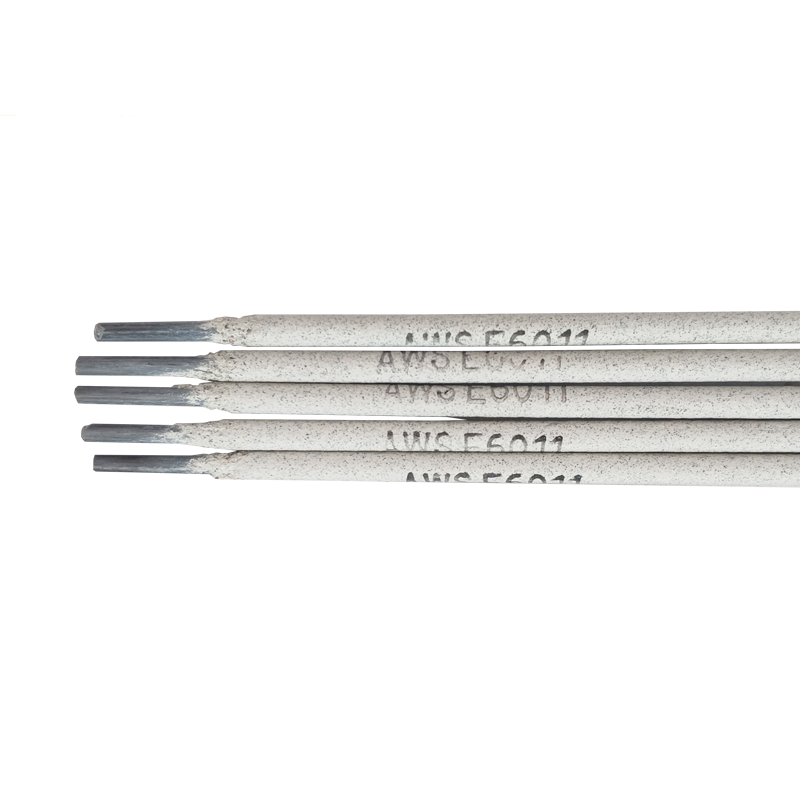
Advanced electrode wire welding Solutions for Kuwait's Industrial Sector

Providing high-performance welding consumables engineered to withstand the extreme thermal and corrosive environments of the Middle East.

Advanced electrode wire welding Solutions for Kuwait's Industrial Sector

Our comprehensive range of welding materials is specifically tailored for Kuwait's heavy industry, ensuring structural integrity under extreme heat and high salinity.

Current Landscape of Welding Material Demand in Kuwait

Analyzing the impact of hyper-arid climates and oil-gas infrastructure on consumable selection.

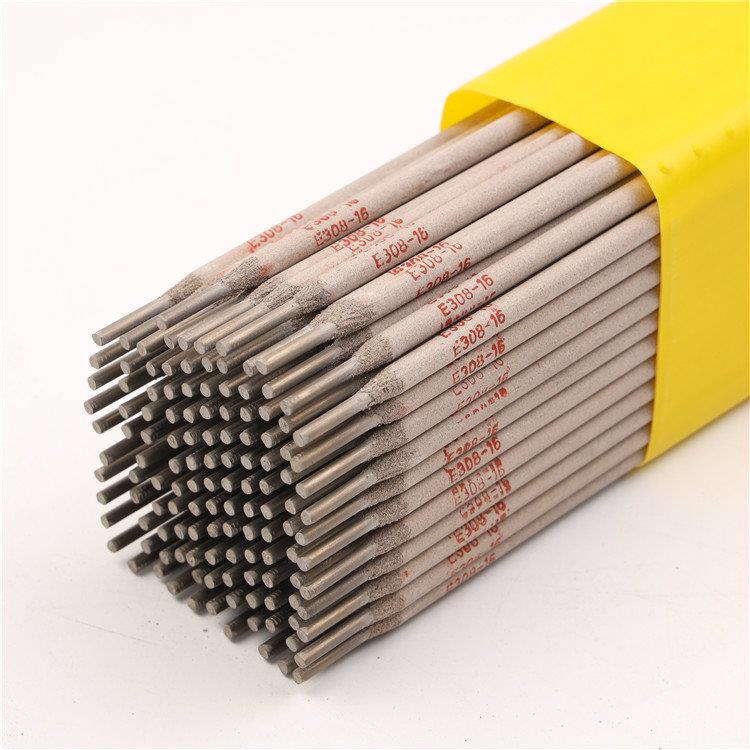
Kuwait's industrial environment is characterized by extreme temperature fluctuations and high humidity levels near the coast, which significantly affect the storage and performance of normal welding rod options. The prevalence of salt-laden air accelerates oxidation, necessitating materials with superior coating stability.

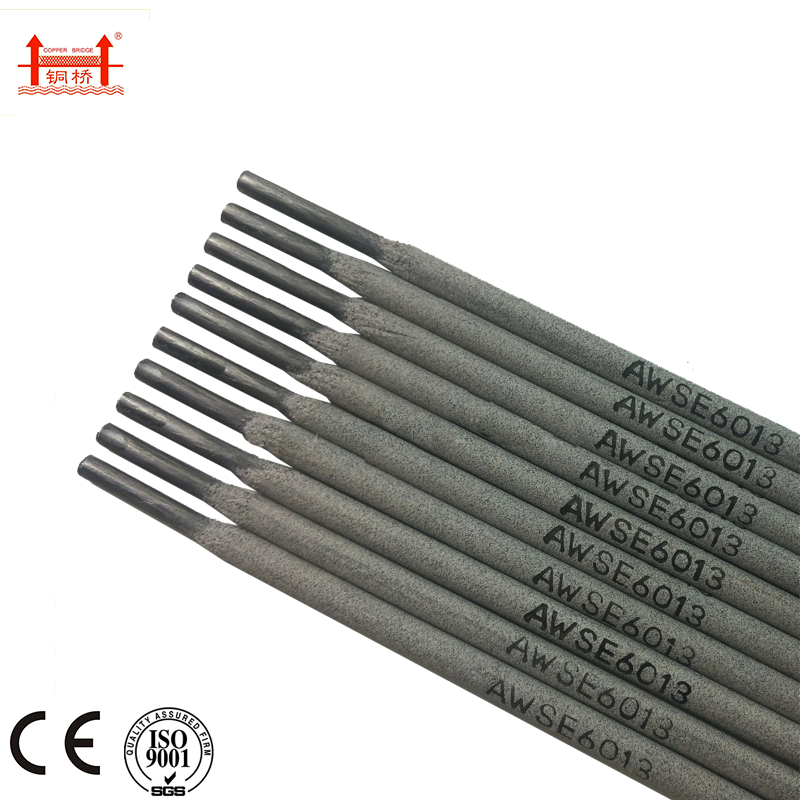
The dominance of the petroleum sector means that a vast majority of welding tasks involve high-pressure pipelines and refinery vessels. This creates a consistent demand for specialized big welding rod variants capable of deep penetration and high load-bearing capacity for heavy-wall steel structures.

Furthermore, the offshore platforms in the Arabian Gulf require wet welding electrodes that can maintain arc stability and mechanical properties even when exposed to moisture or underwater conditions, preventing hydrogen-induced cracking in critical joints.
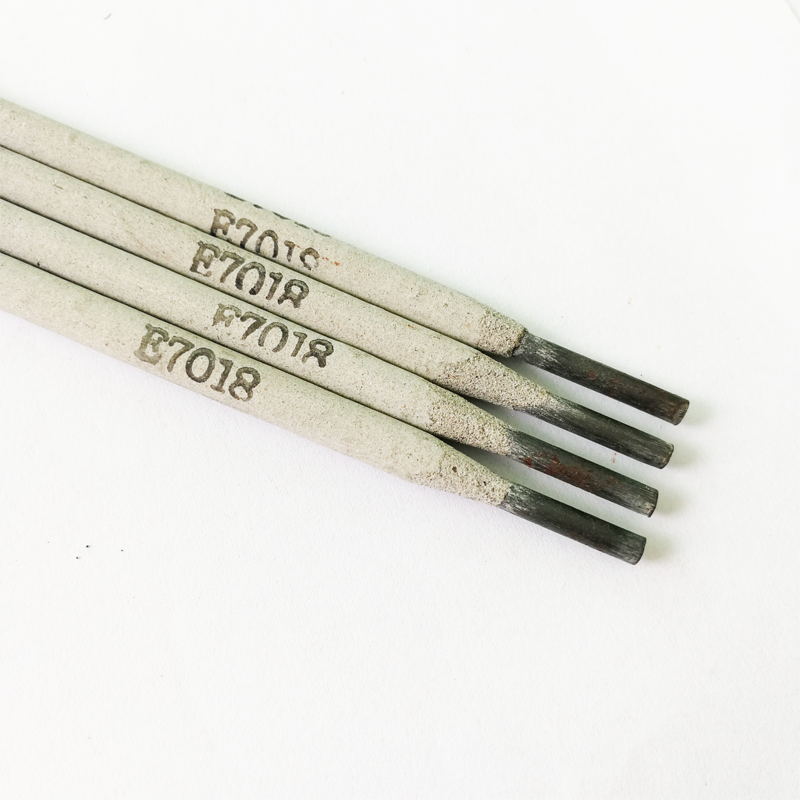
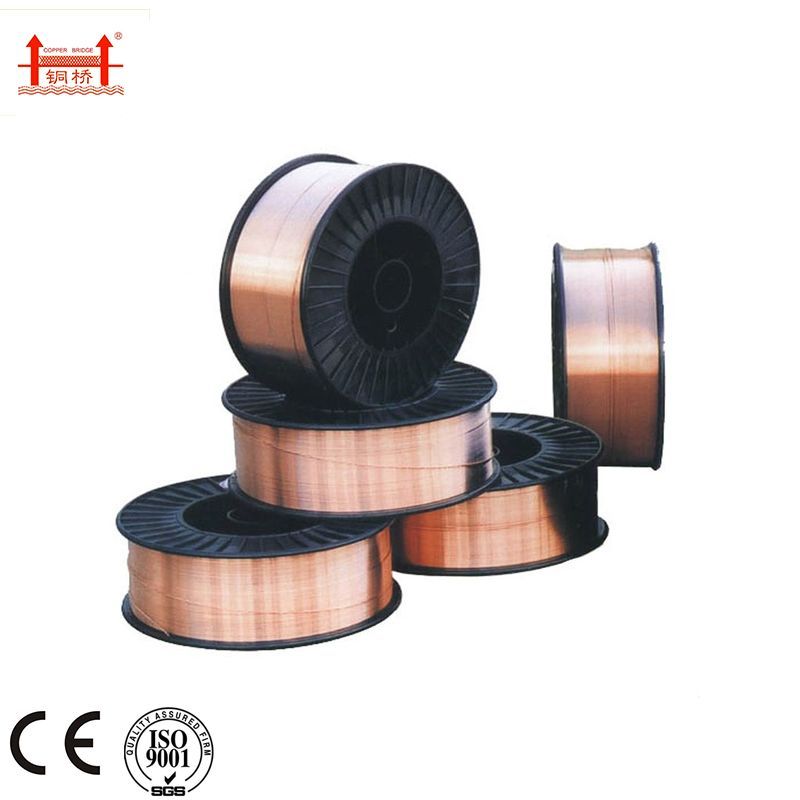
Evolution and Trajectory of Welding Technology in Kuwait

From traditional manual arcs to high-automation industrial systems.

Market Development History

In the early stages of Kuwait's oil boom (1960s-1980s), the market relied heavily on basic shielded metal arc welding (SMAW) utilizing standard consumables for simple pipeline repairs and basic infrastructure.

By the 2000s, a shift occurred toward mechanized processes. The introduction of precision cutting welding rods allowed for faster fabrication of refinery components, reducing downtime and improving the precision of joint preparation.

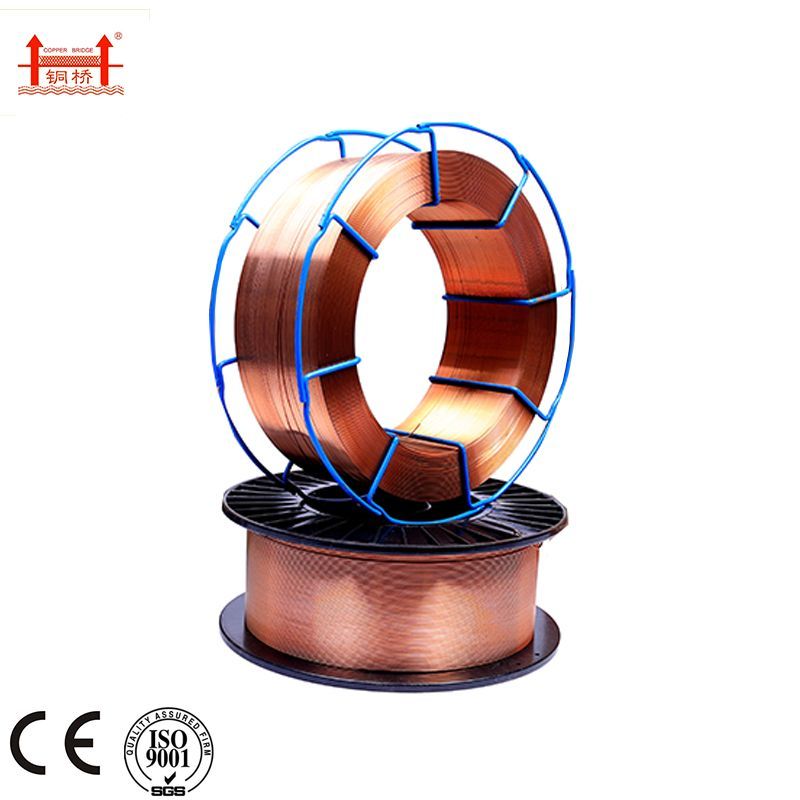
From 2015 to the present, there has been a surge in the adoption of automated MIG/MAG and TIG systems, where the focus has shifted from simple rods to high-efficiency wire feeding systems and alloyed consumables for corrosion resistance.

Future Development Trends

Integration of Smart Monitoring

Future trends indicate a shift toward "intelligent welding," where real-time data monitors the consumption rate of electrodes to optimize material waste in large-scale Kuwaiti projects.

Eco-friendly Low-Fume Consumables

Due to increasing health and safety regulations in the Asia-Kuwait region, there is a growing trend toward low-emission welding materials that reduce toxic fumes in confined refinery spaces.

Nanotechnology in Coating

We anticipate the rise of nano-engineered coatings for welding rods that provide better slag removal and superior surface finish, reducing the need for post-weld grinding.

Industry Trends and Future Outlook for Kuwaiti Metal Fabrication

Driving efficiency and durability through material innovation.

Automation Shift
Moving from manual rods to automated wire-fed systems to increase production speed in Kuwaiti shipyards.
Corrosion Resistance
Development of alloyed electrodes specifically for H2S-rich environments found in Kuwaiti oil fields.
Thermal Stability
Engineering flux coatings that prevent moisture absorption during the high-humidity Kuwaiti summer.
Material Efficiency
Optimizing slag ratios to reduce waste and labor costs in heavy industrial welding applications.

Industry Outlook

Based on Google search trends in the Middle East, there is a significant uptick in queries regarding high-strength alloy consumables and automated welding systems. This suggests that Kuwait is moving toward a more capital-intensive, technology-driven fabrication model.

The future outlook focuses on the "Kuwait Vision 2035," which emphasizes industrial diversification. This will drive demand for more versatile welding materials that can be used across various sectors, from petrochemicals to new urban infrastructure.

Localized Application Scenarios in Kuwait

Real-world deployments of our welding solutions across Kuwait's key industries.

01. Oil Refinery Pipeline Maintenance

Using big welding rod variants for the repair of heavy-walled crude oil pipelines, ensuring leak-proof joints under high pressure.

02. Offshore Rig Structural Repairs

Deployment of wet welding electrodes for emergency underwater repairs of platform supports in the Persian Gulf.

03. Industrial Steel Frame Fabrication

Utilizing normal welding rod for the construction of warehouse frames and auxiliary industrial buildings in Shuaiba Industrial Area.

04. Precision Component Cutting

Applying cutting welding rods for the precise dismantling and resizing of heat exchangers during refinery turnaround cycles.

05. Automated Vessel Assembly

Implementing electrode wire welding for the high-speed assembly of large storage tanks for liquefied natural gas (LNG).

Brand Story

Global Development Journey of Dingzhou Jinlong Metal Products Co., Ltd.

Foundational Excellence

Established with a focus on metallurgical purity, we began by solving the problem of inconsistent arc stability in basic carbon steel electrodes.

Technical Breakthroughs

We pioneered advanced flux coating technologies that allow electrodes to resist moisture, a critical pain point for clients in humid coastal regions.

Global Expansion

Expanding into the Middle East market, we adapted our formulas to meet the rigorous standards of the oil and gas industry in Kuwait and the GCC.

Quality Certification

Achieving international certifications ensured that our materials meet the strictest safety and durability codes for high-pressure vessel welding.

Vision for the Future

Today, we continue to innovate in automated welding consumables, aiming to reduce global industrial waste through precision engineering.

Complete Welding Material Portfolio for Kuwait

A one-stop shop for all industrial welding consumables, from manual rods to automated wires.

Frequently Asked Questions for Kuwaiti Industrialists

Expert answers to common technical challenges in regional welding operations.

How to store normal welding rod in Kuwait's high humidity?

We recommend using vacuum-sealed packaging and specialized heating ovens to maintain the low-hydrogen properties of the flux coating, preventing porosity in welds.

What are the best electrode wire welding options for H2S environments?

For sour service (H2S), we provide specialized alloyed wires with controlled chemistry to prevent sulfide stress cracking, essential for Kuwaiti refineries.

When should I use a big welding rod instead of a standard size?

Big welding rods are ideal for thick-walled structural components where high deposition rates and deep penetration are required to reduce the number of weld passes.

Are wet welding electrodes suitable for all underwater repairs?

Yes, our wet welding range is designed for both shallow and deep-water applications, offering specialized coatings that resist water ingress and maintain arc stability.

How do cutting welding rods improve refinery maintenance?

They allow for precise thermal cutting and gouging, which is critical when removing defective welds or preparing joints in tight spaces within a refinery plant.

What certifications are available for your products exported to Kuwait?

Our products comply with AWS (American Welding Society) and ISO standards, ensuring they meet the safety requirements of the Kuwait Ministry of Oil and other regulatory bodies.

Get Professional Welding Consultation

Our technical team is ready to help you select the perfect consumables for your projects in Kuwait.

Contact Us Now

If you are interested in our products, you can choose to leave your information here, and we will be in touch with you shortly.


en_USEnglish